











⏱️ 6 min read
Cinema has given audiences countless memorable figures who have transcended the screen to become cultural touchstones. These characters shape our collective imagination, influence fashion and language, and remain relevant decades after their debut. From antiheroes to valiant champions, certain performances and character creations have achieved immortality in film history, resonating across generations and defining what it means to be truly iconic.
The Characters That Define Cinema
1. Vito Corleone - The Godfather's Patriarch
Marlon Brando's portrayal of Vito Corleone in "The Godfather" (1972) revolutionized how audiences perceived villains and antiheroes. The aging mafia don, with his raspy voice and cotton-stuffed cheeks, became synonymous with power, family loyalty, and the American Dream's dark underbelly. Brando's nuanced performance humanized a crime boss, showing vulnerability beneath the intimidating exterior. The character's influence extends beyond cinema into popular culture, with countless references, parodies, and the famous line "I'm gonna make him an offer he can't refuse" becoming part of everyday language. Vito Corleone represents complexity in character development, proving that even morally ambiguous figures can command sympathy and admiration.
2. Darth Vader - Cinema's Greatest Villain
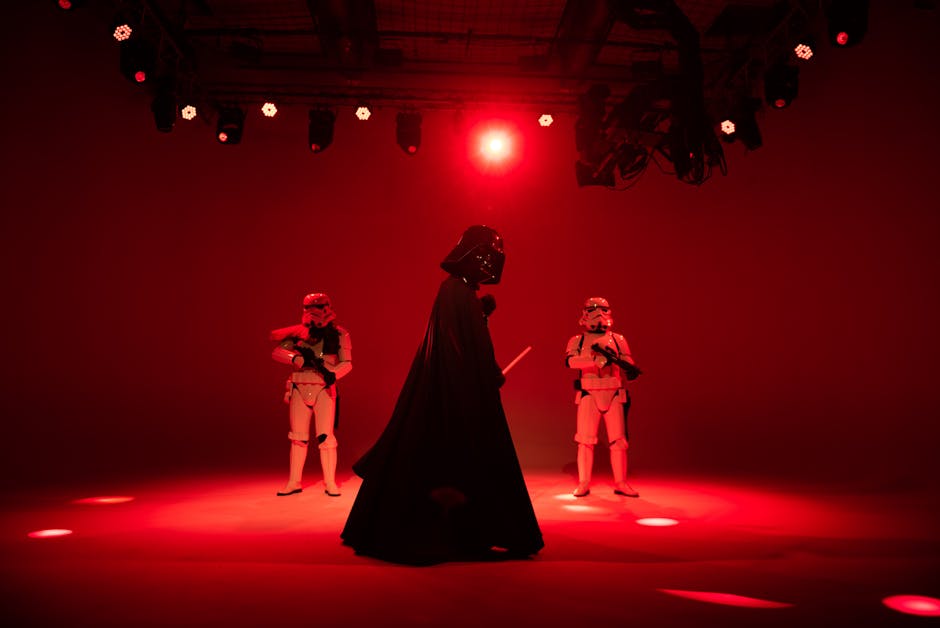
Few characters possess the immediate recognition factor of Darth Vader from the "Star Wars" franchise. Introduced in 1977, this black-armored Sith Lord with his mechanical breathing and James Earl Jones's commanding voice became the template for modern movie villains. What elevates Vader beyond typical antagonist status is the tragic backstory revealed throughout the saga—a fallen hero corrupted by fear and loss. His redemption arc across six films created one of cinema's most compelling character journeys. The character's distinctive design, philosophical depth, and cultural penetration have made Vader an enduring symbol of both evil and the possibility of redemption.
3. Indiana Jones - The Adventurer Archaeologist
Harrison Ford's portrayal of Dr. Henry "Indiana" Jones Jr. beginning in 1981 created the quintessential action hero—intelligent, flawed, and thoroughly human. Unlike invincible action stars, Indiana Jones bleeds, makes mistakes, and famously fears snakes. His leather jacket, fedora, and bullwhip became instantly recognizable symbols of adventure. The character brilliantly balanced academic intelligence with physical prowess, witty humor with genuine terror, making him relatable despite his extraordinary circumstances. Indiana Jones redefined the adventure genre and demonstrated that heroes could be both cerebral and physical, inspiring countless imitators but never being equaled.
4. The Joker - Chaos Personified
Batman's arch-nemesis has been portrayed by multiple actors, but the character's essence remains consistently iconic. Whether through Jack Nicholson's theatrical menace (1989), Heath Ledger's anarchic philosophy (2008), or Joaquin Phoenix's disturbed origin story (2019), the Joker represents chaos challenging order. Ledger's interpretation particularly resonated, earning a posthumous Academy Award and redefining what comic book villains could achieve dramatically. The character's lack of a definitive origin story, his philosophical challenges to societal norms, and his purely antagonistic relationship with Batman have made him cinema's most compelling and frequently reinterpreted villain.
5. Ellen Ripley - Science Fiction's Female Pioneer
Sigourney Weaver's Ellen Ripley from the "Alien" franchise (beginning 1979) shattered gender stereotypes in action and science fiction films. Originally written as gender-neutral, Ripley became cinema's most influential female action hero—tough, resourceful, and maternal without sacrificing strength. She survived impossible odds not through superhuman abilities but through intelligence, determination, and adaptability. Ripley's character arc across four films explored themes of survival, corporate exploitation, and motherhood while maintaining her core strength. She paved the way for complex female characters in genres previously dominated by male heroes, proving that women could carry blockbuster franchises.
6. James Bond - The Suave Secret Agent
Since Sean Connery first uttered "Bond, James Bond" in 1962, this MI6 agent has become synonymous with sophisticated espionage, exotic locales, and impossible gadgets. Portrayed by multiple actors across six decades, Bond represents British cool and has adapted to changing times while maintaining core characteristics—impeccable style, dry wit, and unflappable composure. The character's longevity stems from his flexibility; each era reinterprets Bond while preserving his essence. From Connery's dangerous charm to Daniel Craig's brutal realism, 007 remains cinema's most enduring action hero, having influenced countless spy thrillers and becoming a cultural institution.
7. The Tramp - Silent Cinema's Heart
Charlie Chaplin's Little Tramp, with his toothbrush mustache, bowler hat, and cane, represents silent cinema's greatest creation. Debuting in 1914, this character combined physical comedy with profound pathos, addressing poverty, injustice, and human dignity without speaking a word. The Tramp's universal appeal transcended language barriers, making Chaplin internationally famous. Through films like "City Lights" and "Modern Times," the character became a symbol of resilience against adversity, maintaining dignity and humanity despite circumstances. The Tramp's influence on physical comedy and character-driven storytelling remains immeasurable, proving that the most powerful performances sometimes require no dialogue.
8. Han Solo - The Lovable Rogue
Harrison Ford's second entry on this list, Han Solo from "Star Wars," epitomizes the charming scoundrel archetype. Introduced as a self-interested smuggler in 1977, Solo's transformation into a hero willing to sacrifice everything for the greater good created one of cinema's most satisfying character arcs. His chemistry with Princess Leia, friendship with Chewbacca, and rivalry-turned-friendship with Luke Skywalker provided emotional grounding to the space opera. Solo's cockiness, improvisation (both in-universe and Ford's famous ad-libs), and ultimately his courage made him audiences' favorite character in one of history's biggest franchises.
9. Dorothy Gale - The Girl from Kansas
Judy Garland's portrayal of Dorothy in "The Wizard of Oz" (1939) created cinema's most enduring symbol of innocence and the journey toward self-discovery. Dorothy's adventure from Kansas to Oz became a metaphor for growing up, recognizing inner strength, and appreciating home. Her ruby slippers, gingham dress, and "Over the Rainbow" have become cultural icons. The character's universal appeal—a ordinary girl in extraordinary circumstances—has resonated across generations. Dorothy represents the power of kindness, loyalty, and believing in oneself, themes that remain timeless. Her influence extends throughout cinema, inspiring countless "hero's journey" narratives.
10. The Man With No Name - The Mysterious Gunslinger
Clint Eastwood's unnamed protagonist in Sergio Leone's "Dollars Trilogy" (1964-1966) redefined the Western hero. Trading the clean-cut cowboys of classic Westerns for a poncho-wearing, cigar-chomping enigma, this character introduced moral ambiguity to the genre. His minimal dialogue, squinting gaze, and ruthless efficiency created a new archetype—the antihero who operates by his own code. The character's influence extends beyond Westerns into action cinema generally, establishing that heroes need not be verbose or traditionally moral to be compelling. This mysterious gunslinger's style and attitude have been endlessly imitated but never duplicated.
The Lasting Impact of Iconic Characters
These ten characters represent more than successful performances or memorable films—they embody universal themes, challenge conventions, and reflect cultural values across different eras. Their iconic status stems from complex writing, outstanding performances, and the ability to resonate with audiences emotionally. Whether through heroism, villainy, or moral complexity, these characters have transcended entertainment to become part of our shared cultural language, proving that truly great character creation achieves immortality.