




1 / 20 Questions
0 Points

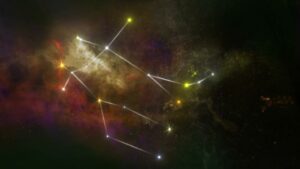
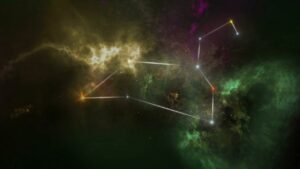
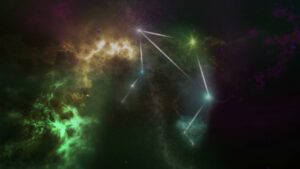
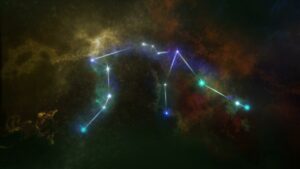
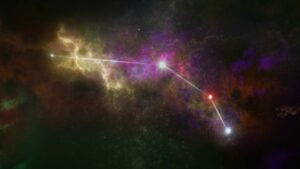
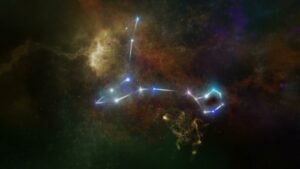
Which constellation represents the zodiac sign of the twins?

Leo

Gemini

Pisces

Libra

Points won
0
Correct score
0%

More Questions

More Articles

Top 10 Legendary Music Festivals in the World

Top 10 Legendary Music Festivals in the World

⏱️ 7 min read

Music festivals have become cultural landmarks that transcend mere entertainment, shaping generations and defining musical movements. These gatherings bring together artists and fans from around the globe, creating unforgettable experiences that celebrate the universal language of music. From sprawling desert installations to historic fairgrounds, certain festivals have achieved legendary status through their contributions to music history, cultural impact, and ability to consistently deliver extraordinary performances year after year.

The World's Most Iconic Music Festival Experiences

1. Glastonbury Festival - Britain's Crown Jewel of Contemporary Arts

Held in Somerset, England, Glastonbury Festival stands as one of the most prestigious and influential music festivals in the world. Since its inception in 1970, when Marc Bolan headlined for an audience of 1,500 people paying just £1 each, Glastonbury has evolved into a massive five-day event attracting over 200,000 attendees. The festival showcases an incredibly diverse lineup spanning rock, pop, electronic, hip-hop, and world music across multiple stages. Beyond music, Glastonbury incorporates theatre, circus, cabaret, and environmental activism, making it a comprehensive celebration of contemporary performing arts. The iconic Pyramid Stage has witnessed legendary performances from David Bowie, Beyoncé, and Radiohead, cementing the festival's place in music history.

2. Coachella Valley Music and Arts Festival - Desert Innovation and Style

Taking place annually in Indio, California, Coachella has become synonymous with trendsetting music curation and fashion-forward festival culture since 1999. Spanning two consecutive weekends in April, the festival attracts Hollywood celebrities, influencers, and music enthusiasts who gather in the California desert for cutting-edge performances and immersive art installations. Coachella has gained recognition for reuniting iconic bands, showcasing breakthrough artists, and creating viral moments that dominate social media. The festival's emphasis on visual aesthetics, from its Instagram-worthy art pieces to attendees' bohemian fashion choices, has influenced festival culture worldwide and established Coachella as a cultural phenomenon beyond the music itself.

3. Tomorrowland - Electronic Dance Music's Ultimate Wonderland

Belgium's Tomorrowland represents the pinnacle of electronic dance music festivals, transforming the town of Boom into a fantastical wonderland each summer. Since its debut in 2005, Tomorrowland has become legendary for its elaborate stage designs, pyrotechnics, and immersive themed environments that transport attendees into fairy-tale realms. The festival attracts the world's top DJs and electronic music producers, with attendance exceeding 400,000 across two weekends. Tickets sell out within minutes of release, with fans traveling from over 200 countries to experience the spectacular production values and euphoric atmosphere. Tomorrowland's global expansion to Brazil and the creation of TomorrowWorld in the United States demonstrated electronic music's massive international appeal.

4. Woodstock - The Festival That Defined a Generation

Though held only once in its original form in August 1969, Woodstock remains the most culturally significant music festival in history. Billed as "Three Days of Peace and Music," the festival took place on a dairy farm in Bethel, New York, and attracted an estimated 400,000 people, far exceeding expectations. Woodstock became a defining moment of the counterculture movement, featuring iconic performances from Jimi Hendrix, Janis Joplin, The Who, and Santana. The festival symbolized the ideals of the 1960s youth movement, promoting peace, love, and communal living during the Vietnam War era. Despite organizational chaos, inadequate facilities, and a declaration of disaster area status, Woodstock's legacy as a pivotal cultural moment has endured for over five decades.

5. Montreux Jazz Festival - Swiss Excellence on the Lake

Situated on the stunning shores of Lake Geneva in Switzerland, the Montreux Jazz Festival has been celebrating musical excellence since 1967. Founded by Claude Nobs, the festival initially focused on jazz but has expanded to embrace blues, rock, pop, and electronic music while maintaining its commitment to artistic integrity. Montreux has hosted legendary performances from Miles Davis, Nina Simone, Prince, and Aretha Franklin, with many concerts recorded and archived in the festival's extensive collection. The intimate venues and sophisticated atmosphere create unique opportunities for both emerging artists and established legends to connect with audiences. The festival's dedication to preserving and celebrating musical heritage through its archive makes it an invaluable cultural institution.

6. Fuji Rock Festival - Japan's Mountain Music Paradise

Japan's largest outdoor music event, Fuji Rock Festival, takes place at the scenic Naeba Ski Resort in the mountains of Niigata Prefecture. Since 1997, the festival has distinguished itself through meticulous organization, environmental consciousness, and a diverse international lineup featuring rock, electronic, and alternative music. The festival's mountainous setting provides breathtaking natural beauty, with stages nestled among forests and connected by wooden boardwalks that protect the environment. Fuji Rock's attendees are known for their respectful behavior, leaving the venue virtually spotless despite hosting over 100,000 visitors. The festival's unique blend of Japanese efficiency and hospitality with world-class music programming has made it a must-visit destination for international music lovers.

7. Roskilde Festival - Scandinavia's Non-Profit Music Institution

Denmark's Roskilde Festival stands out as one of Europe's largest music festivals and operates entirely as a non-profit organization, with all proceeds supporting charitable causes and cultural initiatives. Established in 1971, Roskilde has grown into an eight-day event featuring over 180 performances across eight stages. The festival has maintained its commitment to showcasing both legendary headliners and emerging artists across diverse genres, from rock and hip-hop to electronic and world music. Roskilde's volunteer-driven model, involving over 30,000 volunteers annually, creates a unique community atmosphere. The festival's dedication to social responsibility, sustainability, and supporting young artists has made it a model for purpose-driven large-scale events.

8. Lollapalooza - The Alternative Rock Revolution Goes Global

Created by Jane's Addiction frontman Perry Farrell in 1991, Lollapalooza began as a touring festival celebrating alternative rock and counterculture. Initially conceived as a farewell tour, the festival's success led to its evolution into an annual institution, permanently settling in Chicago's Grant Park in 2005. Lollapalooza helped bring alternative rock, punk, and hip-hop into mainstream consciousness, launching careers and exposing suburban audiences to diverse musical styles and underground culture. The festival has since expanded internationally with editions in South America and Europe, maintaining its mission of showcasing genre-defying artists while adapting to contemporary musical landscapes. Its urban park setting provides a unique festival experience combining city convenience with large-scale production.

9. Burning Man - The Radical Self-Expression Gathering

While not strictly a music festival, Burning Man deserves recognition for its profound influence on festival culture and electronic music. Held annually in Nevada's Black Rock Desert, this week-long event emphasizes radical self-expression, self-reliance, and community. Participants create Black Rock City, a temporary metropolis featuring elaborate art installations, themed camps, and countless music stages playing electronic music around the clock. Burning Man's principles of gifting, decommodification, and leaving no trace have influenced festivals worldwide. The event has incubated musical talent, art collectives, and technological innovations that have shaped contemporary festival culture. Its emphasis on participation over spectatorship creates transformative experiences that extend far beyond traditional concert-going.

10. Rock in Rio - Brazil's Massive Musical Celebration

Since its inception in 1985, Rock in Rio has become one of the world's largest music festivals, attracting millions of attendees to its Brazilian home and international editions. The inaugural festival drew 1.4 million people over ten days, featuring Queen, Iron Maiden, and other rock legends. Rock in Rio has expanded beyond Brazil to Portugal and occasionally other locations, consistently booking the biggest names in rock, pop, and electronic music. The festival's massive production values, multiple stages, and commitment to showcasing both international superstars and Brazilian artists have made it a cultural phenomenon. Rock in Rio's ability to unite diverse audiences through music while promoting social and environmental causes demonstrates the power of festivals as agents of positive change.

The Enduring Legacy of Music Festivals

These ten legendary music festivals represent more than just concert series; they are cultural institutions that have shaped musical history, influenced social movements, and created communities united by shared passion. From Woodstock's counterculture revolution to Tomorrowland's electronic music spectacle, each festival has contributed unique innovations to the live music experience. They have provided platforms for artistic expression, fostered cross-cultural exchange, and created memories that last lifetimes. As music festivals continue evolving with technology and changing audience expectations, these legendary events remind us of music's power to bring people together, transcend boundaries, and create moments of collective joy that define generations.

12 Fun Facts About Famous Music Producers

12 Fun Facts About Famous Music Producers

⏱️ 6 min read

Behind every chart-topping hit and groundbreaking album stands a music producer who shapes the sound, vision, and direction of the recording. These creative architects work tirelessly in studios, often remaining in the shadows while artists take center stage. However, the lives and careers of famous music producers are filled with fascinating stories, unexpected talents, and surprising connections that have shaped the music industry as we know it today.

Legendary Producers and Their Surprising Stories

1. Quincy Jones Holds the Record for Most Grammy Nominations

Quincy Jones, the legendary producer behind Michael Jackson's "Thriller," has been nominated for an astounding 80 Grammy Awards throughout his career, winning 28 of them. His work spans multiple decades and genres, from jazz and pop to film scores and television production. Jones's versatility and musical genius have made him one of the most celebrated figures in entertainment history, and his influence extends far beyond the recording studio into humanitarian efforts and media production.

2. Rick Rubin Produces from a Mansion Called Shangri-La

Rick Rubin, co-founder of Def Jam Recordings and producer for artists ranging from Johnny Cash to the Red Hot Chili Peppers, conducts much of his work from a residential recording studio in Malibu known as Shangri-La. This legendary space was formerly owned by The Band and has hosted countless iconic recording sessions. Rubin's unconventional approach often involves creating a comfortable, home-like atmosphere where artists can explore their creativity without the pressure of a traditional studio environment.

3. Dr. Dre Built a Billion-Dollar Empire Beyond Music Production

While Dr. Dre revolutionized hip-hop production with his work on N.W.A's albums and his own solo projects, his business acumen proved equally impressive. The Beats by Dre headphone company, which he co-founded in 2006, was sold to Apple in 2014 for $3 billion, making it one of the most successful ventures by any music producer. This deal transformed Dre from a respected producer into one of the wealthiest figures in hip-hop history.

4. Phil Spector Invented the "Wall of Sound" Technique

Phil Spector developed the revolutionary "Wall of Sound" production technique in the 1960s, which involved layering multiple instruments playing the same parts to create a dense, echo-laden sound. He would use unusual recording methods, such as having multiple guitarists play identical parts simultaneously and recording in echo chambers. This approach became the signature sound of countless hits and influenced generations of producers, despite Spector's later controversial personal life overshadowing his musical contributions.

5. George Martin Was Classically Trained and Nearly Rejected The Beatles

Often called "The Fifth Beatle," George Martin was a classically trained musician who worked primarily on comedy and novelty records before meeting The Beatles. Initially unimpressed with their original songs during their audition, he nearly passed on signing them. However, he was charmed by their personalities and decided to give them a chance. His classical background and innovative studio techniques, including the use of orchestral arrangements and experimental recording methods, became integral to The Beatles' evolving sound.

6. Pharrell Williams Started Producing at Age 19

Pharrell Williams formed The Neptunes production duo with Chad Hugo while still teenagers, and by age 19, they were already producing tracks for major artists. Their distinctive sound, characterized by sparse beats and unique sonic textures, became one of the most sought-after production styles in the early 2000s. Pharrell's ability to cross genres seamlessly has made him one of the most versatile producers in modern music history, with credits spanning pop, hip-hop, R&B, and rock.

7. Brian Eno Pioneered Ambient Music as a Genre

Brian Eno, renowned for producing albums by U2, Talking Heads, and Coldplay, is also credited with creating ambient music as a distinct genre. After being involved in a car accident and forced to listen to quiet harp music while immobilized, he developed the concept of "ambient music" designed to enhance environments without demanding attention. His album "Music for Airports" became the blueprint for an entirely new musical category that continues to influence artists today.

8. Jimmy Iovine Started as a Studio Janitor

Before becoming one of the most powerful figures in the music industry, Jimmy Iovine began his career cleaning studios in New York City. His break came when he worked as an engineer on John Lennon's "Imagine" album. He went on to produce landmark albums for Bruce Springsteen, Tom Petty, and Stevie Nicks before co-founding Interscope Records and later partnering with Dr. Dre on Beats Electronics. His journey from janitor to industry mogul exemplifies determination and talent recognition.

9. Max Martin Has Written More Number-One Hits Than Almost Anyone

Swedish producer Max Martin has written and produced 25 Billboard Hot 100 number-one singles, placing him third behind only Paul McCartney and John Lennon. Despite his monumental success crafting hits for artists like Britney Spears, Katy Perry, The Weeknd, and Taylor Swift, Martin maintains an extremely low public profile and rarely gives interviews. His melodic sensibilities and understanding of pop song structure have made him the go-to producer for artists seeking chart domination.

10. Nile Rodgers' Guitar Playing Defines Disco and Beyond

As both a producer and guitarist, Nile Rodgers of Chic created some of the most recognizable guitar riffs in music history. His production work extends to David Bowie's "Let's Dance," Madonna's "Like a Virgin," and Daft Punk's "Get Lucky." Rodgers' distinctive rhythm guitar technique, often called "chucking," has become so influential that it's taught in music schools worldwide. His ability to blend funk, disco, and pop elements has kept his sound relevant across five decades.

11. Danger Mouse Created The Grey Album Illegally

Producer Danger Mouse (Brian Burton) gained notoriety by creating "The Grey Album," an unauthorized mashup of Jay-Z's "The Black Album" and The Beatles' "White Album." Though he faced legal challenges and the album was never officially released, it became one of the most downloaded albums of 2004 and established him as an innovative force in music production. He later went on to produce acclaimed albums for artists including The Black Keys, Gorillaz, and Adele.

12. Linda Perry Transitioned from Rock Singer to Pop Producer

Linda Perry, originally the lead singer of 4 Non Blondes, successfully reinvented herself as one of the most successful female producers in the industry. She wrote and produced Christina Aguilera's "Beautiful," Pink's "Get the Party Started," and numerous other hits for female artists. Perry's ability to understand and enhance the artistic visions of her clients, combined with her own songwriting prowess, has made her an invaluable collaborator in pop and rock music.

The Lasting Impact of Producer Innovation

These twelve fascinating facts demonstrate that music producers are far more than technical operators behind mixing boards. They are visionaries, entrepreneurs, and creative forces who shape the soundtrack of our lives. From humble beginnings to revolutionary techniques, from billion-dollar business deals to genre-defining innovations, these producers have left indelible marks on music history. Their stories remind us that behind every memorable song lies a producer's dedication, creativity, and unique perspective. As the music industry continues to evolve with new technology and changing listener preferences, the role of producers remains essential in discovering new sounds and pushing artistic boundaries. Understanding their contributions provides deeper appreciation for the complex artistry involved in creating the music that moves us.