




















1 / 20 Questions
0 Points

What is the primary leavening agent in traditional bread?

Baking powder

Baking soda

Yeast

Vinegar

Points won
0
Correct score
0%

More Questions

More Articles

12 Interesting Facts About the Great Wall of China

12 Interesting Facts About the Great Wall of China

⏱️ 7 min read

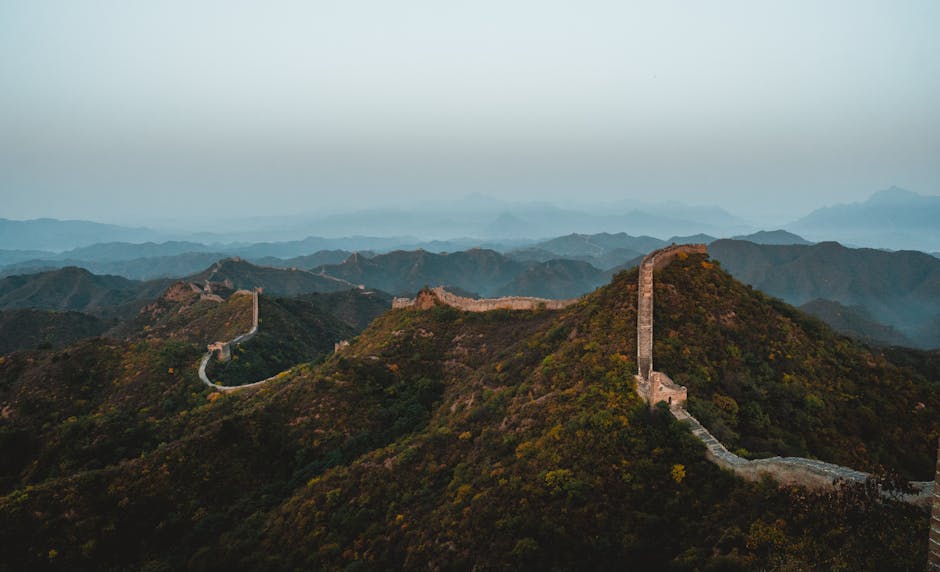
Stretching across the rugged landscape of northern China, the Great Wall stands as one of humanity's most remarkable architectural achievements. This ancient fortification has captured imaginations for centuries, yet many aspects of its history and construction remain surprising even to those familiar with its basic story. From misconceptions about its visibility to lesser-known facts about its builders and purpose, the Great Wall continues to reveal fascinating details about Chinese history and human ingenuity.

Remarkable Facts About This Ancient Wonder

1. The Wall Spans Multiple Dynasties and Centuries

Contrary to popular belief, the Great Wall was not built in a single continuous effort. Construction began as early as the 7th century BC when various Chinese states built their own defensive walls. The most famous sections were constructed during the Ming Dynasty (1368-1644 AD), but the wall we know today represents more than 2,000 years of intermittent building, rebuilding, and connecting of separate fortifications. Different dynasties contributed their own sections using varying techniques and materials, creating a complex patchwork of defensive structures rather than one unified project.

2. The Total Length Is Far Greater Than Commonly Reported

While many sources cite the Great Wall's length as approximately 5,500 miles, a comprehensive archaeological survey conducted by China's State Administration of Cultural Heritage revealed the actual length to be approximately 13,170 miles (21,196 kilometers). This measurement includes all the wall's branches, secondary sections, and fortifications built throughout different dynasties. The discrepancy exists because earlier estimates only counted the main Ming Dynasty walls, ignoring thousands of miles of earlier construction and defensive features.

3. It Cannot Actually Be Seen From Space

One of the most persistent myths about the Great Wall claims it is the only man-made structure visible from space with the naked eye. Astronauts and space agencies have repeatedly debunked this claim. While the wall is extremely long, it is relatively narrow—typically 15 to 30 feet wide—and often blends with the natural landscape. From low Earth orbit, the wall is essentially impossible to distinguish without magnification, just like any other narrow linear structure. This myth likely originated from exaggerated claims made centuries before space travel was possible.

4. Millions of Workers Perished During Construction

The human cost of building the Great Wall was staggering. Historians estimate that hundreds of thousands, possibly millions, of workers died during its construction over the centuries. Workers included soldiers, peasants, and prisoners who faced grueling conditions, inadequate food, and exposure to harsh weather. According to historical records and legend, many workers who died during construction were buried within or near the wall itself, though archaeological evidence for mass burials directly within the structure remains limited. The wall has been called "the longest cemetery on Earth" due to this tragic legacy.

5. Sticky Rice Mortar Provided Exceptional Strength

One of the Great Wall's engineering secrets was the innovative use of sticky rice mortar during the Ming Dynasty. Workers mixed glutinous rice flour with standard mortar made from slaked lime, creating a composite material of remarkable strength and durability. Modern scientific analysis has confirmed that this organic-inorganic combination produced mortar more resistant to water erosion and earthquakes than pure lime mortar. This ancient "super mortar" is one reason why many sections of the Ming Dynasty wall remain standing after centuries of exposure to the elements.

6. The Wall Features Sophisticated Military Architecture

Beyond being a simple barrier, the Great Wall incorporated advanced military design elements. The structure included watchtowers positioned at regular intervals for surveillance and communication, garrison stations for troops, and beacon towers that used smoke signals during the day and fire at night to transmit messages across vast distances. The wall's height and width varied strategically based on terrain and threat level, with some sections featuring crenellations, ramparts, and strategic gates. This sophisticated defensive system allowed relatively small numbers of defenders to monitor and protect extensive border regions.

7. Multiple Building Materials Were Used

The Great Wall's construction materials varied significantly depending on the local resources and the historical period. Early sections were built primarily from rammed earth, wood, and stone. The iconic brick and stone construction most visitors recognize today dates mainly from the Ming Dynasty. In desert regions, builders used tamped layers of sand and reed materials. Some sections incorporated whatever materials were available locally, including limestone blocks, granite, fired bricks, and even marble in certain areas. This diversity of materials reflects both the wall's extended construction timeline and the practical adaptations made across different geographical regions.

8. The Wall Failed to Prevent the Manchu Invasion

Despite its imposing presence, the Great Wall ultimately failed in its primary defensive purpose when it mattered most. In 1644, the Manchu forces that would establish the Qing Dynasty did not need to breach the wall through military force. Instead, a Ming general named Wu Sangui, facing internal rebellions, opened the gates at Shanhai Pass and allowed the Manchu army through. This historical irony demonstrates that walls, regardless of their magnificence, are only as effective as the political and social systems defending them. The wall's failure highlights the complex interplay between military infrastructure and human factors in historical conflicts.

9. Extensive Restoration Has Created Tourist-Friendly Sections

Many popular tourist sections of the Great Wall, including Badaling and Mutianyu near Beijing, have been extensively restored and reconstructed. While these renovations allow millions of visitors to safely experience the wall's grandeur, they sometimes present a misleading picture of its original condition. Much of the wall—possibly up to 30% of the Ming Dynasty construction—has deteriorated severely or disappeared entirely due to natural erosion, human activity, and stone theft. The unrestored "wild wall" sections offer a more authentic but potentially dangerous glimpse of the structure's actual historical state.

10. The Wall Served Multiple Non-Military Functions

While primarily built for defense, the Great Wall also facilitated border control, regulated trade, and controlled immigration and emigration. It served as an elevated highway for transporting troops and supplies across difficult terrain. The wall also symbolized the boundary between Chinese agricultural civilization and the nomadic peoples of the northern steppes, representing not just a physical barrier but a psychological and cultural divide. Customs stations along the wall collected duties on goods traveling along the Silk Road, making it an important economic infrastructure as well as a military one.

11. UNESCO Recognition Came Surprisingly Recently

Despite its ancient origins and global fame, the Great Wall was not designated as a UNESCO World Heritage Site until 1987. This recognition acknowledged the wall as "a masterpiece of human creative genius" and "an exceptional testimony to a civilization." The UNESCO designation has helped focus international attention on conservation efforts, though protecting such an extensive structure spanning diverse and often remote terrain presents ongoing challenges. The designation covers not just the Ming Dynasty walls but all wall structures built across different dynasties.

12. Modern Threats Endanger Its Preservation

Today, the Great Wall faces numerous preservation challenges beyond natural erosion. Urban development, mining, and infrastructure projects have destroyed sections of the wall. Graffiti, litter, and the sheer volume of tourist foot traffic damage accessible areas. In rural regions, local residents have historically taken bricks and stones from the wall for construction materials. Climate change accelerates erosion through increased weathering and vegetation growth. Chinese authorities have implemented stricter protection laws, including regulations prohibiting damage to the wall and establishing clearer boundaries for protected zones, but monitoring and preserving the entire structure remains an enormous undertaking requiring continued resources and international cooperation.

Conclusion

The Great Wall of China represents far more than an ancient defensive fortification. Its construction spans millennia, involved countless workers and dynasties, and employed innovative engineering solutions that modern science continues to study. While myths about its visibility from space persist, the true facts about its construction, purpose, and preservation reveal a more complex and fascinating story. From sticky rice mortar to its ultimate military failure, from the human cost of its construction to modern conservation challenges, the Great Wall embodies both the heights of human achievement and the sobering realities of historical infrastructure. As one of the world's most iconic structures, it continues to inspire wonder while reminding us of the importance of preserving our shared cultural heritage for future generations.
Top 10 Fun Facts About Horror Movie Classics

Top 10 Fun Facts About Horror Movie Classics

⏱️ 8 min read

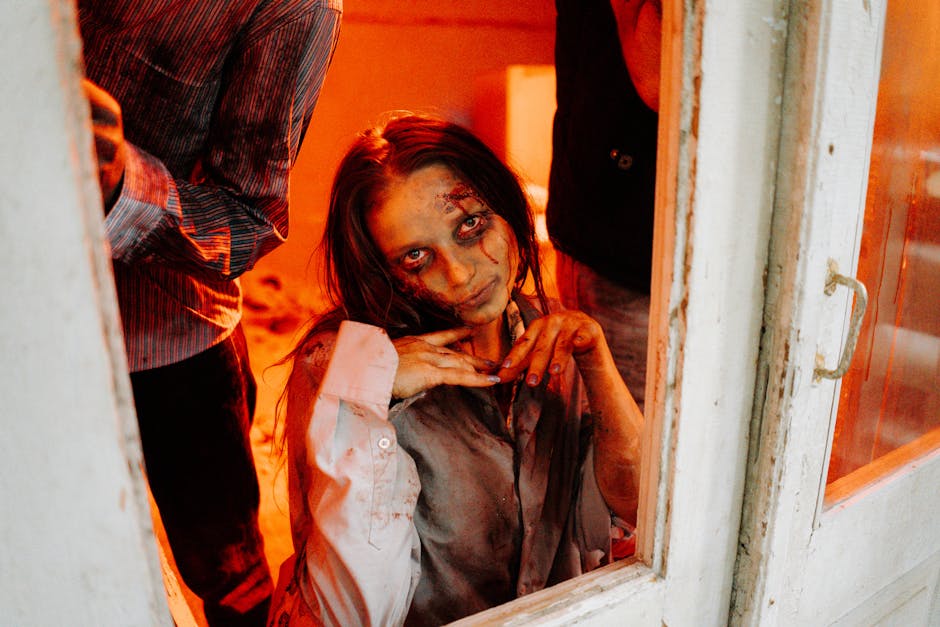
Horror movies have captivated audiences for over a century, delivering thrills, chills, and unforgettable cinematic moments. Behind the screams and scares lie fascinating stories of creative innovation, unexpected challenges, and surprising trivia that even die-hard fans might not know. These classic films have shaped the genre and influenced countless filmmakers, leaving an indelible mark on cinema history. From groundbreaking special effects to unusual casting decisions and production mishaps that turned into legendary moments, the making of these horror masterpieces is often as intriguing as the films themselves.

Behind-the-Scenes Stories from Iconic Horror Films

1. The Chest-Bursting Scene in Alien Was Kept Secret from the Cast

One of cinema's most shocking moments came from genuine surprise. Director Ridley Scott deliberately kept details of the chest-burster scene from most of the cast during the filming of "Alien" (1979). The actors knew something would emerge from John Hurt's chest, but they weren't prepared for the explosive nature of the effect or the volume of blood that would spray across the set. Veronica Cartwright's horrified reaction, when blood splattered directly onto her face, was completely authentic. This approach to capturing genuine fear and shock would influence horror filmmaking for decades to come, proving that sometimes the best performances come from real, unscripted reactions.

2. The Exorcist Caused Real-Life Panic and Medical Emergencies

When "The Exorcist" premiered in 1973, it became a cultural phenomenon that transcended typical movie-going experiences. Theaters reported audience members fainting, vomiting, and requiring medical attention during screenings. Some cities stationed ambulances outside theaters showing the film. The movie's impact was so profound that it sparked serious discussions about the psychological effects of horror cinema. The production itself was plagued by unusual accidents and incidents, leading some to believe the set was cursed. A fire destroyed most of the interior sets, though remarkably, Regan's bedroom remained untouched. These strange occurrences only added to the film's mystique and reputation as one of the most disturbing horror films ever made.

3. Anthony Perkins Wasn't Present for the Shower Scene in Psycho

Alfred Hitchcock's "Psycho" (1960) features one of the most iconic murder sequences in film history, yet the star of that scene, Anthony Perkins, wasn't even on set during its filming. The shower scene took seven days to shoot and required 77 different camera angles and 50 cuts to create its 45-second sequence. A body double stood in for Perkins during the actual stabbing shots. Hitchcock used chocolate syrup for blood because it showed up better on black-and-white film than stage blood. The screeching violin score became so synonymous with terror that it fundamentally changed how audiences perceived everyday activities like taking a shower.

4. The Texas Chain Saw Massacre Was Marketed as True Events

Tobe Hooper's "The Texas Chain Saw Massacre" (1974) opened with a claim that the film was based on true events, leading many viewers to believe they were watching a recreation of actual murders. While the character of Leatherface was loosely inspired by serial killer Ed Gein, the specific events depicted in the film were entirely fictional. This marketing strategy proved incredibly effective, creating an aura of documentary-style realism that intensified the horror. The film was shot in grueling conditions during a Texas summer, with temperatures exceeding 100 degrees Fahrenheit. The cast and crew worked in a farmhouse without air conditioning, and the smell from the decomposing animal parts used as props became overwhelming, adding to the production's nightmarish quality.

5. Halloween Was Shot on an Extremely Limited Budget

John Carpenter's "Halloween" (1978) became one of the most profitable independent films ever made, despite its minuscule budget of approximately $300,000. The iconic Michael Myers mask was actually a Captain Kirk mask from "Star Trek" that the production team purchased for less than two dollars and spray-painted white. The limited budget forced creative solutions throughout production: the leaves scattered in scenes meant to take place in autumn were actually painted brown because the film was shot in spring. Despite these constraints, or perhaps because of them, Carpenter created an atmospheric masterpiece that established many conventions of the slasher genre and launched Jamie Lee Curtis's career as a scream queen.

6. Nosferatu's Unauthorized Adaptation Nearly Destroyed All Copies

F.W. Murnau's "Nosferatu" (1922) was an unauthorized adaptation of Bram Stoker's "Dracula," created without permission from Stoker's estate. When Florence Stoker, the author's widow, learned of the film's existence, she sued for copyright infringement and won. The court ordered all copies of the film to be destroyed. Fortunately, several prints had already been distributed internationally, and these surviving copies preserved what is now considered a masterpiece of silent cinema and German Expressionism. Max Schreck's portrayal of Count Orlok created such an unsettling presence that decades later, a film called "Shadow of the Vampire" would playfully suggest that Schreck might have actually been a real vampire.

7. The Blair Witch Project Pioneered Found-Footage Marketing

Long before its 1999 release, "The Blair Witch Project" created an innovative marketing campaign that blurred the lines between fiction and reality. The filmmakers created a website suggesting the Blair Witch was real folklore and that the three student filmmakers had genuinely disappeared. Missing person posters for the actors were distributed, and many early viewers believed they were watching actual recovered footage. The film cost approximately $60,000 to make and earned nearly $250 million worldwide. The actors improvised much of their dialogue and were genuinely stressed, cold, and frightened during filming, as the directors would wake them in the middle of the night and leave them with minimal food to increase authenticity.

8. Night of the Living Dead Entered Public Domain Accidentally

George A. Romero's "Night of the Living Dead" (1968) revolutionized zombie films and created many conventions that define the genre today. However, due to a copyright error when the title was changed from "Night of the Flesh Eaters" just before release, the film accidentally entered the public domain immediately upon distribution. The original title card containing the copyright notice was replaced, but the new one omitted the copyright symbol. This mistake meant anyone could duplicate and distribute the film without paying royalties, costing the filmmakers millions in potential revenue. Despite this financial loss, the film's accessibility helped it become a cultural touchstone and ensured its status as one of the most watched and studied horror films in history.

9. The Shining's Typewriter Pages Were All Actually Typed

Stanley Kubrick's meticulous attention to detail in "The Shining" (1980) extended to seemingly minor props. The famous "All work and no play makes Jack a dull boy" scene required pages and pages of typed text. Rather than using copies or fake pages, the production team actually typed out hundreds of pages with the repeated phrase in different formats and arrangements. For international versions of the film, these pages were retyped in different languages with equivalent phrases, demonstrating Kubrick's obsessive perfectionism. The director was notorious for demanding dozens of takes; the baseball bat scene reportedly required 127 takes, holding a world record at the time. Shelley Duvall's exhausted, terrified performance was partly the result of this grueling production process.

10. Jaws Created the Summer Blockbuster Phenomenon

Steven Spielberg's "Jaws" (1975) not only terrified audiences but also fundamentally changed how Hollywood released and marketed films. Before "Jaws," major films typically opened in a few theaters and gradually expanded. "Jaws" pioneered the wide-release strategy, opening in over 400 theaters simultaneously with extensive television advertising. This approach created the concept of the summer blockbuster. The production faced enormous challenges, primarily with the mechanical sharks (collectively nicknamed "Bruce") that constantly malfunctioned in salt water. These technical difficulties forced Spielberg to suggest the shark's presence rather than show it constantly, accidentally creating far more suspense and terror than originally planned. The film's success established Spielberg as a major director and proved that horror and thriller elements could drive massive mainstream success.

The Lasting Legacy of Horror Innovation

These classic horror films demonstrate that memorable cinema often emerges from creative problem-solving, happy accidents, and bold risks. From budget constraints that sparked innovation to technical failures that enhanced suspense, the stories behind these movies reveal that the path to creating enduring art is rarely straightforward. The filmmakers' dedication to their craft, combined with fortuitous circumstances and occasionally genuine mishaps, produced works that continue to influence modern horror cinema. These ten facts illustrate how the greatest horror films transcend their genre, becoming cultural phenomena that shape not just filmmaking techniques but also marketing strategies, audience expectations, and the very language of cinema itself. Understanding the context and creation of these classics deepens our appreciation for both the films themselves and the artists who brought these nightmares to life.