
















1 / 20 Questions
0 Points

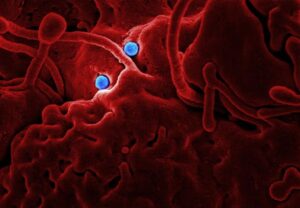
Which is typically bigger - a virus or a bacterium?

Virus

Bacterium

They're the same size

Depends on the type

Points won
0
Correct score
0%

More Questions

More Articles

Did You Know? 10 Interesting Facts About Forests

Did You Know? 10 Interesting Facts About Forests

⏱️ 7 min read

Forests cover approximately one-third of Earth's land surface and represent some of the most complex and vital ecosystems on our planet. These magnificent natural wonders harbor countless secrets that many people have yet to discover. From their incredible biodiversity to their crucial role in climate regulation, forests continue to surprise scientists and nature enthusiasts alike with their remarkable characteristics and capabilities. The following fascinating facts reveal the extraordinary nature of these green giants and underscore why their preservation remains essential for our planet's future.

Exploring the Wonders of Forest Ecosystems

1. Forests Produce More Than Just Oxygen

While most people know that forests produce oxygen through photosynthesis, few realize the full extent of their atmospheric contributions. The Amazon rainforest alone produces approximately 20% of the world's oxygen supply. However, forests also act as massive air purifiers, filtering pollutants and particulate matter from the atmosphere. Trees absorb harmful gases like carbon monoxide, sulfur dioxide, and nitrogen dioxide through their leaves and bark. A single mature tree can absorb up to 48 pounds of carbon dioxide per year, converting it into oxygen and biomass. Additionally, forests release phytoncides—organic compounds that boost human immune systems and provide that distinctive "forest smell" that many find so refreshing.

2. The Underground "Wood Wide Web" Connects Trees

Beneath the forest floor exists a sophisticated network of fungal threads called mycorrhizae that connects trees and plants in a symbiotic relationship scientists have dubbed the "wood wide web." This underground internet allows trees to communicate, share nutrients, and even warn each other about threats like insect infestations or drought conditions. Mother trees, the oldest and largest in the forest, use this network to nurture younger saplings by sharing carbon, nitrogen, and phosphorus. Research has shown that trees can recognize their own kin through this network and will preferentially share resources with their offspring. This discovery has revolutionized our understanding of forest ecology, revealing that trees are not isolated individuals but members of a cooperative community.

3. Forests Are Home to 80% of Terrestrial Biodiversity

Despite covering only 31% of the world's land surface, forests harbor approximately 80% of all terrestrial species of animals, plants, and insects. Tropical rainforests, which represent just 6% of Earth's surface, contain more than half of the world's plant and animal species. A single hectare of rainforest can contain over 400 species of trees alone. This incredible biodiversity includes countless species that remain undiscovered—scientists estimate that millions of forest-dwelling organisms have yet to be identified and studied. From microscopic fungi to massive elephants, forests provide habitat, food, and shelter for an astounding variety of life forms, making them irreplaceable reservoirs of biological diversity.

4. Ancient Forests Hold Thousands of Years of History

Old-growth forests, sometimes called primary or virgin forests, are ecosystems that have remained largely undisturbed by human activity for centuries or even millennia. These ancient woodlands contain trees that can live for thousands of years, with some bristlecone pines in California exceeding 5,000 years of age. Old-growth forests possess unique characteristics that younger forests cannot replicate, including complex structural diversity, massive standing dead trees, and thick layers of decomposing material on the forest floor. These forests serve as living libraries, storing information about historical climate patterns, atmospheric conditions, and ecological changes in their tree rings and soil layers. Unfortunately, only a small fraction of the world's original old-growth forests remain intact today.

5. Forests Create Their Own Weather Patterns

Large forest systems, particularly tropical rainforests, play a crucial role in generating their own precipitation through a process called evapotranspiration. Trees release water vapor through their leaves, which rises into the atmosphere and forms clouds, eventually returning as rainfall. The Amazon rainforest creates approximately 50% of its own precipitation through this process. Additionally, forests influence local and regional climate by moderating temperatures, reducing wind speeds, and maintaining humidity levels. Scientists have discovered that deforestation in one region can affect rainfall patterns thousands of miles away, demonstrating the far-reaching impact of forests on global weather systems.

6. Forest Soil Contains Massive Carbon Reserves

While trees themselves store significant amounts of carbon, forest soils contain even more—approximately twice as much carbon as the atmosphere and three times more than all vegetation combined. The top meter of forest soil holds about 73% of all soil carbon globally. This carbon comes from decomposing plant material, root systems, and the countless microorganisms that break down organic matter. When forests are destroyed or degraded, this stored carbon is released into the atmosphere as carbon dioxide, contributing to climate change. Protecting forest soils is therefore just as crucial as protecting the trees themselves in the fight against global warming.

7. Trees Communicate Through Chemical Signals

Beyond the underground fungal network, trees also communicate through the air by releasing volatile organic compounds. When a tree is attacked by insects or diseases, it emits specific chemical signals that neighboring trees can detect. Upon receiving these warning signals, nearby trees activate their own defense mechanisms, producing compounds that make their leaves less palatable or more toxic to potential threats. Some trees even release chemicals that attract predatory insects that feed on the harmful pests attacking them. This sophisticated chemical communication system demonstrates a level of awareness and responsiveness in trees that challenges traditional views of plants as passive organisms.

8. Forests Provide Livelihoods for 1.6 Billion People

Nearly one-quarter of the world's population depends directly on forests for their survival and livelihoods. This includes approximately 300 million people who live in forests, many of them belonging to indigenous communities with deep cultural connections to their forest homes. Forests provide timber, fuel wood, food, medicines, and other resources essential for human well-being. Additionally, forest-based industries employ millions of people worldwide in sectors ranging from sustainable timber harvesting to ecotourism. The economic value of forests extends far beyond their commercial products, encompassing ecosystem services like water purification, flood control, and climate regulation that benefit all of humanity.

9. Mangrove Forests Protect Coastlines and Marine Life

Mangrove forests, found in tropical and subtropical coastal regions, represent a unique type of forest ecosystem that exists at the intersection of land and sea. These remarkable forests can tolerate saltwater and serve as crucial buffers against storms, tsunamis, and coastal erosion. Mangrove roots trap sediment and reduce wave energy, protecting shorelines and human communities from natural disasters. They also serve as nurseries for approximately 75% of commercial fish species and provide habitat for countless marine organisms. Despite their importance, mangrove forests are among the most threatened ecosystems on Earth, with nearly 35% having been destroyed in the past few decades due to coastal development, aquaculture, and pollution.

10. Forests Influence Mental and Physical Health

Scientific research has confirmed what many people instinctively know—spending time in forests provides significant health benefits. The Japanese practice of "forest bathing" or shinrin-yoku has gained worldwide recognition for its therapeutic effects. Studies show that walking in forests reduces stress hormones, lowers blood pressure, improves mood, boosts immune function, and enhances cognitive performance. The presence of phytoncides released by trees, the reduction in noise pollution, and the visual beauty of forest environments all contribute to these health benefits. Urban forests and parks provide these advantages to city dwellers, highlighting the importance of maintaining green spaces in populated areas.

Conclusion

These ten remarkable facts barely scratch the surface of what makes forests so extraordinary. From their complex underground networks to their global impact on climate and biodiversity, forests prove themselves to be far more sophisticated and vital than many people realize. They are not merely collections of trees but intricate, interconnected ecosystems that support life in countless ways. As humanity faces unprecedented environmental challenges, understanding and appreciating these forest facts becomes increasingly important. The preservation and restoration of forests worldwide must remain a priority, ensuring that future generations can continue to benefit from and marvel at these irreplaceable natural treasures.

Did You Know? 15 Movies That Predicted the Future

Did You Know? 15 Movies That Predicted the Future

⏱️ 6 min read

Hollywood has long been a playground for visionaries, filmmakers who dared to imagine what tomorrow might bring. While some predictions seem fantastical, others have come remarkably close to reality. From communication devices to surveillance technology, certain films have demonstrated an uncanny ability to forecast technological and societal developments decades before they occurred. This exploration examines fifteen remarkable instances where cinema's crystal ball proved surprisingly accurate.

Entertainment and Cinema Predictions

1. 2001: A Space Odyssey's Video Calling Technology

Stanley Kubrick's 1968 masterpiece showcased video calling long before Skype or FaceTime existed. The film depicted astronauts making video calls to Earth, complete with flat-screen displays. Today, video conferencing has become an integral part of daily life, from business meetings to family conversations. The film also predicted tablet computers, showing characters reading news on flat, electronic devices remarkably similar to modern iPads.

2. Back to the Future Part II's Wearable Technology

The 1989 sequel imagined 2015 with impressive accuracy in several areas. While we don't have flying cars yet, the film correctly predicted video conferencing, flat-screen TVs mounted on walls, wearable technology like smart glasses, and even biometric security systems. The movie's depiction of hands-free gaming systems also foreshadowed motion-controlled gaming consoles like the Nintendo Wii and Xbox Kinect.

3. Minority Report's Gesture-Based Computing

Steven Spielberg's 2002 thriller consulted with futurists to create a believable vision of 2054. The film's gesture-based computer interfaces seemed like pure science fiction at the time, but touchscreen technology and motion-sensing devices have made this a reality. The movie also predicted personalized advertising based on retinal scanning, which parallels today's targeted digital advertising using facial recognition and behavioral tracking.

Communication Technology Predictions

4. Star Trek's Communicators and Universal Translators

The original Star Trek series, which aired from 1966 to 1969, featured handheld communicators that flip open—a clear precursor to flip phones. The show also imagined universal translators, devices that could instantly translate alien languages. Today's smartphones feature real-time translation apps that can convert spoken and written language instantly, making this science fiction concept a practical reality for global travelers.

5. The Truman Show's Reality Television and Surveillance Culture

This 1998 film predicted the explosion of reality television before shows like Big Brother and Survivor dominated airwaves. More prophetically, it foresaw our current surveillance culture, where cameras monitor public spaces constantly and people willingly share their lives online. The movie's exploration of privacy erosion and the monetization of everyday life eerily mirrors social media platforms and influencer culture.

Artificial Intelligence and Robotics

6. Her's AI Companions and Virtual Relationships

Spike Jonze's 2013 film depicted a man falling in love with an AI operating system. While this seemed far-fetched at release, virtual assistants like Siri, Alexa, and Google Assistant have become household companions. People regularly interact with AI for emotional support, and chatbot relationships have become increasingly sophisticated, raising questions about human connection in the digital age that the film presciently explored.

7. Wall-E's Automated Society and Environmental Concerns

Pixar's 2008 animated film imagined a future where humans became sedentary, relying entirely on automation while Earth became covered in waste. The movie's vision of people constantly connected to screens, automated transport systems, and environmental degradation reflects growing concerns about climate change, electronic waste, and increasingly sedentary lifestyles driven by technology dependence.

8. Blade Runner's Biotechnology and Genetic Engineering

Ridley Scott's 1982 classic explored bioengineered beings called replicants. While we haven't created artificial humans, advances in genetic engineering, cloning, and synthetic biology have made aspects of this vision reality. CRISPR technology allows precise genetic editing, raising ethical questions about human enhancement that the film explored decades ago. The movie's exploration of what defines humanity remains remarkably relevant.

Social and Political Predictions

9. The Net's Digital Identity Theft

This 1995 thriller starring Sandra Bullock centered on digital identity theft and cybercrime. At the time, internet usage was limited, but the film accurately predicted how vulnerable digital identities would become. Today, data breaches, identity theft, and online fraud are major concerns, with millions of people affected annually. The movie's warnings about digital security proved prescient as society moved increasingly online.

10. Robocop's Privatized Law Enforcement

The 1987 film imagined corporations running police departments and law enforcement becoming privatized. While full privatization hasn't occurred, private security firms have grown exponentially, and debates about private prisons and corporate influence in public safety continue. The film's satirical take on corporate culture infiltrating public services reflects ongoing discussions about privatization of government functions.

Technology and Daily Life

11. Total Recall's Self-Driving Cars

Arnold Schwarzenegger's 1990 action film featured autonomous vehicles navigating city streets. Three decades later, self-driving cars are being tested worldwide, with companies like Tesla, Waymo, and Uber investing billions in autonomous vehicle technology. While fully autonomous vehicles aren't yet ubiquitous, the technology has advanced significantly, making this prediction increasingly realistic.

12. Enemy of the State's Mass Surveillance

This 1998 thriller depicted government agencies using satellite technology, facial recognition, and location tracking to monitor citizens. The film seemed paranoid at the time, but revelations about NSA surveillance programs and the proliferation of security cameras have validated these concerns. Modern smartphones, GPS tracking, and facial recognition technology have made this level of surveillance possible and increasingly common.

13. The Matrix's Virtual Reality Simulation

The Wachowskis' 1999 masterpiece imagined humans living in a virtual reality simulation. While we haven't reached that extreme, VR technology has advanced dramatically. Virtual reality headsets offer immersive experiences for gaming, training, and social interaction. The metaverse concept and augmented reality applications show society moving toward increasingly digital existences, echoing the film's themes.

Medical and Scientific Advances

14. Gattaca's Genetic Discrimination

This 1997 film explored a society where genetic engineering created classes of citizens based on DNA. As genetic testing becomes more accessible and affordable, concerns about genetic privacy and discrimination have emerged. Insurance companies and employers having access to genetic information raises ethical questions the film examined. Prenatal genetic testing and designer baby debates make Gattaca's warnings increasingly relevant.

15. Soylent Green's Overpopulation and Resource Scarcity

The 1973 film depicted a dystopian 2022 suffering from overpopulation, pollution, and food scarcity. While not as extreme as portrayed, many of these concerns have materialized. Climate change, resource depletion, and food security are major global challenges. The film's exploration of environmental collapse and unsustainable consumption patterns resonates strongly with current environmental crises and sustainability discussions.

Conclusion

These fifteen films demonstrate cinema's remarkable ability to anticipate technological, social, and environmental developments. Whether through careful research, consultation with experts, or pure creative intuition, filmmakers have repeatedly glimpsed tomorrow's challenges and innovations. While not every prediction materialized exactly as depicted, the underlying themes and concerns have proven prophetic. These movies remind us that science fiction often serves as a valuable tool for exploring potential futures, warning of dangers, and inspiring innovation. As technology continues advancing at accelerating rates, today's seemingly impossible science fiction may become tomorrow's reality, making these cinematic predictions both entertaining and sobering reflections on humanity's trajectory.