











1 / 10 Questions
0 Points

What Fruit Got A Total Name Makeover From Chinese Gooseberry?

Starfruit

Kiwi

Lychee

Dragon Fruit

Points won
0
Correct score
0%

More Questions

More Articles

Top 10 Fun Facts About Pop Music Evolution

Top 10 Fun Facts About Pop Music Evolution

⏱️ 6 min read

Pop music has undergone remarkable transformations since its inception, constantly reinventing itself to reflect cultural shifts, technological advances, and changing listener preferences. From the birth of rock and roll to the digital streaming revolution, pop music's journey reveals fascinating stories about innovation, rebellion, and the universal human need for catchy melodies. These surprising facts illuminate how pop music became the dominant cultural force it is today.

The Fascinating Journey of Pop Music

1. The Term "Pop Music" Didn't Exist Until the 1950s

While we now use "pop music" to describe chart-topping hits, the term itself only emerged in the mid-1950s. Before this, popular music was simply called "popular song" or categorized by specific genres like jazz, swing, or big band. The abbreviation "pop" gained traction as rock and roll began dominating airwaves, creating a need to distinguish this new, youth-oriented sound from traditional popular music. Interestingly, the term was initially used somewhat derisively by music critics who viewed it as commercially driven and less artistically serious than other genres.

2. The Beatles Changed Recording Technology Forever

The Beatles didn't just write memorable songs—they revolutionized how music was recorded. Working with producer George Martin at Abbey Road Studios, they pioneered techniques like automatic double tracking, reverse tape effects, and multitrack recording. Their 1967 album "Sgt. Pepper's Lonely Hearts Club Band" utilized all four tracks of the studio's equipment in ways never attempted before, layering sounds and creating sonic textures that were previously impossible. This experimental approach transformed recording studios from simple documentation spaces into creative instruments themselves, influencing every pop artist who followed.

3. MTV's Launch Created the Music Video Revolution

When MTV debuted on August 1, 1981, with the prophetic video "Video Killed the Radio Star" by The Buggles, it fundamentally altered pop music's landscape. Suddenly, visual presentation became as crucial as musical talent. Artists like Madonna, Michael Jackson, and Duran Duran understood that compelling visuals could make or break a career. Michael Jackson's "Thriller" video, a 14-minute cinematic production costing $500,000, set new standards for production values. This shift meant that pop stars needed to be complete entertainers—dancers, actors, and fashion icons—not just singers.

4. Auto-Tune Was Originally Designed for Oil Companies

One of pop music's most controversial tools started life in the petroleum industry. Dr. Andy Hildebrand developed the technology behind Auto-Tune to interpret seismic data for oil exploration. In 1997, he repurposed this algorithm to correct pitch in vocal recordings. While initially intended as a subtle correction tool, Cher's 1998 hit "Believe" popularized the distinctive robotic effect by using Auto-Tune at extreme settings. This sparked a revolution in pop production, with artists from T-Pain to Kanye West embracing the effect as a creative choice rather than a correction tool.

5. The British Invasion Reversed America's Musical Export

For the first time in popular music history, British artists dominated American charts during the mid-1960s. The Beatles, The Rolling Stones, The Who, and The Kinks invaded American radio, accounting for nearly 30% of songs on Billboard's Hot 100 at the movement's peak. The irony? These British bands were heavily influenced by American blues, rock and roll, and R&B artists. They essentially reimagined American music and sold it back to Americans, creating a transatlantic feedback loop that enriched both countries' musical landscapes and established the template for global pop music exchange.

6. Disco's Death Was Literally Explosive

On July 12, 1979, Chicago's Comiskey Park hosted "Disco Demolition Night," where thousands of disco records were blown up between games of a baseball doubleheader. The event, fueled by rock fans' resentment of disco's dominance, turned into a riot requiring police intervention. While seemingly just an anti-disco protest, the event had darker undertones of homophobia and racism, as disco was closely associated with LGBTQ+ and Black communities. The backlash effectively ended disco's mainstream dominance overnight, though its influence continued through dance, house, and electronic music.

7. Napster's 409-Day Existence Changed Music Forever

From June 1999 to July 2001, the file-sharing service Napster operated legally before being shut down for copyright infringement. In just over a year, it fundamentally disrupted the music industry's business model. At its peak, Napster had 80 million registered users sharing music freely, causing CD sales to plummet. While the service was eventually shut down, it proved that consumers wanted digital, on-demand access to music. This forced the industry to adapt, eventually leading to iTunes, Spotify, and the streaming revolution that defines how we consume pop music today.

8. The Motown Hit Factory Operated Like an Assembly Line

Berry Gordy modeled his legendary Motown Records after the Detroit automobile factories surrounding his studio. He created an actual assembly line for hit songs, with specialized teams handling songwriting, arranging, recording, and artist development. The famous "Funk Brothers" house band recorded on countless hits, while the songwriting trio Holland-Dozier-Holland crafted formula-based songs designed for commercial success. This systematic approach produced an unprecedented number of hits—357 songs reached the Top 100 between 1960 and 1969—proving that pop music success could be engineered through disciplined processes.

9. Streaming Services Shortened Song Lengths Dramatically

The average pop song duration has decreased significantly in the streaming era, dropping from over four minutes in the 2000s to around three minutes today. This shift stems from streaming economics: artists get paid per stream, and shorter songs encourage more plays. Additionally, streaming platforms prioritize keeping listeners engaged, and front-loading hooks within the first 30 seconds ensures songs aren't skipped. This has led to structural changes in pop music, with many songs now skipping traditional intros and verses, jumping straight to catchy choruses designed for playlist placement and social media virality.

10. K-Pop's Global Dominance Follows a Government Blueprint

South Korea's government deliberately cultivated K-pop as a cultural export following the 1997 Asian financial crisis. Recognizing soft power's economic potential, they invested in entertainment infrastructure, relaxed censorship, and created the Korean Creative Content Agency to promote cultural products globally. Entertainment companies developed rigorous training systems, producing highly polished performers through years of practice. This strategic approach paid off spectacularly, with K-pop generating billions in revenue and groups like BTS achieving unprecedented global success, proving that pop music dominance can result from calculated cultural policy as much as organic artistic development.

The Continuing Evolution

These ten facts reveal that pop music's evolution has never been purely about music itself. Technology, economics, politics, and cultural movements have all shaped what we hear on the radio and streaming services. From recording innovations to distribution revolutions, from cultural backlashes to government strategies, pop music reflects broader societal changes while simultaneously influencing them. As artificial intelligence, virtual reality, and new platforms emerge, pop music will undoubtedly continue evolving in ways we cannot yet predict, adding new chapters to its already remarkable story.
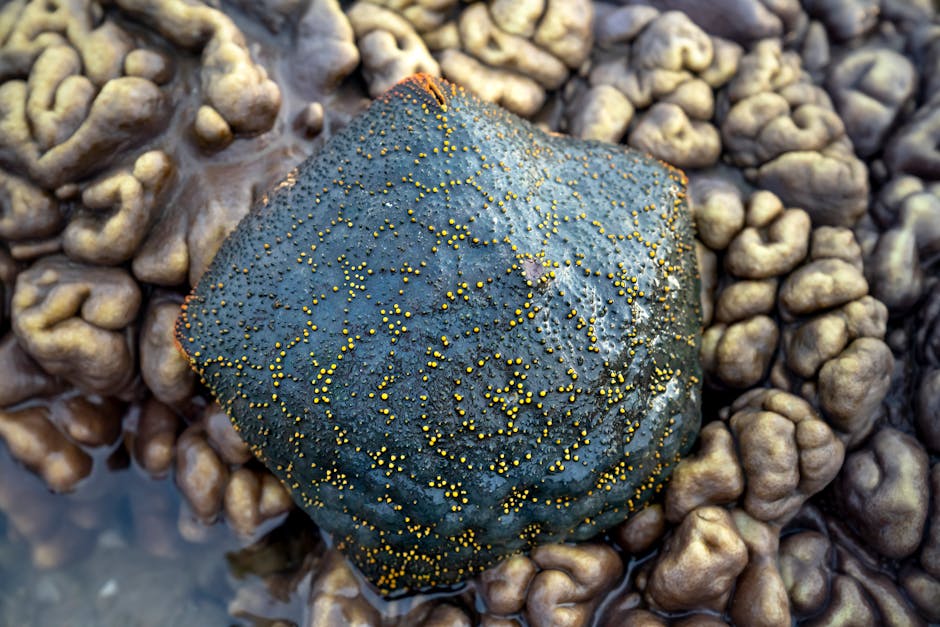
Did You Know? 15 Facts About Coral Reefs

Did You Know? 15 Facts About Coral Reefs

⏱️ 7 min read

Beneath the ocean's surface lies one of Earth's most vibrant and vital ecosystems. Coral reefs, often called the "rainforests of the sea," support an extraordinary diversity of marine life while providing essential services to millions of people worldwide. These underwater structures are far more complex and fascinating than most realize, harboring secrets that continue to amaze scientists and ocean enthusiasts alike. Here are fifteen remarkable facts that reveal the wonder of these marine marvels.

Understanding Coral Reef Magnificence

1. Coral Reefs Are Living Animal Colonies

Despite their plant-like appearance and rock-hard structures, coral reefs are actually composed of thousands of tiny animals called polyps. These soft-bodied creatures belong to the same animal group as jellyfish and sea anemones. Each polyp secretes calcium carbonate, which forms a hard exoskeleton around its body. Over time, as generations of polyps live and die, their skeletons accumulate to create the massive reef structures we see today. Individual polyps are typically only a few millimeters in diameter, yet their collective efforts build some of the largest living structures on Earth.

2. They Cover Less Than One Percent of the Ocean Floor

Coral reefs occupy less than 0.1% of the world's ocean surface, yet this tiny fraction supports an estimated 25% of all marine species. This incredible biodiversity concentration makes coral reefs among the most productive ecosystems on the planet. Scientists estimate that over one million different species of fish, invertebrates, and plants depend on coral reef habitats for survival, making these ecosystems biodiversity hotspots unrivaled in the marine environment.

3. The Great Barrier Reef Is Visible from Space

Australia's Great Barrier Reef stretches over 2,300 kilometers along the Queensland coast, making it the largest living structure on Earth. This massive reef system is so expansive that astronauts can see it from space without magnification. Composed of approximately 2,900 individual reefs and 900 islands, the Great Barrier Reef covers an area of roughly 344,400 square kilometers, larger than the United Kingdom, Holland, and Switzerland combined.

4. Coral Reefs Are Incredibly Slow Growers

Reef-building corals grow at remarkably slow rates, typically between 0.3 to 2 centimeters per year for branching corals and even slower for massive coral formations. Some large coral colonies can be hundreds or even thousands of years old. This incredibly slow growth rate makes coral reefs particularly vulnerable to damage, as it can take decades or centuries for reefs to recover from destruction caused by storms, pollution, or human activities.

5. Symbiotic Algae Give Corals Their Color

The brilliant colors that make coral reefs so visually stunning actually come from microscopic algae called zooxanthellae that live within coral tissues. These single-celled organisms have a symbiotic relationship with corals, providing them with up to 90% of their energy through photosynthesis. In return, the algae receive protection and access to sunlight. When corals become stressed by environmental changes, they expel these algae, causing coral bleaching and revealing the white calcium carbonate skeleton beneath.

Ecological Importance and Marine Connections

6. Coral Reefs Protect Coastlines from Erosion

Coral reefs act as natural barriers that protect coastal communities from waves, storms, and erosion. They can reduce wave energy by up to 97%, significantly decreasing the impact of tropical storms and tsunamis on shorelines. This protective function becomes increasingly important as climate change intensifies storm patterns and raises sea levels. Scientists estimate that coral reefs provide coastal protection services worth billions of dollars annually by preventing flood damage to coastal properties and infrastructure.

7. Over Half a Billion People Depend on Reefs

Approximately 500 million people worldwide rely directly on coral reefs for food, income, and coastal protection. For many island nations and coastal communities, particularly in developing countries, reef fish provide the primary source of protein. Coral reefs also support tourism industries worth billions of dollars annually and provide livelihoods for fishermen, dive operators, and countless other marine-dependent businesses.

8. Coral Reefs Are Medicine Cabinets of the Sea

Marine organisms living in coral reef ecosystems produce chemical compounds that have led to important medical breakthroughs. Researchers have developed treatments for cancer, arthritis, bacterial infections, and viruses from reef organisms. The unique conditions of coral reefs, including intense competition for space and resources, have driven the evolution of numerous bioactive compounds that organisms use for defense and survival. Scientists believe that many more potential pharmaceutical discoveries await in these underwater pharmacies.

9. Parrotfish Produce Beach Sand

A single parrotfish, one of the colorful species commonly found on coral reefs, can produce up to 450 kilograms of sand per year. These fish feed by scraping algae from coral surfaces using their beak-like teeth, inadvertently consuming chunks of coral skeleton in the process. After digesting the algae, they excrete the ground-up coral as fine white sand. The stunning white sand beaches found near coral reefs are largely composed of parrotfish excrement mixed with fragments of coral and other calcium carbonate materials.

Threats and Conservation Challenges

10. Coral Bleaching Is Increasing in Frequency

Coral bleaching events, caused primarily by rising ocean temperatures, have become more frequent and severe in recent decades. When water temperatures rise just 1-2 degrees Celsius above normal summer maximums, corals expel their symbiotic algae, turning white and becoming vulnerable to starvation and disease. While corals can recover if conditions improve quickly, prolonged bleaching leads to widespread coral death. The past few decades have witnessed several global bleaching events, with the 2014-2017 event affecting reefs in every major ocean basin.

11. Ocean Acidification Threatens Reef Formation

As the ocean absorbs increasing amounts of carbon dioxide from the atmosphere, seawater becomes more acidic, making it harder for corals to build their calcium carbonate skeletons. Ocean acidification reduces the availability of carbonate ions that corals need for skeleton formation, effectively weakening reef structures and slowing growth rates. Scientists predict that if current trends continue, many coral reefs may begin dissolving faster than they can rebuild by the end of this century.

12. Deep-Sea Corals Exist in Cold, Dark Waters

While tropical coral reefs receive the most attention, cold-water corals thrive in deep, dark ocean environments where temperatures hover just above freezing. These corals don't rely on photosynthetic algae and instead capture food particles from ocean currents. Deep-sea coral formations can be found at depths exceeding 2,000 meters and create important habitats for numerous deep-sea species. Some deep-sea corals are among the oldest living organisms on Earth, with certain species estimated to be over 4,000 years old.

13. Coral Spawning Creates Underwater Snowstorms

Once a year, many coral species participate in a synchronized mass spawning event, releasing millions of eggs and sperm into the water simultaneously. This spectacular phenomenon often occurs on specific nights following a full moon and creates underwater scenes resembling inverted snowstorms. The precise timing ensures maximum fertilization success and overwhelms predators with sheer numbers. Scientists believe corals coordinate this timing using environmental cues including water temperature, day length, and lunar cycles.

14. Mangroves and Seagrass Beds Are Reef Partners

Coral reefs don't exist in isolation but form interconnected ecosystems with nearby mangrove forests and seagrass beds. Mangroves serve as nurseries for juvenile reef fish, provide nutrients that support reef productivity, and filter sediments that would otherwise smother corals. Seagrass beds stabilize seafloor sediments and provide feeding grounds for species like sea turtles and dugongs. Protecting coral reefs requires preserving these connected habitats as an integrated coastal ecosystem.

15. Restoration Efforts Are Bringing Hope

Despite the numerous threats facing coral reefs, innovative restoration techniques are showing promising results. Scientists and conservationists are developing coral nurseries where fragments are grown and then transplanted to degraded reefs. Researchers are also identifying and cultivating heat-resistant coral strains that may better withstand warming oceans. Additionally, 3D-printed reef structures and artificial substrates are being deployed to provide frameworks for coral colonization. While restoration alone cannot solve all reef problems, these efforts buy time while society addresses the root causes of coral decline.

The Future of Coral Reefs

Coral reefs represent irreplaceable treasures that provide ecological, economic, and cultural value to humanity. From their role as biodiversity hotspots supporting millions of species to their function as coastal protectors and sources of human livelihoods, these ecosystems deliver services worth hundreds of billions of dollars annually. Understanding these fifteen fascinating aspects of coral reefs underscores both their remarkable nature and their vulnerability. The future of coral reefs depends on global efforts to reduce carbon emissions, minimize local stressors like pollution and overfishing, and implement effective conservation strategies. By appreciating the wonder of coral reefs and recognizing their importance, society can work toward ensuring these magnificent ecosystems survive for future generations to study, enjoy, and depend upon.