





1 / 10 Questions
0 Points

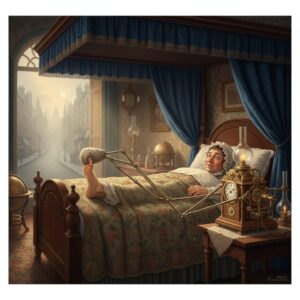
Which bizarre Victorian alarm clock yanked your big toe to wake you up?

The Foot Rouser

The Toe-Puller Alarm Clock

The Pedal Awakener

The Morning Glory

Points won
0
Correct score
0%

More Questions

More Articles

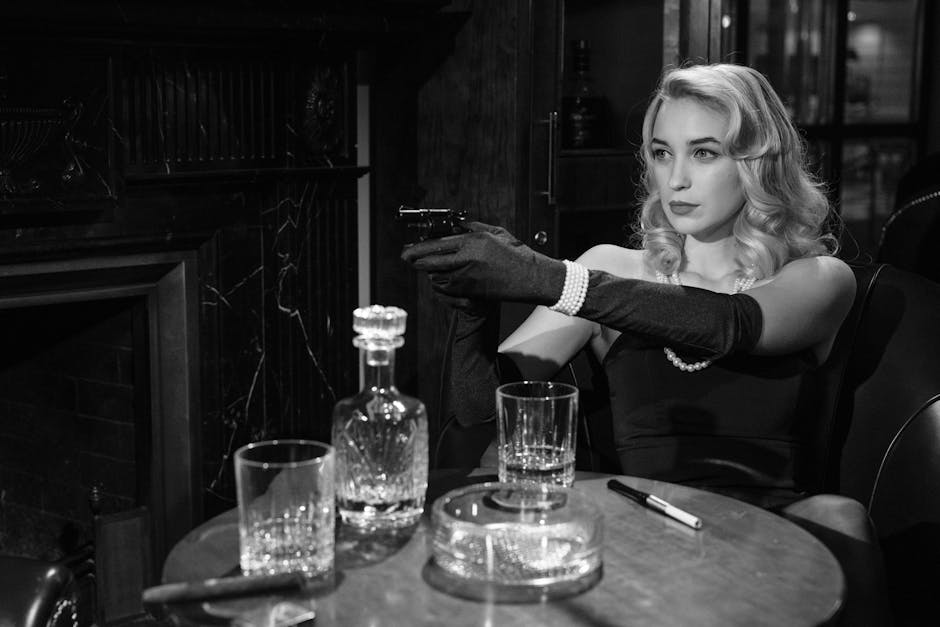
Top 10 Horror Films That Redefined the Genre

Top 10 Horror Films That Redefined the Genre

⏱️ 6 min read

Horror cinema has undergone numerous transformations since its inception, with certain films serving as pivotal moments that forever changed how filmmakers approach fear and how audiences experience terror. These groundbreaking works didn't just scare viewers—they introduced innovative techniques, challenged conventions, and established new subgenres that continue to influence horror filmmaking today. From psychological dread to visceral terror, these ten films represent quantum leaps in the evolution of horror cinema.

The Films That Changed Everything

1. Psycho (1960) - The Birth of the Modern Slasher

Alfred Hitchcock's masterpiece shattered audience expectations and established conventions that would define horror for decades. By killing off the apparent protagonist halfway through the film, Hitchcock proved that no character was safe, creating unprecedented tension. The infamous shower scene became one of cinema's most iconic moments, demonstrating how effective editing, music, and suggestion could be more terrifying than explicit violence. The film's exploration of split personality and mommy issues introduced psychological complexity to horror villains, moving beyond simple monster archetypes. Its success proved that horror could be both critically acclaimed and commercially successful, legitimizing the genre in mainstream cinema.

2. Night of the Living Dead (1968) - Zombie Apocalypse Blueprint

George A. Romero's low-budget independent film created the modern zombie mythos from scratch. Before this film, zombies were merely voodoo-controlled servants; Romero transformed them into flesh-eating ghouls that represented a world-ending threat. The film's bleak social commentary, unconventional casting of an African American hero, and nihilistic ending challenged Hollywood norms. Its depiction of humanity's collapse under crisis and the idea that the living posed as much threat as the dead established templates that persist in zombie media today. The film proved that independent horror could achieve cultural impact without studio backing.

3. The Exorcist (1973) - Elevating Horror to High Art

William Friedkin's demonic possession tale brought unprecedented production values and serious dramatic performances to horror cinema. The film's realistic approach to the supernatural, grounding otherworldly terror in a believable family drama, made the horror more impactful. Its controversial content—including the desecration of religious imagery and a child in extreme peril—pushed boundaries of what was acceptable in mainstream cinema. The Exorcist became the first horror film nominated for Best Picture at the Academy Awards, forever changing Hollywood's perception of the genre's artistic potential and commercial viability.

4. The Texas Chain Saw Massacre (1974) - Raw Brutality as Cinematic Art

Tobe Hooper's grimy, documentary-style nightmare revolutionized horror aesthetics with its gritty realism and relentless intensity. Despite containing relatively little actual gore, its implication and atmosphere created an overwhelming sense of dread. The film's depiction of a family of cannibals in rural America tapped into fears about the dark underbelly of the American heartland. Its guerrilla filmmaking style and visceral energy inspired countless imitators and established the template for the "survival horror" subgenre. The character of Leatherface became an icon, proving that horror villains didn't need supernatural powers to be terrifying.

5. Halloween (1978) - The Slasher Formula Perfected

John Carpenter's suburban nightmare crystallized the slasher film into its definitive form. The film's point-of-view shots from the killer's perspective, the use of a holiday setting, and the concept of the "final girl" established tropes that defined 1980s horror. Michael Myers, with his featureless mask and inexplicable evil, became the prototype for countless masked killers. Carpenter's minimalist synthesizer score proved that music could be as effective as visuals in creating terror. Made for just $300,000, its massive success demonstrated the profitability of low-budget horror and spawned an entire industry of slasher films.

6. The Shining (1980) - Psychological Horror as Cinematic Poetry

Stanley Kubrick's adaptation transformed Stephen King's haunted hotel story into a meditation on isolation, madness, and cyclical violence. The film's meticulous composition, innovative Steadicam work, and ambiguous narrative elevated horror cinematography to new heights. By leaving many elements unexplained and open to interpretation, Kubrick created a film that rewarded repeated viewing and analysis. The Overlook Hotel became a character itself, demonstrating how setting could drive psychological horror. Despite initial mixed reception, the film's influence on atmospheric, ambiguous horror cinema cannot be overstated.

7. A Nightmare on Elm Street (1984) - Blurring Reality and Dreams

Wes Craven's inventive slasher broke new ground by making sleep itself dangerous, creating inescapable horror. Freddy Krueger, with his personality and dark humor, transformed the horror villain from silent killer to theatrical performer. The film's surreal dream sequences allowed for creative visual effects and rule-breaking scenarios impossible in reality-based horror. Its exploration of parental sins and guilt added psychological depth to the slasher formula. The concept that dreams could kill introduced existential dread to teen horror, making the genre more philosophically complex.

8. The Blair Witch Project (1999) - Found Footage Revolution

This micro-budget phenomenon pioneered modern found footage horror and demonstrated the power of viral marketing. By presenting fictional events as real documentary footage and blurring the lines between reality and fiction, the filmmakers created unprecedented immersion. The film's minimalist approach—showing almost nothing while suggesting everything—proved that imagination and atmosphere could be more effective than special effects. Its success inspired a wave of found footage films and changed how independent horror could be produced and marketed in the digital age.

9. The Sixth Sense (1999) - Twist Endings and Emotional Horror

M. Night Shyamalan's ghost story elevated horror through emotional depth and masterful narrative construction. The film demonstrated that horror could be poignant and tear-jerking while still delivering genuine scares. Its twist ending, which recontextualized everything that came before, set a new standard for horror storytelling and spawned countless imitators. By treating ghosts with empathy rather than pure terror, the film expanded horror's emotional palette. Its mainstream success and multiple Oscar nominations further legitimized horror as serious cinema.

10. Get Out (2017) - Social Commentary as Horror

Jordan Peele's directorial debut demonstrated how horror could directly address contemporary social issues while remaining genuinely frightening. The film's exploration of systemic racism through a genre lens brought new audiences to horror while challenging the genre's conventions. Its blend of humor, suspense, and biting satire created a unique tonal balance that influenced a wave of socially conscious horror films. Get Out's success—both critically and commercially, including a Best Picture nomination and Peele's Best Original Screenplay win—proved that horror could be both entertaining and intellectually substantive, leading to a renaissance of elevated horror cinema.

The Lasting Impact

These ten films represent more than just excellent horror cinema—they are pivot points that redirected the entire genre's trajectory. Each introduced innovations in technique, storytelling, or theme that expanded what horror could achieve and express. From Hitchcock's psychological complexity to Peele's social commentary, these filmmakers proved that horror could be a vehicle for artistic expression, cultural critique, and cinematic innovation. Their influence extends far beyond horror, affecting mainstream cinema's approach to suspense, violence, and narrative structure. Contemporary horror filmmakers continue to build upon the foundations these films established, ensuring their legacy endures in every new generation of scary movies.

Did You Know Napoleon Wasn’t Actually Short?

Did You Know Napoleon Wasn’t Actually Short?

⏱️ 5 min read

One of history's most persistent myths surrounds the physical stature of Napoleon Bonaparte, the French military genius who conquered much of Europe in the early 19th century. For centuries, popular culture has depicted him as a diminutive figure with a "short man complex," compensating for his lack of height through military aggression and political ambition. However, historical evidence reveals a dramatically different reality: Napoleon was actually of average height for his time period, and the myth of his shortness is the result of measurement confusion, propaganda, and cultural misunderstanding.

The Truth About Napoleon's Height

According to his autopsy report, Napoleon Bonaparte measured 5 feet 2 inches in French units at the time of his death. This measurement has been the source of confusion for generations, but it's critical to understand that French inches were longer than British imperial inches. When converted to modern measurements, Napoleon stood approximately 5 feet 6 inches to 5 feet 7 inches tall—a perfectly average height for French men during the late 18th and early 19th centuries.

Contemporary research into skeletal remains from Napoleonic-era graveyards confirms that the average French male during this period stood between 5 feet 2 inches and 5 feet 5 inches in modern measurements. This means Napoleon was actually slightly taller than many of his countrymen and certainly not the unusually short figure depicted in caricatures and popular imagination.

The Origins of the Short Napoleon Myth

British Propaganda and Political Cartoons

The myth of Napoleon's diminutive stature largely originated from British propaganda during the Napoleonic Wars. British cartoonist James Gillray famously depicted Napoleon as a tiny, rage-filled character in numerous illustrations, often showing him dwarfed by other European leaders or throwing childish tantrums. These caricatures served a dual purpose: they entertained the British public while simultaneously diminishing the threat posed by France's formidable military leader.

The most famous of these depictions showed Napoleon as "Little Boney," a nickname that stuck in the English-speaking world. These images were so influential and widespread that they shaped public perception for generations, long outliving the actual geopolitical conflict between Britain and France.

Confusion Between Measurement Systems

The discrepancy between French and British measurement systems created lasting confusion about Napoleon's actual height. The French royal foot (pied du roi) was longer than the British imperial foot, with one French inch equaling approximately 1.07 modern inches. This technical difference meant that historical records stating Napoleon's height as 5 feet 2 inches were actually describing someone of average stature by today's standards.

Unfortunately, English-speaking historians and the general public often interpreted these measurements using British imperial units without accounting for the conversion, perpetuating the myth for centuries. The mistake became so ingrained in popular culture that correcting it has proven remarkably difficult.

The Imperial Guard Phenomenon

Another factor contributing to the perception of Napoleon's short stature was the composition of his Imperial Guard. Napoleon specifically selected tall, imposing soldiers for his elite guard units, with minimum height requirements that often exceeded 5 feet 10 inches. When photographed, painted, or observed alongside these deliberately chosen tall men, Napoleon naturally appeared shorter by comparison.

This practice was common among European military leaders who understood the psychological impact of having physically impressive bodyguards. However, in Napoleon's case, it inadvertently reinforced the false narrative about his height. Contemporary observers seeing him surrounded by unusually tall soldiers would have noted the height difference, not recognizing that the guards were selected specifically for their above-average stature.

The Napoleon Complex: A Psychological Myth

The false belief in Napoleon's short stature gave rise to the concept of the "Napoleon Complex" or "short man syndrome"—the idea that shorter men compensate for their height through aggressive, domineering behavior. This psychological concept has been widely discussed in popular culture and even in some academic circles, despite being based on a fundamental factual error about Napoleon himself.

Modern psychological research has largely debunked this concept, finding no consistent correlation between height and aggressive or compensatory behavior. The persistence of this idea demonstrates how powerful and long-lasting historical myths can become, even influencing scientific and psychological thinking long after the original misconception took root.

Contemporary Accounts and Physical Evidence

Historical records from Napoleon's contemporaries provide additional evidence of his average stature. Various European dignitaries who met Napoleon in person described him as being of ordinary height, neither notably tall nor remarkably short. Several accounts note that he appeared physically proportionate and possessed a strong, robust build rather than a slight or diminutive frame.

Military uniforms preserved from Napoleon's lifetime further support the conclusion that he was of average height. These garments, when measured, correspond to someone approximately 5 feet 6 inches to 5 feet 7 inches tall, matching the converted measurements from his autopsy report.

Why the Myth Persists

Despite overwhelming historical evidence to the contrary, the myth of Napoleon's short stature remains remarkably persistent in popular culture. Several factors contribute to its longevity:

  • The visual power of historical caricatures and cartoons continues to influence modern depictions
  • The narrative of a short man conquering Europe makes for a compelling, ironic story
  • The myth has been reinforced through countless books, films, and television shows
  • Many people remain unaware of the differences between historical and modern measurement systems
  • The "Napoleon Complex" concept keeps the association between Napoleon and shortness alive in psychological discussions

Setting the Historical Record Straight

Understanding the truth about Napoleon's height serves as an important reminder about the power of propaganda and the persistence of historical myths. It demonstrates how wartime caricatures and measurement confusion can create false narratives that endure for centuries, shaping public perception of historical figures long after the original context has been forgotten. Napoleon Bonaparte was many things—a brilliant military strategist, a revolutionary legal reformer, and a controversial political leader—but short he was not. Recognizing this fact allows for a more accurate understanding of the man who shaped European history and reminds us to question other commonly accepted historical "facts" that may similarly be based on misunderstanding or deliberate misinformation.