









⏱️ 7 min read
Elephants stand among the most magnificent and intelligent creatures on Earth, captivating humans for millennia with their remarkable behaviors and extraordinary characteristics. These gentle giants possess a complex range of abilities and traits that continue to astound researchers and wildlife enthusiasts alike. From their intricate social structures to their surprising physical capabilities, elephants demonstrate a level of sophistication that rivals many other species. The following exploration reveals some of the most compelling aspects of elephant biology, behavior, and ecology that showcase why these animals deserve our admiration and protection.
Exceptional Cognitive Abilities and Self-Awareness
1. Elephants Can Recognize Themselves in Mirrors
Elephants are among the select few species that have demonstrated self-awareness through the mirror self-recognition test. In groundbreaking studies, elephants have shown the ability to recognize their own reflection, using mirrors to inspect parts of their bodies they cannot normally see. This cognitive milestone places them in an elite group alongside great apes, dolphins, and magpies. Researchers observed elephants touching marks on their own heads that they could only see in mirrors, definitively proving they understood the reflection was of themselves rather than another elephant. This ability indicates a sophisticated level of consciousness and self-concept that speaks to their remarkable intelligence.
2. Extraordinary Memory Spanning Decades
The phrase "an elephant never forgets" contains substantial truth. Elephants possess exceptional long-term memory that enables them to remember individuals, locations, and experiences for decades. Matriarchs can recall the locations of water sources and migration routes they visited only once, years or even decades earlier. This remarkable memory extends to social relationships as well—elephants can recognize and remember hundreds of individual elephants throughout their lives, even after years of separation. Studies have documented emotional reunions between elephants who hadn't encountered each other in over twenty years, demonstrating their extraordinary capacity for memory retention.
Physical Marvels and Adaptations
3. The Trunk Contains Over 40,000 Muscles
An elephant's trunk represents one of nature's most versatile and sophisticated appendages. This remarkable organ contains more than 40,000 individual muscles, providing an extraordinary range of motion and sensitivity. Elephants use their trunks for countless tasks, from delicate operations like picking up a single blade of grass to powerful actions like uprooting trees. The trunk functions as a nose, hand, tool, and even a snorkel when swimming. The tip contains finger-like projections that enable precise manipulation of objects, while the entire structure can hold up to 8 liters of water for drinking or bathing.
4. Infrasonic Communication Across Miles
Elephants communicate using infrasound—sound frequencies below the range of human hearing. These low-frequency rumbles can travel through the ground for distances up to 6 miles, allowing elephants to maintain contact with distant family members across vast landscapes. Other elephants detect these vibrations through sensitive receptors in their feet and trunk. This sophisticated communication network enables coordinated group movements, warnings about predators, and even helps separated family members reunite. Scientists have identified over 70 different types of vocal calls elephants use, many of which remain imperceptible to human ears.
Social Complexity and Emotional Intelligence
5. Matriarchal Societies Led by Experienced Females
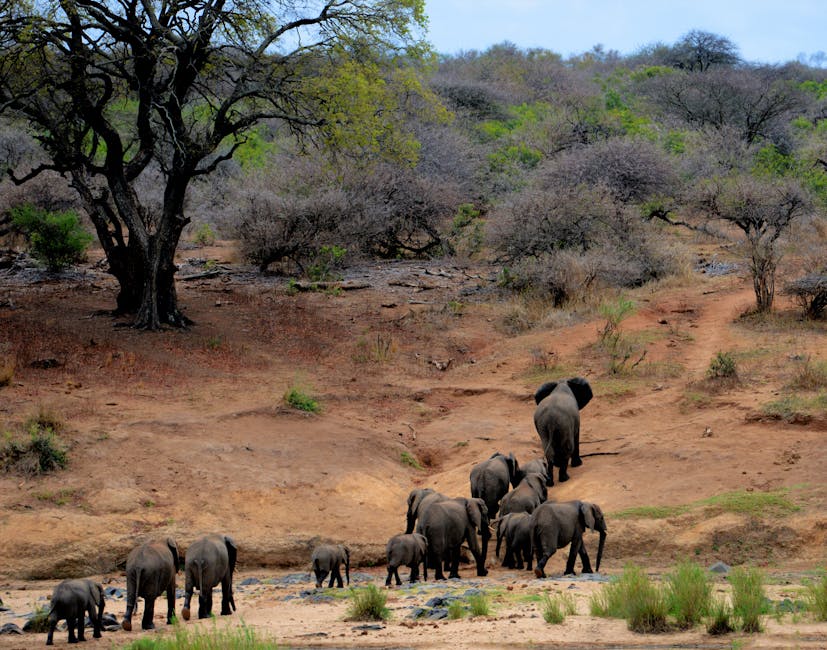
Elephant herds operate under a matriarchal social structure, where the oldest and most experienced female leads the group. This matriarch makes critical decisions about migration routes, feeding locations, and responses to threats, drawing upon decades of accumulated knowledge. Her leadership proves essential for herd survival, particularly during droughts when her memory of distant water sources becomes crucial. Young elephants learn vital survival skills by observing and following the matriarch, creating a system of cultural knowledge transmission that passes from generation to generation.
6. Profound Mourning Rituals for the Deceased
Elephants display profound emotional responses to death that remarkably resemble human mourning behaviors. When encountering deceased elephants, herds often stop and investigate the remains, gently touching the bones with their trunks and feet. They show particular interest in the skulls and tusks, sometimes carrying bones with them for distances before setting them down. Elephants have been observed standing vigil over recently deceased herd members for days, and mothers have been documented carrying deceased calves for extended periods. This behavior suggests elephants possess a concept of death and experience genuine grief, highlighting their deep emotional capacity.
Ecological Importance and Survival Adaptations
7. Keystone Species That Shape Entire Ecosystems
Elephants serve as ecosystem engineers, fundamentally shaping the landscapes they inhabit. As they move through forests and savannas, they create clearings by pushing over trees, which allows sunlight to reach the forest floor and promotes new plant growth. Their feeding habits help disperse seeds across vast distances—some seeds only germinate after passing through an elephant's digestive system. By digging for water during dry seasons, elephants create watering holes that benefit numerous other species. The removal of elephants from an ecosystem can trigger cascading effects throughout the entire ecological community, demonstrating their irreplaceable role in maintaining biodiversity.
8. Remarkable Lifespan Comparable to Humans
Elephants rank among the longest-lived land mammals, with lifespans similar to humans. In the wild, elephants commonly live 60-70 years, with some individuals documented to reach their mid-70s or beyond. This extended lifespan allows for the accumulation of knowledge and the development of complex social bonds that span generations. Female elephants can remain reproductively active into their 50s, and older females often assist with raising grandchildren. This longevity contributes to the sophisticated social learning and cultural transmission observed in elephant populations, as younger generations benefit from the wisdom of elders for extended periods.
Unique Physiological Characteristics
9. Specialized Skin Requiring Daily Maintenance
Despite their tough appearance, elephant skin is remarkably sensitive and requires constant care. Their skin can be up to 2.5 centimeters thick in some areas but remains sensitive enough to feel a fly landing on it. Elephants must engage in daily dust bathing and mud wallowing to protect their skin from the sun, insects, and moisture loss. The wrinkled texture of their skin increases surface area, which helps with temperature regulation by retaining moisture in the crevices. Without regular bathing and soil applications, elephants can suffer from sunburn and parasitic infestations, making access to water and mud critical for their health.
10. Continuous Tooth Replacement Throughout Life
Elephants possess a unique dental system that differs dramatically from most mammals. Rather than having permanent teeth that last a lifetime, elephants cycle through six sets of molars throughout their existence. As one set wears down from grinding tough vegetation, new teeth develop behind and gradually move forward to replace them. Each successive set grows larger than the previous one, adapted to the elephant's increasing size and dietary needs. When an elephant's final set of molars wears out in old age, the animal can no longer properly process food, which typically leads to death by starvation. This remarkable adaptation allows elephants to maintain effective chewing ability for most of their long lives despite their abrasive diet.
Concluding Thoughts
These ten fascinating aspects of elephant biology and behavior merely scratch the surface of what makes these animals so extraordinary. From their self-aware consciousness and decades-long memories to their sophisticated communication systems and profound emotional lives, elephants demonstrate complexity that demands our respect and protection. Their role as ecosystem engineers makes them indispensable to countless other species, while their social structures and cultural knowledge transmission reveal cognitive abilities that parallel our own in surprising ways. Understanding these remarkable characteristics not only deepens our appreciation for elephants but also underscores the urgent need to ensure their survival for future generations. As we continue to study these magnificent creatures, they undoubtedly have many more secrets yet to reveal about intelligence, emotion, and the interconnectedness of life on Earth.