










1 / 10 Questions
0 Points

What vitamin deficiency turned sailors' gums black and teeth loose?

Vitamin B12

Vitamin D

Vitamin C

Vitamin A

Points won
0
Correct score
0%

More Questions

More Articles

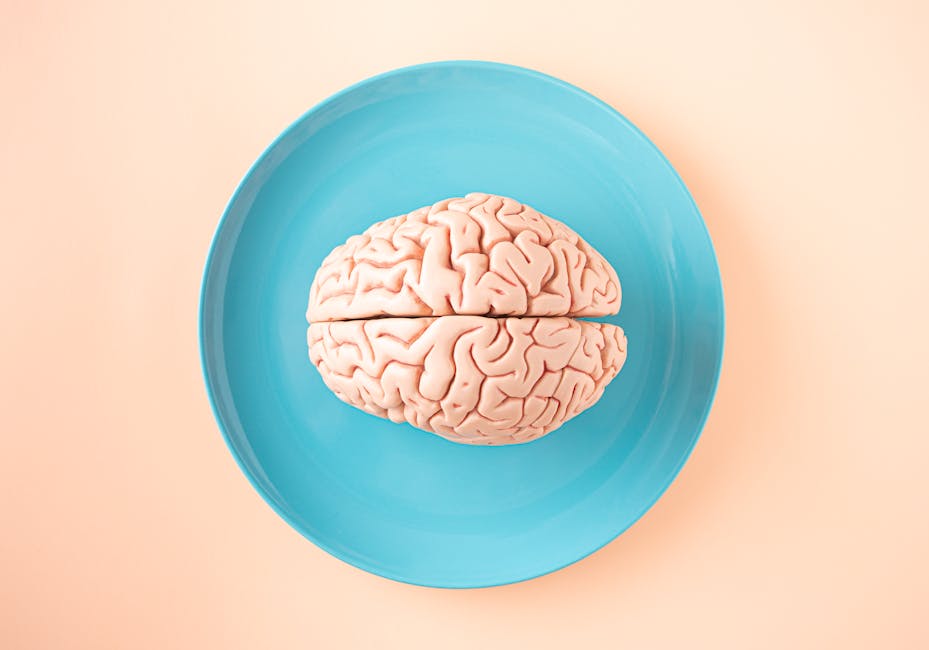
Top 10 Myths About the Human Brain

Top 10 Myths About the Human Brain

⏱️ 6 min read

The human brain remains one of the most fascinating and misunderstood organs in the body. Despite significant advances in neuroscience, numerous misconceptions about how our brains function continue to circulate in popular culture, education, and even professional settings. These myths often oversimplify complex neurological processes or are based on outdated research. Understanding what's true and what's false about the brain can help us make better decisions about learning, health, and cognitive development.

Common Misconceptions Debunked

1. We Only Use 10% of Our Brain

Perhaps the most persistent myth in neuroscience is that humans only utilize 10% of their brain capacity. This claim has been perpetuated in movies, self-help books, and popular media for decades. However, neuroimaging studies using PET scans and functional MRI technology have conclusively demonstrated that we use virtually all parts of our brain. Even during sleep, all brain regions show some level of activity. Different areas activate for different tasks, but over the course of a day, nearly every brain region is engaged. The myth likely originated from early misunderstandings of neurological research and has been thoroughly debunked by modern neuroscience.

2. Brain Damage Is Always Permanent

While brain injuries can certainly cause lasting effects, the brain possesses remarkable neuroplasticity—the ability to reorganize itself by forming new neural connections. Stroke victims, for instance, can often regain lost functions through rehabilitation as other brain areas compensate for damaged regions. Children's brains show even greater plasticity, sometimes recovering from injuries that would cause permanent damage in adults. This adaptive capacity continues throughout life, though it typically decreases with age. Rehabilitation, therapy, and targeted exercises can stimulate neuroplasticity and promote recovery even years after an injury.

3. Left-Brained People Are Logical, Right-Brained People Are Creative

The notion that individuals are either left-brained (analytical and logical) or right-brained (creative and artistic) oversimplifies brain function dramatically. While certain processes do show lateralization—language centers typically reside in the left hemisphere, for example—both hemispheres work together on virtually every task. Research using brain imaging has shown that creativity, logic, mathematics, and art all involve networks distributed across both hemispheres. Personality traits and thinking styles result from complex interactions throughout the entire brain, not dominance of one hemisphere over another.

4. Alcohol Kills Brain Cells

Moderate alcohol consumption does not directly kill brain cells, though excessive drinking can damage the brain in various ways. Alcohol affects the dendrites—the branched extensions of neurons that receive signals—rather than destroying the neurons themselves. Chronic alcohol abuse can lead to Wernicke-Korsakoff syndrome, a serious condition caused by thiamine deficiency that damages brain regions responsible for memory. Binge drinking can also impair neurogenesis and cause cognitive deficits, but the myth that each drink kills thousands of brain cells is an exaggeration. The brain can recover from moderate alcohol exposure, though chronic heavy drinking does cause cumulative damage.

5. Memory Works Like a Video Recording

Many people believe memories are stored like video files that can be played back with perfect accuracy. In reality, memory is a reconstructive process that changes each time we recall it. When we remember an event, our brain pieces together information from various sources, and this reconstruction can be influenced by current emotions, subsequent experiences, and suggestions from others. This is why eyewitness testimony can be unreliable and why people often have conflicting memories of the same event. False memories can even be implanted through suggestion, demonstrating how malleable our recollections truly are.

6. Brain Games Can Prevent Cognitive Decline

The brain training industry has promoted the idea that puzzles, games, and cognitive exercises can prevent dementia and significantly boost intelligence. While these activities can improve performance on specific tasks, research shows limited transfer to general cognitive abilities or real-world functioning. Studies have found that people get better at the games they practice but don't necessarily improve broader cognitive skills. Physical exercise, social engagement, adequate sleep, and a healthy diet appear more effective for maintaining cognitive health than computerized brain training programs. Learning genuinely new skills, particularly those involving physical coordination and social interaction, shows more promise than repetitive puzzle-solving.

7. Bigger Brains Mean Higher Intelligence

Brain size alone does not determine intelligence. While humans have large brains relative to body size compared to most animals, individual variations in brain size among humans show weak correlations with intelligence. What matters more is the organization, connectivity, and efficiency of neural networks. Einstein's brain, famously, was average in size but showed unusual features in specific regions. The number and quality of synaptic connections, the ratio of gray matter to white matter, and the efficiency of neural processing play more important roles in cognitive ability than sheer volume.

8. Listening to Mozart Makes Babies Smarter

The "Mozart Effect" became a cultural phenomenon in the 1990s after a study suggested that listening to Mozart temporarily improved spatial reasoning. This finding was blown out of proportion, leading to claims that playing classical music to infants would increase their intelligence. Subsequent research has shown that the original effect was modest, temporary, and not specific to Mozart—any enjoyable music or engaging stimulus can produce similar short-term improvements in mood and arousal that may enhance performance on certain tasks. There's no evidence that passive music listening permanently increases IQ or provides lasting cognitive benefits to developing children.

9. We Have Only Five Senses

The traditional five senses—sight, hearing, smell, taste, and touch—represent an oversimplification of our sensory capabilities. Humans possess additional senses including proprioception (awareness of body position), thermoception (temperature sensing), nociception (pain detection), equilibrioception (balance), and interoception (internal body sensations like hunger and thirst). The brain integrates information from all these sensory systems to create our experience of the world. Some researchers identify more than twenty distinct sensory systems, each with dedicated neural pathways processing specific types of information.

10. Brain Function Declines Inevitably with Age

While certain cognitive changes do occur with normal aging, severe decline is not inevitable. Healthy older adults can maintain strong cognitive function well into their later years. Some abilities, like vocabulary and accumulated knowledge, often improve with age. Processing speed may slow, and forming new memories can become more challenging, but these changes don't necessarily impact daily functioning significantly. Factors like cardiovascular health, education, social engagement, and continued learning play crucial roles in maintaining cognitive vitality. The concept of "cognitive reserve" suggests that mentally stimulating activities throughout life can buffer against age-related changes and even pathological conditions like Alzheimer's disease.

Understanding Our Remarkable Organ

Dispelling these myths helps us appreciate the brain's true complexity and capabilities. Rather than being limited to a small percentage of capacity or rigidly divided into logical and creative hemispheres, the brain operates as an integrated, adaptable system with remarkable potential for change throughout life. By understanding how the brain actually works, we can make better-informed decisions about education, health, rehabilitation, and cognitive maintenance. The reality of neuroscience is far more fascinating than the myths—our brains are dynamic organs capable of reorganization, growth, and adaptation in response to experiences and challenges throughout our entire lives.
Top 10 Fun Facts About Volcanoes and Eruptions

Top 10 Fun Facts About Volcanoes and Eruptions

⏱️ 7 min read

Volcanoes are among nature's most spectacular and powerful phenomena, capable of reshaping landscapes and influencing global climate patterns. These magnificent geological features have fascinated humans for millennia, inspiring both awe and fear. While most people know that volcanoes erupt with lava and ash, there's a wealth of extraordinary information about these natural wonders that often goes unnoticed. From the surprising places they exist to their unexpected benefits for life on Earth, volcanoes continue to reveal remarkable secrets about our planet's dynamic nature.

Fascinating Volcanic Phenomena You Never Knew Existed

1. Lightning Storms Inside Volcanic Ash Clouds

One of the most visually stunning volcanic phenomena is the occurrence of lightning within eruption clouds. Known as volcanic lightning or "dirty thunderstorms," these electrical displays happen when ash particles, rock fragments, and ice collide within the eruption plume, creating static charges. As these particles separate by size and density, positive and negative charges build up in different regions of the cloud, eventually discharging as bolts of lightning. This spectacular light show was dramatically documented during the 2010 Eyjafjallajökull eruption in Iceland and the 2015 Calbuco eruption in Chile, creating images that seem almost otherworldly.

2. More Volcanoes Exist Underwater Than on Land

The majority of Earth's volcanic activity actually occurs beneath the ocean's surface, hidden from human view. Scientists estimate that approximately 75% of all volcanic eruptions happen underwater, with more than one million underwater volcanoes dotting the ocean floor. The mid-ocean ridges, which form the longest mountain chain on Earth at over 40,000 miles, are essentially underwater volcanic zones where tectonic plates separate and new oceanic crust forms. These submarine volcanoes play a crucial role in creating new seafloor and recycling Earth's crust through the process of plate tectonics.

3. Volcanic Soil Creates the World's Most Fertile Farmland

Despite their destructive reputation, volcanoes provide an unexpected benefit to agriculture. Volcanic soil, known as andisol, is exceptionally fertile and nutrient-rich, containing high levels of minerals like phosphorus, potassium, and calcium. This explains why some of the world's most densely populated agricultural regions exist near active volcanoes, from the slopes of Mount Vesuvius in Italy to the highlands of Java in Indonesia. The weathering of volcanic rock releases these valuable nutrients slowly over time, creating soil that can support intensive farming. Many coffee-growing regions, including parts of Hawaii, Central America, and Indonesia, depend on volcanic soil to produce their renowned beans.

4. The Ring of Fire Contains Three-Quarters of Earth's Volcanoes

The Pacific Ring of Fire is a horseshoe-shaped zone stretching approximately 25,000 miles around the Pacific Ocean basin. This region hosts roughly 75% of the world's active volcanoes and experiences about 90% of Earth's earthquakes. The Ring of Fire includes 452 volcanoes and stretches from New Zealand, along the eastern edge of Asia, across the Bering Strait, and down the western coasts of North and South America. This concentration of volcanic and seismic activity occurs because the Ring of Fire traces the boundaries of several tectonic plates, where subduction zones create ideal conditions for volcanic formation.

5. Volcanic Eruptions Can Cool the Entire Planet

Massive volcanic eruptions have the power to affect global climate patterns by injecting enormous quantities of sulfur dioxide into the stratosphere. These particles form sulfate aerosols that reflect sunlight back into space, causing temporary global cooling. The 1815 eruption of Mount Tambora in Indonesia was so powerful that it caused the "Year Without a Summer" in 1816, leading to widespread crop failures and food shortages across the Northern Hemisphere. More recently, the 1991 eruption of Mount Pinatubo in the Philippines lowered global temperatures by approximately 0.5°C for several years, demonstrating that even in the modern era, volcanoes can significantly influence Earth's climate.

6. Lava Can Travel at Surprising Speeds

The speed of lava flows varies dramatically depending on the type of lava and the terrain. While thick, viscous lava might creep along at just a few feet per hour, runny basaltic lava can race downhill at speeds exceeding 30 miles per hour. The fastest recorded lava flows have reached speeds of up to 40 miles per hour on steep slopes. However, even more dangerous are pyroclastic flows—superheated clouds of gas, ash, and rock fragments that can hurtle down volcanic slopes at speeds exceeding 100 miles per hour, with temperatures reaching 1,000°C. These deadly flows are virtually impossible to outrun and represent one of the most lethal volcanic hazards.

7. Some Volcanoes Erupt Blue Lava

Indonesia's Kawah Ijen volcano produces one of nature's most surreal spectacles: electric blue flames that appear to flow down the mountainside like glowing blue lava. However, this isn't actually lava but rather burning sulfuric gases that emerge from cracks in the volcano at extremely high temperatures—up to 600°C. When these gases ignite upon contact with oxygen in the air, they burn with an ethereal blue flame. Some of the sulfur condenses into liquid form and continues to burn as it flows, creating the illusion of blue lava. This phenomenon is best observed at night and has made Kawah Ijen a popular destination for adventurous photographers.

8. Volcanoes Exist on Other Planets and Moons

Earth isn't the only body in our solar system with volcanic activity. Mars hosts Olympus Mons, the largest volcano in the solar system, standing at 16 miles high—nearly three times the height of Mount Everest. Venus has more volcanoes than any other planet, with over 1,600 major volcanoes identified on its surface. Jupiter's moon Io is the most volcanically active body known, with hundreds of active volcanoes constantly resurfacing the moon. Even more intriguingly, Saturn's moon Enceladus features cryovolcanoes that erupt with water ice instead of molten rock, shooting geysers of ice particles into space.

9. The Loudest Sound in Recorded History Was a Volcanic Eruption

The 1883 eruption of Krakatoa in Indonesia produced the loudest sound ever documented in human history. The explosion was heard clearly over 3,000 miles away in Perth, Australia, and the island of Rodrigues near Mauritius. The sound waves from the eruption traveled around the globe multiple times and were recorded on barographs worldwide. The blast was so powerful that it ruptured the eardrums of sailors 40 miles away, and the shock wave was detected as far away as Britain. The eruption generated tsunamis up to 120 feet high that killed over 36,000 people and destroyed hundreds of coastal villages.

10. Ancient Romans Used Volcanic Concrete That Outlasts Modern Versions

The ancient Romans discovered that mixing volcanic ash with lime and seawater created an incredibly durable concrete that has lasted over 2,000 years. Roman structures like the Pantheon and ancient harbors remain standing today, while modern concrete often begins deteriorating after just 50 years, especially in marine environments. Scientists have discovered that the volcanic ash used in Roman concrete contains aluminum and silica-rich materials that react with seawater to create aluminum-tobermorite crystals, which actually strengthen the concrete over time. This self-healing property has inspired researchers to develop more sustainable and durable modern building materials based on ancient Roman techniques.

The Ongoing Impact of Volcanic Activity

These remarkable facts illustrate that volcanoes are far more than simple mountains that occasionally erupt. They are complex geological systems that have shaped Earth's atmosphere, created habitable land, influenced human civilization, and continue to affect global climate patterns. From the spectacular lightning displays in ash clouds to the microscopic processes that make Roman concrete self-healing, volcanoes demonstrate the intricate connections between geological processes and life on Earth. Understanding these fascinating aspects of volcanic activity not only satisfies our curiosity about the natural world but also helps scientists predict future eruptions, develop better building materials, and appreciate the dynamic planet we call home. As technology advances, researchers continue to uncover new volcanic secrets, ensuring that these magnificent natural features will continue to amaze and educate future generations.