









1 / 10 Questions
0 Points

In which city is the United States Capitol Building located?

Washington, D.C.

Philadelphia

New York City

Boston

Points won
0
Correct score
0%

More Questions

More Articles

Did You Know? 15 Unusual Festivals Around the World

Did You Know? 15 Unusual Festivals Around the World

⏱️ 7 min read

Every culture celebrates in its own unique way, and around the globe, there are festivals that defy convention and challenge our understanding of celebration. From throwing tomatoes to rolling down hills chasing cheese, these extraordinary events showcase human creativity, cultural traditions, and our universal desire to come together in memorable ways. Here are fifteen of the world's most unusual festivals that demonstrate just how diverse and fascinating human celebration can be.

Festivals That Challenge Convention

1. La Tomatina: Spain's Epic Tomato Battle

Every August in the small Spanish town of Buñol, over 20,000 participants gather for the world's largest food fight. La Tomatina involves hurling approximately 150,000 tomatoes at fellow revelers in a chaotic, pulpy celebration that lasts just one hour. What began in 1945 as a spontaneous street brawl has evolved into an internationally recognized festival that requires tickets and attracts visitors from across the globe. The streets run red with tomato juice, and the entire town transforms into a slippery, messy playground for adults.

2. Cooper's Hill Cheese-Rolling: England's Dangerous Dairy Chase

In Gloucestershire, England, brave participants hurl themselves down a steep hill in pursuit of a nine-pound wheel of Double Gloucester cheese. The cheese reaches speeds of up to 70 miles per hour, while competitors tumble, roll, and sprint dangerously after it. This centuries-old tradition results in numerous injuries each year, yet continues to draw hundreds of participants and thousands of spectators who gather to watch this peculiar display of determination and questionable decision-making.

3. Boryeong Mud Festival: South Korea's Therapeutic Mess

South Korea's Boryeong Mud Festival transforms a beach town into a massive mud playground each July. Originally created as a marketing event for cosmetics containing mineral-rich mud from the region, the festival now attracts millions of visitors who cover themselves in therapeutic mud, participate in mud wrestling, slide down mud slopes, and engage in various mud-related activities. The event combines health benefits with uninhibited fun, proving that getting dirty can be both enjoyable and good for your skin.

4. Monkey Buffet Festival: Thailand's Primate Feast

In Lopburi, Thailand, locals prepare an elaborate banquet featuring over 4,000 kilograms of fruits, vegetables, and treats—but not for human consumption. This annual November festival honors the local monkey population, believed to bring good fortune to the community. Hundreds of macaques descend upon tables overflowing with food, creating a spectacle that celebrates the unique relationship between the town's human and primate residents.

Celebrations of Fire, Ice, and Everything Unusual

5. Up Helly Aa: Scotland's Viking Fire Festival

The Shetland Islands celebrate their Norse heritage each January with Up Helly Aa, Europe's largest fire festival. Participants dress in Viking costumes, parade through the streets carrying torches, and culminate the celebration by setting fire to a full-scale replica Viking longship. The festival features elaborate costumes, theatrical performances, and demonstrates the Scottish islands' commitment to honoring their Scandinavian roots in the most dramatic way possible.

6. Hadaka Matsuri: Japan's Naked Man Festival

Thousands of men wearing only loincloths brave freezing February temperatures in Okayama, Japan, competing to catch sacred wooden sticks thrown by a priest. Participants believe that touching these sticks brings good luck and happiness for the coming year. The festival, which dates back 500 years, involves ritual purification, mass jostling, and a remarkable display of endurance as nearly naked men pack together in the cold, creating an unforgettable spectacle of faith and tradition.

7. Battle of the Oranges: Italy's Citrus Warfare

The Italian town of Ivrea hosts a three-day carnival featuring organized teams who engage in massive orange-throwing battles. This festival commemorates the town's medieval rebellion against tyranny, with participants pelting each other with over 500,000 pounds of oranges. Teams on foot battle against others riding horse-drawn carts, creating a sticky, juice-soaked recreation of historical civil unrest that turns the streets orange and leaves participants bruised but jubilant.

8. Wife Carrying Championship: Finland's Matrimonial Marathon

In Sonkajärvi, Finland, male competitors race through an obstacle course while carrying a female teammate—traditionally their wife—through sand, grass, and water hazards. The winner receives the wife's weight in beer, making lighter partners potentially less advantageous. This quirky competition, which has spawned similar events worldwide, requires strength, strategy, and a partner willing to be carried upside-down through challenging terrain.

Nature, Animals, and Extraordinary Traditions

9. Blobfest: Pennsylvania's Retro Horror Celebration

The Colonial Theatre in Phoenixville, Pennsylvania, celebrates the 1958 horror film "The Blob" with an annual festival featuring a recreation of the movie's famous theater-escape scene. Attendees dress in 1950s attire, watch the cult classic film, and rush out of the theater screaming, just as moviegoers did in the original movie. This celebration of B-movie history includes costume contests, vendor markets, and proves that some communities will celebrate absolutely anything with enough enthusiasm.

10. Kanamara Matsuri: Japan's Festival of the Steel Phallus

Kawasaki, Japan, hosts this spring fertility festival featuring giant phallus-shaped decorations, candy, and parade floats. Originally connected to a local legend about a sharp-toothed demon, the Kanamara Matsuri now celebrates fertility, safe sex, and raises money for HIV research. The festival attracts tens of thousands of visitors who embrace the playful, uninhibited celebration of human sexuality in a context that's simultaneously sacred and lighthearted.

11. Lopburi Monkey Banquet: Thailand's Simian Celebration

Beyond the buffet, Lopburi's relationship with its monkey population extends to elaborate temple decorations, carved fruit displays, and ice sculptures—all designed for primate enjoyment. The festival acknowledges that the macaques are both tourism draw and occasional nuisance, offering this annual feast as thanks for the prosperity they bring. Locals believe the monkeys are descendants of the monkey god Hanuman, adding spiritual significance to this unusual celebration.

Global Gatherings That Defy Description

12. Burning Man: Nevada's Temporary Metropolis

In Nevada's Black Rock Desert, tens of thousands create a temporary city dedicated to art, self-expression, and radical self-reliance. Burning Man culminates in the burning of a massive wooden effigy, but the real festival is the week-long experiment in alternative community building. Participants create elaborate art installations, theme camps, and performances in an environment free from commercial transactions, where gifting and participation replace buying and consuming.

13. El Colacho: Spain's Baby-Jumping Festival

In Castrillo de Murcia, Spain, men dressed as devils jump over babies laid on mattresses in the street during this Corpus Christi celebration. Dating back to 1620, this ritual is believed to cleanse infants of original sin and protect them from evil spirits. Despite its seemingly dangerous nature, no injuries have been reported, and parents eagerly place their newborns in the devil's path, trusting in centuries of tradition.

14. Night of the Radishes: Mexico's Vegetable Art Exhibition

Every December 23rd, Oaxaca, Mexico, hosts a competition featuring intricate sculptures carved entirely from radishes. These aren't ordinary radishes—they're oversized vegetables specifically grown for carving, some reaching twenty pounds. Artists create nativity scenes, historical events, and elaborate displays that deteriorate within days. This pre-Christmas tradition combines agricultural pride with artistic expression in one of the world's most perishable art forms.

15. Underwater Music Festival: Florida's Subaquatic Concert

In the Florida Keys, divers and snorkelers gather for an underwater concert designed to promote coral reef protection. Musicians play waterproof instruments and participants listen to ocean-themed music broadcast through underwater speakers. Costumed performers create a surreal spectacle beneath the waves, combining environmental activism with creative celebration. The festival raises awareness about reef preservation while offering one of the world's most unusual concert experiences.

The Universal Language of Celebration

These fifteen extraordinary festivals demonstrate that human celebration knows no bounds. Whether throwing produce, chasing dairy products, honoring primates, or carving vegetables, communities worldwide have developed unique ways to come together, honor traditions, and create shared experiences. These unusual festivals remind us that celebration is as diverse as humanity itself, and that sometimes the most memorable cultural experiences are those that make us question what we thought we knew about how people gather and celebrate. From ancient religious rituals to modern marketing stunts turned tradition, these festivals continue because they fulfill our fundamental need for community, joy, and the occasional opportunity to do something completely unexpected.
12 Fun Facts About Money and Wealth

12 Fun Facts About Money and Wealth

⏱️ 7 min read

Money has fascinated humanity for thousands of years, serving as a universal medium of exchange and a symbol of prosperity. Throughout history, currency and wealth have taken many unexpected forms and spawned surprising truths that challenge our everyday understanding of financial systems. From ancient trading practices to modern economic phenomena, the world of money is filled with remarkable discoveries that reveal just how creative, strange, and ingenious human beings can be when it comes to accumulating and managing wealth.

Fascinating Discoveries About Currency and Prosperity

1. The World's First Paper Money Originated in China

While many civilizations used coins for centuries, China pioneered the use of paper money during the Tang Dynasty (618-907 AD), with widespread adoption occurring during the Song Dynasty. Merchants initially used receipts from deposit shops where they stored their coins, and these receipts eventually evolved into government-issued currency. This innovation occurred nearly 700 years before paper money appeared in Europe, demonstrating China's advanced economic thinking. The convenience of carrying lightweight paper instead of heavy metal coins revolutionized trade and commerce throughout ancient Asia.

2. More Monopoly Money Gets Printed Than Real Currency

The famous board game Monopoly produces more play money annually than many countries print in actual legal tender. Hasbro manufactures approximately $30 billion in Monopoly money each year, which exceeds the amount of real currency printed by several smaller nations. This surprising fact highlights both the enduring popularity of the classic game and the relatively controlled nature of actual money supply in modern economies. The colorful bills that have bankrupted countless virtual real estate moguls serve as an amusing reminder that not all money has genuine purchasing power.

3. Credit Cards Have Been Around Since Ancient Mesopotamia

The concept of "buy now, pay later" isn't a modern invention. Ancient Mesopotamian merchants used clay tablets as credit instruments as far back as 3000 BC. These tablets recorded debts and obligations, allowing traders to conduct business without immediate payment. The system operated on trust and community accountability, with detailed records kept of who owed what to whom. This ancient credit system demonstrates that humans have long understood the value of deferred payment arrangements, making today's credit cards merely a technological evolution of a practice that's thousands of years old.

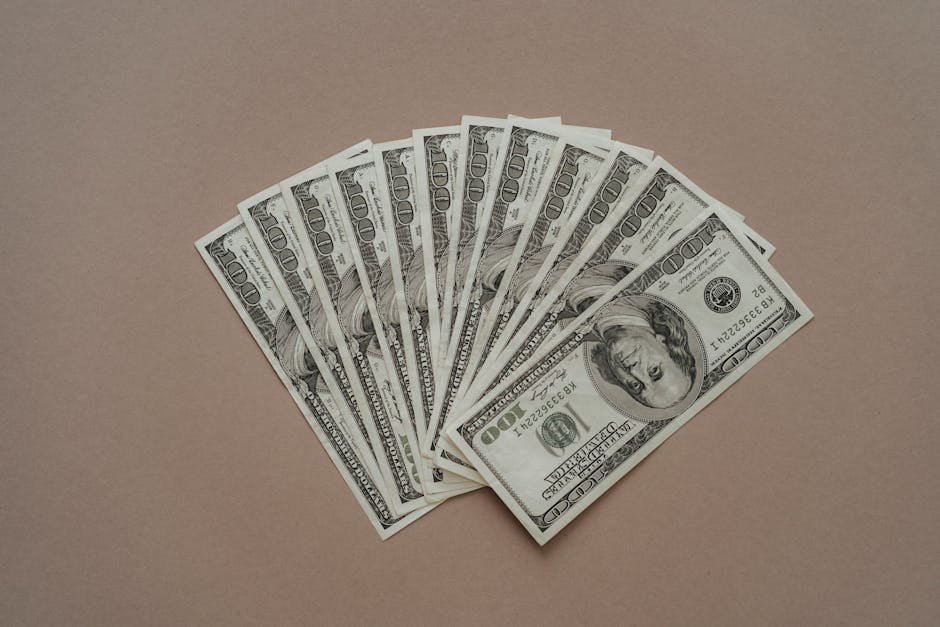
4. A Million Dollars in $100 Bills Weighs Only 22 Pounds

Despite the enormous buying power, a million dollars in one-hundred-dollar bills weighs approximately 22 pounds (10 kilograms) and could fit inside a standard briefcase. This relatively compact size has made high-denomination currency the preferred medium for both legitimate large transactions and, unfortunately, illicit activities. In contrast, the same amount in one-dollar bills would weigh about 2,200 pounds and require a significant vehicle for transport. This weight difference explains why higher denominations exist and why some countries have issued even larger bills for interbank transfers.

5. The Wealthiest Person in History Was an African King

When adjusted for inflation and relative wealth, Mansa Musa of Mali, who ruled in the 14th century, is considered the richest person ever to have lived. His fortune, derived primarily from Mali's vast gold and salt resources, was estimated to be worth over $400 billion in today's currency. During his famous pilgrimage to Mecca in 1324, he distributed so much gold along the route that he caused inflation in Egyptian markets that lasted for years. His wealth was so immense that historians struggle to calculate its true value, with some suggesting it was essentially incalculable by any meaningful standard.

6. Coins Have Ridges for Anti-Counterfeiting Reasons

The distinctive ridges found on the edges of many coins, called reeding, weren't added for grip or aesthetic purposes. This security feature originated when coins were made from precious metals like gold and silver. Dishonest individuals would shave small amounts of metal from smooth-edged coins and sell the shavings while passing the coins at full value. Adding ridges to coin edges made this tampering immediately visible. Although modern coins are no longer made from precious metals, the tradition continues as both a security feature and a way to help visually impaired individuals distinguish between different denominations.

7. The Average Life Span of Currency Is Surprisingly Short

Paper money doesn't last as long as most people imagine. A one-dollar bill typically survives only about 18 months in circulation before becoming too worn to use, while higher denominations last longer because they're handled less frequently. A hundred-dollar bill can last up to 15 years. The constant folding, crumpling, washing, and general wear and tear takes a significant toll on paper currency. This short lifespan means that central banks must constantly print replacement bills, not to increase the money supply, but simply to replace damaged currency that's been removed from circulation.

8. Some Cultures Used Giant Stone Discs as Money

On the island of Yap in Micronesia, people used enormous limestone discs called Rai stones as currency. These stones, some weighing several tons and measuring up to 12 feet in diameter, were quarried from islands hundreds of miles away. The value was determined by the stone's size, quality, and the difficulty involved in obtaining it. Remarkably, the stones rarely moved during transactions; instead, ownership simply changed hands while the stone remained in place, with the community remembering who owned which stone. This system represents perhaps the earliest form of public ledger accounting, conceptually similar to modern blockchain technology.

9. Queen Elizabeth II Appeared on More Currency Than Anyone

Queen Elizabeth II held the record for appearing on more different currencies than any other individual in history. Her portrait graced the money of over 35 different countries during her reign, including Australia, Canada, New Zealand, and numerous Caribbean and Pacific nations, in addition to the United Kingdom. This widespread representation reflected both the historical reach of the British Empire and the continued association of Commonwealth nations. The tradition of featuring monarchs on currency dates back centuries and serves to reinforce the legitimacy and authority of the issuing government.

10. The Dollar Sign Has Mysterious Origins

The iconic dollar sign ($) has unclear origins, with several competing theories about its development. The most widely accepted explanation suggests it evolved from the Spanish or Mexican peso abbreviation "P's" or "Ps," which was gradually written as an S with a vertical line. Another theory proposes it derived from the Pillars of Hercules symbol on Spanish coins, which showed two pillars with a banner wrapped around them. Despite its ubiquity in financial contexts worldwide, no definitive historical documentation proves exactly how this symbol came into being, making it one of the most recognized yet mysterious symbols in the world.

11. Negative Interest Rates Actually Exist

In a counterintuitive twist on traditional banking, some countries have implemented negative interest rates, meaning depositors effectively pay banks to hold their money rather than earning interest. This unusual monetary policy has been employed by central banks in Japan, Switzerland, and several European countries to stimulate economic growth by discouraging saving and encouraging spending and investment. Under negative rates, commercial banks storing money with the central bank must pay for the privilege, a cost sometimes passed on to large depositors. This phenomenon challenges the fundamental assumption that money should grow over time when saved.

12. The Largest Denomination Ever Printed Was 100 Trillion Dollars

Zimbabwe holds the record for printing the highest denomination banknote: a 100 trillion dollar bill. This astronomical figure resulted from hyperinflation that peaked in 2008, when prices doubled approximately every 24 hours. At its worst, Zimbabwe's inflation rate reached an incomprehensible 89.7 sextillion percent month-over-month. The 100 trillion dollar note, when issued, could barely buy a loaf of bread. This extreme case demonstrates how currency can become essentially worthless when governments print money without economic backing, serving as a cautionary tale about the importance of sound monetary policy and fiscal responsibility.

Understanding Money's Complex Nature

These twelve remarkable facts reveal that money is far more than simple paper and metal—it's a complex social construct that has evolved dramatically throughout human history. From ancient clay tablets to modern negative interest rates, from giant stone discs to nearly weightless digital transactions, currency continues to adapt to human needs and technological capabilities. Understanding these unusual aspects of money and wealth provides valuable perspective on our current financial systems and reminds us that economic conventions we take for granted today may seem just as strange to future generations as Rai stones appear to us now.