










⏱️ 7 min read
The Middle Ages, spanning roughly from the 5th to the 15th century, remains one of history's most misunderstood and fascinating periods. Far from being the "Dark Ages" of popular imagination, this era witnessed remarkable innovations, cultural achievements, and social developments that shaped the modern world. From groundbreaking inventions to surprising social customs, the medieval period was a time of complexity and contradiction that continues to captivate historians and enthusiasts alike.
Discovering Medieval Life and Innovation
1. Medieval People Were Cleaner Than You Think
Contrary to popular belief, medieval people valued cleanliness and hygiene. Public bathhouses were common in many European cities, and people bathed more regularly than their early modern descendants would centuries later. Medieval soap-making was an established craft, and upper-class households often had dedicated washing rooms. The stereotype of filthy medieval peasants largely stems from Victorian-era misconceptions rather than historical reality. Medical texts from the period regularly emphasized the importance of bathing for health, and monasteries maintained strict washing schedules for their inhabitants.
2. The Invention of Eyeglasses Changed Everything
One of the most revolutionary inventions of the Middle Ages was eyeglasses, first developed in Italy around 1286. This breakthrough extended the working lives of scholars, craftsmen, and scribes who might otherwise have been forced to retire when their vision deteriorated. The invention democratized learning and allowed for more detailed artistic and technical work, fundamentally changing how society valued and utilized aging workers. By the 14th century, eyeglasses had spread throughout Europe, becoming a symbol of wisdom and learning.
3. Medieval Universities Established Modern Education
The university system as we know it today was born in the Middle Ages. The University of Bologna, founded in 1088, is considered the oldest continuously operating university in the world. These institutions developed the lecture system, academic degrees, and standardized curricula that still influence modern education. Students traveled across Europe to attend prestigious universities, creating an international scholarly community. The medieval university introduced the bachelor's, master's, and doctoral degrees that remain standard today.
4. Women Had More Rights Than Expected
While medieval society was undeniably patriarchal, women often enjoyed more legal and economic rights than their counterparts in later centuries. Women could own property, run businesses, and join certain guilds. Female brewers, merchants, and artisans were common in medieval towns. Some women held significant political power as regents or landowners. Noblewomen managed vast estates while their husbands were away at war, making crucial economic and administrative decisions. The situation varied by region and time period, but medieval women were far from uniformly oppressed or powerless.
5. The Mechanical Clock Transformed Society
The development of the mechanical clock in the 13th century revolutionized medieval life. Before this invention, time was measured imprecisely using sundials and water clocks. Mechanical clocks, often housed in church towers, synchronized community activities and enabled more efficient organization of labor and commerce. This innovation fundamentally altered how people conceptualized and structured their daily lives, moving society away from natural time markers toward precise, measured hours. The mechanical clock laid the groundwork for the industrial age's time-based economy.
6. Medieval Cuisine Was Surprisingly Sophisticated
Medieval cooking was far more complex and flavorful than commonly believed. Wealthy households enjoyed elaborate dishes featuring exotic spices from the East, including cinnamon, ginger, and saffron. Medieval cookbooks reveal sophisticated techniques and creative recipes. While the poor certainly ate simpler fare, even peasant diets included a variety of vegetables, grains, and occasional meat. The medieval period saw significant culinary exchange between cultures, with the Crusades and trade routes introducing new ingredients and cooking methods to European kitchens.
7. Trial by Ordeal Was Actually Rare
Despite their prominence in popular culture, trials by ordeal were not the standard form of medieval justice. Most legal disputes were settled through witness testimony, compurgation (oath-swearing), and rational judgment. When ordeals were used, they were typically reserved for serious crimes when other evidence was unavailable. The Catholic Church actually banned trials by ordeal in 1215, recognizing them as theologically problematic. Medieval legal systems were often more sophisticated and rational than their dramatic reputation suggests, with developing concepts of evidence and due process.
8. The Heavy Plow Sparked an Agricultural Revolution
The introduction and widespread adoption of the heavy plow in northern Europe transformed agriculture and society. Unlike earlier plows, the heavy plow could turn over dense, clay-rich soil, making previously uncultivable land productive. This innovation led to increased food production, population growth, and the expansion of settlements. The heavy plow required teams of oxen, encouraging cooperative farming and strengthening community bonds. This agricultural advancement was as significant to medieval society as later industrial innovations would be to modern civilization.
9. Medieval People Loved Color and Decoration
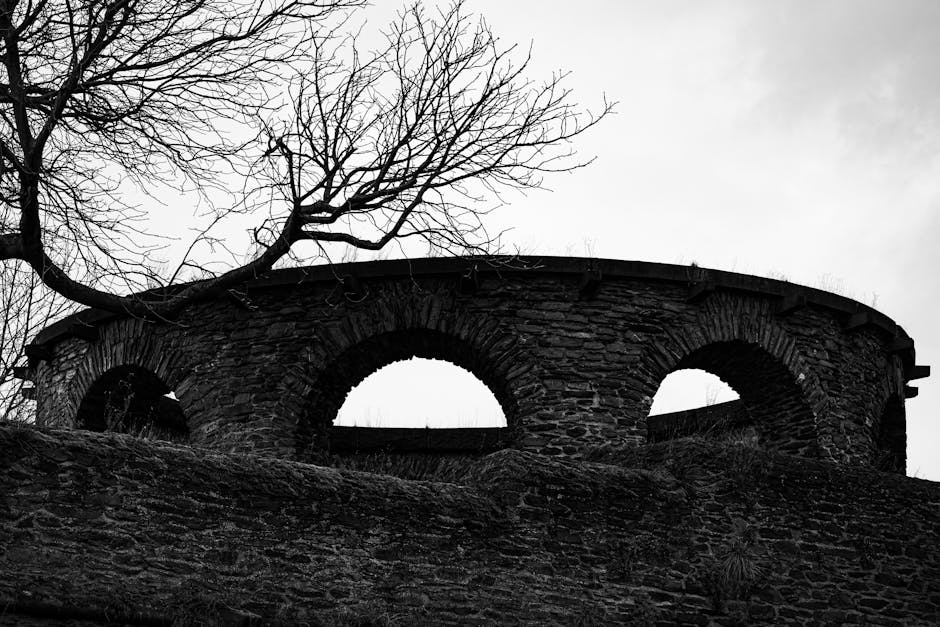
The modern image of gray stone castles and drab clothing misrepresents medieval aesthetics. Medieval people adored bright colors and elaborate decoration. Churches, castles, and even ordinary buildings were painted in vibrant hues. Clothing, when affordable, featured bold colors and patterns. Medieval manuscripts were illuminated with brilliant pigments, and tapestries displayed rich, colorful scenes. The faded and weathered appearance of surviving medieval structures has created a false impression of a colorless era. In reality, the Middle Ages were visually spectacular and exuberant.
10. Cats Were Essential Workers
Cats held a crucial role in medieval society as pest controllers. Monasteries, granaries, ships, and homes all relied on cats to protect food stores from rodents. Unlike dogs, which were often associated with specific social classes, cats were universal workers found in peasant cottages and royal palaces alike. Some medieval documents record payments to "official" cats for their services. The practical value of cats in protecting food supplies from vermin made them indispensable members of medieval communities, though their status varied by region and superstition.
11. The Printing Press Revolutionized Knowledge
Johannes Gutenberg's invention of the movable-type printing press around 1440 marked the end of the Middle Ages and the beginning of a new era. Before this innovation, books were painstakingly copied by hand, making them expensive and rare. The printing press democratized knowledge, making books affordable and widely available. This invention facilitated the rapid spread of ideas, contributing to the Renaissance, the Reformation, and the Scientific Revolution. The printing press's impact on human civilization cannot be overstated, fundamentally transforming education, religion, and politics.
12. Medieval Medicine Had Scientific Elements
While medieval medicine included practices we now recognize as ineffective, it was not entirely based on superstition. Medieval physicians studied ancient medical texts, conducted observations, and developed surgical techniques. Universities had medical faculties where students learned anatomy and pharmacology. Herbalism was sophisticated, with genuine therapeutic applications for many plant-based remedies. Medieval hospitals cared for the sick, and public health measures like quarantines were implemented during plague outbreaks. The period laid important groundwork for later medical advances, even if understanding of disease mechanisms remained limited.
13. Gothic Architecture Was an Engineering Marvel
The development of Gothic architecture in the 12th century represented a stunning achievement in engineering and design. Gothic cathedrals featured soaring heights, large windows, and innovative structural elements like flying buttresses and pointed arches. These buildings pushed the boundaries of what was technically possible, creating spaces designed to inspire awe and elevate the spirit. The construction of major cathedrals took decades or even centuries, involving skilled craftsmen, engineers, and laborers. Gothic architecture demonstrated medieval society's capability for long-term planning, technical innovation, and artistic vision.
14. Medieval People Had a Sense of Humor
Medieval humor thrived in various forms, from witty poetry to bawdy fabliaux (short comic tales). Jesters and minstrels entertained courts and common folk alike. Medieval manuscript margins often featured humorous illustrations, including bizarre creatures and satirical scenes. Mystery plays included comic relief alongside religious instruction. Festivals like the Feast of Fools allowed for temporary social role reversals and mockery of authority. Far from being perpetually solemn, medieval people enjoyed laughter, satire, and entertainment, revealing a complex emotional and cultural life that contradicts simplistic stereotypes.
Understanding Medieval Complexity
These fourteen facts reveal that the Middle Ages were far more nuanced, innovative, and sophisticated than popular stereotypes suggest. From technological breakthroughs to social customs, from legal systems to artistic achievements, the medieval period laid crucial foundations for modern Western civilization. Understanding the true nature of medieval life requires moving beyond simplistic narratives and appreciating the era's genuine complexity. The Middle Ages witnessed remarkable human creativity, resilience, and ingenuity that continue to influence our world today.
