










⏱️ 7 min read
Ancient Egypt stands as one of history's most fascinating civilizations, captivating scholars and enthusiasts for centuries with its architectural marvels, complex religious beliefs, and advanced societal structures. Spanning over three millennia, this remarkable culture left behind a legacy that continues to influence our modern world. From the banks of the Nile River to the towering pyramids that pierce the desert sky, Ancient Egypt offers countless insights into human ingenuity and cultural development. Here are twenty compelling facts that illuminate the extraordinary nature of this ancient civilization.
Remarkable Discoveries About Ancient Egyptian Civilization
1. The Great Pyramid's Original Gleaming Appearance
The Great Pyramid of Giza, one of the Seven Wonders of the Ancient World, originally appeared dramatically different from its current sandy-colored stone surface. The pyramid was encased in highly polished white limestone that reflected the sun's rays, causing it to gleam brilliantly across the desert landscape. Ancient observers described it as a shining beacon visible from miles away, creating a spectacular visual effect that modern viewers can only imagine.
2. Advanced Medical Knowledge and Surgical Procedures
Ancient Egyptian physicians possessed surprisingly sophisticated medical knowledge for their time. They performed complex surgical procedures including brain surgery, limb amputations, and dental operations. Medical papyri reveal detailed descriptions of diagnoses, treatments, and surgical techniques. Egyptians understood the importance of hygiene, used various herbal remedies, and even created early forms of antibiotics using moldy bread to treat infections.
3. Women's Rights and Social Status
Unlike many ancient civilizations, Ancient Egypt granted women remarkable rights and social standing. Women could own property, conduct business transactions, initiate divorce proceedings, and inherit wealth. Some women even ascended to positions of supreme power, with Hatshepsut and Cleopatra serving as notable examples of female pharaohs who ruled with absolute authority over the kingdom.
4. The Three-Thousand-Year Timeline
Ancient Egyptian civilization endured for approximately 3,000 years, from around 3100 BCE to 30 BCE. To put this in perspective, Cleopatra lived closer to the present day than she did to the construction of the Great Pyramid. This extraordinary longevity demonstrates the civilization's remarkable stability and adaptability through numerous dynasties and cultural shifts.
5. Hieroglyphic Writing System Complexity
The Egyptian writing system comprised over 700 different hieroglyphic symbols that could represent sounds, ideas, or objects. Scribes spent years mastering this complex script, which could be read left to right, right to left, or top to bottom depending on the direction the symbols faced. This sophisticated system allowed Egyptians to record everything from royal decrees to personal letters and religious texts.
6. Revolutionary Agricultural Practices
Ancient Egyptians developed ingenious agricultural techniques that maximized the Nile's annual flooding. They created an elaborate irrigation system using canals, dikes, and reservoirs to control water distribution. They invented the nilometer to measure flood levels and predict harvest yields, demonstrating their advanced understanding of hydrology and agricultural science.
7. Makeup and Cosmetics as Health Protection
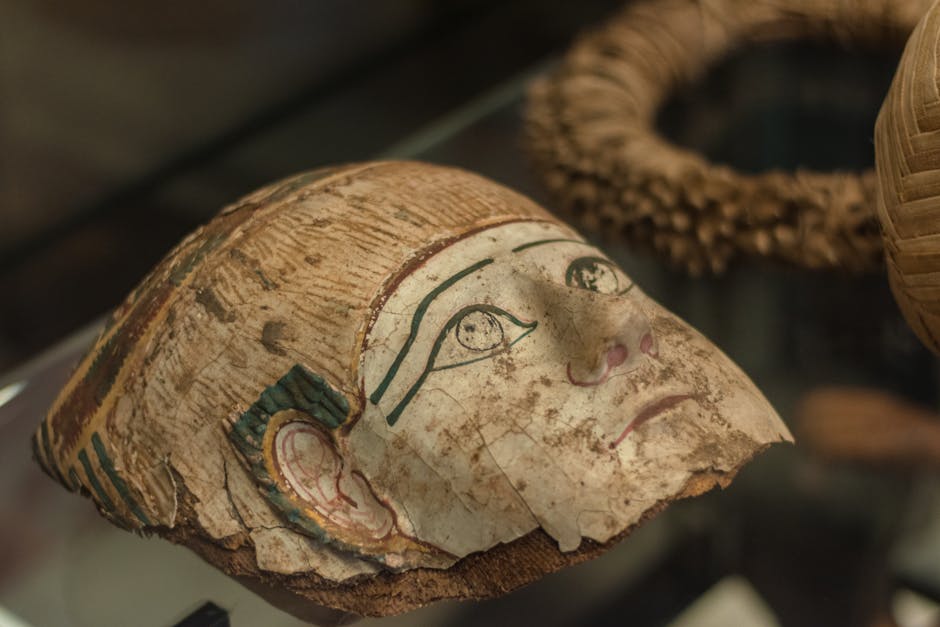
Egyptians wore distinctive eye makeup not merely for aesthetic purposes but for practical health benefits. The kohl eyeliner, made from ground minerals including lead-based compounds, actually helped prevent eye infections by stimulating the immune system and repelling flies. Both men and women applied these cosmetics, viewing them as essential daily health practices.
8. Elaborate Death Rituals and Mummification
The mummification process represented one of Ancient Egypt's most sophisticated achievements. This complex procedure took seventy days and involved removing internal organs, treating the body with natron salt, and wrapping it in linen bandages. Egyptians believed proper preservation was essential for the deceased's journey to the afterlife, reflecting their profound religious convictions about immortality.
9. Architectural Engineering Without Modern Technology
Ancient Egyptians constructed monumental structures without wheels, pulleys, or iron tools. They moved massive limestone and granite blocks weighing several tons using copper tools, wooden sledges, and ingenious ramp systems. Recent archaeological evidence suggests they may have used water to reduce friction and facilitate the movement of these enormous stones.
10. The Earliest Known Peace Treaty
The Treaty of Kadesh, signed around 1259 BCE between Pharaoh Ramesses II and the Hittite King Hattusili III, represents the earliest known surviving peace treaty. This diplomatic achievement ended decades of conflict and established mutual defense agreements, demonstrating Ancient Egypt's sophisticated approach to international relations.
11. Animal Reverence and Sacred Status
Ancient Egyptians held numerous animals sacred, believing they embodied various deities. Cats enjoyed particularly exalted status as representations of the goddess Bastet. Killing a cat, even accidentally, could result in capital punishment. Families mourned deceased cats by shaving their eyebrows, and many animals received mummification and elaborate burials.
12. Advanced Astronomical Knowledge
Egyptian priests possessed extensive astronomical knowledge, tracking celestial movements to create accurate calendars. They developed a 365-day solar calendar divided into twelve months, remarkably similar to our modern calendar. They aligned pyramids and temples with specific stars and constellations, demonstrating sophisticated understanding of celestial mechanics.
13. World's First Labor Strike
In 1152 BCE, workers constructing the royal necropolis at Deir el-Medina organized history's first recorded labor strike. When their grain rations arrived late, workers refused to continue working, conducting sit-ins at nearby temples. This event demonstrates not only workers' rights awareness but also the existence of organized labor movements in ancient times.
14. Bread as Currency and Sustenance
Bread served as both a dietary staple and a form of currency in Ancient Egypt. Workers received payment in bread and beer rations, with different qualities and quantities reflecting various social statuses. Egyptians developed numerous bread varieties using different grains, shapes, and baking methods, establishing a complex bread-based economy.
15. Board Games and Entertainment Culture
Ancient Egyptians enjoyed various board games, with Senet being the most popular. This game involved strategic movement of pieces across a board, possibly representing the journey through the afterlife. Archaeological discoveries reveal that people from all social classes played games, indicating a culture that valued leisure and entertainment.
16. Architectural Precision and Mathematical Mastery
The Great Pyramid demonstrates extraordinary mathematical precision, with its base forming a nearly perfect square and sides aligning almost exactly with the cardinal directions. The ratio of the pyramid's perimeter to its height approximates 2π, suggesting advanced mathematical knowledge that some scholars believe indicates understanding of the concept of pi.
17. Elaborate Wig Fashion and Social Significance
Egyptians commonly shaved their heads for cleanliness in the hot climate but wore elaborate wigs for social occasions. These wigs, made from human hair, plant fibers, or sheep's wool, indicated social status through their complexity and decoration. Both men and women wore wigs, with styles varying according to profession and social rank.
18. Revolutionary Papyrus Paper Production
Egyptians invented papyrus paper around 3000 BCE, creating a portable writing surface from the papyrus plant that grew abundantly along the Nile. This innovation revolutionized record-keeping and communication, allowing for extensive documentation of their civilization. Papyrus remained the primary writing material throughout the ancient Mediterranean world for millennia.
19. Dental Problems and Health Challenges
Despite their medical advances, Ancient Egyptians suffered significant dental problems due to sand and grit in their bread from stone-ground flour. Archaeological examination of mummies reveals severe tooth wear, abscesses, and dental disease even among wealthy individuals. This unexpected health issue affected people across all social classes.
20. The Mystery of Cleopatra's Tomb
Despite extensive archaeological efforts, Cleopatra VII's final resting place remains undiscovered. Ancient sources suggest she was buried alongside Mark Antony, but the location has eluded archaeologists for centuries. This enduring mystery continues to fuel archaeological expeditions and captures public imagination, representing one of Ancient Egypt's most tantalizing unsolved puzzles.
The Enduring Legacy of the Pharaohs
These twenty facts merely scratch the surface of Ancient Egypt's rich and complex civilization. From groundbreaking medical practices to architectural achievements that still baffle modern engineers, from progressive social policies to sophisticated artistic traditions, Ancient Egypt established foundations that influenced subsequent civilizations throughout history. The culture's longevity, innovation, and cultural richness continue to inspire scholarly research and public fascination. As archaeological techniques advance and new discoveries emerge, our understanding of this remarkable civilization deepens, revealing additional layers of complexity and achievement. Ancient Egypt's contributions to human civilization extend far beyond popular imagery of pyramids and mummies, encompassing advances in science, mathematics, medicine, agriculture, and social organization that shaped the development of Western civilization and continue to resonate in our modern world.
