
⏱️ 6 min read
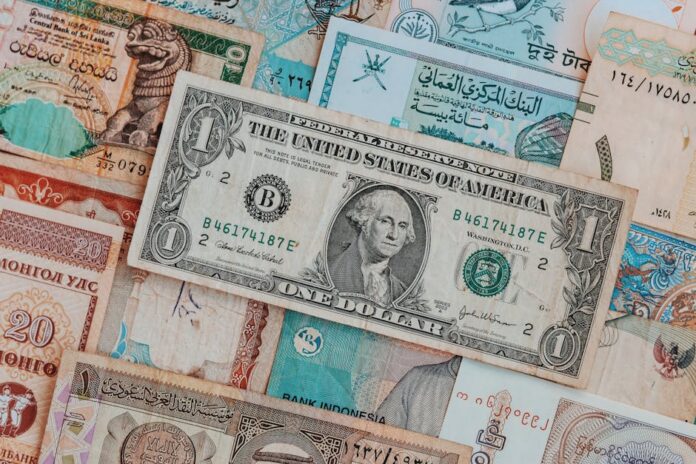
Money makes the world go round, but how much do we really know about the currencies we use every day? From ancient trading systems to modern digital innovations, the evolution and quirks of global currencies reveal fascinating stories about human civilization, economics, and culture. The banknotes and coins we handle daily contain hidden features, surprising histories, and remarkable facts that most people have never discovered. Let’s explore twelve incredible facts about money from around the world that will change the way you think about currency.
Fascinating Facts About World Currencies
1. The Canadian Dollar’s Indestructible Polymer Notes
Canada revolutionized currency durability when it introduced polymer banknotes in 2011. Unlike traditional paper money, these plastic bills can survive a washing machine cycle, withstand extreme temperatures, and last approximately 2.5 times longer than cotton-based notes. The polymer material is also more environmentally friendly, as fewer replacements mean reduced production and waste. These high-tech notes include transparent windows and advanced security features that make counterfeiting extremely difficult. Australia was actually the first country to introduce polymer currency in 1988, and now over 50 countries have adopted this innovative technology.
2. The British Pound’s Ancient Legacy
The British pound sterling holds the distinction of being the world’s oldest currency still in use today, with a history spanning over 1,200 years. The name “pound” comes from the Latin “libra pondo,” meaning a pound by weight, which is why the symbol £ is derived from the letter L. Originally, one pound sterling was literally worth one pound of sterling silver. This ancient currency has survived invasions, wars, economic crises, and countless regime changes, demonstrating remarkable resilience throughout history.
3. Ecuador’s Unconventional Currency Choice
In the year 2000, Ecuador made the unusual decision to abandon its national currency, the sucre, and officially adopt the United States dollar as its legal tender. This dramatic move, called dollarization, was implemented to combat severe hyperinflation and economic instability. Ecuador isn’t alone in this practice—several other countries including Panama, El Salvador, and Zimbabwe also use the U.S. dollar as their official or primary currency, despite having no political connection to the United States.
4. The Swiss Franc’s Bomb-Proof Vaults
Switzerland’s reputation for financial security extends beyond banking secrecy to literal bunkers. The Swiss franc is protected in some of the world’s most secure facilities, with many banks storing gold reserves and currency in mountain vaults built deep inside the Alps. Some of these facilities were originally constructed as nuclear fallout shelters and can withstand direct bomb hits. Switzerland’s commitment to currency security and neutrality has made the franc one of the world’s most stable and trusted currencies.
5. The Kuwaiti Dinar’s Supreme Value
When people think of valuable currencies, they often assume the British pound or U.S. dollar tops the list. However, the Kuwaiti dinar actually holds the title of the world’s highest-valued currency unit. One Kuwaiti dinar typically equals more than three U.S. dollars, a valuation that stems from Kuwait’s substantial oil exports and its relatively small, wealthy population. The country’s significant petroleum-based economy and stable political environment contribute to the dinar’s impressive strength.
6. The Euro’s Fictional Architecture
The euro banknotes feature beautiful architectural designs representing different periods in European history, from Classical to modern 20th-century styles. However, none of these buildings, bridges, or gateways actually exist. The European Central Bank deliberately chose to use fictional architecture to avoid favoring any particular country or causing disputes among member nations. Each denomination showcases a different architectural era, symbolizing European cooperation and shared cultural heritage without highlighting specific national monuments.
7. Zimbabwe’s Trillion-Dollar Nightmare
Zimbabwe experienced one of the most catastrophic cases of hyperinflation in modern history, culminating in the printing of a 100 trillion dollar banknote in 2009. At the peak of this economic crisis, prices doubled approximately every 24 hours, and citizens needed wheelbarrows full of cash to buy basic necessities. The Zimbabwe dollar became so worthless that the government eventually abandoned it entirely, allowing citizens to use foreign currencies instead. These trillion-dollar notes are now sold as novelty items and collectibles, serving as stark reminders of economic mismanagement.
8. Bhutan’s Happiness-Themed Currency
The Kingdom of Bhutan, famous for measuring Gross National Happiness instead of just GDP, incorporates this philosophy into its currency, the ngultrum. Bhutanese banknotes feature beautiful artwork depicting the country’s Buddhist monasteries, natural landscapes, and cultural symbols. The designs emphasize spiritual and environmental values over material wealth, perfectly reflecting the nation’s unique development philosophy that prioritizes citizen well-being and environmental conservation.
9. The Japanese Yen’s Missing Minor Denominations
Unlike most major currencies that subdivide into smaller units (like cents or pence), the Japanese yen has no minor denomination. There are no “sen” or fractional yen in circulation. This system simplifies transactions and pricing, though it means that prices must always be rounded to whole numbers. Japan previously had sen coins (one-hundredth of a yen), but stopped minting them after World War II due to inflation making them practically worthless.
10. Sweden’s Push Toward Cashless Society
Sweden is rapidly becoming the world’s first virtually cashless society. Approximately 80% of transactions in the country are now conducted electronically, and many businesses, banks, and even churches no longer accept physical cash. Some experts predict that Sweden could eliminate cash entirely within the next decade. The Swedish krona still exists in physical form, but its use is becoming increasingly rare as mobile payment apps and card transactions dominate everyday commerce.
11. The Hidden Security Features of Modern Banknotes
Contemporary currencies contain sophisticated anti-counterfeiting technology that most people never notice. Beyond watermarks and security threads, many banknotes include microprinting so small it requires magnification to read, color-shifting inks that change hue when tilted, raised printing detectable by touch, and even specific fibers visible under ultraviolet light. The U.S. dollar, for instance, contains red and blue security fibers embedded in the paper, while euro notes have emerald numbers that display different colors and effects when moved.
12. The Cryptocurrency Revolution
Digital currencies like Bitcoin represent perhaps the most radical innovation in money since the invention of coinage. These decentralized currencies operate without government backing or central banks, using blockchain technology to verify transactions. While not legal tender in most countries, cryptocurrencies have gained significant traction as alternative investment vehicles and payment methods. El Salvador made headlines in 2021 by becoming the first country to adopt Bitcoin as official legal tender alongside the U.S. dollar, marking a potentially historic moment in monetary evolution.
The Continuing Story of Money
These twelve fascinating facts demonstrate that currency is far more than just a medium of exchange—it’s a reflection of history, culture, technology, and human innovation. From ancient pounds to futuristic digital coins, from worthless trillion-dollar notes to the world’s most valuable dinar, each currency tells a unique story about the people and nations that create and use it. As technology advances and societies evolve, currencies will undoubtedly continue to change, offering even more surprising developments in the future. Understanding these remarkable aspects of global money enriches our appreciation of the complex economic systems that connect our world.