








⏱️ 7 min read
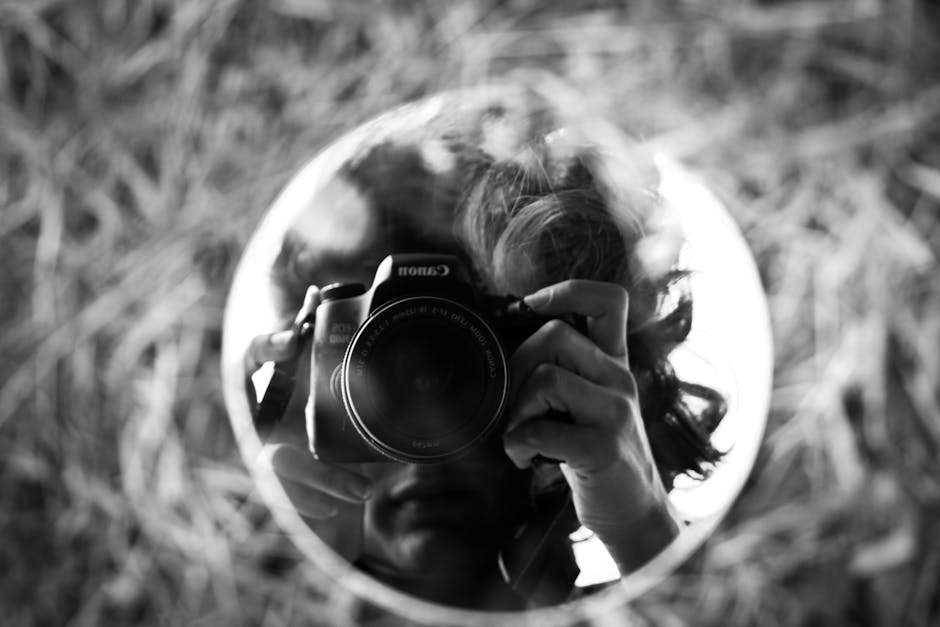
Throughout art history, some of the world's most celebrated artists have turned their gaze inward, creating self-portraits that reveal not only their physical appearances but also their inner lives, artistic philosophies, and the times in which they lived. These introspective works have become iconic masterpieces, offering viewers an intimate glimpse into the minds of creative geniuses across centuries. From the Renaissance to the modern era, certain self-portraits have transcended their original purpose to become cultural touchstones that continue to captivate audiences worldwide.
The Masters of Self-Reflection
1. Albrecht Dürer's Self-Portrait at Twenty-Eight
Created in 1500, Albrecht Dürer's self-portrait stands as one of the most audacious and revolutionary works of the Renaissance. The German master depicted himself in a frontal pose traditionally reserved for images of Christ, with his hand positioned in a blessing gesture. This bold choice was unprecedented for a self-portrait and demonstrated Dürer's belief in the divine nature of artistic creation. The painting showcases his exceptional technical skill with meticulous attention to detail in rendering his flowing hair and fur collar. The work reflects the Renaissance concept of the artist as a learned intellectual rather than a mere craftsman, marking a pivotal moment in how artists viewed themselves and their profession.
2. Rembrandt van Rijn's Self-Portrait with Two Circles
Painted around 1665-1669, this self-portrait by Rembrandt is considered one of his greatest achievements and represents the culmination of a lifetime of self-examination. The Dutch master created approximately 80 self-portraits throughout his career, but this late work stands out for its profound psychological depth and technical mastery. Rembrandt depicts himself in working clothes, holding palette and brushes, standing before a canvas with two mysterious circles in the background. The painting exemplifies his revolutionary use of light and shadow, with his face emerging from darkness in a way that suggests both physical presence and spiritual introspection. The work captures the wisdom and weariness of an aging artist who had experienced both triumph and tragedy.
3. Vincent van Gogh's Self-Portrait with Bandaged Ear
Completed in January 1889, shortly after the infamous incident in which Van Gogh mutilated his own ear, this self-portrait is one of the most psychologically intense works in art history. The Dutch post-impressionist painted himself wearing a blue cap and a green coat, with a bandage prominently covering his injured ear. Behind him hangs a Japanese woodblock print, reflecting his admiration for Japanese art. The painting's bold brushstrokes and vivid colors demonstrate Van Gogh's unique style while the artist's steady, penetrating gaze suggests a complex mixture of determination and vulnerability. This work is one of approximately 35 self-portraits Van Gogh created, serving as both artistic exploration and psychological documentation during his troubled final years.
4. Frida Kahlo's The Two Fridas
Painted in 1939 following her divorce from Diego Rivera, "The Two Fridas" is Frida Kahlo's largest work and one of her most iconic self-portraits. The Mexican artist depicted herself twice, sitting side by side, with both figures holding hands. One Frida wears a traditional Tehuana dress representing the woman Diego loved, while the other wears a Victorian wedding dress representing European heritage. Their hearts are exposed and connected by a single vein, which the European Frida attempts to sever with surgical scissors. This powerful work explores themes of identity, duality, heartbreak, and cultural heritage. The painting has become a symbol of female empowerment and Mexican cultural pride, cementing Kahlo's status as one of the twentieth century's most influential artists.
5. Leonardo da Vinci's Possible Self-Portrait in Red Chalk
Dating to approximately 1512, this red chalk drawing is widely believed to be Leonardo da Vinci's self-portrait, though some scholars debate its authenticity. The drawing depicts an elderly man with flowing hair and a long beard, his face marked by experience and contemplation. The image has become the iconic representation of Leonardo, embodying our cultural conception of the Renaissance genius. The work demonstrates the artist's mastery of the chalk medium, with subtle modeling creating a powerful sense of three-dimensionality. Whether definitively by Leonardo or not, this portrait has profoundly influenced how subsequent generations have visualized the archetypal Renaissance man and continues to be one of the most reproduced images in art history.
6. Artemisia Gentileschi's Self-Portrait as the Allegory of Painting
Created around 1638-1639, this remarkable work by Artemisia Gentileschi represents a groundbreaking moment for female artists. Gentileschi depicted herself in the act of painting, embodying "La Pittura," the allegorical personification of painting itself. This was a radical statement, as traditional allegory could only be represented by female figures, meaning male artists could never physically embody their art in this way. The dynamic composition shows the artist with her arm raised, brush in hand, completely absorbed in her work. The painting celebrates the intellectual and physical labor of artistic creation while asserting Gentileschi's rightful place among the great masters of Baroque painting, despite the gender barriers of her time.
7. Egon Schiele's Self-Portrait with Physalis
Painted in 1912, this self-portrait by Austrian expressionist Egon Schiele exemplifies his raw, psychologically intense style. The angular, distorted figure and the artist's confrontational gaze create an unsettling yet captivating image. Schiele depicted himself with characteristic elongated forms and expressive line work, holding a physalis fruit, which adds an element of symbolism related to life, death, and sensuality. The work reflects the artist's preoccupation with mortality and the human condition, themes that pervaded his brief but influential career. Schiele's unflinching approach to self-portraiture pushed boundaries and influenced generations of expressionist artists who followed.
8. Diego Velázquez's Las Meninas
While technically a court painting created in 1656, "Las Meninas" is often considered one of the most sophisticated self-portraits ever made. Velázquez included himself in the composition, standing at his canvas while painting the Spanish royal family. The complex work plays with perspective, reality, and illusion, featuring mirrors and multiple viewpoints that create an intellectual puzzle for viewers. Velázquez portrayed himself wearing the cross of the Order of Santiago, asserting his status as a nobleman rather than a mere craftsman. This masterpiece has been called "the theology of painting" and has influenced countless artists, including Picasso, who created his own series of variations on the work.
9. Andy Warhol's Self-Portrait in Drag
Created in 1981, this series of Polaroid self-portraits shows Andy Warhol wearing makeup, a wig, and feminine accessories, presenting a provocative exploration of identity, gender, and celebrity. These works exemplify Warhol's fascination with transformation, artifice, and the construction of public personas. The Pop Art icon applied his signature silk-screening process to these images, creating multiple versions in different colors that emphasized the manufactured nature of identity. These self-portraits challenged conventional notions of masculinity and self-representation, reflecting the experimental culture of 1980s New York and cementing Warhol's status as an artist who constantly blurred boundaries between high art and popular culture.
10. Rembrandt's Self-Portrait at the Age of 63
Completed in 1669, the year of Rembrandt's death, this final self-portrait represents the artist's last meditation on his own image and mortality. The painting shows an aging, weather-worn man who has lost his wealth and most of his family, yet maintains a dignified presence. The masterful handling of light creates a gentle glow around his face, while the loose, confident brushwork demonstrates skills honed over a lifetime. Unlike earlier self-portraits where Rembrandt depicted himself in elaborate costumes, this work shows him simply as an old painter, stripped of pretense. The painting's profound humanity and technical brilliance make it one of the most moving works in Western art, serving as both a personal farewell and a testament to the enduring power of artistic vision.
The Enduring Legacy of Self-Examination
These ten masterworks represent more than mere exercises in self-documentation; they are profound statements about artistic identity, human psychology, and the evolving role of artists in society. From Dürer's divine aspirations to Warhol's playful deconstruction of identity, each self-portrait reveals how artists have used their own images to explore universal themes of mortality, creativity, suffering, and triumph. These works continue to resonate with contemporary audiences because they speak to fundamental questions about who we are and how we see ourselves. They remind us that the most compelling art often begins with the courage to look honestly at oneself, and that through this intimate act of self-examination, artists can create works that speak to the shared human experience across centuries and cultures.