

1 / 10 Questions
0 Points

In what U.S. state is the Cuyahoga River located?

Ohio

Pennsylvania

Michigan

Indiana

Points won
0
Correct score
0%

More Questions

More Articles

12 Amazing Facts About the Evolution of Hip-Hop

12 Amazing Facts About the Evolution of Hip-Hop

⏱️ 6 min read

Hip-hop has transformed from underground block parties in the Bronx to a dominant global cultural force that influences music, fashion, language, and art worldwide. This journey spans five decades of innovation, creativity, and social commentary. Understanding the pivotal moments and surprising developments in hip-hop's evolution reveals not just the history of a genre, but the story of cultural revolution and artistic perseverance.

The Foundation and Growth of Hip-Hop Culture

1. DJ Kool Herc's Breakbeat Innovation Created the Blueprint

In 1973, Jamaican-born DJ Kool Herc revolutionized music by isolating and extending the instrumental "break" sections of funk and soul records at a party on Sedgwick Avenue in the Bronx. This technique, called the "Merry-Go-Round," allowed dancers to showcase their moves during these percussive breaks. Herc's innovation laid the rhythmic foundation for hip-hop, demonstrating that DJs could be creative artists rather than simply playing records. His sound system culture, influenced by Jamaican dancehall traditions, introduced the concept of the DJ as a central figure in the music experience.

2. The Four Elements Were Established as Cultural Pillars

Hip-hop culture crystallized around four essential elements: MCing (rapping), DJing, breaking (breakdancing), and graffiti art. Afrika Bambaataa, one of hip-hop's founding fathers, formally recognized these pillars as interconnected aspects of a unified culture. Later, a fifth element—knowledge—was added to emphasize consciousness and understanding. This framework distinguished hip-hop from being merely a musical genre, establishing it as a comprehensive cultural movement with multiple forms of artistic expression working in harmony.

3. "Rapper's Delight" Brought Hip-Hop to Mainstream Radio

When the Sugarhill Gang released "Rapper's Delight" in 1979, it became the first hip-hop single to reach the top 40 on the Billboard charts. The 14-minute track introduced millions of listeners worldwide to rap music, proving that hip-hop had commercial viability beyond New York City neighborhoods. Despite controversy over the group's authenticity within the hip-hop community, the song's success opened doors for countless artists and established hip-hop as a legitimate force in the music industry.

Technological and Artistic Innovations

4. Sampling Technology Revolutionized Production Techniques

The introduction of affordable samplers like the E-mu SP-1200 and Akai MPC60 in the mid-1980s transformed hip-hop production. Producers could now digitally capture and manipulate sounds from existing records, creating entirely new compositions. This technology enabled producers like Marley Marl, DJ Premier, and Pete Rock to craft complex, layered soundscapes. Sampling became both an art form and a controversial practice, leading to landmark copyright cases that reshaped music law and forced producers to either clear samples or develop new creative approaches.

5. Run-DMC Merged Hip-Hop with Rock Music

Run-DMC's 1986 collaboration with Aerosmith on "Walk This Way" shattered genre boundaries and expanded hip-hop's audience exponentially. The fusion brought hip-hop to rock radio stations and MTV, introducing the culture to suburban America and international markets. This crossover success demonstrated hip-hop's versatility and its potential to dialogue with other musical traditions, paving the way for future genre-blending experiments that would keep hip-hop innovative and relevant.

6. The Golden Age Elevated Lyrical Complexity

The late 1980s through the early 1990s witnessed unprecedented lyrical sophistication. Artists like Rakim, Big Daddy Kane, Kool G Rap, and KRS-One developed intricate rhyme schemes, internal rhyme patterns, and complex metaphors that elevated rap to a legitimate literary art form. This era emphasized technical skill, with MCs competing to demonstrate superior wordplay, multisyllabic rhyming, and conceptual depth. The Golden Age established standards of lyrical excellence that continue to influence contemporary artists.

Regional Diversity and Commercial Expansion

7. West Coast Hip-Hop Created a Distinct Sound and Identity

While hip-hop originated on the East Coast, the West Coast developed its own distinctive style in the late 1980s. Artists like N.W.A., Ice-T, and Too Short created harder-edged narratives reflecting Los Angeles street life, while producers used funk samples and synthesizers to craft a sound markedly different from East Coast boom-bap. This regional diversification proved that hip-hop could adapt to different environments and perspectives, establishing a pattern of regional innovation that would spread nationwide.

8. Southern Hip-Hop Transformed the Genre's Commercial Landscape

Throughout the 1990s and 2000s, Southern cities like Atlanta, Houston, Memphis, and New Orleans developed unique hip-hop styles that eventually dominated mainstream charts. Artists like OutKast, UGK, Three 6 Mafia, and Lil Wayne introduced distinct production styles, slang, and approaches to rhythm that challenged New York and Los Angeles's cultural dominance. The South's rise demonstrated hip-hop's democratic nature—success could come from anywhere with authentic artistic vision and connection to local culture.

Cultural Impact and Global Reach

9. Hip-Hop Became a Billion-Dollar Industry

From humble beginnings at park jams, hip-hop evolved into a multi-billion-dollar global industry. By the 2000s, hip-hop artists weren't just musicians but entrepreneurs building empires in fashion, technology, beverages, and media. Figures like Jay-Z, Diddy, and Dr. Dre demonstrated that hip-hop moguls could achieve billionaire status, fundamentally changing perceptions of the genre's economic potential and the business acumen of its practitioners.

10. The Internet and Social Media Democratized Distribution

Digital platforms revolutionized how hip-hop music reaches audiences. Artists no longer needed major label support to find listeners; platforms like SoundCloud, YouTube, and later Spotify allowed independent artists to build massive followings. This democratization enabled the rise of artists like Chance the Rapper, who achieved mainstream success without traditional record deals, and fostered regional scenes that might have remained obscure in previous eras. Social media also allowed direct artist-fan relationships that transformed marketing and community building.

11. Trap Music Dominated Modern Hip-Hop Soundscapes

Emerging from Atlanta in the early 2000s, trap music—characterized by rolling hi-hats, booming 808 bass, and dark synthesizers—became the dominant sound in contemporary hip-hop. Producers like Shawty Redd, Lex Luger, and Metro Boomin crafted atmospheric, hard-hitting beats that influenced not just hip-hop but pop, EDM, and international music. Trap's global influence demonstrates hip-hop's continued evolution and its ability to generate new subgenres that reshape popular music.

12. Hip-Hop Became the Most Popular Music Genre in America

In 2017, hip-hop officially surpassed rock as the most consumed music genre in the United States, according to Nielsen Music. This milestone represented a complete cultural shift—what began as an underground movement dismissed by mainstream culture had become the dominant force in American music. Hip-hop's streaming numbers, cultural influence, and crossover appeal demonstrate its transformation from rebellious subculture to central pillar of global popular culture.

Continuing Evolution

Hip-hop's evolution reflects broader changes in technology, society, and global culture. From DJ Kool Herc's first breakbeat experiments to its current status as the world's most influential music genre, hip-hop has consistently innovated while maintaining connection to its foundational elements. Each generation of artists has pushed boundaries while respecting tradition, ensuring the culture remains vital and relevant. As hip-hop continues evolving, it carries forward the creativity, resilience, and authentic expression that defined it from the beginning, promising future innovations that will surprise and inspire new generations of fans and artists alike.
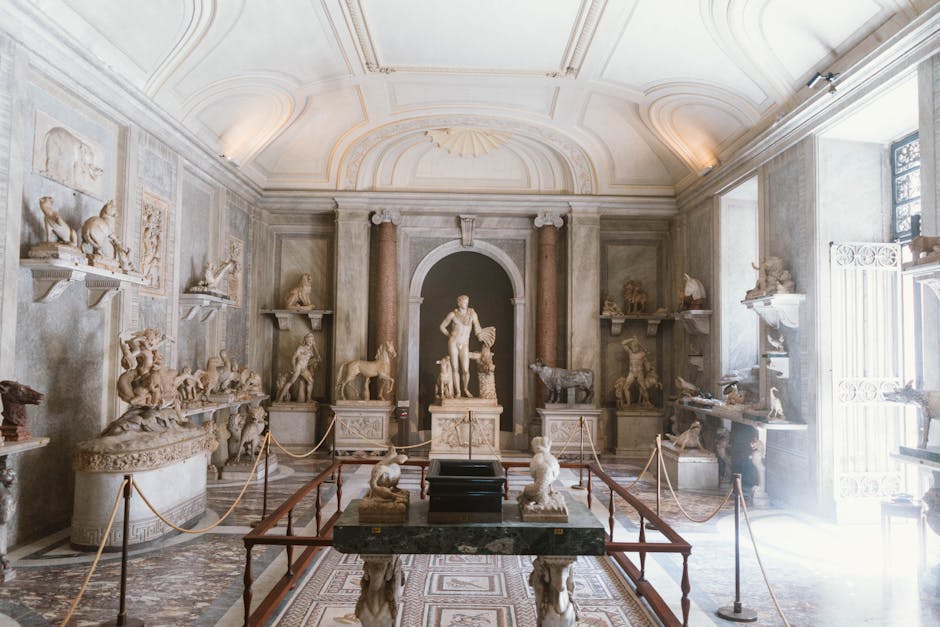
Top 10 Fun Facts About the Renaissance Era

Top 10 Fun Facts About the Renaissance Era

⏱️ 6 min read

The Renaissance, spanning roughly from the 14th to the 17th century, represents one of history's most transformative periods. This era of cultural rebirth bridged the gap between medieval times and the modern world, introducing revolutionary changes in art, science, philosophy, and society. Beyond the well-known masterpieces and famous figures, the Renaissance harbored fascinating details that reveal the complexity and vibrancy of this extraordinary period.

Remarkable Discoveries from the Age of Enlightenment

1. Leonardo da Vinci Wrote Backwards in Mirror Script

The legendary polymath Leonardo da Vinci filled thousands of pages with notes written in reverse, readable only when held up to a mirror. Scholars debate whether this unique practice stemmed from his left-handedness, making it more natural to write from right to left, or if he deliberately concealed his ideas from prying eyes. His notebooks contained revolutionary concepts centuries ahead of their time, including designs for helicopters, tanks, and submarines. This peculiar writing method has preserved approximately 13,000 pages of his observations, sketches, and inventions, offering modern researchers invaluable insights into Renaissance thinking.

2. The Medici Family Revolutionized Banking and Patronage

The Medici dynasty of Florence didn't just support the Renaissance—they effectively bankrolled it. This wealthy banking family invented the double-entry bookkeeping system still used today and established branches across Europe, becoming the Vatican's official bankers. Their patronage system transformed how art and culture flourished, commissioning works from Michelangelo, Botticelli, and Donatello. The Medicis produced four popes, two French queens, and effectively ruled Florence for centuries, demonstrating how commercial innovation and cultural investment could reshape civilization itself.

3. Renaissance Artists Dissected Corpses for Anatomical Accuracy

The pursuit of realistic human representation led Renaissance artists to perform illegal human dissections. Michelangelo, Leonardo da Vinci, and others secretly studied cadavers, often obtained from hospitals or executed criminals, to understand muscular structure, skeletal composition, and organ placement. This dangerous practice, forbidden by the Catholic Church, revolutionized both art and medical science. Leonardo alone dissected over thirty corpses, creating anatomical drawings so precise that medical students still reference them today. This marriage of art and science exemplified the Renaissance spirit of inquiry and observation.

4. Venice Operated as a Thriving Multicultural Trading Empire

Renaissance Venice functioned as a cosmopolitan crossroads where East met West, hosting merchants from across the known world. The city-state controlled Mediterranean trade routes, importing spices, silks, and knowledge from Asia and the Middle East. Venice boasted Europe's first public lending library, pioneered the printing press outside Germany, and maintained a sophisticated diplomatic corps. Its unique republican government, architectural splendor, and religious tolerance made it a beacon of Renaissance innovation. The Venetian Arsenal, a massive shipyard, could produce a complete merchant vessel in a single day using assembly-line techniques.

5. Women Achieved Remarkable Success Despite Social Constraints

While Renaissance society imposed strict limitations on women, remarkable individuals broke through these barriers. Artemisia Gentileschi became one of the era's most accomplished painters, commanding prices equal to male contemporaries. Isabella d'Este, the "First Lady of the Renaissance," governed Mantua, patronized artists, and influenced European politics. Female humanists like Cassandra Fedele delivered public orations, while Laura Cereta defended women's education through published letters. Convents provided spaces where women pursued scholarly and artistic endeavors, with nuns composing music, illuminating manuscripts, and studying theology.

6. The Printing Press Sparked an Information Revolution

Johannes Gutenberg's movable-type printing press, invented around 1440, transformed European society more rapidly than any previous technology. Before this innovation, a single manuscript required months of hand-copying by scribes. The printing press reduced book production from months to days, making knowledge accessible beyond wealthy monasteries and universities. By 1500, European presses had produced approximately twenty million books. This explosion of printed material accelerated the spread of Renaissance ideas, scientific discoveries, and religious reformation, fundamentally democratizing information and literacy.

7. Renaissance Banquets Featured Elaborate Theatrical Productions

Elite Renaissance dining transcended mere eating, evolving into spectacular multimedia events lasting hours or days. Hosts staged elaborate "trionfi"—sculptural centerpieces depicting mythological scenes made from sugar, marzipan, or ice. Between courses, guests enjoyed theatrical performances, musical interludes, and allegorical pageants. The Medici wedding feast of 1469 featured a mechanical lion that walked toward guests and opened to release lilies. These extravagant displays demonstrated wealth, artistic sophistication, and classical knowledge, turning meals into immersive cultural experiences that reflected Renaissance values of beauty and excess.

8. Alchemy Bridged Mysticism and Scientific Discovery

Renaissance alchemists, often dismissed as pseudoscientists, actually pioneered legitimate chemical processes while seeking the philosopher's stone and immortality elixirs. Their experiments contributed to developing distillation techniques, understanding chemical reactions, and creating new compounds. Famous figures like Paracelsus revolutionized medicine by introducing chemical remedies rather than relying solely on herbal treatments. Alchemists developed laboratory equipment and methodologies that laid groundwork for modern chemistry. Their blend of mystical philosophy and practical experimentation exemplified the Renaissance transition from medieval superstition toward empirical science.

9. Perspective Drawing Changed Visual Representation Forever

Filippo Brunelleschi's discovery of linear perspective around 1415 revolutionized how artists depicted three-dimensional space on flat surfaces. This mathematical system, using vanishing points and horizon lines, created unprecedented realism in paintings and architectural drawings. Architects employed perspective to design harmonious buildings with proportions based on mathematical ratios. The technique spread rapidly throughout Europe, fundamentally altering visual arts and establishing standards still taught in art schools today. This innovation represented the Renaissance emphasis on observation, mathematics, and the systematic study of nature.

10. The Renaissance Rediscovered and Preserved Ancient Knowledge

Renaissance scholars actively sought lost classical texts, traveling across Europe and the Middle East to locate forgotten manuscripts. The fall of Constantinople in 1453 brought Greek scholars and their libraries westward, introducing Europeans to original Greek philosophical and scientific works. Humanists like Petrarch championed studying ancient Roman and Greek literature, sparking renewed interest in classical languages, rhetoric, and philosophy. This recovery effort preserved countless works that might otherwise have been lost forever, reconnecting European civilization with its classical heritage and inspiring the era's cultural flowering.

The Lasting Impact of Renaissance Innovation

These fascinating aspects of the Renaissance reveal an era defined by curiosity, innovation, and the fearless pursuit of knowledge. From revolutionary artistic techniques to groundbreaking scientific inquiry, from powerful patronage networks to the democratization of information, the Renaissance established foundations for the modern world. The period's emphasis on human potential, empirical observation, and cultural achievement continues influencing contemporary society, reminding us that transformation emerges when creativity, intellect, and ambition converge to challenge existing boundaries and reimagine human possibility.