








1 / 10 Questions
0 Points

Which pirate's fearsome flag showed a skeleton clutching an hourglass and a deadly spear?

Calico Jack

Blackbeard

Bartholomew Roberts

Captain Kidd

Points won
0
Correct score
0%

More Questions

More Articles

Did You Know Cricket Matches Can Last 5 Days?

Did You Know Cricket Matches Can Last 5 Days?

⏱️ 6 min read

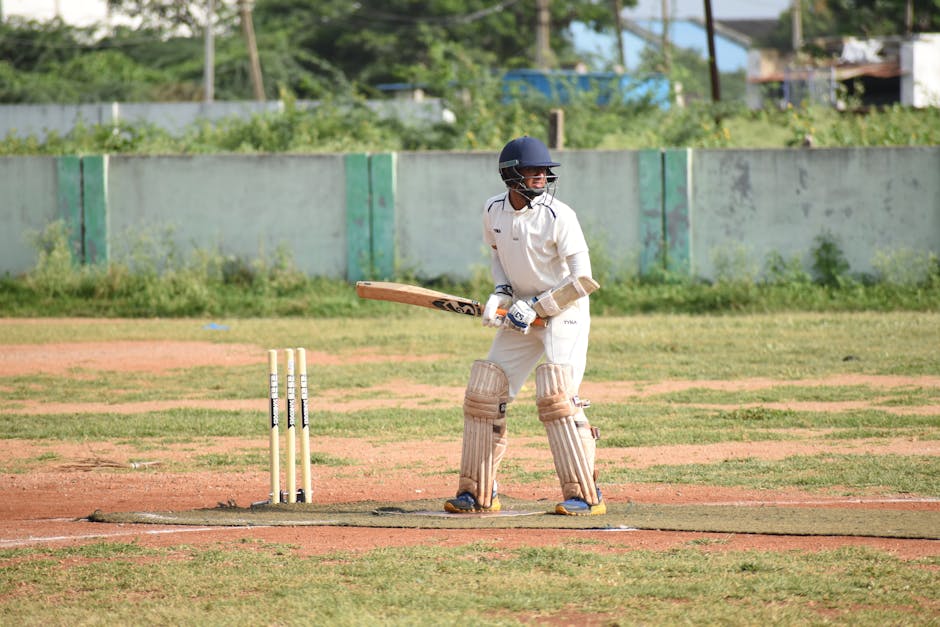
Cricket stands apart from most other sports with its unique format and extraordinary time commitment. While most sporting events conclude within a few hours, cricket has evolved several formats, with Test cricket being the longest and most traditional form of the game. For those unfamiliar with the sport, the concept of a match lasting five full days might seem incomprehensible, yet this extended format creates a complex strategic battleground that tests players' physical endurance, mental strength, and tactical acumen in ways that shorter formats simply cannot replicate. Understanding the intricacies of five-day cricket matches reveals fascinating aspects of this beloved international sport.

The Structure and Evolution of Test Cricket

The Five-Day Format Explained

Test cricket matches are scheduled to last up to five days, with approximately six hours of play each day, divided into three sessions. Each day typically consists of 90 overs, with each over comprising six deliveries. This structure provides teams with up to 450 overs across the entire match to outscore their opponents. The match is divided into four innings, with each team batting twice and bowling twice, allowing for dramatic shifts in momentum and requiring comprehensive strategies that must adapt over multiple days.

The extended timeframe means that weather conditions, pitch deterioration, and player fatigue all become critical factors. Morning sessions often favor bowlers due to moisture and atmospheric conditions, while afternoons might be better for batting. As the match progresses, the pitch surface changes character, developing cracks and uneven bounce that can dramatically alter playing conditions. Teams must plan not just for the current session but for how conditions will evolve over the remaining days.

Historical Origins of Multi-Day Matches

The tradition of extended cricket matches dates back to the 18th and 19th centuries when cricket matches had no time limit whatsoever. The first officially recognized Test match took place in 1877 between Australia and England in Melbourne, establishing international cricket competition. Initially, matches were played to a finish regardless of how long they took, with some early matches extending beyond five days.

The five-day limit was standardized in the 20th century to make the format more manageable for spectators and broadcasters while still preserving the sport's traditional character. Before this standardization, timeless Tests occasionally produced absurd situations, such as the 1939 England-South Africa match in Durban that was abandoned after ten days of play because the English team needed to catch their boat home. The match remained a draw despite 43 hours and 16 minutes of actual playing time.

Strategic Complexity Across Multiple Days

The five-day format creates layers of strategic depth impossible in shorter formats. Captains must decide when to bat, when to declare an innings closed, when to attack with aggressive field placements, and when to defend. These decisions have consequences that ripple across multiple days. A conservative approach on day one might seem prudent but could prove costly if rain washes out day four. Conversely, aggressive batting that leads to an early dismissal might leave a team vulnerable for the remainder of the match.

Bowlers must be carefully managed across five days, with fast bowlers requiring rest periods to maintain effectiveness and avoid injury. Spinners often become more dangerous as the pitch deteriorates on days four and five. Teams typically select a balanced squad of fast bowlers, spin bowlers, and all-rounders who can contribute with both bat and ball, recognizing that different skills will be needed at different stages of the match.

Physical and Mental Endurance Requirements

Playing or even participating in a five-day Test match demands exceptional physical conditioning and mental resilience. Batsmen might spend an entire day at the crease, requiring intense concentration for six or more hours. Fast bowlers run the equivalent of a half-marathon over the course of bowling their overs across multiple days, generating explosive power with each delivery while maintaining accuracy and strategy.

Fielders must remain alert throughout extended periods, sometimes in extreme heat or other challenging conditions. The mental pressure intensifies as the match progresses, with small mistakes becoming magnified when they occur on the final day of a closely contested match. Players must manage not just physical fatigue but also the psychological demands of maintaining focus and intensity across such an extended timeframe, often while dealing with the pressure of representing their nation on the international stage.

Modern Variations and Match Outcomes

Despite being scheduled for five days, Test matches don't always last the full duration. A match can end earlier if one team achieves victory by either dismissing the opposition twice and scoring more runs, or by establishing an insurmountable lead. Dominant performances occasionally produce results in three or four days, though such outcomes typically require either exceptional bowling performances or significant disparities in team strength.

The possibility of a draw remains unique to Test cricket and adds another strategic dimension. If neither team can force a victory within five days, the match ends as a draw, which is neither a win nor a loss. This outcome can result from defensive batting, time lost to weather, or evenly matched teams. Some critics argue that draws reduce excitement, but traditionalists contend that the threat of a draw forces teams to take calculated risks, creating compelling strategic battles. In Test series consisting of multiple matches, draws can prove crucial in determining overall series winners.

Conclusion

The five-day Test match format represents cricket's most traditional and challenging form, creating a unique sporting spectacle that demands patience, skill, and strategic thinking from players and spectators alike. From its historical origins in timeless matches to the modern standardized format, Test cricket has evolved while maintaining its essential character as an extended contest of endurance and skill. The complex strategies that unfold across multiple days, the physical and mental demands placed on players, and the various possible outcomes all contribute to making five-day cricket matches a distinctive and beloved format. While modern cricket has introduced shorter formats like One Day Internationals and Twenty20 matches to appeal to contemporary audiences, Test cricket remains the ultimate examination of a cricketer's complete abilities, preserving traditions that connect today's players and fans with the sport's rich history spanning more than a century.
15 Fun Facts About Global Habits and Cultures

15 Fun Facts About Global Habits and Cultures

⏱️ 7 min read

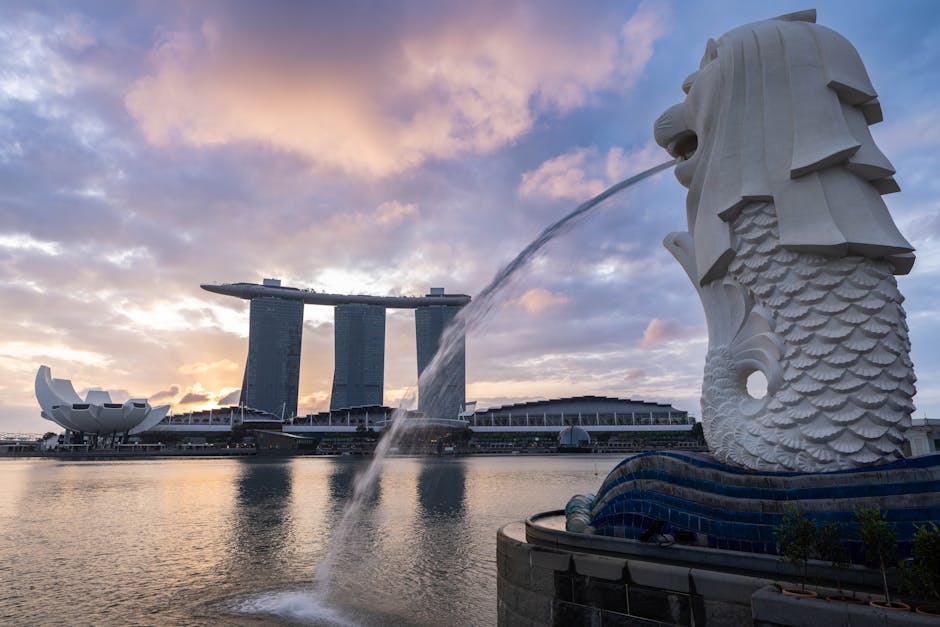
From the bustling streets of Tokyo to the serene villages of Scandinavia, human cultures have developed fascinating traditions, habits, and practices that reflect their unique histories, environments, and values. These cultural quirks not only showcase the diversity of human experience but also remind us of the creative ways societies have adapted to their surroundings and expressed their identities. Let's explore some of the most intriguing customs and habits from around the world that continue to shape how billions of people live their daily lives.

Discovering the World's Most Fascinating Cultural Practices

1. Japan's Art of Sleeping at Work

In Japan, the practice of "inemuri" or sleeping while present is not only tolerated but often respected in workplace settings. This cultural phenomenon allows people to doze off during meetings or on public transportation without social stigma. Rather than being seen as lazy, it's interpreted as a sign that someone is working so hard they're exhausted. The key difference from Western napping is that inemuri requires maintaining a socially engaged posture, suggesting you're still somewhat present and could be roused if needed.

2. Spain's Late-Night Dining Tradition

Spaniards typically eat dinner between 9 PM and midnight, much later than most Western countries. This habit stems from Spain's unique daily schedule, which historically included a midday siesta during the hottest hours. The late sunset times, especially in summer when darkness doesn't fall until after 10 PM, reinforce this pattern. This eating schedule is so ingrained that restaurants often don't even open for dinner service until 8 or 9 PM.

3. The Finnish Practice of Sauna Diplomacy

Finland has more saunas than cars, with approximately 3.3 million saunas for a population of 5.5 million people. Beyond relaxation, saunas serve as important social and business venues where important decisions are made and deals are negotiated. This tradition is so significant that the Finnish government has official saunas for hosting diplomatic meetings, believing that the informal, equalizing atmosphere helps facilitate honest conversations and relationship building.

4. India's Head Wobble Communication

The distinctive Indian head wobble, a side-to-side tilting motion, is one of the most recognizable gestures in South Asian culture. Unlike a simple yes or no, this movement can convey acknowledgment, agreement, understanding, or even "maybe," depending on the context, speed, and accompanying facial expressions. Foreigners often find this gesture confusing, as it doesn't correspond to Western nodding or head-shaking conventions, yet it's an essential part of non-verbal communication across the Indian subcontinent.

5. France's Sacred Bread Laws

France takes its bread so seriously that there's an actual law, "Le Décret Pain" from 1993, defining what can legally be called a traditional baguette. The regulation specifies that authentic French baguettes can only contain four ingredients: wheat flour, water, salt, and yeast. Additionally, French bakeries must make their bread on-site to be called a "boulangerie." This legal protection ensures the preservation of traditional bread-making methods and maintains quality standards.

6. The Scandinavian Concept of Outdoor Learning

Scandinavian countries embrace "friluftsliv" (open-air living), with Norway, Sweden, and Denmark incorporating outdoor education into their school systems regardless of weather. Children regularly have classes outside, even in winter, and many preschools conduct almost all activities outdoors. This practice is believed to boost immune systems, improve concentration, and foster a deeper connection with nature that lasts into adulthood.

7. South Korea's Age Calculation System

In South Korea, people have traditionally been considered one year old at birth, and everyone gains a year on New Year's Day rather than on individual birthdays. This means a baby born on December 31st would be considered two years old the very next day. While South Korea adopted the international age system officially in 2023, the traditional counting method still influences social interactions and cultural understanding, as age determines respect levels and social hierarchies.

8. Brazil's Love for Showering Multiple Times Daily

Brazilians shower more frequently than any other nationality, with many people bathing two to three times per day. This habit is influenced by the tropical climate, cultural emphasis on personal hygiene and appearance, and the social nature of Brazilian life. It's common to shower before leaving the house, upon returning home, and before bed, making Brazil one of the highest consumers of personal care products globally.

9. The Dutch Directness in Communication

The Netherlands is famous for its culture of extreme directness, where people value honest, straightforward communication over polite ambiguity. Dutch people typically say exactly what they mean without sugar-coating, which can shock visitors from cultures that prioritize indirect communication. This bluntness isn't considered rude but rather efficient and respectful, as it demonstrates trust that others can handle honest feedback.

10. Ethiopia's Unique Time System

Ethiopia follows a clock system where the day begins at dawn rather than midnight. What the rest of the world calls 7 AM is 1 o'clock in Ethiopian time, counting from sunrise. Similarly, 7 PM becomes 1 o'clock in the evening, counting from sunset. This system reflects the country's proximity to the equator, where sunrise and sunset occur at relatively consistent times year-round, making this method practical for daily life.

11. Turkey's Tea Consumption Culture

Turkey ranks among the world's highest tea consumers per capita, with the average Turk drinking more than 1,200 cups annually. Turkish tea, served in distinctive tulip-shaped glasses, is integral to social interactions, business meetings, and hospitality. Refusing tea can be considered impolite, and it's common for tea to be offered continuously throughout visits, with the strength indicated by requesting "açık" (light) or "koyu" (dark) tea.

12. New Zealand's Barefoot Lifestyle

New Zealanders, or Kiwis, are remarkably comfortable going barefoot in public places where other cultures would consider it inappropriate. It's common to see people shopping, dining at casual restaurants, or walking city streets without shoes. This relaxed attitude stems from the country's beach culture, temperate climate, and overall laid-back lifestyle that values connection with nature and casual comfort over formality.

13. Iceland's Unique Naming Tradition

Iceland maintains a traditional patronymic naming system where last names are derived from the father's (or sometimes mother's) first name plus "son" or "dóttir" (daughter). For example, a man named Jón whose father is Gunnar would be Jón Gunnarsson, while his sister would be Anna Gunnarsdóttir. Iceland also maintains an official list of approved names, and proposed names must be submitted to the Icelandic Naming Committee for approval to ensure they fit Icelandic grammar and cultural standards.

14. The Italian Aperitivo Ritual

The Italian aperitivo is a pre-dinner drinking culture that transforms early evening into a social event. Between 6 PM and 9 PM, Italians gather at bars for drinks accompanied by complimentary snacks ranging from simple chips and olives to elaborate buffets. This tradition serves as a bridge between the workday and dinner, encouraging social connection and relaxation. In Milan, the aperitivo culture is so developed that the substantial food offerings can replace dinner entirely, known as "apericena."

15. The Middle Eastern Coffee Fortune-Telling

Throughout Turkey, Greece, and many Middle Eastern countries, reading coffee grounds (tasseography) remains a popular tradition. After drinking Turkish or Greek coffee, the cup is turned upside down on the saucer to cool. Once settled, the patterns formed by the grounds are interpreted to reveal insights about the drinker's future, personality, or current situations. This practice combines social gathering with mysticism, and many people consult experienced readers for important life decisions.

Celebrating Our Diverse World

These fascinating cultural habits and traditions demonstrate the remarkable diversity of human societies and the creative ways different communities have organized their social lives. From Japan's acceptance of workplace napping to Iceland's unique naming conventions, each practice reflects deeper values about time, relationships, communication, and identity. Understanding these cultural differences not only enriches our knowledge but also promotes empathy and appreciation for the varied ways humans experience and interpret the world. As globalization continues to connect us, maintaining awareness and respect for these distinctive cultural practices becomes increasingly important, allowing us to celebrate diversity while finding common ground in our shared humanity.