









1 / 10 Questions
0 Points

Which Element Has The Symbol Fe?

Iron

Francium

Fermium

Fluorine

Points won
0
Correct score
0%

More Questions

More Articles

Top 10 Most Important Events in Human History

Top 10 Most Important Events in Human History

⏱️ 6 min read

Throughout the vast expanse of human existence, certain pivotal moments have fundamentally altered the trajectory of civilization. These transformative events have shaped societies, redefined cultures, and created the world we inhabit today. From agricultural breakthroughs to technological revolutions, from ideological shifts to scientific discoveries, these watershed moments continue to influence modern life in profound ways. Understanding these critical junctures provides insight into humanity's remarkable journey and the forces that have propelled us forward.

The Defining Moments That Shaped Civilization

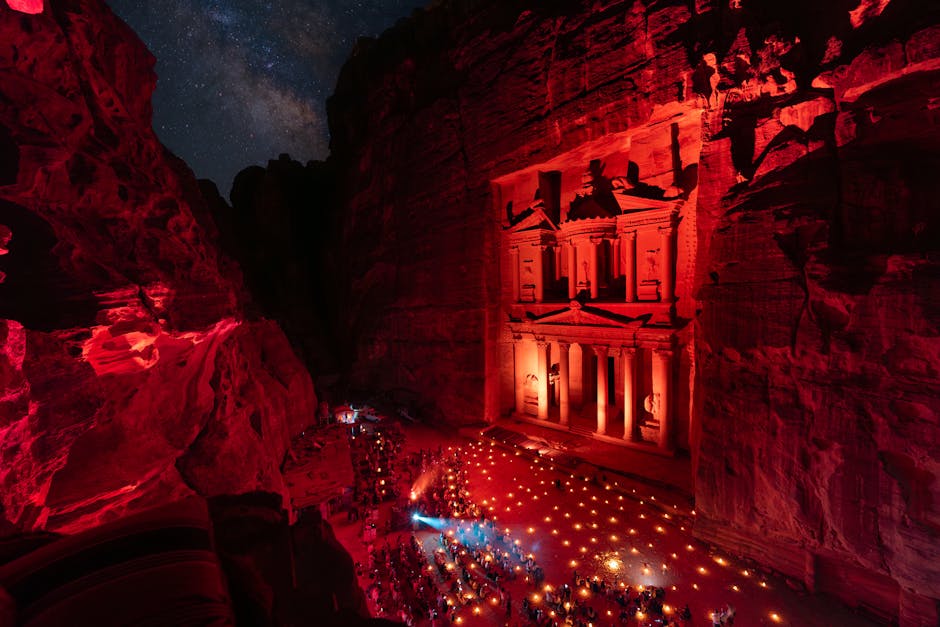
1. The Agricultural Revolution (circa 10,000 BCE)

The transition from nomadic hunter-gatherer societies to settled agricultural communities represents perhaps the most fundamental shift in human history. This transformation, which began in the Fertile Crescent and independently emerged in various regions worldwide, allowed humans to cultivate crops and domesticate animals. The ability to produce surplus food enabled population growth, the establishment of permanent settlements, and the development of complex social structures. This revolution laid the groundwork for civilization itself, leading to specialized labor, trade networks, and the eventual rise of cities and states.

2. The Invention of Writing (circa 3400 BCE)

When the ancient Sumerians developed cuneiform script in Mesopotamia, humanity gained the ability to record information, preserve knowledge across generations, and communicate complex ideas beyond oral tradition. Writing systems emerged independently in various civilizations, including Egyptian hieroglyphics and Chinese characters. This innovation revolutionized governance, commerce, religion, and education. Written records allowed societies to maintain legal codes, document historical events, preserve literary works, and accumulate scientific knowledge, fundamentally transforming human culture and intellectual development.

3. The Birth and Spread of Major World Religions

Between approximately 2000 BCE and 700 CE, the world's major religious traditions emerged and spread across continents. Buddhism, Christianity, Islam, Hinduism, and Judaism profoundly influenced moral frameworks, legal systems, artistic expression, and social organization. These belief systems provided answers to existential questions, established ethical guidelines, and created communities bound by shared values. The influence of these religions extends far beyond spiritual matters, shaping politics, education, art, architecture, and international relations throughout history and into the present day.

4. The Fall of Rome and the End of the Ancient World (476 CE)

The collapse of the Western Roman Empire marked the end of classical antiquity and ushered in the medieval period. This transition dramatically altered the political landscape of Europe and the Mediterranean, fragmenting a unified empire into numerous kingdoms and territories. The fall of Rome disrupted trade networks, altered cultural transmission, and changed the structure of European society. However, it also set the stage for the development of new political systems, the preservation of classical knowledge by Islamic scholars and Christian monasteries, and the eventual emergence of modern European nations.

5. The Printing Revolution (1440 CE)

Johannes Gutenberg's invention of the movable-type printing press democratized access to information in unprecedented ways. Books, which had previously been painstakingly copied by hand and remained scarce and expensive, could now be produced rapidly and affordably. This technological breakthrough accelerated the spread of ideas, facilitated the Protestant Reformation, advanced scientific discourse, and promoted literacy across social classes. The printing press laid the foundation for the modern information age, making knowledge accessible to the masses and enabling the rapid dissemination of revolutionary concepts.

6. The Age of Exploration and Global Exchange (1492-1600s)

Christopher Columbus's voyage to the Americas in 1492 initiated an era of unprecedented global connection. European exploration and colonization connected previously isolated continents, creating lasting networks of trade, cultural exchange, and migration. The Columbian Exchange transformed diets, economies, and populations worldwide through the transfer of crops, animals, and technologies. While this period also brought devastating consequences including colonialism, slavery, and the decimation of indigenous populations through disease and conflict, it irrevocably created the interconnected global system that defines modern civilization.

7. The Scientific Revolution (16th-18th centuries)

The emergence of the scientific method and revolutionary discoveries by figures like Copernicus, Galileo, Newton, and others fundamentally changed humanity's understanding of the natural world. This intellectual movement challenged religious and philosophical dogma, establishing empirical observation and experimentation as the basis for knowledge. The Scientific Revolution laid the groundwork for the Enlightenment, transformed medicine, astronomy, physics, and chemistry, and created the foundation for modern technology. This shift from superstition and tradition to reason and evidence-based inquiry represents a crucial turning point in human thought.

8. The Industrial Revolution (1760-1840)

Beginning in Britain and spreading globally, the Industrial Revolution transformed human society from agrarian economies to industrial powerhouses. Innovations in manufacturing, transportation, and energy production, including the steam engine, mechanized textile production, and iron smelting, revolutionized economic structures and daily life. This period witnessed unprecedented urbanization, the rise of the working and middle classes, dramatic increases in productivity and wealth, and profound social changes. The Industrial Revolution established patterns of economic development, labor organization, and technological progress that continue to influence contemporary society.

9. World War II and Its Aftermath (1939-1945)

The deadliest conflict in human history reshaped the global political order, resulting in an estimated 70-85 million casualties. World War II ended European colonial dominance, established the United States and Soviet Union as superpowers, led to the creation of the United Nations, and redrew national boundaries across multiple continents. The war's conclusion brought the nuclear age, the Holocaust's horrifying revelation prompted international human rights conventions, and the subsequent Cold War defined international relations for decades. The conflict's legacy continues to influence geopolitics, international law, and collective memory.

10. The Digital Revolution (1950s-Present)

The development of computers, the internet, and digital technology has transformed virtually every aspect of human existence. From the first programmable computers to smartphones connecting billions of people, the digital age has revolutionized communication, commerce, entertainment, education, and social interaction. The internet has created unprecedented access to information, enabled global collaboration, and generated entirely new industries and forms of expression. This ongoing revolution continues to reshape human relationships, economies, and cultures at an accelerating pace, with artificial intelligence and emerging technologies promising further transformative changes.

The Continuing Legacy

These ten pivotal events demonstrate humanity's capacity for innovation, adaptation, and transformation. Each milestone built upon previous developments while creating new possibilities for future progress. From the agricultural foundations that enabled civilization to emerge, through intellectual and technological revolutions, to our current digital age, these moments reveal recurring themes: the power of innovation, the consequences of connectivity, and the profound impact of ideas. Understanding these transformative events provides perspective on contemporary challenges and opportunities, reminding us that history's trajectory results from human choices, creativity, and determination. As civilization continues to evolve, future generations will undoubtedly identify their own defining moments that build upon this remarkable legacy.
Top 10 Fun Facts About Horror Movies

Top 10 Fun Facts About Horror Movies

⏱️ 7 min read

Horror films have captivated audiences for over a century, delivering spine-tingling scares and unforgettable nightmares. Behind the blood-curdling screams and shadowy cinematography lies a fascinating world of creative ingenuity, unexpected challenges, and bizarre real-world consequences. The genre has produced some of cinema's most iconic moments while simultaneously pushing boundaries and testing the limits of what audiences can endure. From revolutionary special effects techniques to surprising audience reactions, the history of horror cinema is filled with remarkable stories that rival the films themselves.

Behind the Screams: Fascinating Horror Movie Revelations

The Exorcist Caused Real-World Medical Emergencies

When "The Exorcist" premiered in 1973, theaters were unprepared for the audience response. Moviegoers fainted, vomited, and experienced panic attacks in such large numbers that some theaters stationed paramedics in lobbies. Reports emerged of people running from theaters, and at least one case involved a woman who suffered a miscarriage that she attributed to the film's intensity. The phenomenon became so widespread that media outlets covered the "Exorcist effect" as a cultural event, with psychiatrists appearing on talk shows to discuss why the film triggered such visceral reactions. The movie's director, William Friedkin, later revealed that he included subliminal imagery throughout the film, including brief flashes of demonic faces, which may have contributed to viewers' unease without their conscious awareness.

Psycho's Chocolate Syrup Blood Revolution

Alfred Hitchcock's infamous shower scene in "Psycho" revolutionized horror cinematography, but the "blood" that shocked audiences was actually Bosco chocolate syrup. Since the film was shot in black and white, Hitchcock and cinematographer John L. Russell discovered that chocolate syrup provided the perfect viscosity and contrast on camera. This improvisation became an industry standard for black-and-white horror films. The shower scene itself required seven days to film and used 70 camera setups for just 45 seconds of footage. Hitchcock's meticulous attention to detail paid off—the sequence remains one of the most studied and parodied scenes in cinema history, fundamentally changing how violence could be suggested rather than explicitly shown on screen.

The Blair Witch Project's Five-Day Shoot Budget Miracle

Created for approximately $60,000 and filmed in just eight days, "The Blair Witch Project" became one of the most profitable films ever made, grossing nearly $250 million worldwide. The filmmakers gave the actors handheld cameras and GPS coordinates, leaving them to improvise much of their dialogue while the directors remained hidden in the woods, occasionally terrorizing them at night. The actors genuinely didn't know what scares awaited them, creating authentic reactions. The innovative marketing campaign blurred the lines between fiction and reality, with many viewers initially believing the footage was real. This guerrilla filmmaking approach and viral marketing strategy predated social media and permanently influenced how independent horror films could achieve massive success.

Scream's Groundbreaking Meta-Horror Commentary

Wes Craven's "Scream" revitalized the slasher genre in 1996 by having characters explicitly discuss horror movie rules and clichés while simultaneously following and subverting them. This self-aware approach was revolutionary, as horror films had rarely acknowledged their own conventions. The film's screenwriter, Kevin Williamson, wrote the script in just three days after watching the news about a series of real murders and wondering how he would survive a similar situation. The opening scene featuring Drew Barrymore was strategically designed to shock audiences by killing off the biggest star within the first 12 minutes, signaling that no character was safe. This meta-approach influenced countless films and television shows across all genres.

The Texas Chain Saw Massacre's PG-Rating Attempt

Despite its reputation as one of the most violent horror films ever made, "The Texas Chain Saw Massacre" contains remarkably little onscreen blood or gore. Director Tobe Hooper actually hoped to receive a PG rating by relying on suggestion and implied violence rather than explicit imagery. The film ultimately received an R rating, but Hooper's strategy proved that psychological horror and atmosphere could be more effective than graphic violence. The dinner scene, considered one of the most disturbing sequences in horror cinema, shows almost no actual violence but creates overwhelming discomfort through sound design, acting, and editing. The film's visceral impact demonstrates how perception often exceeds reality in effective horror filmmaking.

The Shining's Destroyed Door and Jack Nicholson's Firefighting Past

During the filming of "The Shining," the iconic "Here's Johnny!" scene required multiple takes because Jack Nicholson, who had previously worked as a volunteer firefighter, destroyed the door too quickly with the axe. The prop department had to build a more durable door because Nicholson's technique was too efficient. Director Stanley Kubrick was famous for demanding numerous takes—some scenes required over 100 attempts—but Nicholson's real-world experience created an unexpected production challenge. The phrase "Here's Johnny!" was actually improvised by Nicholson, referencing Johnny Carson's "Tonight Show" introduction. Kubrick initially didn't understand the reference but kept it in the film, creating one of horror's most quoted lines.

A Nightmare on Elm Street's Real-Life Inspiration

Writer-director Wes Craven based Freddy Krueger on a series of Los Angeles Times articles about Southeast Asian refugees who died during nightmares. The articles described young, healthy men who refused to sleep, fearing their dreams, and eventually died in their sleep with no medical explanation. Craven combined this phenomenon with a childhood memory of a disturbing homeless man who stared at him through his window. The concept of a villain who attacks in dreams, where everyone is vulnerable and helpless, tapped into universal fears. Robert Englund's portrayal transformed Freddy into a cultural icon, and the film launched New Line Cinema to major studio status, earning it the nickname "The House That Freddy Built."

Poltergeist's Cursed Production Urban Legend

The "Poltergeist curse" became one of Hollywood's most persistent legends after four cast members died within six years of the trilogy's completion. Most notably, both Dominique Dunne and Heather O'Rourke died tragically young under different circumstances. The legend intensified due to the revelation that real human skeletons were used in the swimming pool scene during the first film because they were cheaper than plastic replicas—a decision that horrified actress JoBeth Williams when she learned about it years later. While the curse has been debunked as coincidence, it reflects how horror films can develop mythologies that extend beyond the screen, blurring fiction and reality in the public imagination.

The Silence of the Lambs' Unexpected Academy Sweep

This psychological horror thriller became only the third film in history to win the "Big Five" Academy Awards: Best Picture, Best Director, Best Actor, Best Actress, and Best Adapted Screenplay. Horror films rarely receive such mainstream critical recognition, making this achievement particularly remarkable. Anthony Hopkins won Best Actor despite appearing on screen for only 16 minutes, demonstrating the character's powerful impact. Director Jonathan Demme's technique of having Hannibal Lecter speak directly into the camera created an unsettling intimacy that made audiences feel personally confronted by the character. The film's success proved that horror could achieve both commercial success and critical acclaim while addressing serious themes.

Halloween's Shoestring Budget Innovation

John Carpenter's "Halloween" was made for approximately $300,000, with numerous creative solutions born from budget limitations. The iconic Michael Myers mask was actually a William Shatner Star Trek mask purchased for $1.98, spray-painted white, and modified to remove the eyebrows. Carpenter composed the minimalist piano theme himself in just three days, creating one of cinema's most recognizable horror scores. The film's production designer used cheap materials and creativity to transform suburban Pasadena into autumn-season Illinois, spray-painting leaves and scattering them throughout shots. Despite—or perhaps because of—these constraints, "Halloween" grossed over $70 million worldwide and established the slasher film template that countless movies would follow.

The Lasting Impact of Horror Cinema

These fascinating revelations demonstrate that horror filmmaking requires as much creativity, innovation, and psychological insight as any other genre. From budget constraints that sparked ingenious solutions to real-world phenomena that inspired terrifying villains, horror films reflect both the artistry of their creators and the primal fears of their audiences. The genre continues to evolve while honoring its rich history, proving that sometimes the stories behind the screams are just as compelling as what appears on screen. Whether through revolutionary special effects, guerrilla marketing campaigns, or performances that transcend their limited screen time, horror cinema has consistently pushed boundaries and challenged conventions, earning its place as one of film's most influential and enduring genres.