










1 / 10 Questions
0 Points

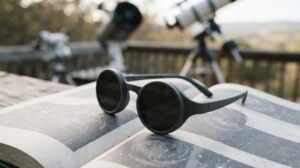
What Astronomical Event Occurs When The Moon Blocks The Sun?

Solar eclipse

Meteor shower

Supermoon

Lunar eclipse

Points won
0
Correct score
0%

More Questions

More Articles

12 Fun Facts About Famous Cameos

12 Fun Facts About Famous Cameos

⏱️ 6 min read

Movie cameos have been delighting audiences for decades, offering unexpected moments of surprise and entertainment. These brief appearances by famous personalities or characters can range from blink-and-you'll-miss-it moments to scene-stealing performances that become the most talked-about parts of films. Whether they're planned Easter eggs for devoted fans or spontaneous additions that happened behind the scenes, cameos add an extra layer of enjoyment to cinema. Here are twelve fascinating facts about some of the most memorable cameo appearances in film history.

The Stories Behind Cinema's Most Memorable Brief Appearances

Stan Lee's Record-Breaking Marvel Universe Presence

The legendary comic book creator Stan Lee held the unofficial record for the most interconnected cameo appearances in a film franchise. From 2000's "X-Men" until his passing in 2018, Lee appeared in nearly every Marvel film, totaling over 40 appearances. His cameos became so anticipated that fans would specifically watch for them, turning his brief appearances into a game of "spot Stan Lee." His most meta moment came in "Mallrats" (1995), where he actually played himself giving romantic advice, breaking the fourth wall years before it became trendy in superhero films.

Bill Murray's Zombie Performance Was Completely Improvised

In "Zombieland" (2009), Bill Murray's unforgettable cameo as a zombified version of himself was largely improvised. The actor showed up on set and worked with director Ruben Fleischer and the cast to create the scenes on the spot. Murray's willingness to poke fun at himself, including the moment where he gets shot while pretending to be a zombie during a movie reenactment, made this one of the most beloved surprise appearances in modern comedy. The cameo was kept so secret that even some crew members didn't know he was filming.

Carrie Fisher's Secret Star Wars Return

Before her official return in "The Force Awakens," Carrie Fisher made a vocal cameo in "The Phantom Menace" (1999) that went uncredited and largely unnoticed for years. She was part of a group providing additional voices during crowd scenes. This subtle nod to Princess Leia happened years before the sequel trilogy was even conceived, making it a fascinating connection between the prequel and original trilogies.

Alfred Hitchcock's Trademark Appearances

Alfred Hitchcock appeared in 39 of his 52 surviving major films, making cameos his personal signature long before they became a Hollywood trend. What started as a practical solution (filling in as an extra when needed) became an anticipated tradition. Hitchcock became so recognizable that his cameos in later films were placed early in the movie to prevent audiences from being distracted by watching for him. In "Lifeboat" (1944), set entirely on a small boat, he appeared in a newspaper advertisement for a weight-loss product, showing his creative problem-solving.

Johnny Depp's Unrecognizable Twenty-First Century Cameo

Johnny Depp appeared in "21 Jump Street" (2012) reprising his role as Tom Hanson from the original television series, but his cameo took an unexpected turn. Rather than a simple nostalgic moment, his character meets a shocking end, getting shot in the neck during an undercover operation gone wrong. This willingness to subvert expectations and allow his beloved character to die made the cameo memorable and showed Depp's sense of humor about his early career.

Tom Cruise's Unrecognized Tropic Thunder Transformation

Tom Cruise's appearance as studio executive Les Grossman in "Tropic Thunder" (2008) was so heavily disguised with prosthetics, a fat suit, and a bald cap that many audience members didn't recognize him initially. What was intended as a small role became one of the film's highlights, with Cruise's uninhibited performance earning widespread praise. The cameo was so successful that there were discussions about creating a spin-off film centered entirely around the character.

Matt Damon's Scottish Transformation

Matt Damon appeared in "Eurotrip" (2004) in the opening scene as Donny, the punk rock lead singer with a shaved head and multiple piercings. The Oscar-winning actor was completely unrecognizable, and the cameo remained unknown to many viewers for years. Damon performed the song "Scotty Doesn't Know" with such commitment that audiences assumed he was an actual musician cast for the role. His friendship with the film's writers led to this surprise appearance that became a cult favorite.

Elon Musk's Self-Playing Appearances

Tech entrepreneur Elon Musk has appeared as himself in multiple films and shows, including "Iron Man 2" (2010), where he meets Tony Stark at a party. Director Jon Favreau has acknowledged that Robert Downey Jr.'s portrayal of Tony Stark was partially inspired by Musk himself, making the cameo a case of life imitating art imitating life. The appearance was filmed at SpaceX headquarters, blurring the lines between Musk's real-world innovations and Stark's fictional technology.

Channing Tatum's Magical Brief Role

Channing Tatum appeared for mere seconds in "The Hateful Eight" (2015) as a character crucial to the plot but visible for an incredibly brief time. Director Quentin Tarantino specifically wanted a recognizable face for the reveal, making the audience question whether they actually saw Tatum or imagined it. This strategic use of a star cameo for maximum impact showed how even the shortest appearance can have significant narrative weight.

Glenn Close's Pirate Transformation

Glenn Close appeared in "Hook" (1991) as a male pirate named Gutless, complete with beard and masculine clothing. The Oscar-nominated actress was completely unrecognizable, and her character gets locked in the "Boo Box" in one of the film's most memorable scenes. Close did the cameo as a favor to director Steven Spielberg, and most viewers had no idea a major Hollywood actress was behind the scruffy pirate. She shared this heavily disguised cameo with several other celebrities in the film.

David Bowie's Cult Classic Coffee Moment

Music legend David Bowie appeared in "Zoolander" (2001) as the judge in the iconic "walk-off" scene between Derek Zoolander and Hansel. His presence elevated the absurd comedy moment into something genuinely cool, and Bowie played it completely straight, which made the scene even funnier. The musician's willingness to participate in such a ridiculous scenario demonstrated his playful approach to pop culture and cemented the scene as one of comedy's most quotable moments.

Peter Jackson's Multiple Middle-Earth Appearances

Director Peter Jackson appeared in cameos throughout "The Lord of the Rings" and "The Hobbit" trilogies, most memorably as one of the Rohan warriors in "The Fellowship of the Ring." In "The Return of the King," he appeared as a corsair pirate who gets struck by Legolas. Jackson also included members of his family, crew, and even film composer Howard Shore in various small roles throughout the films, creating a treasure hunt for devoted fans watching the extended editions.

The Lasting Impact of Cameo Culture

These twelve examples demonstrate how cameo appearances have evolved from simple director signatures to complex layers of film culture. They serve multiple purposes: rewarding devoted fans with Easter eggs, adding unexpected humor, connecting cinematic universes, and sometimes providing crucial plot elements. The best cameos balance surprise with purpose, ensuring they enhance rather than distract from the story. Whether completely disguised or playing themselves, these brief appearances have created some of cinema's most memorable and discussed moments, proving that sometimes less really is more when it comes to screen time.

Top 10 Secrets Behind Famous Brand Names

Top 10 Secrets Behind Famous Brand Names

⏱️ 7 min read

Behind every iconic brand name lies a fascinating story, often rooted in unexpected origins, clever wordplay, or pure serendipity. These household names that dominate our shopping lists and digital screens didn't always exist as the polished corporate identities we recognize today. Many emerged from personal quirks, linguistic accidents, or creative inspiration that their founders could never have predicted would become globally recognized. Understanding these origins offers a glimpse into the creative process behind brand building and reveals that even the most successful companies often started with surprisingly humble or unusual naming conventions.

The Hidden Stories Behind Household Names

1. IKEA's Swedish Initials Decoded

The Swedish furniture giant's name isn't a mysterious Nordic word but rather an acronym representing its founder's identity and origins. IKEA combines the initials of Ingvar Kamprad, the founder's name, with Elmtaryd and Agunnaryd—the farm and village where he grew up in Sweden. This personal touch embedded in a global brand demonstrates how founder Kamprad never forgot his rural roots despite building an international empire. The name's simplicity and easy pronunciation across multiple languages proved fortuitous for the company's worldwide expansion, even though that wasn't necessarily the original intention when Kamprad established the business as a teenager in 1943.

2. Amazon's Alphabetical Advantage

Jeff Bezos originally wanted to name his online bookstore "Cadabra," as in "abracadabra," to evoke something magical. However, his lawyer convinced him the name sounded too similar to "cadaver," hardly an appealing association. Bezos then chose "Amazon" for multiple strategic reasons. The Amazon River is the largest river in the world, reflecting his ambition for the company to become the biggest bookstore. Additionally, in the internet's early days when directories listed websites alphabetically, having a name starting with "A" provided valuable positioning advantages. The exotic and powerful connotations of the rainforest and river also suggested the vast selection and diversity Bezos envisioned for his growing marketplace.

3. Nike's Divine Greek Inspiration

The athletic apparel giant takes its name from the ancient Greek goddess of victory, Nike (pronounced "nee-kay" in Greek). When founder Phil Knight and his team were brainstorming names in 1971, employee Jeff Johnson suggested Nike after reportedly seeing the goddess's name in a dream. Knight initially wasn't enthusiastic about the name and preferred "Dimension Six," but with a deadline approaching for logo production, he reluctantly agreed to Nike. The name's association with victory, achievement, and classical strength proved remarkably appropriate for a sports brand, even if its selection happened under time pressure and initial skepticism.

4. Google's Mathematical Misspelling

One of the internet's most famous brand names resulted from a spelling error. Larry Page and Sergey Brin originally called their search engine "BackRub" before deciding they needed something catchier. They wanted to name it after "googol," a mathematical term for the number 1 followed by 100 zeros, representing the vast amount of information their search engine could organize. However, when fellow Stanford student Sean Anderson checked domain availability, he accidentally misspelled the word as "google.com." Page immediately liked the available domain and registered it, and the misspelling became permanent. The happy accident created a more approachable, friendly-sounding name that transformed into a verb used worldwide.

5. Adidas and the Founder's Nickname

Many assume "Adidas" represents an acronym like "All Day I Dream About Sports," but the truth is far simpler. The name combines founder Adolf "Adi" Dassler's nickname with the first three letters of his surname. Adi Dassler started making shoes in his mother's laundry room in Germany after World War I, and when he formally established his company in 1949, he chose this straightforward personal branding approach. Interestingly, his brother Rudolf Dassler had a falling out with Adi and started his own competing company called Puma, also based in the same German town. The family rivalry created two of the world's most recognized athletic brands.

6. Spotify's Portmanteau Creation

The music streaming service's name emerged from a spontaneous creative moment between founders Daniel Ek and Martin Lorentzon. While brainstorming names, one of them misheard something the other said and thought they heard "Spotify." They immediately liked how it sounded and decided to reverse-engineer a meaning for it, eventually settling on a combination of "spot" and "identify"—as in identifying and spotting music. The name has no traditional dictionary definition and wasn't carefully researched or focus-grouped. This accidental creation proved memorable and distinctive in the crowded digital music marketplace, demonstrating that sometimes the best brand names come from unexpected moments rather than extensive marketing research.

7. Starbucks and the Literary Whaling Connection

The coffee chain's founders were originally considering the name "Pequod," after the whaling ship in Herman Melville's classic novel "Moby-Dick." However, they ultimately chose Starbucks, the name of the Pequod's first mate in the same novel. The maritime theme reflected Seattle's port city heritage and coffee's seafaring trade history. The literary reference added sophistication and narrative depth to what could have been just another coffee shop name. Co-founder Gordon Bowker has stated that names beginning with "st" are particularly powerful, and the word "Starbucks" had a unique sound they found appealing. The naval origins are further reflected in the company's siren logo, maintaining the oceanic theme throughout their branding.

8. Pepsi's Digestive Health Origins

Created by pharmacist Caleb Bradham in 1893, Pepsi-Cola derived its name from the digestive enzyme pepsin and the kola nuts used in the recipe. Bradham initially called his creation "Brad's Drink," but renamed it Pepsi-Cola in 1898, believing his beverage could aid digestion and boost energy—claims common among patent medicines of that era. The name reflected the medicinal marketing approach prevalent at the time when many soft drinks were sold as health tonics. Though modern Pepsi neither contains pepsin nor makes digestive health claims, the name stuck and became one of the world's most recognizable brands, even as its formula and marketing evolved dramatically from its pharmaceutical origins.

9. Lego's Danish Play Philosophy

The beloved toy brick manufacturer's name comes from the Danish phrase "leg godt," meaning "play well." Founder Ole Kirk Christiansen, a Danish carpenter, combined the first two letters of each word to create "Lego" in 1934. Coincidentally, "lego" also means "I put together" or "I assemble" in Latin, though this wasn't part of the original naming decision. This fortunate linguistic overlap reinforced the brand's identity as construction toys. The simple, memorable name works across languages and cultures, contributing to Lego's transformation from a small Danish workshop into one of the world's most valuable toy companies, proving that a name rooted in a clear philosophy can have universal appeal.

10. Coca-Cola's Botanical Recipe Reveal

Unlike many brand names that obscure their origins, Coca-Cola straightforwardly describes its original ingredients. Creator John Pemberton, an Atlanta pharmacist, formulated the drink in 1886 using coca leaves and kola nuts as key flavoring agents. His bookkeeper, Frank Robinson, suggested the name and wrote it in the distinctive Spencerian script that became the company's trademark logo. Robinson believed the two C's would look appealing in advertising. While the drink no longer contains cocaine from coca leaves (removed in 1903), and the formula has evolved over more than a century, the original botanical name remained unchanged, becoming arguably the world's most recognized brand name and demonstrating the enduring power of authentic ingredient-based naming.

The Lasting Impact of Brand Name Origins

These ten examples illustrate that successful brand names rarely follow a single formula. Some emerged from careful planning while others resulted from accidents, mishearings, or last-minute decisions. What they share is memorability, often coupled with stories that humanize massive corporations and remind us that every global brand started with individuals making creative choices. Whether rooted in personal names, literary references, mathematical concepts, or simple misspellings, these brand names have transcended their origins to become cultural touchstones. Their stories reveal that great branding often combines intention with serendipity, and that authenticity—whether preserving founder initials or botanical ingredients—can create lasting connections with consumers across generations and continents.