








1 / 10 Questions
0 Points

Which Temperature Does Water Freeze At?

0°C

50°C

25°C

100°C

Points won
0
Correct score
0%

More Questions

More Articles

Did You Know The First Olympics Had No Gold Medals?

Did You Know The First Olympics Had No Gold Medals?

⏱️ 5 min read

The modern Olympic Games, with their iconic gold, silver, and bronze medals, have become synonymous with athletic excellence and achievement. However, the ancient origins of this beloved sporting event tell a very different story. When the first modern Olympics were held in Athens in 1896, the medal ceremony looked nothing like what spectators witness today. In fact, gold medals weren't even part of the equation, marking a fascinating departure from contemporary Olympic traditions.

The Surprising Truth About 1896 Olympic Prizes

At the inaugural modern Olympic Games in Athens, Greece, winners received silver medals, not gold. The first-place athletes were awarded silver medals and olive wreaths, while second-place finishers received bronze medals and laurel wreaths. Third-place competitors received nothing at all, walking away empty-handed despite their impressive achievements. This three-tier system would seem peculiar to modern audiences accustomed to the gold-silver-bronze hierarchy that has become universal in sporting competitions worldwide.

The decision to award silver medals to champions was rooted in both practical and symbolic considerations. Silver was considered the most precious and pure metal for commemorative purposes at the time, while the olive wreath served as a direct connection to the ancient Greek Olympic tradition. The combination of these two prizes created a bridge between the classical past and the modern revival of the Games.

Pierre de Coubertin's Vision and Ancient Greek Traditions

Baron Pierre de Coubertin, the founder of the modern Olympic movement, drew heavy inspiration from the ancient Olympic Games held in Olympia, Greece, from 776 BCE to 393 CE. In those ancient competitions, victorious athletes received olive wreaths cut from sacred olive trees as their sole prize. There were no gold, silver, or bronze medals—the wreath itself represented ultimate glory and honor.

De Coubertin sought to revive the Olympic spirit while adapting it for modern times. The 1896 Games attempted to balance ancient traditions with contemporary expectations, resulting in the unique silver-and-olive-wreath combination. This hybrid approach reflected the tension between honoring historical authenticity and creating a new tradition for the industrial age.

The Evolution to Gold Medals

The shift to gold medals for first-place winners didn't occur until the 1904 Olympic Games held in St. Louis, Missouri. This change represented a significant departure from the inaugural Games' format and established the gold-silver-bronze standard that would become permanent. The 1904 Olympics introduced the three-medal system that rewarded the top three finishers in each event, creating a more inclusive recognition system.

Several factors influenced this transformation:

  • Growing commercialization and public expectations for prestigious awards
  • The universal recognition of gold as the most valuable metal
  • Desire to create a clear hierarchical system that audiences could easily understand
  • Increased international participation requiring standardized recognition protocols

What Actually Composed the Early Olympic Medals

Interestingly, the term "gold medal" has been somewhat misleading throughout Olympic history. The 1904 gold medals were indeed made primarily of gold, but this practice proved economically unsustainable. By 1912, the Stockholm Olympics introduced "gold" medals that were actually silver medals gilded with gold plating. This compromise allowed organizers to maintain the prestige of awarding gold while managing costs more effectively.

Modern Olympic gold medals continue this tradition, consisting primarily of silver with at least six grams of gold plating covering the surface. The International Olympic Committee mandates specific requirements for medal composition, ensuring consistency across all Games while acknowledging economic realities. A solid gold medal of the size awarded to Olympic champions would be prohibitively expensive and impractical.

The 1896 Athens Games: A Historic Snapshot

The first modern Olympics featured 241 athletes from 14 nations competing in 43 events across nine sports. The Games took place at the Panathenaic Stadium, a venue reconstructed on the site of an ancient stadium. The event captured global imagination despite its relatively modest scale compared to today's Olympics, which feature thousands of athletes from over 200 nations.

Greek athlete Spyridon Louis became the most celebrated champion of the 1896 Games by winning the marathon, receiving his silver medal and olive wreath amid thunderous applause from his home crowd. His victory exemplified the spirit of the revived Olympics and created a template for national pride in Olympic achievement.

Legacy and Cultural Impact

The evolution from silver to gold medals represents more than a simple material change—it reflects broader shifts in how society values achievement and recognition. The gold medal has transcended sports to become a metaphor for excellence in virtually every field of human endeavor. Phrases like "going for gold" and "gold medal performance" have entered common language, demonstrating the cultural penetration of this Olympic tradition.

Understanding that the first Olympics had no gold medals provides valuable perspective on how traditions evolve and adapt over time. What seems permanent and unchangeable today was once experimental and uncertain. The Olympic movement's willingness to modify its practices while maintaining core values has contributed to its remarkable longevity and global appeal.

The absence of gold medals at the 1896 Olympics reminds us that even the most established traditions had to start somewhere, often looking quite different from their eventual form. This historical quirk serves as a testament to the Olympic Games' ability to honor the past while continuously evolving to meet present needs and future aspirations.
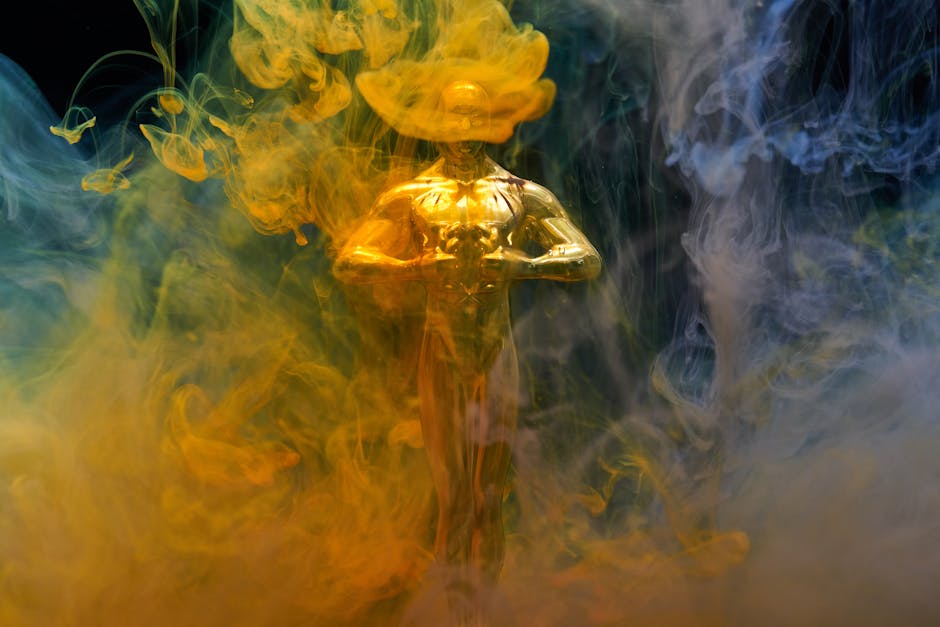
Did You Know? 15 Facts About Oscar-Winning Films

Did You Know? 15 Facts About Oscar-Winning Films

⏱️ 5 min read

The Academy Awards represent the pinnacle of achievement in cinema, celebrating films that have captivated audiences and critics alike. Behind the glittering ceremonies and acceptance speeches lies a treasure trove of fascinating stories, surprising statistics, and little-known details about the films that have taken home Hollywood's most coveted prize. From record-breaking achievements to peculiar coincidences, these remarkable facts reveal the extraordinary nature of Oscar-winning cinema.

Remarkable Facts About Academy Award Winners

1. The Shortest Best Picture Winner Ever Made

Marty, which won Best Picture in 1955, holds the distinction of being the shortest film ever to win the top honor, with a runtime of just 90 minutes. This intimate character study proved that epic length isn't necessary for epic impact, telling the touching story of a lonely butcher in the Bronx who finds unexpected romance.

2. Three Films Share the Record for Most Oscars Won

Ben-Hur (1959), Titanic (1997), and The Lord of the Rings: The Return of the King (2003) each won an unprecedented 11 Academy Awards. Remarkably, Return of the King won every single category for which it was nominated, achieving a perfect sweep that remains unmatched among films with such high nomination counts.

3. The Godfather's Legendary Oscar Rejection

When Marlon Brando won Best Actor for The Godfather in 1973, he refused to accept the award, sending Native American activist Sacheen Littlefeather in his place to protest Hollywood's treatment of Native Americans. This remains one of the most controversial and memorable moments in Oscar history.

4. Silent Films Can Still Win Big

The Artist (2011) became the first silent film to win Best Picture since Wings won the very first Academy Award in 1929. This French romantic comedy proved that innovative storytelling could transcend the expectations of modern cinema, earning five Oscars including Best Director and Best Actor.

5. Katharine Hepburn's Unbeatable Record

Katharine Hepburn won four Best Actress Oscars throughout her career, a record that remains unbroken. Her wins came for Morning Glory (1933), Guess Who's Coming to Dinner (1967), The Lion in Winter (1968), and On Golden Pond (1981), spanning an impressive 48 years.

6. The Youngest Best Picture Winner's Director

Damien Chazelle became the youngest person to win Best Director at age 32 for La La Land in 2017. The film itself garnered 14 nominations, tying the record set by All About Eve and Titanic for the most Oscar nominations ever received.

7. Titanic's Box Office and Oscar Dominance

James Cameron's Titanic wasn't just an Oscar juggernaut—it was also the first film to gross over $1 billion worldwide. When accepting his Best Director award, Cameron famously quoted the film's iconic line: "I'm the king of the world!" The film's success demonstrated that commercial and critical success could coexist spectacularly.

8. The Accidental Winner Mix-Up

At the 2017 Oscars, La La Land was mistakenly announced as Best Picture winner before the error was corrected on stage, with Moonlight revealed as the actual winner. This unprecedented gaffe resulted from presenters Warren Beatty and Faye Dunaway receiving the wrong envelope, creating one of the most shocking moments in Oscar history.

9. Foreign Language Films Breaking Barriers

Parasite (2019) made history as the first non-English language film to win Best Picture, also taking home Best Director, Best Original Screenplay, and Best International Feature Film. This South Korean thriller's success marked a watershed moment for international cinema's recognition by the Academy.

10. The Longest Acceptance Speech Ever Recorded

Greer Garson's acceptance speech for Best Actress in Mrs. Miniver (1942) lasted between five and seven minutes, prompting the Academy to later implement time limits for speeches. Her lengthy thanks became legendary, symbolizing an era before the orchestra played winners off stage.

11. Walt Disney's Record-Breaking Oscar Collection

Walt Disney won 22 competitive Academy Awards during his lifetime, more than any other individual in history. He received an additional four honorary Oscars, and was nominated 59 times. His animated films revolutionized cinema and established animation as a legitimate art form worthy of Academy recognition.

12. The Return of the King's Perfect Victory

The Lord of the Rings: The Return of the King won all 11 categories for which it was nominated, making it one of only three films to achieve a 100% win rate with double-digit nominations. This clean sweep acknowledged not just the final film but the entire groundbreaking trilogy.

13. Shakespeare in Love's Controversial Upset

When Shakespeare in Love won Best Picture over Saving Private Ryan in 1999, it sparked one of the most debated decisions in Oscar history. The victory was later scrutinized amid revelations about aggressive campaigning tactics, leading to reforms in how studios could promote their films to Academy voters.

14. The Only X-Rated Best Picture Winner

Midnight Cowboy (1969) remains the only X-rated film to win Best Picture. The rating was later changed to R upon re-release, but its original classification reflected the era's cultural upheaval. The film's gritty portrayal of life in New York City challenged conventional Hollywood storytelling.

15. Gone with the Wind's Technicolor Triumph

Gone with the Wind (1939) was the first color film to win Best Picture, ushering in a new era of cinematic possibility. The epic Civil War romance won eight competitive Oscars and two honorary awards, with Hattie McDaniel becoming the first African American to win an Oscar for her supporting role.

The Legacy of Oscar Excellence

These fifteen facts illuminate the rich tapestry of Oscar history, revealing how the Academy Awards have evolved alongside cinema itself. From technical innovations to cultural breakthroughs, from record-setting achievements to controversial decisions, Oscar-winning films represent more than just excellent filmmaking—they capture moments in time when art, culture, and recognition converged. Whether through unprecedented sweeps, historic firsts, or memorable controversies, these films and their Oscar victories continue to shape how we understand and appreciate cinema's greatest achievements.