









1 / 10 Questions
0 Points

Which Ocean Is The Mariana Trench Located In?

Arctic Ocean

Atlantic Ocean

Indian Ocean

Pacific Ocean

Points won
0
Correct score
0%

More Questions

More Articles

Top 10 Most Surprising Phobias People Actually Have

Top 10 Most Surprising Phobias People Actually Have

⏱️ 7 min read

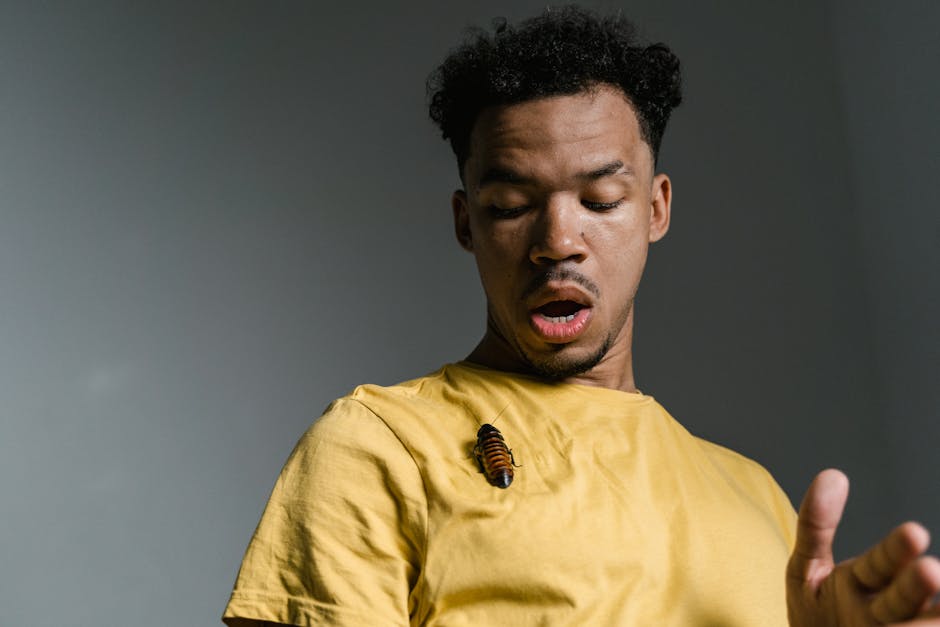
Fear is a natural human emotion designed to protect us from danger, but sometimes our brains develop intense anxieties toward things that seem completely harmless to others. While most people are familiar with common phobias like fear of heights or spiders, the human mind is capable of developing irrational fears toward an astonishing array of objects, situations, and concepts. These unusual phobias can be just as debilitating as their more common counterparts, affecting daily life and causing significant distress to those who experience them. Understanding these surprising fears helps shed light on the complexity of human psychology and reminds us that fear doesn't always follow logical patterns.

Uncommon Yet Very Real Phobias

1. Nomophobia: The Fear of Being Without Your Mobile Phone

In our increasingly connected world, nomophobia—derived from "no-mobile-phone phobia"—has become remarkably prevalent. People suffering from this condition experience severe anxiety when separated from their smartphones, when their battery dies, or when they lose signal. Symptoms can include panic attacks, trembling, sweating, and an overwhelming sense of dread. Studies suggest that as many as 66% of adults experience some level of nomophobia, making it one of the most common modern phobias. While it may seem trivial to those unaffected, the fear is very real and can interfere with work, relationships, and daily functioning.

2. Ephebiphobia: The Fear of Teenagers and Youth

Ephebiphobia is the irrational fear of adolescents or young people. Those with this phobia may avoid places where teenagers congregate, such as shopping malls, movie theaters, or public parks. This fear often stems from negative stereotypes about youth being unpredictable, disrespectful, or potentially dangerous. While some degree of generational misunderstanding is normal, ephebiphobia crosses into pathological territory when it prevents normal social functioning and leads to genuine terror in the presence of young people. This phobia can have significant social implications, contributing to age-based discrimination and community division.

3. Xanthophobia: The Fear of the Color Yellow

Xanthophobia is an intense, irrational fear of the color yellow or even the word itself. Sufferers may go to extreme lengths to avoid yellow objects, foods, or environments. This can mean refusing to eat bananas, avoiding sunshine, or experiencing panic attacks when seeing yellow cars or flowers. The phobia can be particularly challenging because yellow is such a common color in everyday life. Some psychologists believe this fear may develop after a traumatic experience associated with something yellow, while others suggest it could be linked to cultural associations between yellow and disease or caution signs.

4. Pogonophobia: The Fear of Beards

Pogonophobia is the persistent and irrational fear of beards or bearded individuals. People with this phobia may experience anxiety, nausea, rapid heartbeat, or panic attacks when encountering someone with facial hair. The fear might extend to images of bearded people or even the thought of growing facial hair themselves. This phobia can be particularly problematic in cultures or time periods where beards are common or fashionable. Some researchers suggest the fear may stem from negative childhood experiences, cultural conditioning, or associations between beards and threatening figures in media or personal history.

5. Turophobia: The Fear of Cheese

While many people love cheese, those with turophobia experience genuine terror at the sight, smell, or thought of it. This isn't simply disliking cheese—it's an overwhelming fear that can cause physical symptoms including sweating, rapid breathing, and intense anxiety. The fear may apply to all cheese varieties or only specific types. Some turophobics can't even be in the same room as cheese without experiencing distress. This phobia can make social dining situations extremely challenging, as cheese is a common ingredient in many cuisines worldwide. The exact causes remain unclear, though texture sensitivity and negative past experiences are common factors.

6. Omphalophobia: The Fear of Belly Buttons

Omphalophobia is the fear of navels—either seeing them, touching them, or having them touched. People with this phobia may refuse to look at their own belly button, keep it covered at all times, or experience severe discomfort when others expose theirs. The fear can manifest as disgust, anxiety, or genuine terror. Some sufferers report feeling that their internal organs might fall out if their belly button is touched, while others simply find navels inexplicably repulsive. This phobia can affect clothing choices, intimate relationships, and even medical examinations. It's more common than many realize, with numerous online communities devoted to people sharing their experiences.

7. Globophobia: The Fear of Balloons

Globophobia encompasses the fear of balloons, often specifically related to the anxiety that they might pop. Those affected may avoid birthday parties, celebrations, and any event where balloons might be present. The fear can be triggered by the sight, sound, or even the anticipation of balloon-related noises. Some globophobics experience panic attacks when in proximity to inflated balloons, while others can't stand the squeaky sound they make. This phobia often develops in childhood, sometimes after experiencing a sudden loud pop that creates lasting psychological impact. The unpredictability of when a balloon might burst contributes significantly to the ongoing anxiety.

8. Genuphobia: The Fear of Knees

Genuphobia is the fear of knees—whether one's own knees, other people's knees, or the act of kneeling. Sufferers might feel disgust, fear, or overwhelming anxiety when confronted with exposed knees. Some find knees unnaturally shaped or worry about knee injuries, while others can't explain the source of their discomfort. This phobia can make wearing shorts or skirts extremely difficult and may cause problems during medical examinations. Social situations like going to the beach or attending sports events can trigger intense anxiety. The specific nature of the fear varies—some people only fear bent knees, while others react to all knee exposure.

9. Somniphobia: The Fear of Falling Asleep

Somniphobia, or hypnophobia, is the intense fear of going to sleep. Unlike insomnia, where people struggle to sleep, somniphobics actively avoid sleeping due to overwhelming fear. This might stem from anxiety about losing control, fear of nightmares, worry about dying during sleep, or concern about not waking up. The phobia can lead to severe sleep deprivation, which creates additional health problems and mental distress. Some sufferers experience panic attacks as bedtime approaches, while others force themselves to stay awake for dangerously long periods. Treatment often requires addressing underlying anxiety disorders and trauma that may have triggered the phobia.

10. Phobophobia: The Fear of Fear Itself

Perhaps the most paradoxical entry on this list, phobophobia is the fear of developing a phobia or experiencing fear. People with this condition live in constant anxiety about potentially encountering situations that might frighten them. This meta-fear creates a self-perpetuating cycle where the anxiety about becoming afraid actually triggers the very fear response they're trying to avoid. Sufferers may engage in extensive avoidance behaviors, limiting their activities and experiences to prevent any possibility of fear. This phobia can be particularly debilitating because it lacks a specific trigger—the fear itself becomes the source of terror. Treatment typically involves cognitive-behavioral therapy to break the anxiety cycle.

Understanding and Treating Unusual Phobias

These ten surprising phobias demonstrate that fear can attach itself to virtually anything in human experience. While they may seem amusing or perplexing to those unaffected, these phobias cause genuine suffering and can severely impact quality of life. The good news is that most phobias are treatable through various therapeutic approaches, including cognitive-behavioral therapy, exposure therapy, and sometimes medication. Recognition and understanding from others can make a significant difference in helping those affected seek treatment and manage their fears. These unusual phobias remind us that the human mind is complex, and compassion should extend to all forms of psychological struggle, regardless of how uncommon or surprising they may seem.

16 Little-Known Facts About The Office

16 Little-Known Facts About The Office

⏱️ 7 min read

The Office remains one of the most beloved sitcoms in television history, continuing to attract new fans years after its final episode aired. While millions have watched and rewatched the misadventures of Dunder Mifflin's Scranton branch, there are numerous behind-the-scenes stories and production details that even die-hard fans may not know. These fascinating tidbits reveal just how much creativity, improvisation, and unexpected circumstances shaped the show into the cultural phenomenon it became.

Behind-the-Scenes Secrets From Scranton

1. John Krasinski Wore a Wig in Season Three

During the filming of Season 3, John Krasinski was simultaneously working on the movie "Leatherheads" with George Clooney, which required him to have extremely short hair. To maintain Jim Halpert's signature shaggy hairstyle, Krasinski wore a hairpiece for several episodes. The wig is particularly noticeable in episodes from the middle of that season, though the production team did their best to make it look natural.

2. The Show Was Nearly Cancelled After Season One

The Office's first season received lukewarm ratings and mixed reviews from critics who felt it was too similar to the British original. NBC executives seriously considered canceling the show, but the network's lack of other successful comedies at the time gave The Office a second chance. The decision to let the show find its own voice in Season 2 proved to be one of the best calls in television history.

3. Pam and Jim's Wedding Episode Featured Real Fans

The iconic "Niagara" wedding episode included actual fans of the show as extras on the boat cruise. The production held a contest allowing real viewers to appear in the background of this highly anticipated episode. Many of these fans can be spotted during the boat scenes, and their genuine excitement added authentic energy to the celebration.

4. Rainn Wilson Improvised Dwight's Iconic Bobblehead Moment

One of the most memorable images from the show's opening credits—Dwight's bobblehead nodding on his desk—was an improvised moment by Rainn Wilson. The actor spontaneously mimicked the bobblehead's movement, and the directors loved it so much they incorporated it into the opening sequence that played before every episode.

5. The Cast Stole Thousands of Dollars Worth of Props

When the series wrapped, cast members admitted to taking various items from the set as keepsakes. Jenna Fischer took a chunk of the carpet, John Krasinski took a piece of the Dunder Mifflin sign, and various actors grabbed desk accessories and personal props. The production team was aware of the "theft" but considered it a fitting way for the actors to remember their time on the show.

6. Steve Carell's Real-Life Wife Played Carol Stills

Nancy Carell, Steve Carell's actual wife, portrayed Carol Stills, Michael Scott's realtor girlfriend in the series. The on-screen chemistry between Michael and Carol had real-life roots, and Nancy appeared in multiple episodes throughout Seasons 2 and 3. This casting choice added an extra layer of authenticity to their relationship scenes.

7. The Dundie Awards Were Actual Custom-Made Trophies

The production team created real, functional Dundie trophies for the show rather than using cheap props. Each trophy was specifically designed and engraved for its recipient, making them genuine keepsakes. Many cast members still have their Dundies displayed in their homes, treating them as legitimate awards from their time on the series.

8. Ed Helms' Missing Tooth Was Written Into the Script

Ed Helms has a dental implant in real life, which he can remove at will. When writers discovered this unique feature, they specifically wrote it into the episode "Dwight K. Schrute, (Acting) Manager" where Andy returns from Outward Bound missing a tooth. This unexpected biological quirk became one of the show's most memorable visual gags.

9. The Documentary Crew Was Originally Going to Be Revealed

Early plans for the series finale included revealing and showing the faces of the documentary crew members who had been filming the office workers. While this concept was eventually scaled back, the final season did introduce Brian the boom operator and explored the relationship between the filmed subjects and their documentarians more deeply than previous seasons.

10. Mindy Kaling Was the Only Cast Member Who Was Also a Writer

Mindy Kaling, who played Kelly Kapoor, was simultaneously a writer and producer on the show throughout most of its run. She wrote 24 episodes, including fan favorites like "Niagara" and "The Injury." Her dual role gave her unique insight into both the creative and performance aspects of the series, and she often wrote storylines for her own character.

11. Jim's Pranks on Dwight Cost Thousands to Execute

Some of Jim's elaborate pranks required substantial budgets to pull off. The desk-in-the-bathroom prank, the vending machine prank, and the Asian Jim scenario each cost the production team considerable money to set up and film. The writers and producers considered these expenses worthwhile investments because the pranks became defining elements of the show's humor.

12. Creed Bratton Played a Fictionalized Version of Himself

The character Creed Bratton shares the same name as the actor who portrays him, and both the character and actor were actually members of the 1960s rock band The Grassroots. While the character is obviously exaggerated for comic effect, this blurring of reality and fiction added an extra layer of intrigue to one of the show's most mysterious personalities.

13. The Dunder Mifflin Building Is Actually Located in California

Despite being set in Scranton, Pennsylvania, the exterior shots of the Dunder Mifflin building were filmed at Chandler Valley Center Studios in Van Nuys, California. The production team added Pennsylvania license plates to cars and other regional details to maintain the illusion. Only a few episodes actually included footage shot on location in Scranton itself.

14. Several Cast Members Directed Episodes

Beyond acting, several cast members stepped behind the camera to direct episodes. Steve Carell, Rainn Wilson, John Krasinski, B.J. Novak, and others each helmed at least one episode. This collaborative approach allowed actors to explore different aspects of storytelling and gave episodes unique perspectives informed by their intimate knowledge of the characters.

15. The Infamous Scott's Tots Episode Was Based on a Real News Story

The painfully awkward "Scott's Tots" episode, where Michael must admit he cannot pay for college tuitions he promised years earlier, was inspired by an actual news story about someone who made similar promises they couldn't keep. The writers amplified the cringe factor, creating what many fans consider the most difficult episode to watch due to secondhand embarrassment.

16. The Series Finale Was Kept Secret From Most of the Cast

To prevent spoilers from leaking, the show's creators kept major details of the finale secret from much of the cast until just before filming. Certain emotional moments and character resolutions were revealed to actors only when absolutely necessary. This approach ensured that cast reactions remained genuine and that fans could experience the conclusion without knowing every detail in advance.

The Legacy Continues

These behind-the-scenes facts demonstrate the incredible attention to detail, creative problem-solving, and collaborative spirit that made The Office such an enduring success. From improvised moments that became iconic scenes to real-life circumstances written into the script, the show thrived on a combination of careful planning and spontaneous creativity. The cast and crew's dedication to authenticity, even in a mockumentary format, created a workplace comedy that felt genuine despite its absurdist elements. Whether it was accommodating actors' other projects, incorporating their real-life traits, or making expensive pranks look effortless, every decision contributed to the show's distinctive charm. These little-known facts remind us that behind every memorable moment was a team of talented individuals who poured their creativity and passion into bringing Dunder Mifflin to life, creating a television legacy that continues to resonate with audiences worldwide.