






1 / 10 Questions
0 Points

Which soda brand was the first to be sold in a can in 1938?

Coca-Cola

Clicquot Club Ginger Ale

Royal Crown Cola

Pepsi-Cola

Points won
0
Correct score
0%

More Questions

More Articles

Top 10 Most Surprising Phobias People Actually Have

Top 10 Most Surprising Phobias People Actually Have

⏱️ 7 min read

Fear is a natural human emotion designed to protect us from danger, but sometimes our brains develop intense anxieties toward things that seem completely harmless to others. While most people are familiar with common phobias like fear of heights or spiders, the human mind is capable of developing irrational fears toward an astonishing array of objects, situations, and concepts. These unusual phobias can be just as debilitating as their more common counterparts, affecting daily life and causing significant distress to those who experience them. Understanding these surprising fears helps shed light on the complexity of human psychology and reminds us that fear doesn't always follow logical patterns.

Uncommon Yet Very Real Phobias

1. Nomophobia: The Fear of Being Without Your Mobile Phone

In our increasingly connected world, nomophobia—derived from "no-mobile-phone phobia"—has become remarkably prevalent. People suffering from this condition experience severe anxiety when separated from their smartphones, when their battery dies, or when they lose signal. Symptoms can include panic attacks, trembling, sweating, and an overwhelming sense of dread. Studies suggest that as many as 66% of adults experience some level of nomophobia, making it one of the most common modern phobias. While it may seem trivial to those unaffected, the fear is very real and can interfere with work, relationships, and daily functioning.

2. Ephebiphobia: The Fear of Teenagers and Youth

Ephebiphobia is the irrational fear of adolescents or young people. Those with this phobia may avoid places where teenagers congregate, such as shopping malls, movie theaters, or public parks. This fear often stems from negative stereotypes about youth being unpredictable, disrespectful, or potentially dangerous. While some degree of generational misunderstanding is normal, ephebiphobia crosses into pathological territory when it prevents normal social functioning and leads to genuine terror in the presence of young people. This phobia can have significant social implications, contributing to age-based discrimination and community division.

3. Xanthophobia: The Fear of the Color Yellow

Xanthophobia is an intense, irrational fear of the color yellow or even the word itself. Sufferers may go to extreme lengths to avoid yellow objects, foods, or environments. This can mean refusing to eat bananas, avoiding sunshine, or experiencing panic attacks when seeing yellow cars or flowers. The phobia can be particularly challenging because yellow is such a common color in everyday life. Some psychologists believe this fear may develop after a traumatic experience associated with something yellow, while others suggest it could be linked to cultural associations between yellow and disease or caution signs.

4. Pogonophobia: The Fear of Beards

Pogonophobia is the persistent and irrational fear of beards or bearded individuals. People with this phobia may experience anxiety, nausea, rapid heartbeat, or panic attacks when encountering someone with facial hair. The fear might extend to images of bearded people or even the thought of growing facial hair themselves. This phobia can be particularly problematic in cultures or time periods where beards are common or fashionable. Some researchers suggest the fear may stem from negative childhood experiences, cultural conditioning, or associations between beards and threatening figures in media or personal history.

5. Turophobia: The Fear of Cheese

While many people love cheese, those with turophobia experience genuine terror at the sight, smell, or thought of it. This isn't simply disliking cheese—it's an overwhelming fear that can cause physical symptoms including sweating, rapid breathing, and intense anxiety. The fear may apply to all cheese varieties or only specific types. Some turophobics can't even be in the same room as cheese without experiencing distress. This phobia can make social dining situations extremely challenging, as cheese is a common ingredient in many cuisines worldwide. The exact causes remain unclear, though texture sensitivity and negative past experiences are common factors.

6. Omphalophobia: The Fear of Belly Buttons

Omphalophobia is the fear of navels—either seeing them, touching them, or having them touched. People with this phobia may refuse to look at their own belly button, keep it covered at all times, or experience severe discomfort when others expose theirs. The fear can manifest as disgust, anxiety, or genuine terror. Some sufferers report feeling that their internal organs might fall out if their belly button is touched, while others simply find navels inexplicably repulsive. This phobia can affect clothing choices, intimate relationships, and even medical examinations. It's more common than many realize, with numerous online communities devoted to people sharing their experiences.

7. Globophobia: The Fear of Balloons

Globophobia encompasses the fear of balloons, often specifically related to the anxiety that they might pop. Those affected may avoid birthday parties, celebrations, and any event where balloons might be present. The fear can be triggered by the sight, sound, or even the anticipation of balloon-related noises. Some globophobics experience panic attacks when in proximity to inflated balloons, while others can't stand the squeaky sound they make. This phobia often develops in childhood, sometimes after experiencing a sudden loud pop that creates lasting psychological impact. The unpredictability of when a balloon might burst contributes significantly to the ongoing anxiety.

8. Genuphobia: The Fear of Knees

Genuphobia is the fear of knees—whether one's own knees, other people's knees, or the act of kneeling. Sufferers might feel disgust, fear, or overwhelming anxiety when confronted with exposed knees. Some find knees unnaturally shaped or worry about knee injuries, while others can't explain the source of their discomfort. This phobia can make wearing shorts or skirts extremely difficult and may cause problems during medical examinations. Social situations like going to the beach or attending sports events can trigger intense anxiety. The specific nature of the fear varies—some people only fear bent knees, while others react to all knee exposure.

9. Somniphobia: The Fear of Falling Asleep

Somniphobia, or hypnophobia, is the intense fear of going to sleep. Unlike insomnia, where people struggle to sleep, somniphobics actively avoid sleeping due to overwhelming fear. This might stem from anxiety about losing control, fear of nightmares, worry about dying during sleep, or concern about not waking up. The phobia can lead to severe sleep deprivation, which creates additional health problems and mental distress. Some sufferers experience panic attacks as bedtime approaches, while others force themselves to stay awake for dangerously long periods. Treatment often requires addressing underlying anxiety disorders and trauma that may have triggered the phobia.

10. Phobophobia: The Fear of Fear Itself

Perhaps the most paradoxical entry on this list, phobophobia is the fear of developing a phobia or experiencing fear. People with this condition live in constant anxiety about potentially encountering situations that might frighten them. This meta-fear creates a self-perpetuating cycle where the anxiety about becoming afraid actually triggers the very fear response they're trying to avoid. Sufferers may engage in extensive avoidance behaviors, limiting their activities and experiences to prevent any possibility of fear. This phobia can be particularly debilitating because it lacks a specific trigger—the fear itself becomes the source of terror. Treatment typically involves cognitive-behavioral therapy to break the anxiety cycle.

Understanding and Treating Unusual Phobias

These ten surprising phobias demonstrate that fear can attach itself to virtually anything in human experience. While they may seem amusing or perplexing to those unaffected, these phobias cause genuine suffering and can severely impact quality of life. The good news is that most phobias are treatable through various therapeutic approaches, including cognitive-behavioral therapy, exposure therapy, and sometimes medication. Recognition and understanding from others can make a significant difference in helping those affected seek treatment and manage their fears. These unusual phobias remind us that the human mind is complex, and compassion should extend to all forms of psychological struggle, regardless of how uncommon or surprising they may seem.
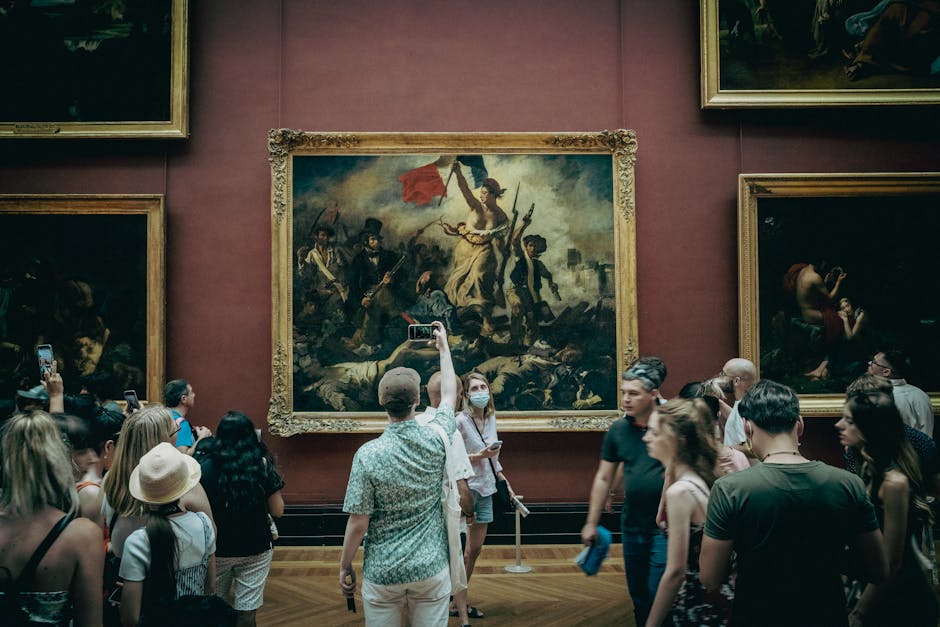
Top 10 Fun Facts About the Louvre Museum

Top 10 Fun Facts About the Louvre Museum

⏱️ 7 min read

The Louvre Museum stands as one of the world's most iconic cultural institutions, attracting millions of visitors annually to its hallowed halls in Paris. Beyond its famous artworks and architectural grandeur, this magnificent museum harbors countless fascinating stories and surprising details that even frequent visitors may not know. These remarkable facts reveal the rich history, hidden secrets, and extraordinary features that make the Louvre far more than just a repository of art.

Fascinating Discoveries About Paris's Crown Jewel

1. From Medieval Fortress to Royal Palace

The Louvre's origins date back to the late 12th century when King Philippe Auguste built it as a fortress to defend Paris against Viking invasions. The original medieval structure was designed primarily for military purposes, featuring thick walls and a defensive moat. It wasn't until the 16th century that King Francis I transformed the fortress into a royal residence, demolishing much of the medieval structure to create a Renaissance palace. Today, visitors can still explore the remnants of the original fortress in the museum's basement, where the massive stone foundations and the base of the original keep remain preserved as a testament to the building's martial past.

2. The World's Largest Art Museum

The Louvre holds the impressive distinction of being the world's largest art museum, with approximately 782,910 square feet of exhibition space. The museum's collections span more than 380,000 objects, though only about 35,000 are on display at any given time due to space limitations. The building itself covers 72,735 square meters, with galleries stretching across three wings: Denon, Richelieu, and Sully. To put this in perspective, if a visitor spent just 30 seconds looking at each artwork on display, it would take approximately 100 days of continuous viewing to see everything, making it physically impossible to experience the entire collection in a single visit.

3. The Mona Lisa's Surprisingly Small Stature

Leonardo da Vinci's masterpiece, the Mona Lisa, draws crowds of admirers who often express surprise at its modest dimensions. The painting measures just 30 inches by 21 inches (77 cm by 53 cm), significantly smaller than many visitors anticipate. This Renaissance portrait hangs behind bulletproof glass in a climate-controlled enclosure and requires its own dedicated room due to the massive crowds it attracts. The painting arrived at the Louvre through an interesting route: Francis I purchased it directly from Leonardo da Vinci, who brought it to France when he moved there in 1516. The artwork has survived theft, vandalism attempts, and even a brief relocation during World War II, yet remains the museum's most visited attraction.

4. Napoleon's Controversial Contributions

Napoleon Bonaparte played a significant role in expanding the Louvre's collections, though his methods remain controversial. During his military campaigns across Europe, Napoleon systematically confiscated artworks from conquered nations, sending thousands of pieces back to Paris. At one point, the museum was even renamed "Musée Napoléon" in his honor. The collections grew so substantially during this period that the museum's holdings increased by over 5,000 pieces. However, following Napoleon's defeat at Waterloo in 1815, approximately 5,000 artworks were returned to their countries of origin, though many pieces acquired during this era remain in the Louvre's permanent collection today.

5. The Revolutionary Glass Pyramid

The iconic glass pyramid entrance, designed by Chinese-American architect I.M. Pei, sparked intense controversy when it was unveiled in 1989. Many Parisians criticized the modern structure as incompatible with the classical architecture of the historic palace. The pyramid consists of 673 glass panes and stands 71 feet tall, serving as the museum's main entrance. Contrary to popular urban legend, the pyramid does not contain exactly 666 panes, a myth that has persisted despite official clarifications. The innovative design solved significant practical problems, including visitor congestion and inadequate entrance facilities, while creating a stunning architectural landmark that has since become synonymous with the museum itself.

6. Hidden Underground Shopping Complex

Beneath the glass pyramid lies the Carrousel du Louvre, an extensive underground shopping and entertainment complex that spans 10,000 square meters. This subterranean space houses luxury boutiques, restaurants, exhibition halls, and even an inverted glass pyramid that mirrors its famous counterpart above ground. The complex connects directly to the Paris Metro and provides access to the museum, creating a sophisticated underground network. Visitors can explore this space without even entering the museum proper, making it a unique feature that extends the Louvre experience beyond traditional museum boundaries.

7. The Museum's Feline Residents

For centuries, the Louvre maintained an official population of cats to control the rodent population that threatened the artworks and building structure. These feline guardians roamed the halls at night, protecting priceless masterpieces from potential damage caused by mice and rats. While the practice has been discontinued in recent decades due to modern pest control methods and concerns about artwork preservation, the cats of the Louvre became legendary figures in Parisian culture, with some even receiving regular food allowances from the museum administration.

8. Closed on Tuesdays for a Crucial Reason

The Louvre closes its doors every Tuesday, a tradition that serves essential practical purposes beyond simply giving staff a day off. This weekly closure allows conservators, curators, and maintenance teams to perform critical work that cannot be done while visitors are present. Staff use this time for artwork restoration, gallery reorganization, deep cleaning, and technical maintenance of the climate control systems that protect the collections. Additionally, this closure day enables the museum to receive new acquisitions, move large artworks, and conduct essential infrastructure repairs without disrupting the visitor experience.

9. The Stolen Masterpiece That Made Headlines

In 1911, the Mona Lisa was stolen by Vincenzo Peruggia, an Italian handyman who had worked at the museum. Peruggia simply walked out with the painting hidden under his coat, and the theft wasn't discovered until the following day. The painting remained missing for two years, during which time its fame grew exponentially. The incident generated unprecedented media coverage, transforming the Mona Lisa from a admired artwork into a global cultural icon. Peruggia was eventually caught when he attempted to sell the painting to an art dealer in Florence, claiming he wanted to return it to Italy. The painting's triumphant return to Paris in 1913 drew massive crowds and cemented its status as the world's most famous painting.

10. Apartment Living Inside the Museum

For over a century, the Louvre's chief curators lived in luxurious apartments within the museum itself. These residences, located in various wings of the palace, allowed curators to remain close to the collections and provided them with some of the most prestigious addresses in Paris. The practice ended in the late 20th century, but during its heyday, these apartments featured period furnishings, spectacular views, and the unique privilege of living among some of humanity's greatest artistic achievements. Some curators hosted elaborate dinner parties where guests could enjoy private after-hours viewings of the galleries, creating unforgettable experiences that blended domestic life with world-class art.

Conclusion

The Louvre Museum continues to captivate and surprise visitors with layers of history that extend far beyond its world-renowned art collections. From its medieval origins as a defensive fortress to its modern role as a cultural landmark, the museum embodies centuries of French history and artistic achievement. These ten fascinating facts reveal just a glimpse of the countless stories embedded in the museum's walls, demonstrating that the Louvre is not merely a building housing art, but a living monument with its own rich narrative. Whether exploring its underground complexes, marveling at its architectural innovations, or contemplating its famous residents both human and feline, visitors discover that every corner of the Louvre holds another chapter in its extraordinary story. Understanding these hidden aspects enriches the museum experience, transforming a simple visit into a journey through time, culture, and human creativity.