










1 / 20 Questions
0 Points

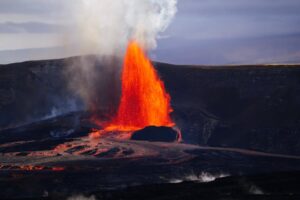
What is the largest active volcano on Earth?

Mount Vesuvius

Mauna Loa

Mount Etna

Mount Fuji

Points won
0
Correct score
0%

More Questions

More Articles

Top 10 Fun Facts About Iconic Matches

Top 10 Fun Facts About Iconic Matches

⏱️ 7 min read

Throughout sports history, certain matches have transcended the boundaries of their respective games to become cultural touchstones, remembered not just for their outcomes but for the extraordinary moments, surprising twists, and human drama they contained. These iconic contests have produced fascinating stories and little-known details that continue to captivate fans decades later. From record-breaking performances to bizarre coincidences, these memorable facts reveal the magic that makes sports unforgettable.

Legendary Moments That Changed Sports Forever

1. The Miracle on Ice Team's Average Age Was Just 21

When the United States hockey team defeated the Soviet Union 4-3 in the 1980 Winter Olympics semifinals, most people remember the stunning upset. What many don't know is that the American team's average age was only 21 years old, making them one of the youngest Olympic hockey teams ever assembled. Their opponents, meanwhile, were seasoned professionals who had dominated international hockey for years. The youth and enthusiasm of the American squad, combined with coach Herb Brooks's unconventional training methods, created an underdog story that remains unmatched in Olympic history. The game, played on February 22, 1980, in Lake Placid, drew over 34 million television viewers in the United States.

2. Muhammad Ali Recited His Round-by-Round Prediction and Got It Right

Before his 1974 "Rumble in the Jungle" fight against George Foreman in Kinshasa, Zaire, Muhammad Ali predicted he would knock out Foreman in the eighth round. Incredibly, Ali did exactly that, using his famous "rope-a-dope" strategy to tire out the heavily favored champion before delivering the knockout blow at 2:58 of the eighth round. What makes this even more remarkable is that Ali had been a significant underdog, with many experts and even his own trainer fearing for his safety against Foreman's devastating punching power. The fight took place at 4 a.m. local time to accommodate American television audiences, adding another surreal element to this historic match.

3. The Longest Tennis Match Lasted Over 11 Hours

The 2010 Wimbledon first-round match between John Isner and Nicolas Mahut stretched across three days and lasted 11 hours and 5 minutes of actual play time. The final set alone went to 70-68, with Isner eventually winning. The match produced numerous records: most games in a set (138), most games in a match (183), and longest match duration. The Wimbledon scoreboard actually stopped working because it wasn't programmed to display numbers above 47-47 in the final set. Both players served over 100 aces, with Isner hitting 113 and Mahut recording 103, demonstrating the grueling nature of modern professional tennis.

4. Diego Maradona's "Hand of God" Goal Happened Four Minutes Before His Greatest Goal

In the 1986 World Cup quarterfinal between Argentina and England, Diego Maradona scored two of the most talked-about goals in football history within four minutes of each other. First came the controversial "Hand of God" goal at 51 minutes, where Maradona clearly used his hand to punch the ball into the net, though the referee allowed it. Just four minutes later, Maradona scored what FIFA later voted the "Goal of the Century," dribbling past five English players from his own half to score legitimately. The stark contrast between these consecutive goals—one achieved through deception, the other through pure brilliance—perfectly encapsulated Maradona's complex legacy.

5. The Chicago Bulls Won Their 72nd Game While Setting an NBA Record

During the 1995-96 NBA season, the Chicago Bulls finished with a 72-10 record, the best in NBA history at that time. What many forget is that their 72nd victory came in their final regular-season game against the Washington Bullets, and they needed that win to break the 1971-72 Los Angeles Lakers' record of 69 wins. Michael Jordan scored 23 points in that decisive game, but the real story was the pressure the Bulls felt to validate their dominant season with the record. This team went on to win the NBA championship, becoming the first team to win 70 games and a title in the same season.

6. The 1999 Champions League Final Saw Two Goals in Injury Time

Manchester United's comeback victory over Bayern Munich in the 1999 UEFA Champions League final remains one of football's most dramatic finishes. Bayern Munich led 1-0 until the 91st minute when Teddy Sheringham equalized. Just two minutes later, Ole Gunnar Solskjær scored the winner, completing an unprecedented treble for United. What makes this even more remarkable is that Bayern had hit the woodwork twice while leading, and the Germans were literally seconds away from lifting the trophy when Sheringham scored. The German substitutes had already received their runners-up medals and were preparing to collect the trophy when United turned the match around.

7. Bobby Thomson's "Shot Heard 'Round the World" Was Called by Three Future Hall of Fame Broadcasters

When Bobby Thomson hit his legendary home run to win the 1951 National League pennant for the New York Giants, the moment was simultaneously called by three broadcasters who would all eventually be inducted into the Hall of Fame: Russ Hodges for the Giants, Red Barber for the Brooklyn Dodgers, and Ernie Harwell for television. Each had a distinctly different call, with Hodges's ecstatic "The Giants win the pennant!" becoming the most famous. The playoff itself came about because the Giants had overcome a 13.5-game deficit in August, making the dramatic conclusion even sweeter for Giants fans.

8. Roger Federer and Rafael Nadal's 2008 Wimbledon Final Ended in Near Darkness

The 2008 Wimbledon men's final between Roger Federer and Rafael Nadal, often called the greatest tennis match ever played, was interrupted by rain twice and concluded at 9:16 p.m., just before darkness would have forced suspension until the next day. The match lasted 4 hours and 48 minutes, with Nadal winning 6-4, 6-4, 6-7, 6-7, 9-7 in a fifth set that alone took 91 minutes. Federer was attempting to win his sixth consecutive Wimbledon title, while Nadal was seeking his first championship on grass. The quality of play throughout remained extraordinarily high despite the deteriorating light conditions and multiple interruptions.

9. Michael Jordan Played Through "Flu Game" Despite Actually Having Food Poisoning

Game 5 of the 1997 NBA Finals, known as the "Flu Game," saw Michael Jordan score 38 points despite being severely ill. For years, it was reported that Jordan had the flu, but his trainer later revealed that Jordan had suffered from food poisoning, likely from a pizza delivered to his hotel room the night before. Jordan was so weakened that Scottie Pippen had to help him off the court after the game, yet he played 44 minutes and hit the game-winning three-pointer with 25 seconds remaining. The victory gave the Chicago Bulls a 3-2 series lead over the Utah Jazz, and they would win the championship two games later.

10. The "Thrilla in Manila" Required Both Fighters' Corners to Stop the Fight

The third and final fight between Muhammad Ali and Joe Frazier in 1975, dubbed the "Thrilla in Manila," is considered one of the most brutal boxing matches in history. After 14 rounds of punishing action in 100-degree heat, Frazier's corner stopped the fight before the 15th round, giving Ali the victory. However, Ali later admitted he was ready to quit himself if the fight had continued. Ali was taken to the hospital immediately after the fight, and both fighters showed the physical toll for weeks afterward. The match was so intense that Ali famously said it was "the closest thing to dying that I know of," demonstrating the physical and mental limits these athletes pushed themselves to reach.

The Enduring Legacy of Historic Matches

These iconic matches remind us that sports offer more than just competition—they provide moments of human excellence, unexpected drama, and stories that resonate across generations. Whether through shocking upsets, displays of incredible skill, or demonstrations of sheer willpower, these contests have earned their place in sports history. The fascinating details and little-known facts surrounding these games add depth to our appreciation, showing that sometimes the most memorable aspects of legendary matches are the ones that took place behind the scenes or in the margins of the main story. These moments continue to inspire athletes and fans alike, proving that the pursuit of athletic greatness can create memories that last forever.
Did You Know? 12 Plants That Can Kill You Instantly

Did You Know? 12 Plants That Can Kill You Instantly

⏱️ 7 min read

The natural world contains an astonishing array of beautiful plants, many of which have evolved deadly defenses to protect themselves from predators. While most plants are harmless, some possess toxins so potent that even minimal contact or ingestion can prove fatal to humans. Understanding these dangerous botanical specimens is crucial for hikers, gardeners, and nature enthusiasts who may encounter them in the wild or cultivated settings. The following plants represent some of the most lethal flora on Earth, each capable of causing severe harm or death within minutes to hours of exposure.

Deadly Plants That Pose Extreme Danger to Humans

1. Aconite (Monkshood): The Queen of All Poisons

Aconite, commonly known as monkshood or wolfsbane, contains aconitine, one of the most powerful plant-based toxins known to science. This attractive purple flower has been used historically as a poison for arrows and in assassinations throughout European history. All parts of the plant are extremely toxic, with even skin contact potentially causing numbness and tingling. Ingestion leads to immediate burning sensations, followed by nausea, vomiting, and cardiac arrest. The toxin disrupts sodium channels in the heart, causing fatal arrhythmias within hours. Despite its deadly nature, aconite continues to grow in many gardens due to its striking appearance.

2. Deadly Nightshade (Belladonna): The Beautiful Killer

Atropa belladonna, known as deadly nightshade, produces shiny black berries that can be fatally attractive to children. The plant contains tropane alkaloids, particularly atropine and scopolamine, which cause anticholinergic syndrome. Symptoms begin within minutes and include dilated pupils, blurred vision, rapid heartbeat, hallucinations, and convulsions. Just two to five berries can kill a child, while ten to twenty can be fatal to adults. Historically, Italian women used diluted extracts to dilate their pupils for cosmetic purposes, hence the name "belladonna" meaning "beautiful lady."

3. White Snakeroot: The Milk Sickness Plant

This innocent-looking plant with clusters of white flowers contains tremetol, a toxin that can be transmitted through the milk and meat of animals that consume it. White snakeroot caused numerous pioneer deaths in early American history, including possibly Abraham Lincoln's mother, Nancy Hanks Lincoln. The toxin causes "milk sickness," characterized by tremors, vomiting, severe intestinal pain, and death within days. Although livestock poisoning is now rare due to better grazing management, the plant remains dangerous to humans who might accidentally ingest it while foraging.

4. Castor Bean Plant: Source of Deadly Ricin

The castor bean plant produces ricin, one of the most toxic substances known to humanity. A single seed contains enough ricin to kill an adult if chewed and swallowed. Ricin inhibits protein synthesis at the cellular level, causing organ failure throughout the body. Symptoms include severe abdominal pain, vomiting, diarrhea, seizures, and circulatory collapse leading to death within three to five days. Despite this extreme toxicity, castor oil, when properly processed to remove the ricin, has been used medicinally for centuries. The plant is often grown ornamentally, creating serious risks in residential areas.

5. Water Hemlock: North America's Most Toxic Plant

Cicuta species, particularly water hemlock, are considered the most violently toxic plants native to North America. The plant contains cicutoxin, which primarily affects the central nervous system. Unlike many plant poisonings that take hours to manifest, water hemlock acts within fifteen minutes of ingestion. Victims experience violent seizures, extreme pain, delirium, and rapid death from respiratory failure. The plant is often mistaken for edible wild parsnips or carrots, leading to accidental poisonings. Even a small amount of the root can be lethal, and there is no effective antidote.

6. Rosary Pea (Jequirity Bean): Deadly Beautiful Seeds

The rosary pea produces strikingly beautiful red and black seeds that are often used in jewelry, creating a dangerous situation. These seeds contain abrin, a toxin similar to ricin but even more potent. A single seed, if properly chewed or crushed, contains enough abrin to kill an adult. The toxin prevents cells from producing proteins, leading to organ failure. Symptoms include nausea, vomiting, severe abdominal pain, and death within three to four days. Many people have been poisoned while making jewelry from these seeds, particularly when drilling holes releases the toxic interior.

7. Oleander: The Highway Killer

Nerium oleander is one of the most poisonous commonly cultivated plants, often planted along highways and in gardens throughout warm climates. Every part of the plant contains cardiac glycosides, similar to those found in digitalis, which severely disrupt heart function. Ingesting even a single leaf can be fatal to humans, and there are documented cases of people dying after using oleander branches as skewers for roasting meat. Symptoms include nausea, vomiting, irregular heartbeat, drowsiness, and cardiac arrest. The plant's toxins remain dangerous even after the plant has dried.

8. Angel's Trumpet: The Hallucinogenic Death Flower

Brugmansia species, known as angel's trumpet, produce large, pendulous flowers that contain potent tropane alkaloids including scopolamine, hyoscyamine, and atropine. While some people intentionally consume these plants for hallucinogenic effects, the line between an intoxicating dose and a lethal one is dangerously thin. The plant causes severe anticholinergic syndrome, including hyperthermia, violent behavior, seizures, and respiratory failure. Deaths occur regularly among those seeking recreational effects, and survivors often suffer permanent neurological damage.

9. Manchineel Tree: The Death Apple of the Caribbean

The manchineel tree holds the Guinness World Record as the world's most dangerous tree. Every part contains extremely caustic sap that causes severe burns on contact. Standing under the tree during rain can result in blistering as the diluted sap drips down. The small apple-like fruits are extremely toxic, causing severe burning, digestive distress, and potentially death. The Spanish conquistadors reportedly used the sap to poison arrows. The tree is so dangerous that they are often marked with warning signs in areas where they grow naturally along Caribbean beaches.

10. Suicide Tree (Cerbera odollam): The Perfect Murder Weapon

This plant, native to India and Southeast Asia, has been dubbed the "suicide tree" due to its frequent use in homicides and suicides. The seeds contain cerberin, a potent cardiac glycoside that disrupts heart rhythm. What makes this plant particularly dangerous is that its toxin is difficult to detect in autopsies, leading to many deaths being mistakenly attributed to natural causes. Symptoms include nausea, vomiting, irregular heartbeat, and death from cardiac arrest within hours. The plant is responsible for an estimated fifty deaths per year in Kerala, India alone.

11. Gympie-Gympie: The Stinging Tree of Nightmares

This Australian plant delivers what has been described as the worst pain known to humanity through its silica-tipped hairs that inject neurotoxins. While contact isn't always immediately fatal, the excruciating pain has driven victims to suicide, and the toxin can cause anaphylactic shock leading to death. Horses have been known to jump off cliffs after brushing against the plant. The pain can persist for months or even years, with victims reporting recurring episodes triggered by cold water or stress. The microscopic hairs embed in skin and are nearly impossible to remove completely.

12. Strychnine Tree: The Convulsion Plant

Strychnos nux-vomica produces seeds containing strychnine, one of the most bitter and violent poisons known. Strychnine causes severe muscular convulsions by affecting nerve signal transmission. Within fifteen to thirty minutes of ingestion, victims experience painful muscle contractions so severe that the body arches backward. Death occurs from asphyxiation when respiratory muscles become paralyzed. The victim often remains conscious throughout the ordeal, making strychnine poisoning one of the most horrific ways to die. Despite its toxicity, strychnine was historically used in small doses as a medicinal stimulant.

The Importance of Plant Awareness

These twelve deadly plants demonstrate nature's remarkable capacity for chemical defense and serve as sobering reminders that beauty and danger often coexist in the natural world. Whether encountered in gardens, along hiking trails, or in wild spaces, understanding these toxic plants can literally save lives. Parents should educate children never to taste unknown plants, hikers should learn to identify dangerous species in their regions, and gardeners should carefully consider the risks before planting ornamental species with toxic properties. While these plants command respect and caution, they also represent fascinating examples of evolutionary adaptation and continue to provide valuable compounds for medical research when handled by trained professionals. Knowledge and awareness remain the best defenses against accidental poisoning from these botanical hazards.