






1 / 10 Questions
0 Points

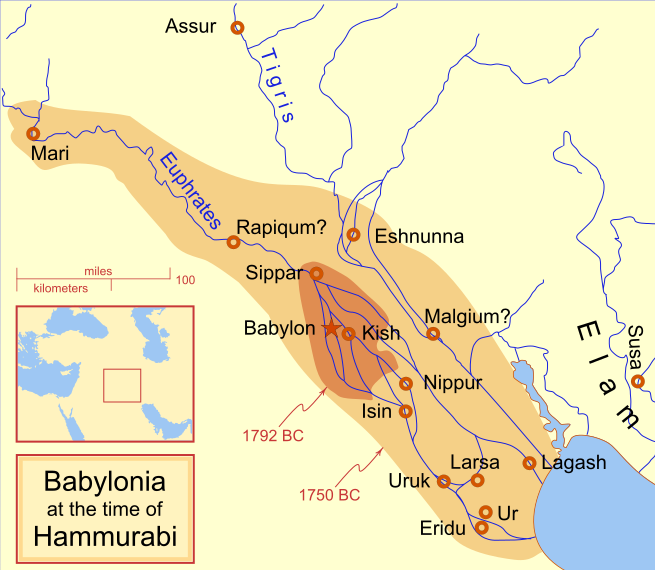
What was the primary purpose of early historical maps?

Navigation and land ownership

Artistic decoration

Weather prediction

Entertainment

Points won
0
Correct score
0%

More Questions

More Articles

Did You Know? 10 Fun Facts About Ancient Libraries

Did You Know? 10 Fun Facts About Ancient Libraries

⏱️ 6 min read

Ancient libraries were far more than mere repositories of scrolls and manuscripts. They served as centers of learning, cultural exchange, and intellectual innovation that shaped civilizations for millennia. These remarkable institutions preserved humanity's collective knowledge through wars, natural disasters, and the rise and fall of empires. From the legendary Library of Alexandria to lesser-known collections across ancient Mesopotamia, China, and Rome, these early libraries reveal fascinating insights into how our ancestors valued, organized, and protected written knowledge.

Remarkable Discoveries About Ancient Libraries

1. The Library of Alexandria Employed the World's First Recorded Copyright Infringement

The Library of Alexandria used an aggressive acquisition strategy that would be considered outrageous today. Under Ptolemy III, officials would confiscate books from ships docking in Alexandria's harbor, copy them, and return only the copies to their owners while keeping the originals. The library would compensate owners for their loss, but the originals remained in Alexandria's collection. This practice ensured the library obtained authentic, original texts from across the Mediterranean world, though it established a questionable precedent for scholarly collection methods.

2. Clay Tablets Made Ancient Libraries Virtually Fireproof

While the Library of Alexandria's destruction by fire remains one of history's greatest cultural tragedies, libraries in ancient Mesopotamia had an unexpected advantage: their collections were made of clay tablets. When fires struck these libraries, the heat actually baked the unbaked tablets, inadvertently preserving them for thousands of years. The royal library at Nineveh, belonging to the Assyrian king Ashurbanipal, survived partly because of this phenomenon. Archaeologists have recovered approximately 30,000 clay tablets from this library, providing invaluable insights into ancient Mesopotamian civilization.

3. Ancient Rome Had a Public Library System With Separate Greek and Latin Sections

The Romans pioneered the concept of public libraries accessible to citizens. Julius Caesar planned Rome's first public library, though it was actually established by Asinius Pollio in 39 BCE. Roman libraries typically featured separate rooms for Greek and Latin works, acknowledging the bilingual nature of educated Roman society. At the height of the empire, Rome boasted 28 public libraries, creating a network that democratized access to knowledge in unprecedented ways. These libraries weren't just for the elite; they were open to any literate citizen who wished to read or study.

4. The Oldest Known Library Belonged to a Royal Woman

Archaeological evidence suggests that one of the world's oldest private libraries belonged to a woman. Princess Bēlšunu, an Assyrian princess who became a priestess in the 7th century BCE, owned a substantial collection of cuneiform tablets. Her collection included literary works, religious texts, and medical documents, demonstrating that women in certain ancient cultures had access to education and maintained scholarly collections. This discovery challenges assumptions about gender roles in ancient literate societies.

5. Ancient Librarians Were Among the Most Educated People in Their Societies

The position of chief librarian in ancient times was reserved for the most brilliant scholars. At the Library of Alexandria, the head librarian was responsible not only for managing the collection but also for tutoring the royal family. Famous ancient scholars who served as chief librarians included Eratosthenes, who calculated Earth's circumference, and Callimachus, who created the first library catalog system. These librarians were often mathematicians, poets, astronomers, and philosophers, making the role one of the most prestigious intellectual positions in the ancient world.

6. The First Dewey Decimal System Was Invented in Ancient Alexandria

Long before Melvil Dewey developed his decimal classification system, the poet and scholar Callimachus created the Pinakes, an innovative 120-volume catalog of the Library of Alexandria's holdings. This massive bibliographic work organized texts by subject and genre, including drama, law, philosophy, history, and medicine. Each entry included the author's name, biographical information, the work's title, and the opening line, which served as a verification tool. This represented the first systematic attempt to organize and catalog a large library collection, establishing principles that library science would build upon for centuries.

7. Ancient Chinese Libraries Employed Book Preservation Techniques Still Used Today

The ancient Chinese developed sophisticated preservation methods for their bamboo and silk manuscripts. They used aromatic woods and herbs like sandalwood to prevent insect damage, regulated humidity through architectural design, and created specific types of paper using bark from mulberry trees that proved remarkably durable. The Imperial Library during the Han Dynasty (206 BCE – 220 CE) housed over 30,000 scrolls, and many texts survived because of these preservation techniques. Some methods, such as controlling temperature and humidity, remain fundamental to modern archival science.

8. Ancient Libraries Served as Universities and Research Centers

The Museum of Alexandria, which housed the famous library, functioned as the world's first major research institution. Scholars received stipends to live and work there, conducting experiments and research while having access to the library's vast collection. They had access to botanical gardens, a zoo, dissection rooms, and astronomical observatories. This model of combining a library with research facilities and scholar residences established a template that influenced the development of universities throughout the medieval and modern periods.

9. Private Book Collectors in Ancient Rome Treated Libraries as Status Symbols

Wealthy Romans competed to build impressive private libraries in their homes, not always because they were avid readers but because libraries signified education, culture, and sophistication. Some Roman critics, including Seneca, complained about wealthy citizens who collected thousands of scrolls they never read, using them merely as decorative elements. These private libraries often featured elaborate architecture, comfortable reading spaces, and busts of famous authors. Despite the superficiality of some collectors, these private libraries helped preserve texts and contributed to Rome's literary culture.

10. Ancient Libraries Sometimes Kept Forbidden or Restricted Sections

Not all ancient library collections were freely accessible. The Library of Ashurbanipal contained a section of texts that included curses warning unauthorized readers against accessing certain materials. Some tablets bore inscriptions threatening divine punishment for anyone who removed or damaged them. Similarly, certain religious and magical texts in Egyptian temple libraries were restricted to priests and initiates. This practice of maintaining restricted collections for sensitive, sacred, or dangerous knowledge reflects concerns about information control that persist in modern institutions.

Conclusion

Ancient libraries were remarkably sophisticated institutions that went far beyond simple book storage. They employed innovative preservation techniques, developed cataloging systems, served as research centers, and sometimes used questionable acquisition methods to build comprehensive collections. These libraries reflected their societies' values regarding knowledge, education, and cultural preservation. The librarians who managed them were among their era's greatest scholars, and the architectural and organizational innovations they developed influenced library design for millennia. Understanding these ancient institutions helps us appreciate the long tradition of collecting, organizing, and preserving human knowledge—a tradition that continues in modern libraries and digital archives today. The legacy of ancient libraries reminds us that the impulse to preserve and share knowledge is fundamental to human civilization.
15 Surprising Facts About Deserts

15 Surprising Facts About Deserts

⏱️ 7 min read

When most people think of deserts, they imagine endless seas of sand, scorching temperatures, and barren landscapes devoid of life. However, these remarkable ecosystems are far more complex and fascinating than common stereotypes suggest. From unexpected weather patterns to thriving biodiversity, deserts hold numerous surprises that challenge our assumptions about these extraordinary environments. The following facts reveal the hidden wonders and counterintuitive realities of the world's desert regions.

Unveiling Desert Mysteries

1. Antarctica Qualifies as the World's Largest Desert

Contrary to popular belief, Antarctica holds the title of Earth's largest desert, covering approximately 5.5 million square miles. This classification surprises many because deserts are defined by low precipitation rather than temperature. Antarctica receives less than two inches of precipitation annually in its interior regions, making it technically a cold desert. This fact fundamentally challenges the common misconception that deserts must be hot, sandy environments.

2. Only 20% of Deserts Are Covered in Sand

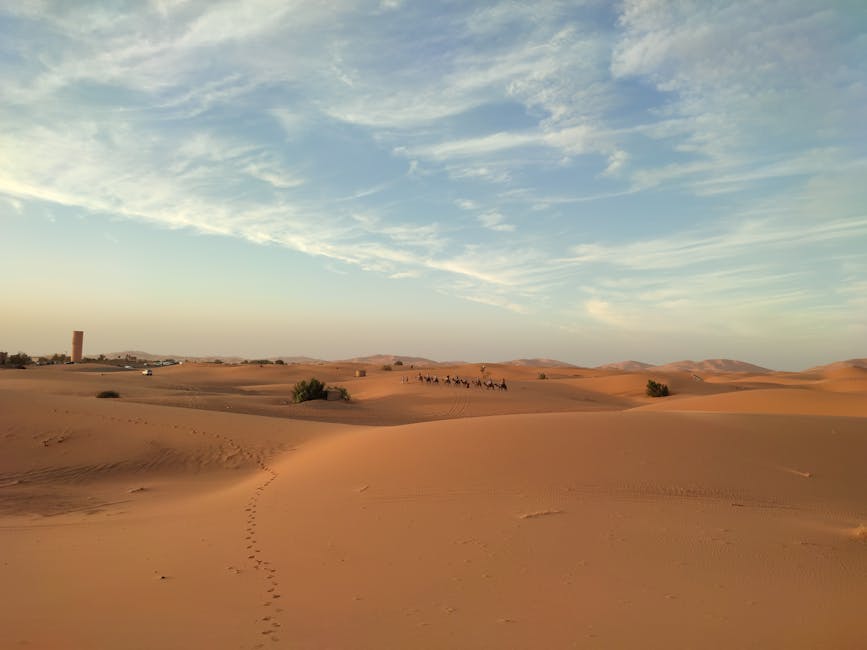
The iconic image of vast sand dunes represents merely a fraction of actual desert landscapes. Approximately 80% of desert terrain consists of gravel, bare rock, salt flats, and other substrates. These non-sandy deserts, called reg, hamada, or rocky deserts, feature mountains, canyons, and plateaus. The sandy deserts that dominate popular imagination, known as ergs, are relatively rare exceptions rather than the rule.

3. Desert Temperatures Can Plummet Below Freezing

While deserts are notorious for extreme heat during daylight hours, nighttime temperatures regularly drop dramatically. Without cloud cover to trap heat, deserts experience massive temperature swings, sometimes exceeding 40 degrees Fahrenheit between day and night. Some deserts routinely experience freezing temperatures after sunset, and certain desert regions can see snowfall during winter months, creating stunning contrasts in these supposedly hot environments.

4. The Atacama Desert Has Areas Where Rain Has Never Been Recorded

Chile's Atacama Desert holds the distinction of being the driest non-polar desert on Earth. Some weather stations in the Atacama have never recorded rainfall during their entire period of operation. Certain regions of this extraordinary desert have gone without measurable precipitation for centuries, creating one of the most Mars-like environments found on our planet. Scientists regularly use the Atacama as a testing ground for equipment destined for Red Planet exploration.

5. Deserts Are Expanding Through Desertification

Desertification, the process by which fertile land transforms into desert, currently affects approximately 12 million hectares annually. This phenomenon results from climate change, deforestation, unsustainable agricultural practices, and overgrazing. The Sahara Desert alone has expanded by approximately 10% since 1920, with its southern boundary advancing into the Sahel region. This expansion threatens food security and livelihoods for millions of people living in vulnerable regions.

6. Desert Soil Contains Biological Crusts That Take Decades to Form

Desert surfaces often feature biological soil crusts composed of cyanobacteria, lichens, mosses, and fungi that can take 50 to 250 years to develop fully. These living crusts stabilize soil, prevent erosion, fix nitrogen, and facilitate water absorption. A single footstep can destroy these fragile ecosystems, requiring decades or even centuries for recovery. These crusts represent crucial foundation layers for desert ecosystem health and biodiversity.

7. The Sahara Was Once a Lush, Green Landscape

Between 11,000 and 5,000 years ago, the Sahara Desert supported extensive grasslands, lakes, and rivers during a period called the African Humid Period. Archaeological evidence reveals that ancient peoples inhabited these regions, practicing agriculture and animal husbandry. Rock art throughout the Sahara depicts elephants, giraffes, and crocodiles, documenting the dramatic environmental transformation. Scientists believe the Sahara naturally oscillates between wet and dry periods over thousands of years.

8. Deserts Support Incredible Biodiversity

Despite harsh conditions, deserts host remarkable biological diversity with specially adapted organisms. The Sonoran Desert alone contains over 2,000 plant species, 550 vertebrate species, and countless invertebrates. Desert creatures have evolved extraordinary adaptations, including the ability to survive without drinking water, nocturnal lifestyles to avoid heat, and specialized methods for moisture collection. This biodiversity challenges assumptions about deserts as lifeless wastelands.

9. Desert Sand Can Sing and Boom

Certain sand dunes produce mysterious sounds ranging from low rumbles to high-pitched squeaks when sand avalanches occur. This phenomenon, observed in approximately 35 desert locations worldwide, has puzzled scientists for centuries. Research suggests that the sounds result from specific grain sizes, shapes, and moisture content creating synchronized vibrations during sand movement. These singing dunes create eerie, otherworldly soundscapes that can be heard miles away.

10. Underground Water Reserves Lie Beneath Many Deserts

Massive aquifers containing ancient water, sometimes called fossil water, exist beneath numerous desert regions. The Nubian Sandstone Aquifer beneath the Sahara contains an estimated 150,000 cubic kilometers of groundwater, accumulated over thousands of years during wetter periods. These hidden water reserves have sustained desert communities for millennia, though current extraction rates often exceed natural replenishment, raising sustainability concerns.

11. Coastal Deserts Experience Frequent Fog

Coastal deserts like the Namib and Atacama receive minimal rainfall but experience regular fog events created when cold ocean currents meet warm air. Organisms in these environments have developed remarkable fog-harvesting adaptations. The Namib Desert beetle, for example, uses its textured shell to collect water droplets from fog, inspiring human engineers to develop similar water collection technologies for arid regions.

12. Desert Plants Can Lie Dormant for Years

Many desert plants possess extraordinary survival strategies, including extended dormancy periods. Seeds can remain viable for years or even decades, germinating only when precise rainfall conditions occur. Some desert resurrection plants can lose up to 95% of their moisture content and appear completely dead, only to revive within hours of receiving water. These remarkable adaptations allow plants to maximize survival in unpredictable environments.

13. Desert Varnish Creates Natural Art on Rock Surfaces

Desert varnish, a dark coating found on exposed rock surfaces, forms through complex interactions involving manganese and iron oxides, clay minerals, and microorganisms. This varnish develops extremely slowly, potentially taking thousands of years to create visible layers. Ancient peoples carved petroglyphs through this varnish, creating artworks that have endured for millennia. Scientists continue debating the exact formation mechanisms of this mysterious substance.

14. Deserts Play Crucial Roles in Global Climate Systems

Desert regions significantly influence worldwide weather patterns and climate systems. Saharan dust, lifted by winds and transported across continents, fertilizes the Amazon rainforest with essential nutrients and affects hurricane formation in the Atlantic. Desert albedo, the reflection of solar radiation from light-colored surfaces, influences regional and global temperatures. Understanding desert dynamics proves essential for climate modeling and prediction.

15. Desert Regions Contain Valuable Archaeological Treasures

The preservative qualities of arid environments have protected countless archaeological sites and artifacts. Dry conditions prevent decomposition, maintaining organic materials like textiles, papyrus documents, and mummified remains for thousands of years. Desert regions have yielded some of history's most significant discoveries, including the Dead Sea Scrolls, Egyptian tombs, and ancient settlements that provide invaluable insights into human civilization.

Understanding Desert Complexity

These fifteen facts demonstrate that deserts are far more dynamic, diverse, and important than commonly understood. From Antarctica's frozen expanses to the fog-draped Namib coast, from singing sand dunes to hidden aquifers, deserts challenge our preconceptions at every turn. These environments support remarkable life, influence global systems, preserve human history, and continue transforming in response to natural and human-induced changes. Appreciating desert complexity helps us recognize these regions not as empty wastelands but as vital ecosystems deserving protection and study. As climate change and human activities increasingly impact desert regions, understanding these surprising facts becomes ever more crucial for conservation efforts and sustainable management of these extraordinary landscapes.