








1 / 10 Questions
0 Points

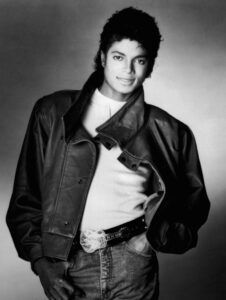
Which artist is known as the 'King of Pop'?

Michael Jackson

James Brown

Prince

Elvis Presley

Points won
0
Correct score
0%

More Questions

More Articles

Did You Know? 12 Amazing Facts About Michelangelo

Did You Know? 12 Amazing Facts About Michelangelo

⏱️ 8 min read

Michelangelo Buonarroti stands as one of the most influential artists in Western civilization, yet many fascinating details about his life and work remain unknown to even devoted art enthusiasts. From his unconventional working methods to his hidden talents and quirky personality traits, the Renaissance master was far more complex than his famous sculptures and frescoes suggest. These remarkable facts reveal the human side of genius and demonstrate why his legacy continues to captivate audiences more than five centuries after his birth.

Extraordinary Details About the Renaissance Master

1. He Rarely Bathed and Slept in His Clothes

Michelangelo was notorious for his poor hygiene habits. According to his contemporary and biographer Ascanio Condivi, the artist was so consumed by his work that he often slept in his clothes and boots, sometimes for weeks at a time. When he finally removed his boots, his skin would peel off with them. He considered bathing a waste of precious time that could be spent creating art. This obsessive dedication to his craft, while contributing to his productivity, likely made him an unpleasant companion and may have contributed to various health problems throughout his life.

2. The Sistine Chapel Ceiling Was Painted Standing Up, Not Lying Down

Contrary to popular belief and numerous artistic depictions, Michelangelo did not paint the Sistine Chapel ceiling while lying on his back. He designed a special scaffolding system that allowed him to stand while working, though he had to bend backward at an uncomfortable angle. He documented this experience in a humorous poem accompanied by a sketch showing himself painting with his head tilted back, complaining about paint dripping onto his face. The four years spent in this awkward position caused him lasting physical problems, including chronic neck and back pain that plagued him for the rest of his life.

3. His Masterpiece David Has Disproportionate Features

While David is celebrated as the epitome of Renaissance sculpture, Michelangelo intentionally gave the statue exaggerated proportions. The head and hands are notably oversized compared to the rest of the body. This wasn't an error but a calculated artistic decision. The sculpture was originally designed to be displayed on the roofline of Florence Cathedral, where it would be viewed from below. The disproportionate features would have appeared correct from that perspective. When city officials decided to place David in the public square instead, the distortions became apparent, yet the sculpture's power and beauty transcended these intentional imperfections.

4. He Was an Accomplished Poet

Beyond his visual artistry, Michelangelo wrote nearly 300 poems throughout his lifetime, including sonnets and madrigals. His poetry often explored themes of love, faith, mortality, and the nature of artistic creation. Many of his poems were addressed to Vittoria Colonna, a noblewoman and poet with whom he shared a deep platonic friendship in his later years, and to Tommaso dei Cavalieri, a young Roman nobleman. His verses reveal a sensitive, introspective side that contrasts sharply with his reputation for being difficult and temperamental. Several of his poems were set to music by Renaissance composers, and they continue to be studied for their literary merit.

5. The Sistine Chapel Ceiling Almost Wasn't His Project

Michelangelo initially resisted Pope Julius II's commission to paint the Sistine Chapel ceiling, insisting he was a sculptor, not a painter. He suspected that rival architect Bramante had suggested him for the project as a setup for failure, knowing Michelangelo had limited fresco experience. The artist even fled Rome to avoid the commission. Eventually persuaded to return, he negotiated to expand the project from depicting only the twelve apostles to the complex theological narrative we see today. This reluctant project became his most famous work, proving that sometimes our greatest achievements come from stepping outside our comfort zones.

6. He Forged an Antique Sculpture Early in His Career

As a young artist seeking to establish his reputation, Michelangelo carved a sculpture of a sleeping Cupid and artificially aged it to appear as an ancient Roman work. He sold it to Cardinal Riario through an intermediary. When the cardinal discovered the deception, rather than being angry, he was impressed by the young artist's skill. This incident actually launched Michelangelo's career in Rome, as the cardinal invited him to the city and introduced him to influential patrons. The forgery demonstrated not only his technical mastery but also his deep understanding of classical sculpture at just twenty-one years old.

7. He Never Married and May Have Been Gay

Michelangelo never married and left no children, which was unusual for men of his social standing during the Renaissance. Historical evidence, including his passionate poetry and letters to male companions, particularly Tommaso dei Cavalieri and Gherardo Perini, has led many scholars to conclude he was homosexual or bisexual. His devotion to Cavalieri lasted decades, and he wrote some of his most passionate sonnets to the young nobleman. During an era when same-sex relationships were officially condemned but often tolerated in artistic circles, Michelangelo expressed his feelings through the socially acceptable medium of Neoplatonic love poetry.

8. He Lived to the Remarkable Age of 88

In an era when the average life expectancy was around 40 years, Michelangelo lived to be 88 years old, remaining productive almost until his death in 1564. He worked on the Rondanini Pietà just days before he died. His longevity was exceptional for the Renaissance period, especially considering his poor hygiene, physical strain from his work, and the various health complaints documented throughout his life. He attributed his long life to his abstemious habits—he ate simply and sparingly, drank wine moderately, and maintained a rigorous work schedule that kept both his mind and body active.

9. Hidden Drawings Were Discovered Under the Medici Chapel

In 1975, the director of the Medici Chapel museum discovered a hidden room beneath the chapel containing charcoal drawings on the walls. Evidence suggests Michelangelo created these sketches while hiding in this secret chamber for three months in 1530, after the Medici family regained control of Florence. As a supporter of the Republican government, Michelangelo feared for his life. The drawings include studies for some of his famous works and demonstrate how even in fear and isolation, he continued to practice his craft. These sketches provide invaluable insight into his creative process and working methods.

10. His Nose Was Permanently Disfigured in a Fight

As a young man, Michelangelo got into an argument with fellow sculptor Pietro Torrigiano, who punched him in the nose, permanently disfiguring his face. Torrigiano later described the incident with pride, claiming he felt the bone and cartilage crush under his fist. The broken nose became one of Michelangelo's most distinctive features, visible in portraits throughout his life. This injury may have contributed to his reputation for being irritable and difficult, and it certainly affected his self-image during an era that prized classical beauty and physical perfection.

11. The Sistine Chapel Frescoes Were Nearly Destroyed by Mold

Shortly after completing sections of the Sistine Chapel ceiling, Michelangelo discovered mold growing on the fresh frescoes. Distraught, he informed the Pope that he had warned everyone he wasn't a painter and that the project was doomed to failure. However, the problem was eventually identified as excessive moisture in the plaster mixture. Once the technical issue was corrected, Michelangelo continued, and the frescoes have survived for over 500 years, though they required extensive cleaning and restoration in the 1980s and 1990s to remove centuries of accumulated grime and previous restoration attempts.

12. His Body Was Secretly Smuggled Out of Rome

When Michelangelo died in Rome in 1564, Pope Pius IV wanted him buried in St. Peter's Basilica. However, Michelangelo had expressed a wish to be buried in Florence, his beloved hometown. His nephew Leonardo arranged for the body to be secretly smuggled out of Rome in a hay bale to avoid papal authorities. When the body arrived in Florence, it was said to be remarkably well-preserved. The city gave him an elaborate state funeral, and he was buried in the Basilica of Santa Croce, where his tomb, designed by Giorgio Vasari, can be visited today.

The Enduring Legacy of a Complex Genius

These twelve facts illuminate the remarkable life of Michelangelo Buonarroti, revealing him as far more than the sum of his artistic achievements. From his obsessive work habits and personal relationships to his hidden talents and the dramatic circumstances surrounding his greatest works, Michelangelo emerges as a fully human figure—brilliant yet flawed, confident yet insecure, passionate yet disciplined. His willingness to take on projects outside his expertise, his dedication despite physical discomfort, and his ability to continue creating into extreme old age offer inspiration beyond the artistic realm. Understanding these aspects of his life enriches our appreciation of his contributions to art history and reminds us that genius often comes packaged with complexity, contradiction, and an unwavering commitment to craft above all else.

Top 10 Most Inspiring Movies You’ll Ever See

Top 10 Most Inspiring Movies You’ll Ever See

⏱️ 8 min read

Cinema has the extraordinary power to move us, challenge our perspectives, and ignite the human spirit in ways few other art forms can achieve. Throughout film history, certain movies have transcended mere entertainment to become beacons of hope, courage, and determination. These films remind us of our capacity for resilience, compassion, and greatness, often during our darkest moments. The following collection represents some of the most uplifting and motivational films ever created, each offering unique lessons about the triumph of the human spirit.

Films That Changed How We View Human Potential

1. The Shawshank Redemption - Hope as an Unbreakable Force

Frank Darabont's 1994 masterpiece stands as perhaps the most beloved inspirational film of all time. The story of Andy Dufresne, a banker wrongfully imprisoned for murder, demonstrates how hope can sustain us through the most impossible circumstances. Tim Robbins delivers a nuanced performance as a man who refuses to let institutional walls crush his spirit. The film's central message—that hope is a good thing, maybe the best of things—resonates across generations. Morgan Freeman's portrayal of Red provides the perfect counterbalance, representing the institutionalized mindset that Andy must overcome not just in himself, but in those around him. The film's climactic escape sequence and reunion on a Mexican beach remain among cinema's most cathartic moments, proving that patience, intelligence, and unwavering determination can overcome seemingly insurmountable obstacles.

2. Dead Poets Society - Seizing the Day and Finding Your Voice

Peter Weir's 1989 film captures the transformative power of education and self-expression. Robin Williams delivers one of his most memorable performances as John Keating, an unconventional English teacher who inspires his students at a conservative prep school to "seize the day" and think for themselves. The film explores themes of conformity versus individuality, the courage to pursue one's passions, and the lasting impact a dedicated mentor can have. The iconic scene of students standing on desks, declaring "O Captain! My Captain!" remains one of cinema's most powerful tributes to inspirational teaching. The movie reminds viewers that life is fleeting and that we must have the courage to pursue what makes us feel alive, even when society pressures us toward conventional paths.

3. Rocky - The Underdog's Defining Moment

Sylvester Stallone's 1976 breakthrough film defined the sports underdog genre and created an enduring cultural icon. Rocky Balboa's journey from small-time boxer and loan shark enforcer to heavyweight championship contender embodies the American Dream. What makes Rocky truly inspirational isn't the fight itself, but Rocky's personal goal: to go the distance with champion Apollo Creed, something no one has ever done. The film celebrates personal victory over public success, self-respect over fame, and determination over natural talent. The training montage, culminating with Rocky's triumphant run up the Philadelphia Museum of Art steps, has inspired countless people to push through their own limitations. Stallone wrote the screenplay in three days and refused to sell it unless he could star, embodying the same determination as his character.

4. Schindler's List - One Person's Power to Change Lives

Steven Spielberg's 1993 Holocaust drama demonstrates how individual courage can shine even in humanity's darkest chapters. The true story of Oskar Schindler, a German industrialist who saved over 1,100 Jewish lives during World War II, proves that one person's actions matter immensely. Liam Neeson's portrayal captures Schindler's transformation from profiteering opportunist to selfless humanitarian. The film's most powerful moment comes at the end when Schindler breaks down, realizing he could have saved more people. This scene reminds viewers that we always have the capacity to do more good in the world. Despite its harrowing subject matter, the film ultimately celebrates human goodness and moral courage in the face of systematic evil.

5. The Pursuit of Happyness - Perseverance Through Impossible Odds

Gabriele Muccino's 2006 biographical drama tells the true story of Chris Gardner's journey from homelessness to successful stockbroker. Will Smith delivers a career-defining performance alongside his real-life son Jaden, adding authentic emotional depth to their on-screen relationship. The film doesn't sugarcoat Gardner's struggles—sleeping in subway bathrooms, working unpaid internships while caring for his young son, and facing constant rejection. What makes this film deeply inspiring is Gardner's refusal to give up despite overwhelming circumstances. The scene where Chris finally receives his job offer, fighting back tears of relief and joy, reminds us that perseverance through impossible circumstances can lead to extraordinary outcomes. The film emphasizes that happiness isn't given; it must be pursued relentlessly.

6. Life is Beautiful - Finding Joy Amid Tragedy

Roberto Benigni's 1997 masterpiece accomplishes the seemingly impossible: finding humor and hope within a concentration camp. Benigni directs and stars as Guido, a Jewish Italian bookshop owner who uses imagination and humor to shield his young son from the horrors surrounding them. By pretending their imprisonment is an elaborate game, Guido preserves his son's innocence and spirit. The film's first half establishes Guido's infectious optimism and creativity, making the second half's tragedy more profound. Despite its setting, the film celebrates the human capacity for love, sacrifice, and maintaining dignity in dehumanizing circumstances. Benigni's performance earned him an Academy Award, and the film reminds us that protecting joy and hope, especially for future generations, is perhaps the ultimate act of resistance against darkness.

7. Good Will Hunting - Overcoming Trauma to Embrace Potential

Gus Van Sant's 1997 film explores how past trauma can prevent us from reaching our potential and how genuine human connection can heal us. Matt Damon stars as Will Hunting, a janitor at MIT with a genius-level intellect but deep emotional wounds from childhood abuse. Robin Williams plays Sean Maguire, the therapist who finally breaks through Will's defenses. The film's most powerful scene—"It's not your fault"—demonstrates how acknowledging pain is the first step toward healing. Written by Damon and Ben Affleck, the screenplay emphasizes that intelligence alone doesn't determine success; emotional courage and willingness to be vulnerable are equally important. The film inspires viewers to confront their past traumas and embrace the future they deserve rather than settling for the safety of familiar limitations.

8. Forrest Gump - Simplicity, Kindness, and Unexpected Greatness

Robert Zemeckis's 1994 film follows the extraordinary life of a simple man who influences major historical events through pure-hearted goodness. Tom Hanks won an Academy Award for portraying Forrest, a man with below-average intelligence who achieves remarkable things not through cunning or ambition, but through loyalty, kindness, and perseverance. The film's message—that success comes in many forms and intelligence isn't the only path to a meaningful life—resonates deeply. Forrest's unwavering love for Jenny, despite her rejections, his loyalty to Lieutenant Dan, and his humble approach to fame and fortune demonstrate that character matters more than capability. The film reminds viewers that life is unpredictable ("life is like a box of chocolates"), but approaching it with optimism and integrity can lead to unexpected fulfillment.

9. 12 Years a Slave - The Indomitable Will to Survive

Steve McQueen's 2013 historical drama tells the true story of Solomon Northup, a free Black man kidnapped and sold into slavery in 1841. Chiwetel Ejiofor's powerful performance captures Solomon's determination to maintain his identity and dignity while enduring unimaginable cruelty. The film doesn't shy away from slavery's brutal reality, making Solomon's survival and eventual freedom even more triumphant. What makes this film deeply inspiring is Solomon's refusal to accept his enslavement as permanent, his strategic thinking to survive, and his ultimate reunion with his family after twelve years. The film serves as a testament to human resilience and the fundamental human drive for freedom. It reminds viewers of the strength within us all to endure and overcome, even when systems are designed to break us.

10. Hidden Figures - Breaking Barriers Through Excellence

Theodore Melfi's 2016 film brings to light the true story of three African American women mathematicians—Katherine Johnson, Dorothy Vaughan, and Mary Jackson—who were instrumental in NASA's early space program. Set during the 1960s, these women faced dual discrimination based on race and gender, yet their exceptional abilities became crucial to America's space race success. Taraji P. Henson, Octavia Spencer, and Janelle Monáe bring these pioneers to life with performances that celebrate both their professional brilliance and personal grace under pressure. The film inspires by showing how excellence cannot be denied, even in discriminatory systems. These women didn't just overcome barriers; they excelled so undeniably that institutions had to change. Their story reminds viewers that competence, persistence, and dignity can break down even the most entrenched prejudices.

The Lasting Impact of Inspirational Cinema

These ten films represent different paths to inspiration—some through personal achievement, others through sacrifice, love, or resilience in the face of injustice. What unites them is their ability to remind us of our better nature and highest potential. Whether confronting historical atrocities, personal limitations, or systemic oppression, the characters in these films demonstrate that the human spirit possesses remarkable strength. They teach us that inspiration isn't about perfection but about courage, perseverance, and maintaining our humanity even when circumstances make it difficult. These movies continue to move audiences because they speak to universal truths about hope, dignity, and the capacity for change. In times of personal struggle or doubt, returning to these cinematic masterpieces can reignite our determination to face our own challenges with renewed courage and purpose.