





















1 / 20 Questions
0 Points

What type of lens is used in a magnifying glass?

Concave lens

Convex lens

Flat lens

Prismatic lens

Points won
0
Correct score
0%

More Questions

More Articles

#N/A

#N/A

⏱️ 5 min read

The #N/A error is one of the most commonly encountered error values in spreadsheet applications, particularly in Microsoft Excel and Google Sheets. This error indicator appears when a formula or function cannot find a referenced value, signaling that data is "not available" to complete the requested calculation. Understanding this error, its causes, and how to resolve it is essential for anyone working with spreadsheets, from basic data entry to advanced financial modeling.

Understanding the #N/A Error

The #N/A error stands for "Not Available" or "No Value Available." It occurs when a formula attempts to reference or look up a value that doesn't exist or cannot be located in the specified range. Unlike other error types that indicate calculation problems or invalid operations, #N/A specifically relates to missing or inaccessible data. This error serves as a flag that something in the data lookup process has gone wrong, requiring user attention before accurate results can be obtained.

Spreadsheet applications deliberately display this error rather than returning a blank cell or zero value because it's crucial for users to know when data is genuinely missing. A blank or zero might be misinterpreted as an actual result, leading to incorrect conclusions and flawed decision-making based on incomplete information.

Common Causes of #N/A Errors

Lookup Function Failures

The most frequent cause of #N/A errors involves lookup functions such as VLOOKUP, HLOOKUP, XLOOKUP, and MATCH. These functions search for specific values within data ranges, and when the lookup value doesn't exist in the search range, the #N/A error appears. For instance, if a VLOOKUP formula searches for a product code that isn't present in the product database, the function cannot return a result and generates this error instead.

Exact Match Requirements

Many lookup functions default to requiring exact matches or can be configured to do so. When the lookup value differs even slightly from the source data—whether due to extra spaces, different capitalization, or formatting inconsistencies—the function fails to recognize a match. A lookup for "Product123" will not find "product123" or "Product123 " (with a trailing space) when exact matching is required.

Missing Reference Data

Sometimes the #N/A error occurs simply because the data being searched hasn't been entered yet. In dynamic spreadsheets where information is continuously updated, lookup formulas may reference tables that don't yet contain the required entries, resulting in temporary #N/A errors until the data becomes available.

Incorrect Range Specifications

Specifying the wrong column index number in VLOOKUP functions or pointing to incorrect ranges can cause #N/A errors. If a formula looks for data in column 5 of a range that only contains 4 columns, or if the search range doesn't include the lookup column, the error will appear.

Resolving #N/A Errors

Verifying Data Accuracy

The first step in addressing #N/A errors involves confirming that the lookup value actually exists in the source data. Check for spelling variations, extra spaces, or formatting differences that might prevent a successful match. Using data cleaning functions like TRIM to remove excess spaces or UPPER/LOWER for case standardization can resolve many issues.

Adjusting Lookup Function Parameters

Review the function syntax to ensure all parameters are correct. For VLOOKUP, verify that the table array includes the lookup column, the column index number is accurate, and the range_lookup parameter matches the intended behavior (TRUE for approximate match, FALSE for exact match). Consider switching to more flexible functions like XLOOKUP when available, as they offer better error handling and more intuitive syntax.

Using Error Handling Functions

Implementing error handling functions can make spreadsheets more user-friendly and professional. The IFERROR function allows formulas to display alternative values or messages when #N/A errors occur. For example, IFERROR(VLOOKUP(...), "Not Found") will display "Not Found" instead of the #N/A error, making the spreadsheet easier to interpret for end users. The more specific IFNA function handles only #N/A errors while allowing other error types to display normally.

Strategic Uses of #N/A

Interestingly, the #N/A error isn't always problematic. Advanced spreadsheet users sometimes intentionally generate #N/A values using the NA() function. This practice serves several purposes in sophisticated data analysis and modeling scenarios.

Distinguishing Missing Data from Zero Values

In statistical analysis and charting, #N/A values are treated differently from zeros. Charts typically skip over #N/A values, preventing them from distorting trend lines or creating misleading visual representations. This makes #N/A preferable to zero when data is genuinely unavailable rather than actually having a zero value.

Flagging Incomplete Data

Deliberately inserting #N/A values can serve as placeholders that clearly indicate where data entry is needed. This visual flag is more obvious than blank cells and prevents accidental calculations that treat missing values as zeros.

Best Practices for Managing #N/A Errors

Developing robust spreadsheets requires proactive approaches to minimize and manage #N/A errors effectively:

  • Implement data validation to ensure consistent entry formats and reduce matching failures
  • Use consistent naming conventions and formatting standards across all data sources
  • Document lookup relationships and dependencies to facilitate troubleshooting
  • Create helper columns that standardize data before lookup operations
  • Design error handling into formulas from the beginning rather than adding it retroactively
  • Regularly audit spreadsheets for error values and address their root causes
  • Educate team members about common causes and prevention strategies

Conclusion

The #N/A error, while initially frustrating, serves an important function in spreadsheet applications by clearly identifying when referenced data cannot be found. By understanding its causes, implementing appropriate error handling, and following best practices for data management, users can minimize these errors and create more reliable, professional spreadsheets. Rather than viewing #N/A as merely a problem to eliminate, recognize it as valuable feedback that helps maintain data integrity and accuracy in analytical work.
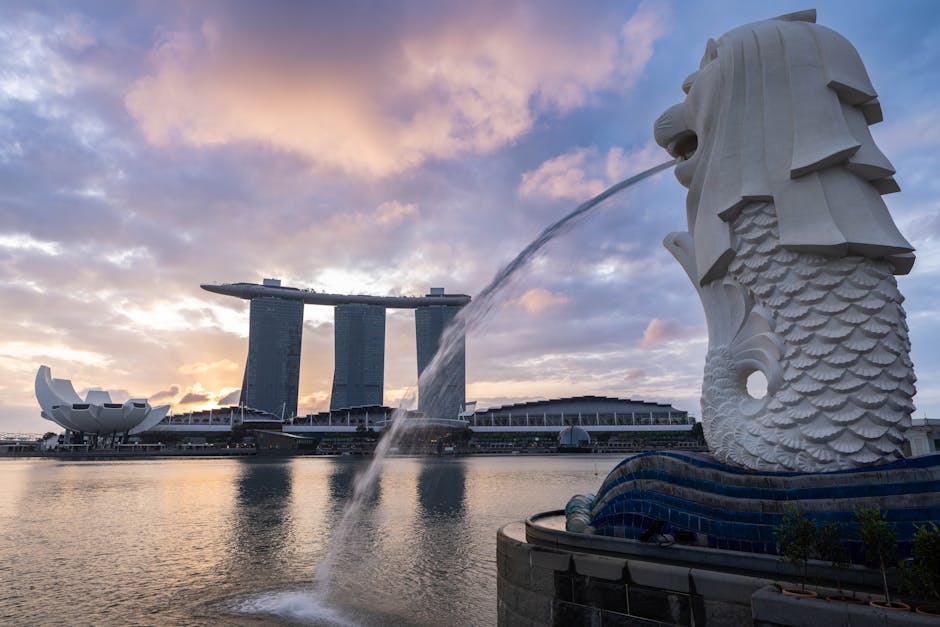
15 Fun Facts About Global Habits and Cultures

15 Fun Facts About Global Habits and Cultures

⏱️ 7 min read

From the bustling streets of Tokyo to the serene villages of Scandinavia, human cultures have developed fascinating traditions, habits, and practices that reflect their unique histories, environments, and values. These cultural quirks not only showcase the diversity of human experience but also remind us of the creative ways societies have adapted to their surroundings and expressed their identities. Let's explore some of the most intriguing customs and habits from around the world that continue to shape how billions of people live their daily lives.

Discovering the World's Most Fascinating Cultural Practices

1. Japan's Art of Sleeping at Work

In Japan, the practice of "inemuri" or sleeping while present is not only tolerated but often respected in workplace settings. This cultural phenomenon allows people to doze off during meetings or on public transportation without social stigma. Rather than being seen as lazy, it's interpreted as a sign that someone is working so hard they're exhausted. The key difference from Western napping is that inemuri requires maintaining a socially engaged posture, suggesting you're still somewhat present and could be roused if needed.

2. Spain's Late-Night Dining Tradition

Spaniards typically eat dinner between 9 PM and midnight, much later than most Western countries. This habit stems from Spain's unique daily schedule, which historically included a midday siesta during the hottest hours. The late sunset times, especially in summer when darkness doesn't fall until after 10 PM, reinforce this pattern. This eating schedule is so ingrained that restaurants often don't even open for dinner service until 8 or 9 PM.

3. The Finnish Practice of Sauna Diplomacy

Finland has more saunas than cars, with approximately 3.3 million saunas for a population of 5.5 million people. Beyond relaxation, saunas serve as important social and business venues where important decisions are made and deals are negotiated. This tradition is so significant that the Finnish government has official saunas for hosting diplomatic meetings, believing that the informal, equalizing atmosphere helps facilitate honest conversations and relationship building.

4. India's Head Wobble Communication

The distinctive Indian head wobble, a side-to-side tilting motion, is one of the most recognizable gestures in South Asian culture. Unlike a simple yes or no, this movement can convey acknowledgment, agreement, understanding, or even "maybe," depending on the context, speed, and accompanying facial expressions. Foreigners often find this gesture confusing, as it doesn't correspond to Western nodding or head-shaking conventions, yet it's an essential part of non-verbal communication across the Indian subcontinent.

5. France's Sacred Bread Laws

France takes its bread so seriously that there's an actual law, "Le Décret Pain" from 1993, defining what can legally be called a traditional baguette. The regulation specifies that authentic French baguettes can only contain four ingredients: wheat flour, water, salt, and yeast. Additionally, French bakeries must make their bread on-site to be called a "boulangerie." This legal protection ensures the preservation of traditional bread-making methods and maintains quality standards.

6. The Scandinavian Concept of Outdoor Learning

Scandinavian countries embrace "friluftsliv" (open-air living), with Norway, Sweden, and Denmark incorporating outdoor education into their school systems regardless of weather. Children regularly have classes outside, even in winter, and many preschools conduct almost all activities outdoors. This practice is believed to boost immune systems, improve concentration, and foster a deeper connection with nature that lasts into adulthood.

7. South Korea's Age Calculation System

In South Korea, people have traditionally been considered one year old at birth, and everyone gains a year on New Year's Day rather than on individual birthdays. This means a baby born on December 31st would be considered two years old the very next day. While South Korea adopted the international age system officially in 2023, the traditional counting method still influences social interactions and cultural understanding, as age determines respect levels and social hierarchies.

8. Brazil's Love for Showering Multiple Times Daily

Brazilians shower more frequently than any other nationality, with many people bathing two to three times per day. This habit is influenced by the tropical climate, cultural emphasis on personal hygiene and appearance, and the social nature of Brazilian life. It's common to shower before leaving the house, upon returning home, and before bed, making Brazil one of the highest consumers of personal care products globally.

9. The Dutch Directness in Communication

The Netherlands is famous for its culture of extreme directness, where people value honest, straightforward communication over polite ambiguity. Dutch people typically say exactly what they mean without sugar-coating, which can shock visitors from cultures that prioritize indirect communication. This bluntness isn't considered rude but rather efficient and respectful, as it demonstrates trust that others can handle honest feedback.

10. Ethiopia's Unique Time System

Ethiopia follows a clock system where the day begins at dawn rather than midnight. What the rest of the world calls 7 AM is 1 o'clock in Ethiopian time, counting from sunrise. Similarly, 7 PM becomes 1 o'clock in the evening, counting from sunset. This system reflects the country's proximity to the equator, where sunrise and sunset occur at relatively consistent times year-round, making this method practical for daily life.

11. Turkey's Tea Consumption Culture

Turkey ranks among the world's highest tea consumers per capita, with the average Turk drinking more than 1,200 cups annually. Turkish tea, served in distinctive tulip-shaped glasses, is integral to social interactions, business meetings, and hospitality. Refusing tea can be considered impolite, and it's common for tea to be offered continuously throughout visits, with the strength indicated by requesting "açık" (light) or "koyu" (dark) tea.

12. New Zealand's Barefoot Lifestyle

New Zealanders, or Kiwis, are remarkably comfortable going barefoot in public places where other cultures would consider it inappropriate. It's common to see people shopping, dining at casual restaurants, or walking city streets without shoes. This relaxed attitude stems from the country's beach culture, temperate climate, and overall laid-back lifestyle that values connection with nature and casual comfort over formality.

13. Iceland's Unique Naming Tradition

Iceland maintains a traditional patronymic naming system where last names are derived from the father's (or sometimes mother's) first name plus "son" or "dóttir" (daughter). For example, a man named Jón whose father is Gunnar would be Jón Gunnarsson, while his sister would be Anna Gunnarsdóttir. Iceland also maintains an official list of approved names, and proposed names must be submitted to the Icelandic Naming Committee for approval to ensure they fit Icelandic grammar and cultural standards.

14. The Italian Aperitivo Ritual

The Italian aperitivo is a pre-dinner drinking culture that transforms early evening into a social event. Between 6 PM and 9 PM, Italians gather at bars for drinks accompanied by complimentary snacks ranging from simple chips and olives to elaborate buffets. This tradition serves as a bridge between the workday and dinner, encouraging social connection and relaxation. In Milan, the aperitivo culture is so developed that the substantial food offerings can replace dinner entirely, known as "apericena."

15. The Middle Eastern Coffee Fortune-Telling

Throughout Turkey, Greece, and many Middle Eastern countries, reading coffee grounds (tasseography) remains a popular tradition. After drinking Turkish or Greek coffee, the cup is turned upside down on the saucer to cool. Once settled, the patterns formed by the grounds are interpreted to reveal insights about the drinker's future, personality, or current situations. This practice combines social gathering with mysticism, and many people consult experienced readers for important life decisions.

Celebrating Our Diverse World

These fascinating cultural habits and traditions demonstrate the remarkable diversity of human societies and the creative ways different communities have organized their social lives. From Japan's acceptance of workplace napping to Iceland's unique naming conventions, each practice reflects deeper values about time, relationships, communication, and identity. Understanding these cultural differences not only enriches our knowledge but also promotes empathy and appreciation for the varied ways humans experience and interpret the world. As globalization continues to connect us, maintaining awareness and respect for these distinctive cultural practices becomes increasingly important, allowing us to celebrate diversity while finding common ground in our shared humanity.