











⏱️ 7 min read
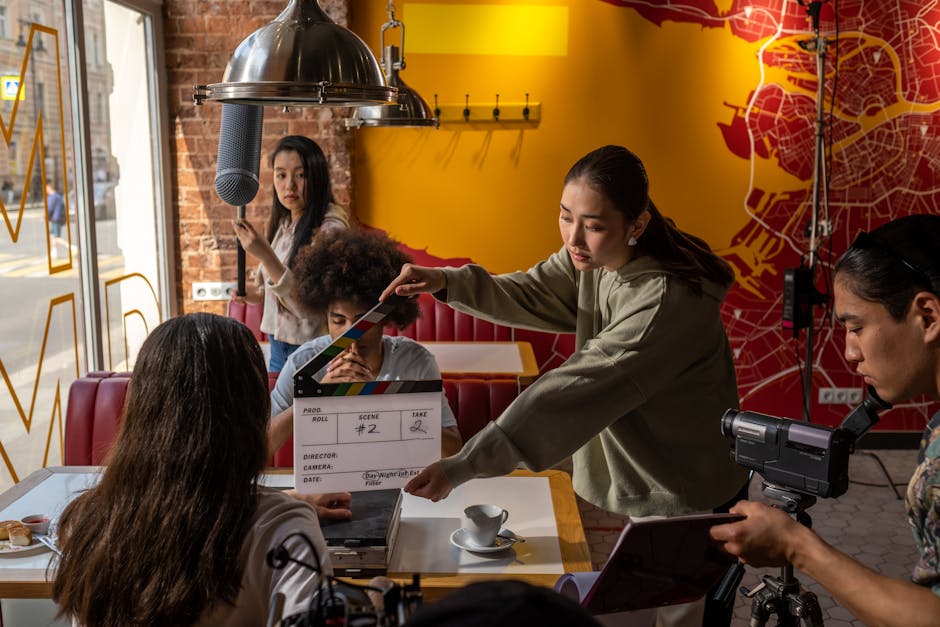
Movie magic doesn't end when the credits roll. Some of cinema's most iconic scenes were filmed in real locations that fans can visit and explore today. From sweeping fantasy landscapes to gritty urban settings, these filming locations offer a tangible connection to beloved films. Whether you're a casual moviegoer or a dedicated cinephile, visiting these sites provides a unique opportunity to step into the worlds of your favorite characters and relive memorable moments from the big screen.
Iconic Film Locations Around the World
1. Skellig Michael, Ireland - Star Wars: The Force Awakens
Rising dramatically from the Atlantic Ocean off Ireland's southwestern coast, Skellig Michael served as the remote island where Luke Skywalker chose his exile in "Star Wars: The Force Awakens" and "The Last Jedi." This UNESCO World Heritage Site features ancient monastic settlements dating back to the 6th century, with stone beehive huts perched on steep cliffs. Visitors can climb over 600 steps carved into the rock face to reach the summit, where the Jedi temple scenes were filmed. Access is limited and weather-dependent, with boats departing from Portmagee between May and October. The location's authentic remoteness and spiritual atmosphere made it perfect for depicting Luke's isolated sanctuary.
2. Highclere Castle, England - Downton Abbey
The magnificent Highclere Castle in Hampshire served as the primary filming location for both the "Downton Abbey" television series and subsequent films. This Victorian country house, still home to the Earl and Countess of Carnarvon, features over 300 rooms set within 5,000 acres of parkland designed by Capability Brown. Visitors can tour the main state rooms, including the library and drawing rooms seen throughout the series, as well as exhibitions featuring original costumes from the production. The castle opens seasonally for public tours, and fans can even book afternoon tea experiences in the same rooms where the Crawley family entertained their guests.
3. Central Park, New York City - Countless Hollywood Films
Few locations have been featured in more films than New York's Central Park. This 843-acre urban oasis has appeared in over 300 movies, from romantic comedies like "When Harry Met Sally" to thrillers like "John Wick: Chapter 2." Specific recognizable spots include Bow Bridge, featured in romantic scenes from "The Way We Were" and "Spider-Man 3," and the Bethesda Terrace, prominently featured in "The Avengers" and "Elf." Visitors can take self-guided tours following film location maps or join organized movie location walking tours. The park remains freely accessible year-round, offering fans endless opportunities to recreate their favorite movie moments.
4. Petra, Jordan - Indiana Jones and the Last Crusade
The ancient city of Petra, carved into rose-colored sandstone cliffs, became forever linked with adventure cinema when it appeared as the location of the Holy Grail's temple in "Indiana Jones and the Last Crusade." The Treasury (Al-Khazneh), with its elaborate 40-meter-high facade, is the site where Indy emerged after successfully navigating the temple's deadly traps. This archaeological wonder, dating back to around 300 BCE, is accessible to visitors through the narrow Siq canyon. Tours range from basic day visits to multi-day explorations of the extensive ruins. Walking through the same passageways seen in the film provides an unparalleled connection to one of cinema's greatest adventure franchises.
5. Matamata, New Zealand - The Lord of the Rings Trilogy
The rolling green hills of Matamata in New Zealand's North Island transformed into the Shire for Peter Jackson's "Lord of the Rings" and "Hobbit" trilogies. The Hobbiton Movie Set features 44 permanent hobbit holes, the Mill, the double-arched bridge, and the Green Dragon Inn, all meticulously maintained to look exactly as they did on screen. Unlike many film sets that are dismantled after production, this location was rebuilt as a permanent attraction following "The Hobbit" films. Guided tours take visitors through Bag End, along the Party Tree, and into the working pub where you can sample specially brewed beverages. The site's 12-acre spread captures Tolkien's vision perfectly, making it a pilgrimage site for fantasy fans worldwide.
6. Platform 9¾ at King's Cross Station, London - Harry Potter Series
While the magical Platform 9¾ exists only in J.K. Rowling's imagination, Warner Bros. and King's Cross Station have created a permanent installation where fans can capture their own Hogwarts departure photos. The station's western departures concourse features the famous luggage trolley appearing to disappear into the wall, complete with Gryffindor scarf. An adjacent Harry Potter shop offers house robes, wands, and other memorabilia. For the actual filming location used in the movies, visitors can find the archway between platforms 4 and 5, which doubled for the magical barrier. The station itself, a stunning example of Victorian architecture, appears throughout the film series and remains a fully functioning transportation hub.
7. The Grand Hotel Pupp, Czech Republic - Casino Royale
The luxurious Grand Hotel Pupp in Karlovy Vary stood in for the Hotel Splendide in Montenegro during Daniel Craig's first outing as James Bond in "Casino Royale." This opulent 228-room resort has been welcoming guests since 1701 and exudes the old-world elegance befitting a Bond film. Visitors can stay in the same suites and dine in the restaurants where key scenes were filmed, including the poker game sequences. The hotel's baroque architecture and lavish interiors provide an authentic taste of the sophisticated world 007 inhabits. Beyond Bond, the property has appeared in numerous films during the Karlovy Vary International Film Festival, which the hotel hosts annually.
8. Kualoa Ranch, Hawaii - Jurassic Park
The lush valleys of Kualoa Ranch on Oahu's windward coast served as Isla Nublar in the original "Jurassic Park" and subsequent films in the franchise. This 4,000-acre working cattle ranch offers specialized movie site tours that take visitors to locations where the gallimimus stampede was filmed and where Dr. Grant first encountered the towering brachiosaurs. The dramatic Ka'a'awa Valley, with its distinctive mountain ridges, appears in numerous other productions including "Godzilla," "Kong: Skull Island," and the "Jurassic World" films. Various tour options include bus tours, ATV adventures, and horseback riding experiences through these prehistoric-looking landscapes that continue to captivate filmmakers and visitors alike.
9. The Griffith Observatory, Los Angeles - Rebel Without a Cause and La La Land
Perched on the southern slope of Mount Hollywood, the Griffith Observatory has been an iconic filming location since its opening in 1935. James Dean immortalized the location in "Rebel Without a Cause," with the building's Art Deco architecture providing the backdrop for the film's famous knife fight scene. More recently, the observatory featured prominently in "La La Land," where Ryan Gosling and Emma Stone's characters shared a magical dance among the stars. The facility offers free admission to its exhibits and telescope viewing, while the grounds provide stunning views of the Hollywood Sign and downtown Los Angeles. Visiting at sunset allows you to experience the same golden-hour lighting that filmmakers favor.
10. Alnwick Castle, England - Harry Potter and the Philosopher's Stone
Before Hogwarts scenes moved primarily to studio sets, Alnwick Castle in Northumberland served as the exterior and some interior locations for Harry's first year at the wizarding school. The Outer Bailey is where Madam Hooch taught first-year students their broomstick flying lessons, and visitors can take broomstick training sessions in the same courtyard. This medieval fortress, home to the Duke of Northumberland, remains one of England's largest inhabited castles. Beyond Harry Potter, it has appeared in "Downton Abbey," "Transformers: The Last Knight," and "Robin Hood: Prince of Thieves." The castle offers year-round tours, special events, and activities designed specifically for Potter fans wanting to recreate movie moments.
Planning Your Cinematic Pilgrimage
These ten remarkable locations demonstrate how film and reality intersect, creating destinations that serve dual purposes as both functional spaces and cultural landmarks. Each site offers its own unique experience, from the rugged authenticity of Skellig Michael to the polished elegance of the Grand Hotel Pupp. When planning visits to film locations, research accessibility, seasonal closures, and booking requirements in advance, as popular sites often require reservations months ahead. Many locations offer specialized tours led by guides familiar with filming details and behind-the-scenes stories. Whether visiting one location or embarking on a worldwide tour of film history, these destinations provide unforgettable experiences that bring cinema to life in ways that rewatching films simply cannot match.