










1 / 10 Questions
0 Points

What Asian country is the world's most popular destination for cosmetic surgery tourism, attracting hundreds of thousands of international patients annually?

Japan

Malaysia

South Korea

Singapore

Points won
0
Correct score
0%

More Questions

More Articles

15 Interesting Facts About Pizza

15 Interesting Facts About Pizza

⏱️ 6 min read

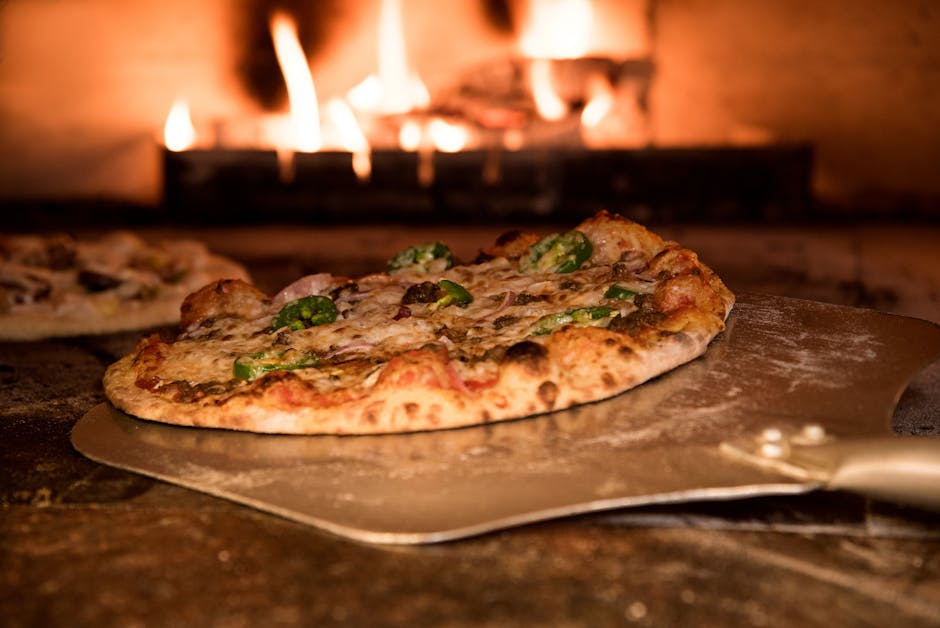
Pizza has captured the hearts and appetites of people worldwide, becoming one of the most beloved foods across cultures and continents. From its humble origins to its status as a global phenomenon, this iconic dish has a fascinating history filled with surprising developments, record-breaking achievements, and cultural significance. The following facts reveal the remarkable journey of pizza and uncover details that even the most devoted pizza enthusiasts might not know.

The Historical Evolution and Cultural Impact of Pizza

1. Ancient Flatbreads Were Pizza's Predecessors

Long before the modern pizza emerged, ancient civilizations were already enjoying flatbread variations topped with various ingredients. The Persians, Greeks, and Egyptians all had their versions of flatbreads with toppings. Greek soldiers baked flatbreads topped with oils, herbs, and cheese on their shields. The ancient Romans ate a flatbread called "panis focacius," which served as a precursor to focaccia and eventually pizza.

2. Naples Is the Birthplace of Modern Pizza

While flatbreads existed for centuries, modern pizza as we know it originated in Naples, Italy, during the 18th and early 19th centuries. The working poor in Naples required inexpensive food that could be eaten quickly, leading to the development of flatbreads topped with tomatoes, cheese, oil, garlic, and anchovies. These early pizzas were sold by street vendors and were not initially considered proper cuisine by the wealthy.

3. Queen Margherita's Pizza Changed Everything

The legendary Pizza Margherita was created in 1889 when pizzaiolo Raffaele Esposito prepared a special pizza for Queen Margherita of Savoy during her visit to Naples. He topped it with tomatoes, mozzarella cheese, and basil to represent the colors of the Italian flag. The queen loved it so much that the pizza was named in her honor, elevating pizza's status from peasant food to a dish suitable for royalty.

4. America's First Pizzeria Opened Over a Century Ago

Lombardi's, located in New York City's Little Italy neighborhood, became America's first pizzeria when it opened in 1905. Gennaro Lombardi obtained the first license to sell pizza in the United States. The restaurant is still operating today, though it closed briefly in 1984 and reopened in 1994, maintaining traditional coal-fired brick oven methods.

Pizza Consumption and Economic Facts

5. Americans Consume Staggering Amounts of Pizza

The United States pizza industry is worth over $145 billion, with Americans consuming approximately 3 billion pizzas annually. This translates to roughly 350 slices of pizza eaten per second across the country. The average American consumes about 46 slices of pizza per year, making it one of the most popular foods in the nation.

6. October Is National Pizza Month

In 1984, Congress officially designated October as National Pizza Month in the United States. This designation was created by Gerry Durnell, the founder of Pizza Today magazine, to celebrate and promote pizza across the country. October was chosen because it marks the beginning of peak pizza consumption season, which runs through the Super Bowl.

7. Saturday Night Is Prime Pizza Time

Statistics consistently show that Saturday night generates the highest pizza orders throughout the week, followed by Friday and Sunday evenings. New Year's Eve, Halloween, the night before Thanksgiving, and Super Bowl Sunday rank as the top four busiest days for pizza delivery services throughout the year.

Record-Breaking Pizza Achievements

8. The World's Largest Pizza Was Absolutely Enormous

In 2012, a team of Italian chefs in Rome created the world's largest pizza, named "Ottavia" after the first Roman emperor. This record-breaking pizza measured 13,580 square feet and was completely gluten-free. The pizza required 19,800 pounds of flour, 10,000 pounds of tomato sauce, 8,800 pounds of mozzarella cheese, and took 48 hours to bake.

9. The Most Expensive Pizza Costs Thousands of Dollars

The most expensive pizza commercially available is the "Louis XIII" pizza from Salerno, Italy, which costs approximately $12,000. Created by master pizza chef Renato Viola, this luxurious pizza features three types of caviar, Mediterranean lobster, Norwegian salmon, and is topped with pink Australian salt. The pizza must be ordered in advance and is prepared in the customer's home.

Scientific and Technical Pizza Facts

10. Pizza Has Been Delivered to Space

In 2001, Pizza Hut became the first company to deliver pizza to space. The restaurant chain paid the Russian space agency approximately one million dollars to transport a pizza to the International Space Station. The pizza was delivered aboard a Progress vehicle and enjoyed by cosmonaut Yuri Usachov. The company had to modify the recipe, particularly reducing the salt and spices, to meet space food requirements.

11. There's Actual Science Behind Perfect Pizza

Scientists and physicists have studied the mathematical and physical properties of perfect pizza. Researchers have determined that the optimal pizza-eating technique involves folding the slice lengthwise to prevent the tip from drooping, utilizing a principle called the "Gaussian curvature." Additionally, studies have explored the ideal baking temperature, cheese distribution, and dough thickness ratios.

Cultural and Regional Pizza Variations

12. Hawaiian Pizza Was Actually Invented in Canada

Despite its tropical name, Hawaiian pizza was created in 1962 by Sam Panopoulos, a Greek-Canadian restaurateur in Ontario, Canada. He named it "Hawaiian" after the brand of canned pineapple he used. This controversial combination of pineapple and ham remains one of the most debated pizza toppings worldwide, with passionate defenders and critics on both sides.

13. Different Countries Have Unique Pizza Preferences

Pizza toppings vary dramatically around the world, reflecting local tastes and ingredients. In Japan, popular toppings include squid, mayo, and corn. Brazilians enjoy pizza topped with green peas, while Australians frequently add eggs and bacon. Russians often prefer fish-topped pizzas, including sardines or tuna. These variations demonstrate how pizza has been adapted to suit diverse cultural preferences.

14. Pizzica Is Protected by Law in Naples

The authentic Neapolitan pizza received legal protection in 2009 when the European Union granted Traditional Specialty Guaranteed status to Pizza Napoletana. This designation ensures that only pizzas meeting strict requirements regarding ingredients, preparation methods, and cooking techniques can be called authentic Neapolitan pizza. The dough must be hand-kneaded, the pizza must be cooked in a wood-fired oven at specific temperatures, and only certain toppings are permitted.

15. The Pizza Box Design Is More Complex Than It Appears

The modern corrugated pizza box was patented in 1963 and represents clever engineering. The box must maintain heat while allowing moisture to escape, preventing the pizza from becoming soggy. The corrugated design provides insulation, while small vents allow steam to escape. The box must also be stackable, sturdy enough to protect the pizza during transport, and made from materials safe for food contact.

Conclusion

Pizza's journey from ancient flatbreads to a global phenomenon demonstrates its remarkable adaptability and universal appeal. These fifteen facts reveal that pizza is much more than just a convenient meal—it represents centuries of culinary evolution, cultural exchange, and innovation. Whether enjoyed in its traditional Neapolitan form or adapted with regional toppings, pizza continues to unite people across the world through its delicious simplicity and endless variety. Understanding these fascinating aspects of pizza history, consumption patterns, and cultural significance deepens appreciation for this beloved dish that has earned its place as one of the world's most popular foods.

12 Fun Facts About Ice Cream

12 Fun Facts About Ice Cream

⏱️ 7 min read

Ice cream has delighted people across the globe for centuries, evolving from a luxury reserved for royalty to a beloved treat enjoyed by millions daily. This frozen dessert holds a fascinating history filled with surprising innovations, quirky traditions, and unexpected origins. From its ancient beginnings to modern-day consumption records, ice cream's journey through time reveals remarkable stories that go far beyond simple flavors and toppings.

Surprising Origins and Historical Milestones

Ancient Civilizations Created Early Frozen Desserts

The concept of ice cream dates back thousands of years, with early versions appearing in ancient China around 200 BC. Chinese emperors enjoyed a frozen mixture of milk and rice packed in snow. Ancient Romans and Greeks also indulged in similar treats, sending runners into the mountains to collect snow and ice, which they flavored with honey, fruits, and juices. These primitive frozen desserts laid the groundwork for the ice cream we know today, though they bore little resemblance to modern recipes.

Marco Polo Brought the Recipe to Europe

Legend suggests that Marco Polo returned from his travels to the Far East in the 13th century with a recipe similar to sherbet. This introduction to Europe sparked the evolution of frozen desserts among European nobility. The recipe gradually spread throughout Italy and France, where chefs refined the technique and began experimenting with cream-based rather than water-based frozen treats. This transition marked a crucial development in creating what we now recognize as authentic ice cream.

America's First Ice Cream Parlor Opened in 1776

The first ice cream shop in America opened its doors in New York City in 1776, coinciding with the nation's founding. This establishment made ice cream accessible to the public rather than keeping it confined to wealthy households. The timing proved perfect, as Americans quickly embraced ice cream as part of their cultural identity. By the early 19th century, ice cream had become a symbol of American innovation and entrepreneurial spirit.

Mind-Blowing Production and Consumption Statistics

Vanilla Dominates as the World's Favorite Flavor

Despite the availability of hundreds of creative flavors, vanilla consistently ranks as the most popular ice cream flavor worldwide, accounting for approximately 29% of all ice cream sales. Chocolate follows in second place at around 8.9%, with strawberry claiming third position. This preference for vanilla persists across different countries and cultures, making it the universal favorite. The versatility of vanilla as both a standalone flavor and a complement to other desserts contributes to its enduring popularity.

Americans Consume Over 20 Pounds Per Person Annually

The United States leads the world in ice cream consumption, with the average American eating more than 20 pounds of ice cream each year. This translates to approximately 48 pints per person annually. The country's ice cream industry generates over $39 billion in revenue each year, supporting thousands of businesses from small artisanal shops to major manufacturing facilities. This remarkable consumption rate reflects ice cream's deep integration into American culture and celebration traditions.

It Takes 12 Pounds of Milk to Produce One Gallon

The production of ice cream requires substantial dairy resources, with approximately 12 pounds of whole milk needed to create just one gallon of ice cream. This high milk content explains why the dairy industry and ice cream manufacturers maintain close relationships. The United States produces around 1.3 billion gallons of ice cream annually, requiring enormous quantities of milk from dairy farms nationwide. This production process supports both the ice cream industry and dairy farmers, creating a significant economic partnership.

Fascinating Scientific and Technical Innovations

The Ice Cream Cone Was Invented by Accident

One of ice cream's most iconic serving methods came about through serendipity at the 1904 World's Fair in St. Louis. When an ice cream vendor ran out of dishes, a neighboring waffle maker rolled his waffles into cone shapes to help serve the ice cream. This improvised solution became an instant hit with fairgoers and revolutionized how people consumed ice cream. The edible cone eliminated the need for dishes and made ice cream portable, contributing significantly to its popularity as a street food and casual treat.

Brain Freeze Has a Scientific Explanation

The phenomenon commonly known as "brain freeze" or "ice cream headache" occurs when cold substances touch the roof of the mouth, causing blood vessels in the head to rapidly constrict and then dilate. This sudden change triggers pain receptors, creating that familiar sharp, temporary headache. Scientists call this condition sphenopalatine ganglioneuralgia. Despite being uncomfortable, brain freeze is harmless and typically subsides within 30-60 seconds. The best remedy involves pressing your tongue against the roof of your mouth to warm the area.

Industrial Ice Cream Contains More Air Than You Think

Commercial ice cream manufacturers incorporate significant amounts of air into their products through a process called overrun. Premium ice cream typically contains 25-50% air by volume, while standard commercial varieties may contain up to 100% overrun, meaning half the product is air. This practice isn't necessarily deceptive; the air actually improves texture and makes ice cream easier to scoop. However, it explains why premium, denser ice creams cost more—they contain more actual ingredients and less air per container.

Unusual Records and Cultural Phenomena

The Largest Ice Cream Sundae Weighed Over 24 Tons

The world record for the largest ice cream sundae was set in Edmonton, Alberta, Canada, in 1988, weighing an astounding 24.91 tons. This massive creation required 20,270 liters of ice cream, 4,394 kilograms of syrup, and 243 kilograms of toppings. Creating such enormous ice cream desserts has become a quirky tradition in various locations worldwide, with communities attempting to break records while celebrating their local dairy industries. These events typically draw large crowds and generate significant media attention for participating communities.

Ice Cream Headaches Affect About One-Third of People

Research indicates that approximately 30-40% of the population experiences brain freeze when consuming cold foods rapidly. Interestingly, people who suffer from migraines are more susceptible to ice cream headaches than those who don't. Scientists study this phenomenon because understanding the mechanisms behind brain freeze may provide insights into migraine treatments. The condition is more likely to occur on hot days when people consume frozen treats quickly, and it affects people regardless of age, though children often report it more frequently simply because they eat ice cream faster.

Chocolate Ice Cream Was Invented Before Vanilla

Contrary to popular assumption, chocolate ice cream actually preceded vanilla in historical records. Chocolate was first used as an ice cream flavor in Italy during the 17th century, while vanilla didn't become widely used until the 18th century. Early chocolate ice cream recipes appeared in cookbooks from Naples, where chocolate was already a popular drink among the wealthy. Vanilla's later introduction came after improved cultivation techniques made vanilla beans more accessible to European markets. This historical timeline challenges the common perception of vanilla as the "original" or "basic" flavor.

Conclusion

These twelve fascinating facts reveal ice cream as far more than a simple frozen dessert. From ancient emperors enjoying primitive versions to modern Americans consuming billions of gallons annually, ice cream has maintained its position as a beloved treat across cultures and centuries. The accidental invention of the cone, the scientific explanation for brain freeze, and the surprising air content in commercial products demonstrate how innovation and science intertwine with culinary tradition. Whether enjoying vanilla's timeless appeal or marveling at record-breaking sundaes, ice cream continues to bring joy while offering endless opportunities for discovery and appreciation. Understanding these facts enriches the experience of every scoop, connecting us to ice cream's remarkable journey through history and its enduring place in global food culture.