

1 / 10 Questions
0 Points

Who invented the sandwich to avoid interrupting his card game?

Earl of Sandwich

Duke of Wellington

Lord Byron

Earl Grey

Points won
0
Correct score
0%

More Questions

More Articles

Top 10 Fun Facts About Horror Movie Classics

Top 10 Fun Facts About Horror Movie Classics

⏱️ 8 min read

Horror movies have captivated audiences for over a century, delivering thrills, chills, and unforgettable cinematic moments. Behind the screams and scares lie fascinating stories of creative innovation, unexpected challenges, and surprising trivia that even die-hard fans might not know. These classic films have shaped the genre and influenced countless filmmakers, leaving an indelible mark on cinema history. From groundbreaking special effects to unusual casting decisions and production mishaps that turned into legendary moments, the making of these horror masterpieces is often as intriguing as the films themselves.

Behind-the-Scenes Stories from Iconic Horror Films

1. The Chest-Bursting Scene in Alien Was Kept Secret from the Cast

One of cinema's most shocking moments came from genuine surprise. Director Ridley Scott deliberately kept details of the chest-burster scene from most of the cast during the filming of "Alien" (1979). The actors knew something would emerge from John Hurt's chest, but they weren't prepared for the explosive nature of the effect or the volume of blood that would spray across the set. Veronica Cartwright's horrified reaction, when blood splattered directly onto her face, was completely authentic. This approach to capturing genuine fear and shock would influence horror filmmaking for decades to come, proving that sometimes the best performances come from real, unscripted reactions.

2. The Exorcist Caused Real-Life Panic and Medical Emergencies

When "The Exorcist" premiered in 1973, it became a cultural phenomenon that transcended typical movie-going experiences. Theaters reported audience members fainting, vomiting, and requiring medical attention during screenings. Some cities stationed ambulances outside theaters showing the film. The movie's impact was so profound that it sparked serious discussions about the psychological effects of horror cinema. The production itself was plagued by unusual accidents and incidents, leading some to believe the set was cursed. A fire destroyed most of the interior sets, though remarkably, Regan's bedroom remained untouched. These strange occurrences only added to the film's mystique and reputation as one of the most disturbing horror films ever made.

3. Anthony Perkins Wasn't Present for the Shower Scene in Psycho

Alfred Hitchcock's "Psycho" (1960) features one of the most iconic murder sequences in film history, yet the star of that scene, Anthony Perkins, wasn't even on set during its filming. The shower scene took seven days to shoot and required 77 different camera angles and 50 cuts to create its 45-second sequence. A body double stood in for Perkins during the actual stabbing shots. Hitchcock used chocolate syrup for blood because it showed up better on black-and-white film than stage blood. The screeching violin score became so synonymous with terror that it fundamentally changed how audiences perceived everyday activities like taking a shower.

4. The Texas Chain Saw Massacre Was Marketed as True Events

Tobe Hooper's "The Texas Chain Saw Massacre" (1974) opened with a claim that the film was based on true events, leading many viewers to believe they were watching a recreation of actual murders. While the character of Leatherface was loosely inspired by serial killer Ed Gein, the specific events depicted in the film were entirely fictional. This marketing strategy proved incredibly effective, creating an aura of documentary-style realism that intensified the horror. The film was shot in grueling conditions during a Texas summer, with temperatures exceeding 100 degrees Fahrenheit. The cast and crew worked in a farmhouse without air conditioning, and the smell from the decomposing animal parts used as props became overwhelming, adding to the production's nightmarish quality.

5. Halloween Was Shot on an Extremely Limited Budget

John Carpenter's "Halloween" (1978) became one of the most profitable independent films ever made, despite its minuscule budget of approximately $300,000. The iconic Michael Myers mask was actually a Captain Kirk mask from "Star Trek" that the production team purchased for less than two dollars and spray-painted white. The limited budget forced creative solutions throughout production: the leaves scattered in scenes meant to take place in autumn were actually painted brown because the film was shot in spring. Despite these constraints, or perhaps because of them, Carpenter created an atmospheric masterpiece that established many conventions of the slasher genre and launched Jamie Lee Curtis's career as a scream queen.

6. Nosferatu's Unauthorized Adaptation Nearly Destroyed All Copies

F.W. Murnau's "Nosferatu" (1922) was an unauthorized adaptation of Bram Stoker's "Dracula," created without permission from Stoker's estate. When Florence Stoker, the author's widow, learned of the film's existence, she sued for copyright infringement and won. The court ordered all copies of the film to be destroyed. Fortunately, several prints had already been distributed internationally, and these surviving copies preserved what is now considered a masterpiece of silent cinema and German Expressionism. Max Schreck's portrayal of Count Orlok created such an unsettling presence that decades later, a film called "Shadow of the Vampire" would playfully suggest that Schreck might have actually been a real vampire.

7. The Blair Witch Project Pioneered Found-Footage Marketing

Long before its 1999 release, "The Blair Witch Project" created an innovative marketing campaign that blurred the lines between fiction and reality. The filmmakers created a website suggesting the Blair Witch was real folklore and that the three student filmmakers had genuinely disappeared. Missing person posters for the actors were distributed, and many early viewers believed they were watching actual recovered footage. The film cost approximately $60,000 to make and earned nearly $250 million worldwide. The actors improvised much of their dialogue and were genuinely stressed, cold, and frightened during filming, as the directors would wake them in the middle of the night and leave them with minimal food to increase authenticity.

8. Night of the Living Dead Entered Public Domain Accidentally

George A. Romero's "Night of the Living Dead" (1968) revolutionized zombie films and created many conventions that define the genre today. However, due to a copyright error when the title was changed from "Night of the Flesh Eaters" just before release, the film accidentally entered the public domain immediately upon distribution. The original title card containing the copyright notice was replaced, but the new one omitted the copyright symbol. This mistake meant anyone could duplicate and distribute the film without paying royalties, costing the filmmakers millions in potential revenue. Despite this financial loss, the film's accessibility helped it become a cultural touchstone and ensured its status as one of the most watched and studied horror films in history.

9. The Shining's Typewriter Pages Were All Actually Typed

Stanley Kubrick's meticulous attention to detail in "The Shining" (1980) extended to seemingly minor props. The famous "All work and no play makes Jack a dull boy" scene required pages and pages of typed text. Rather than using copies or fake pages, the production team actually typed out hundreds of pages with the repeated phrase in different formats and arrangements. For international versions of the film, these pages were retyped in different languages with equivalent phrases, demonstrating Kubrick's obsessive perfectionism. The director was notorious for demanding dozens of takes; the baseball bat scene reportedly required 127 takes, holding a world record at the time. Shelley Duvall's exhausted, terrified performance was partly the result of this grueling production process.

10. Jaws Created the Summer Blockbuster Phenomenon

Steven Spielberg's "Jaws" (1975) not only terrified audiences but also fundamentally changed how Hollywood released and marketed films. Before "Jaws," major films typically opened in a few theaters and gradually expanded. "Jaws" pioneered the wide-release strategy, opening in over 400 theaters simultaneously with extensive television advertising. This approach created the concept of the summer blockbuster. The production faced enormous challenges, primarily with the mechanical sharks (collectively nicknamed "Bruce") that constantly malfunctioned in salt water. These technical difficulties forced Spielberg to suggest the shark's presence rather than show it constantly, accidentally creating far more suspense and terror than originally planned. The film's success established Spielberg as a major director and proved that horror and thriller elements could drive massive mainstream success.

The Lasting Legacy of Horror Innovation

These classic horror films demonstrate that memorable cinema often emerges from creative problem-solving, happy accidents, and bold risks. From budget constraints that sparked innovation to technical failures that enhanced suspense, the stories behind these movies reveal that the path to creating enduring art is rarely straightforward. The filmmakers' dedication to their craft, combined with fortuitous circumstances and occasionally genuine mishaps, produced works that continue to influence modern horror cinema. These ten facts illustrate how the greatest horror films transcend their genre, becoming cultural phenomena that shape not just filmmaking techniques but also marketing strategies, audience expectations, and the very language of cinema itself. Understanding the context and creation of these classics deepens our appreciation for both the films themselves and the artists who brought these nightmares to life.
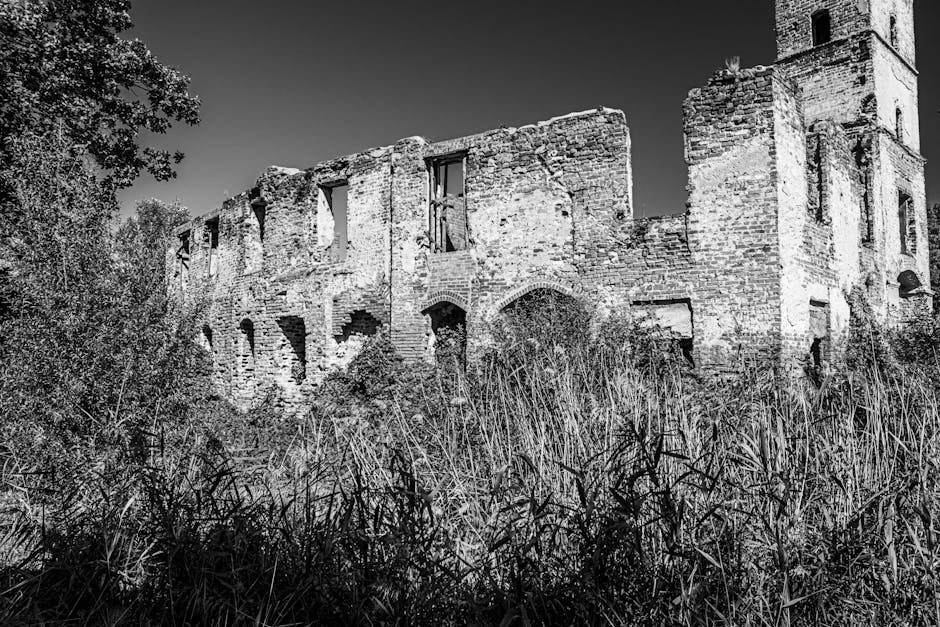
Top 10 Forgotten Empires in History

Top 10 Forgotten Empires in History

⏱️ 7 min read

Throughout human history, countless civilizations have risen to remarkable heights of power, culture, and innovation, only to fade from collective memory over the centuries. While most people can readily name empires like Rome, Egypt, or the Mongols, numerous other mighty kingdoms have been relegated to the footnotes of history textbooks. These forgotten empires shaped trade routes, influenced religions, developed groundbreaking technologies, and left architectural marvels that still stand today. Their stories deserve to be remembered and celebrated for the profound impact they had on human civilization.

Remarkable Civilizations Lost to Time

1. The Aksumite Empire: Africa's Christian Powerhouse

Flourishing between the 1st and 7th centuries CE in what is now Ethiopia and Eritrea, the Aksumite Empire was one of the four great powers of its time, alongside Rome, Persia, and China. This African civilization controlled crucial Red Sea trade routes connecting the Roman Empire with India and beyond. The Aksumites developed their own written script, Ge'ez, minted their own currency, and constructed towering stone obelisks, some reaching over 100 feet high. Perhaps most significantly, Aksum was one of the first empires to officially adopt Christianity as a state religion in the 4th century CE, even before Rome. Despite its historical importance, the Aksumite Empire remains largely unknown outside academic circles.

2. The Khmer Empire: Builders of Angkor Wat

The Khmer Empire dominated Southeast Asia from the 9th to 15th centuries, with its heartland in modern-day Cambodia. At its peak, this empire controlled territories spanning present-day Thailand, Laos, Vietnam, and Myanmar. The Khmer are best known for constructing Angkor Wat, the largest religious monument in the world, along with an extensive network of hydraulic engineering systems that supported a population of nearly one million in their capital. Their sophisticated water management systems included massive reservoirs called barays that irrigated rice fields during dry seasons. The empire's decline came gradually through a combination of environmental factors, religious changes, and invasions, eventually leading to its abandonment and disappearance beneath jungle growth until French explorers rediscovered the ruins in the 19th century.

3. The Parthian Empire: Rome's Eastern Rival

Existing from 247 BCE to 224 CE, the Parthian Empire controlled the Iranian plateau and served as the primary adversary to Rome's eastern expansion for nearly five centuries. The Parthians controlled the lucrative Silk Road trade routes and developed innovative military tactics, including the famous "Parthian shot"—firing arrows backward while retreating on horseback. Their empire bridged Eastern and Western cultures, facilitating trade and cultural exchange between the Mediterranean world and China. Despite repeatedly defeating Roman legions and maintaining independence against the might of Rome, the Parthians receive minimal attention in Western historical narratives, overshadowed by their predecessors, the Persians, and their successors, the Sassanids.

4. The Srivijaya Empire: Maritime Masters of Southeast Asia

From the 7th to 13th centuries, the Srivijaya Empire dominated maritime trade in Southeast Asia, controlling the strategic Strait of Malacca between Sumatra and Malaysia. This thalassocratic (sea-based) empire didn't rely on territorial conquest but rather on naval supremacy and trade monopolies. Srivijaya became a major center of Buddhist learning, attracting scholars from across Asia. Chinese monk Yijing studied there in the 7th century and reported that over a thousand Buddhist monks resided in the capital. The empire's influence extended throughout island Southeast Asia, yet it left few physical monuments, making it largely forgotten despite its centuries of dominance over one of the world's most important maritime trade routes.

5. The Kushan Empire: Cultural Crossroads of Ancient Asia

The Kushan Empire, which thrived from the 1st to 3rd centuries CE, occupied territories across modern Afghanistan, Pakistan, northern India, and parts of Central Asia. This empire played a pivotal role in the development and spread of Mahayana Buddhism along the Silk Road into China. The Kushans were remarkable for their cultural synthesis, blending Greek, Persian, Indian, and Central Asian influences into a unique civilization. They facilitated trade between the Roman Empire, China, and India, and their coinage featured deities from multiple religious traditions. The Kushan period witnessed significant developments in art, particularly the Gandhara style that depicted Buddha in human form for the first time, profoundly influencing Buddhist art across Asia.

6. The Sogdian Merchants: The Invisible Empire of Trade

Though not a traditional territorial empire, the Sogdian civilization from Central Asia (modern Uzbekistan and Tajikistan) created a commercial network from the 4th to 10th centuries CE that functioned as an economic empire. Sogdian merchants established diaspora communities along the entire length of the Silk Road, serving as essential intermediaries in East-West trade. They developed an international lingua franca for commerce, and their script influenced the development of writing systems across Central Asia, including Mongolian and Manchu scripts. The Sogdians introduced numerous crops, technologies, and cultural practices between civilizations, yet their crucial role in facilitating global exchange during the medieval period is rarely acknowledged in mainstream historical narratives.

7. The Silla Kingdom: Korea's Golden Age

The Silla Kingdom unified the Korean Peninsula in 676 CE and maintained control until 935 CE, creating one of the longest-ruling dynasties in East Asian history. During its peak, Silla developed a sophisticated aristocratic system called the "bone-rank" system, constructed elaborate Buddhist temples, and created exquisite gold jewelry and crowns that rank among the finest examples of ancient Asian metalwork. The kingdom's capital, Gyeongju, was one of the world's largest cities during the 8th and 9th centuries. Silla maintained important diplomatic and trade relations with Tang China and Japan, facilitating cultural exchange throughout East Asia. Despite its achievements and longevity, Silla remains overshadowed by better-known Chinese and Japanese civilizations.

8. The Nubian Kingdoms: Egypt's Southern Neighbors

The successive Nubian kingdoms of Kush, particularly the periods of Napata and Meroë (8th century BCE to 4th century CE), created a powerful civilization along the Nile in what is now Sudan. These kingdoms not only resisted Egyptian domination but actually conquered and ruled Egypt during the 25th Dynasty (747-656 BCE), with Nubian pharaohs controlling both territories. The Nubians developed their own script (Meroitic), built distinctive steep-sided pyramids (more numerous than Egypt's), and mastered ironworking technology. They maintained independence and prosperity long after Egypt fell to foreign powers, yet their achievements are frequently overlooked or mistakenly attributed to Egyptian civilization.

9. The Tiwanaku Empire: Masters of High-Altitude Agriculture

Centered around Lake Titicaca in modern Bolivia and Peru, the Tiwanaku Empire flourished from approximately 300 to 1000 CE at an altitude of over 12,000 feet above sea level. This civilization engineered sophisticated raised-field agricultural systems that maximized crop yields in the harsh highland environment, potentially supporting a population of several hundred thousand. They constructed monumental stone architecture, including the famous Gateway of the Sun, carved from a single piece of andesite. The Tiwanaku developed extensive trade networks throughout the Andes and influenced cultures across a vast region. Their innovative agricultural techniques are being studied today as potential solutions for modern high-altitude farming challenges.

10. The Kanem-Bornu Empire: Saharan Trade Dominators

One of Africa's longest-lasting empires, Kanem-Bornu existed in various forms around Lake Chad from the 9th century to the late 19th century—roughly a thousand years of continuous political organization. The empire controlled trans-Saharan trade routes, particularly the trade in salt, horses, and slaves, becoming wealthy and powerful. Kanem-Bornu was an Islamic state that maintained diplomatic relations with Ottoman Turkey and other North African powers. The empire's cavalry forces, heavily armored in chain mail, made it a formidable military power. Despite its impressive longevity and influence across Central Africa and the Sahel region, Kanem-Bornu receives minimal attention in global historical surveys.

The Legacy of Forgotten Powers

These ten empires represent only a fraction of the great civilizations that have been marginalized in popular historical consciousness. Each made substantial contributions to human progress—from architectural innovations and agricultural techniques to religious developments and trade networks that connected distant parts of the world. Their relative obscurity often reflects geographic and cultural biases in how history has been recorded and taught, rather than their actual historical significance. By rediscovering and studying these forgotten empires, we gain a more complete and nuanced understanding of humanity's shared past, recognizing that civilization's story extends far beyond the handful of empires that dominate our textbooks and popular imagination.