












1 / 20 Questions
0 Points

Which river animal can hold its breath underwater for up to 5 hours?

Hippo

Beaver

Crocodile

River Otter

Points won
0
Correct score
0%

More Questions

More Articles

Did You Know? 12 Fascinating Facts About Sculpting

Did You Know? 12 Fascinating Facts About Sculpting

⏱️ 6 min read

Sculpting stands as one of humanity's oldest and most enduring art forms, transforming raw materials into three-dimensional expressions of creativity, culture, and emotion. From ancient civilizations to contemporary artists, sculptors have pushed the boundaries of what's possible with stone, metal, clay, and countless other materials. The world of sculpting is filled with surprising techniques, remarkable achievements, and little-known facts that reveal the depth and complexity of this timeless craft.

Extraordinary Facts That Reveal Sculpting's Rich History and Techniques

1. Michelangelo Carved David from Rejected Marble

The iconic statue of David, one of the world's most recognizable sculptures, was created from a massive block of Carrara marble that two other sculptors had previously abandoned. The marble had been considered too difficult to work with due to its imperfections and narrow dimensions. Michelangelo accepted the challenge in 1501 and spent three years transforming the rejected stone into a masterpiece standing over 17 feet tall. This demonstrates how artistic vision can transcend material limitations.

2. Ancient Greek Sculptures Were Originally Painted in Vivid Colors

Contrary to the pristine white marble aesthetic we associate with classical sculpture, ancient Greek and Roman statues were originally painted in bright, vibrant colors. Over centuries, the paint wore away, leaving behind the bare marble that became synonymous with classical art. Modern technology and trace pigment analysis have revealed that these sculptures once featured realistic skin tones, colorful clothing, and detailed facial features, completely transforming our understanding of ancient aesthetic preferences.

3. The Lost-Wax Casting Method Dates Back 6,000 Years

One of the most sophisticated sculpting techniques, lost-wax casting, has been used for approximately 6,000 years. This process involves creating a wax model, encasing it in clay or plaster, then melting away the wax to create a mold for molten metal. Ancient civilizations across Mesopotamia, Egypt, China, and Mesoamerica independently developed variations of this technique, which remains essential in bronze sculpture and jewelry making today. The method's longevity testifies to its effectiveness and versatility.

4. Mount Rushmore's Faces Are Taller Than the Great Sphinx

The massive presidential faces carved into Mount Rushmore stand approximately 60 feet tall, making them taller than the Great Sphinx of Giza, which measures about 66 feet in total height but only 20 feet for the head alone. Sculptor Gutzon Borglum and his team removed roughly 450,000 tons of rock between 1927 and 1941 to create this monumental work. The scale of modern sculpting projects like Mount Rushmore demonstrates how technology has enabled artists to work at previously unimaginable proportions.

5. The World's Smallest Sculptures Fit Inside the Eye of a Needle

While some sculptors work on massive scales, others create in the microscopic realm. Artist Willard Wigan creates nano-sculptures so tiny they fit within the eye of a needle or on the head of a pin. These miniature masterpieces require working between heartbeats to avoid hand tremors and are visible only through microscopes. This extreme form of micro-sculpting represents the opposite end of the spectrum from monumental works, showcasing the incredible range of the medium.

6. Carrara Marble Has Been the Sculptor's Choice for 2,000 Years

The marble quarries of Carrara, Italy, have supplied sculptors with premium white and blue-grey marble since Roman times. This prized stone was used for the Pantheon, Trajan's Column, and countless Renaissance masterpieces. Michelangelo personally selected blocks from these quarries, sometimes spending months in the mountains. Today, the same quarries continue operation, providing material for contemporary sculptors and maintaining a direct link to ancient artistic traditions.

7. Auguste Rodin's "The Thinker" Was Originally Much Smaller

One of the most famous sculptures in the world, "The Thinker," was originally conceived as a much smaller figure intended to sit atop Rodin's massive work "The Gates of Hell." The original sculpture measured only about 28 inches tall. Due to its popularity, Rodin later created monumental versions standing over 6 feet tall. More than twenty large-scale bronze casts exist worldwide, demonstrating how a sculpture's impact can lead to reinterpretation at different scales.

8. Ice Sculpting Must Account for Melting During Creation

Ice sculptors face unique challenges that artists working in permanent materials never encounter. Professional ice sculptors must work quickly in cold environments while accounting for the fact that their material is constantly melting from the heat of their tools, hands, and lights. Large ice sculptures can weigh several hundred pounds and require planning for structural integrity as the ice shifts and melts. This temporal aspect makes ice sculpting one of the most demanding and ephemeral forms of the craft.

9. The Terra Cotta Army Contains No Identical Faces

The famous Terra Cotta Army, buried with China's first emperor Qin Shi Huang around 210 BCE, consists of approximately 8,000 life-sized soldiers. Remarkably, each figure features unique facial features, expressions, and details. This suggests that ancient sculptors may have modeled the figures after real soldiers or used various molds and hand-finishing techniques to ensure individuality. The achievement represents an extraordinary feat of mass production combined with artistic customization.

10. Modern Sculptors Use 3D Printing and Robotics

Contemporary sculpture has embraced digital technology, with artists using 3D scanning, computer modeling, and robotic carving systems. These tools allow sculptors to work with precision impossible by hand alone, scale models up or down perfectly, and create complex geometric forms. However, rather than replacing traditional techniques, digital tools often complement classical methods, with many sculptors combining both approaches in their creative process.

11. Butter Sculptures Have Been Fair Attractions for Over a Century

Butter sculpting emerged as a unique American art form at agricultural fairs in the late 19th century. These sculptures, kept in refrigerated display cases, can weigh hundreds of pounds and take weeks to complete. The medium requires working in cold temperatures and understanding how butter's consistency changes with temperature. After display, the butter is often recycled into biofuel, making these elaborate artworks ultimately biodegradable.

12. The Bronze Age Was Named After a Sculpting Material

An entire period of human history takes its name from developments in metal sculpting and metallurgy. The Bronze Age, spanning roughly 3300 to 1200 BCE in different regions, marked when humans mastered the technique of alloying copper and tin to create bronze. This harder, more durable material revolutionized not only art and sculpture but also tools, weapons, and technology. The cultural importance of sculpting materials was so significant that it defined an era of human civilization.

The Enduring Legacy of Sculptural Arts

These twelve fascinating facts reveal that sculpting encompasses far more than simply shaping materials. From ancient techniques still used today to cutting-edge digital tools, from microscopic details to mountain-sized monuments, sculpting continues to evolve while honoring traditions thousands of years old. Whether working in permanent materials like bronze and marble or ephemeral media like ice and butter, sculptors transform the physical world into expressions of human creativity, culture, and vision. Understanding these remarkable aspects of sculpting deepens our appreciation for both historical masterpieces and contemporary innovations in this fundamental art form.
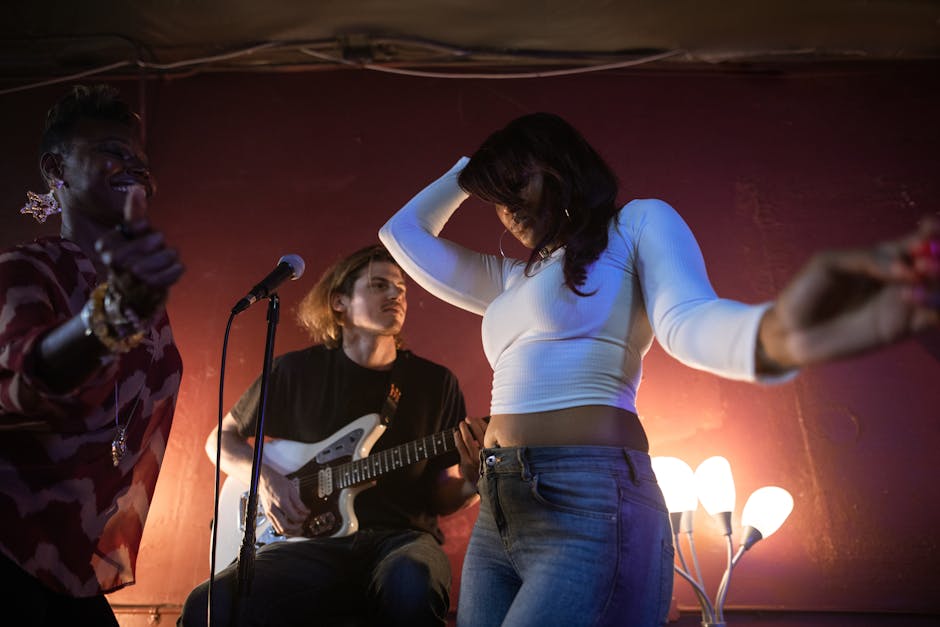
Did You Know The Longest Concert Lasted Over 18 Hours?

Did You Know The Longest Concert Lasted Over 18 Hours?

⏱️ 6 min read

When most people think of concerts, they imagine a few hours of entertainment—perhaps two to three hours of music with an encore. However, the world of live music has witnessed some truly extraordinary endurance feats that push the boundaries of what performers and audiences can withstand. From marathon performances lasting nearly a full day to ongoing concerts that span years, these remarkable musical events showcase the dedication, stamina, and passion of artists worldwide. Here are eighteen fascinating facts about the longest concerts ever performed.

Record-Breaking Concert Marathons

1. The 18-Hour Finnish Rock Spectacle

In 2013, Finnish musician Tommi Soidinmäki earned a place in the record books by performing an astounding 18-hour concert in his home country. This marathon performance required extraordinary physical and mental endurance, as the artist continuously played through what amounted to almost an entire waking day, demonstrating the upper limits of human performance capabilities in live music.

2. The 639-Year Church Concert

The longest concert ever planned is currently taking place in Halberstadt, Germany, where John Cage's composition "As Slow As Possible" (ASLSP) began in 2001 and is scheduled to conclude in 2640. This organ performance in St. Burchardi church changes notes only once every few months or years, creating a musical experience that spans multiple human lifetimes and represents perhaps the most ambitious interpretation of musical time ever attempted.

3. The 50-Hour Canadian Charity Marathon

Canadian musician Jeff Healey participated in one of the longest continuous band performances for charity, playing for over 50 hours. These charity marathons demonstrate how music can be used as a tool for fundraising while simultaneously pushing performers to their absolute limits of endurance and dedication to their craft.

4. Physical Demands of Marathon Performances

Extended concerts place immense strain on performers' bodies. Musicians performing for 10+ hours face challenges including dehydration, muscle fatigue, vocal strain, and mental exhaustion. Many marathon performers employ special training regimens, similar to athletes, and have medical personnel on standby to monitor their health throughout these extreme performances.

5. The Grateful Dead's Legendary Five-Hour Shows

While not record-breaking by marathon standards, The Grateful Dead regularly performed five-hour concerts throughout their career, making extended performances part of their signature style. Their ability to improvise and maintain audience engagement for such extended periods influenced countless musicians and helped establish the concept of the concert as an immersive, all-night experience.

Audience Endurance and Experience

6. Audience Dropout Rates at Extended Concerts

Research on ultra-long concerts shows that audience retention drops significantly after the six-hour mark. Most marathon concerts see approximately 70% of their original audience depart before the midpoint, with only the most dedicated fans remaining until the final notes. This creates a unique bonding experience among those who stay the entire duration.

7. Sleep Deprivation Effects on Musical Appreciation

Extended concerts that run through the night create unusual psychological effects on both performers and audiences. Sleep deprivation can alter perception of music, with some attendees reporting heightened emotional responses and altered states of consciousness during the late-night and early-morning hours of marathon performances.

8. Venue Logistics for Ultra-Long Shows

Hosting a 10+ hour concert requires extraordinary venue planning. Facilities must provide adequate food and beverage service, multiple bathroom facilities, temperature control, and often sleeping areas for exhausted attendees. Some venues have created special "rest zones" where audience members can nap before returning to the performance.

Notable Marathon Performance Techniques

9. The Rotation Method Used by Band Members

Many bands attempting long concert records employ a rotation system where different members take brief breaks while others continue playing. This tag-team approach allows individuals to rest, eat, and recover while maintaining continuous music, though purists argue this doesn't constitute a truly "continuous" solo performance.

10. Vocal Preservation Strategies

Singers performing in marathon concerts use specialized techniques to preserve their voices, including specific warm-up exercises, throat sprays, consistent hydration, and strategic setlist planning that alternates between vocally demanding and less strenuous songs. Some performers even consult with medical voice specialists before attempting such feats.

11. The Role of Improvisation in Extended Sets

Improvisation becomes crucial during ultra-long performances as prepared material inevitably runs out. Jazz musicians and jam bands are particularly suited to marathon concerts because their improvisational skills allow them to create new content spontaneously, keeping performances fresh and preventing repetition that would bore both performer and audience.

12. Nutrition and Hydration Protocols

Successful marathon performers follow strict nutritional protocols, consuming small, frequent meals high in complex carbohydrates and protein while avoiding heavy foods that might cause drowsiness. Hydration stations are positioned strategically on stage, and many performers use electrolyte-enhanced beverages to prevent cramping and maintain energy levels.

Historical Context and Evolution

13. Ancient Musical Endurance Traditions

Marathon musical performances aren't a modern invention. Ancient cultures, including certain Indigenous peoples and religious traditions, have practiced ceremonial music-making lasting multiple days. These traditions influenced contemporary marathon concerts by demonstrating that extended musical experiences can serve spiritual and communal purposes beyond entertainment.

14. The Woodstock Effect on Concert Length

The Woodstock festival of 1969, lasting three days with nearly continuous performances, changed cultural expectations about concert duration. This event demonstrated that audiences would commit to extended musical experiences when the setting and cultural moment aligned, paving the way for modern music festivals and marathon performance attempts.

15. Technology's Role in Enabling Long Performances

Modern technology has made marathon concerts more feasible through improvements in instrument durability, sound equipment that doesn't overheat, LED lighting that generates less heat than older systems, and sophisticated monitoring equipment that tracks performers' health metrics in real-time. These technological advances reduce some of the physical challenges inherent in extended performances.

Record-Keeping and Verification

16. Guinness World Records Criteria for Concert Length

The Guinness World Records organization maintains strict criteria for verifying longest concert attempts. Rules require continuous performance with no breaks exceeding a few minutes, independent witnesses, video documentation, and clear evidence that the performer remained conscious and actively playing throughout. These stringent requirements ensure the legitimacy of record claims.

17. Disputed Records and Verification Challenges

Many claimed "longest concert" records remain disputed due to inadequate documentation or disagreements about what constitutes a genuine performance versus simply making noise. Some purported records involve performers who took extended breaks, used pre-recorded backing tracks, or failed to maintain acceptable performance quality throughout the duration.

18. The Future of Marathon Concert Attempts

As musicians continue to push boundaries, future marathon concert attempts may incorporate virtual reality elements, allowing global audiences to participate, or biometric monitoring that provides real-time data on performers' physical states. Some futurists predict that advances in medical science might eventually enable performances exceeding 24 consecutive hours through enhanced recovery techniques and performance optimization.

Conclusion

Marathon concerts represent the intersection of artistic dedication, human endurance, and musical passion. From Tommi Soidinmäki's 18-hour epic to John Cage's centuries-spanning organ performance, these extraordinary events challenge our understanding of what's possible in live music. They require meticulous planning, superhuman stamina, and unwavering commitment from both performers and audiences. While most music fans will never attend an 18-hour concert, the existence of these remarkable performances reminds us that music can transcend normal boundaries of time and endurance, creating unique experiences that test the limits of human capability. These eighteen facts about marathon concerts illuminate not just the records themselves, but the broader human drive to push beyond conventional limits in pursuit of artistic expression and achievement.