







1 / 10 Questions
0 Points

Which jellyfish is technically immortal?

Turritopsis dohrnii

Moon jellyfish

Box jellyfish

Lion's mane jellyfish

Points won
0
Correct score
0%

More Questions

More Articles

Did You Know Coffee Is the Second Most Traded Commodity?

Did You Know Coffee Is the Second Most Traded Commodity?

⏱️ 6 min read

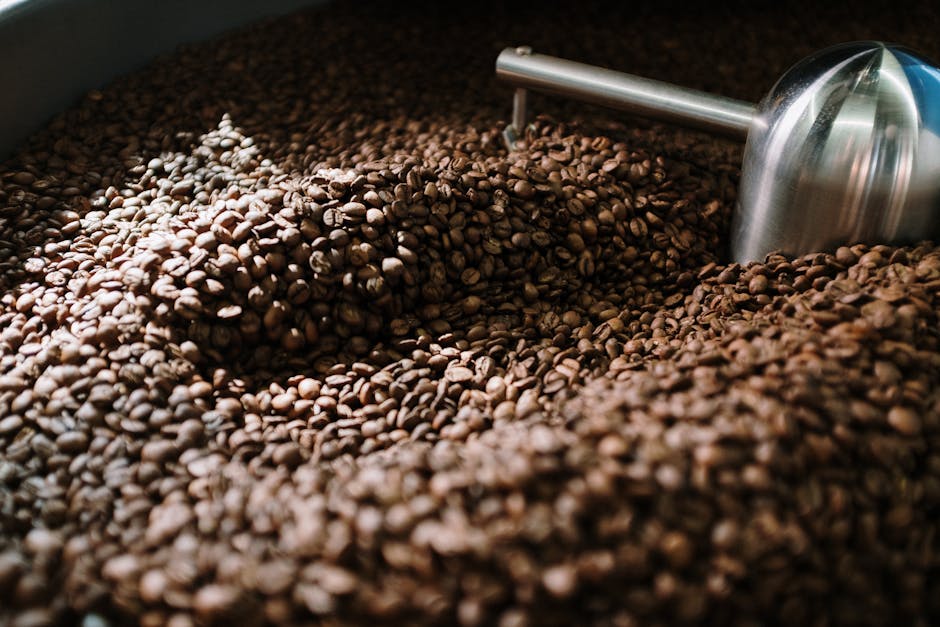
Every morning, millions of people around the world begin their day with a steaming cup of coffee, rarely pausing to consider the remarkable global journey behind those aromatic beans. Coffee holds a distinguished position in international trade, ranking as the second most traded commodity in the world by volume, surpassed only by crude oil. This fascinating statistic reflects not just our collective caffeine dependence, but also the intricate economic networks, agricultural practices, and cultural traditions that make coffee a cornerstone of global commerce.

Understanding Coffee's Position in Global Trade

The coffee industry generates approximately $100 billion annually in global trade value, with over 25 million farmers across more than 70 countries dedicating their livelihoods to cultivating this beloved crop. The sheer scale of coffee production and consumption creates an economic ecosystem that rivals major industrial commodities. Each year, the world produces roughly 170 million 60-kilogram bags of coffee, with demand continuing to grow steadily as emerging markets develop increasingly sophisticated coffee cultures.

The designation of coffee as the second most traded commodity reflects both its volume and its economic impact across continents. Unlike crude oil, which is concentrated in specific regions, coffee production spans the tropical belt around the equator, involving numerous developing nations whose economies depend significantly on coffee exports. This widespread cultivation creates a truly global market with complex supply chains connecting rural farmers to urban consumers worldwide.

The Coffee Belt: Where Production Thrives

Coffee grows exclusively in what experts call the "Coffee Belt" or "Bean Belt," a region stretching between the Tropics of Cancer and Capricorn. This geographic limitation makes coffee production unique among major commodities, as specific climatic conditions—altitude, temperature, rainfall, and soil composition—determine both the quantity and quality of coffee harvests.

Brazil dominates global coffee production, accounting for approximately 40% of the world's supply. Vietnam follows as the second-largest producer, specializing primarily in robusta beans used for instant coffee and espresso blends. Colombia, Indonesia, and Ethiopia round out the top five producing nations, each bringing distinctive flavor profiles and cultivation methods to the global market.

The Two Primary Coffee Species

The global coffee trade primarily involves two species: Arabica and Robusta. Arabica beans, representing roughly 60-70% of global production, are prized for their smooth, complex flavors and typically command higher prices. These beans thrive at higher altitudes and require more delicate growing conditions. Robusta beans, comprising the remaining 30-40%, contain nearly double the caffeine content, grow at lower elevations, and demonstrate greater resistance to pests and diseases, making them economically attractive for many producers.

The Economic Impact on Producing Countries

For many developing nations, coffee exports represent a critical component of their economic stability and foreign exchange earnings. Countries like Ethiopia, Honduras, and Uganda depend on coffee for 25-50% of their export revenues. This dependence creates both opportunities and vulnerabilities, as coffee prices fluctuate based on weather patterns, global demand, currency exchange rates, and speculative trading.

The livelihoods of an estimated 125 million people worldwide connect directly to coffee cultivation, harvesting, processing, and trading. In rural areas across Africa, Central America, and Southeast Asia, coffee farming provides essential income and employment opportunities that might otherwise be scarce. However, this dependence also exposes farming communities to economic volatility when market prices drop below sustainable levels.

From Cherry to Cup: The Complex Supply Chain

Coffee's journey from farm to consumer involves multiple stages, each adding value and complexity to the trading process:

  • Cultivation and harvesting by farmers, often using manual picking methods to select ripe cherries
  • Processing to remove the fruit and extract the beans, using either wet or dry methods
  • Milling and grading to sort beans by size, weight, and quality characteristics
  • Export through cooperatives, middlemen, or direct trade relationships
  • Roasting by specialty roasters or large commercial operations
  • Distribution through retail channels, cafes, and direct-to-consumer platforms
  • Final preparation and consumption in homes, offices, and coffee shops

Each stage in this supply chain involves distinct trading relationships, quality assessments, and price determinations. The complexity of these networks contributes to coffee's status as a major traded commodity, with futures contracts traded on exchanges in New York, London, and other financial centers.

Price Volatility and Market Dynamics

Coffee prices experience significant volatility due to various factors including weather events, political instability in producing regions, currency fluctuations, and shifts in consumer preferences. Frost in Brazil, drought in Vietnam, or political unrest in Colombia can send prices soaring overnight. This volatility affects everyone in the supply chain, from farmers planning their next season to roasters managing inventory costs to consumers noticing price increases at their local café.

The C-Market, which sets the global benchmark price for arabica coffee, operates as a commodity futures market where traders speculate on future prices. While this market provides price discovery and risk management tools, it can also disconnect from the actual costs of sustainable production, sometimes falling below what farmers need to maintain viable operations.

Sustainability and Fair Trade Movements

Growing awareness of the economic challenges facing coffee farmers has spurred movements toward more sustainable and equitable trading practices. Fair Trade, Rainforest Alliance, and direct trade initiatives aim to ensure farmers receive prices that cover production costs and provide decent living standards. These certification programs also promote environmental stewardship, including shade-grown cultivation methods that protect biodiversity and organic farming practices that reduce chemical inputs.

Climate change poses an existential threat to coffee production, with rising temperatures, changing rainfall patterns, and increased pest pressures threatening traditional growing regions. Industry stakeholders increasingly recognize that ensuring the long-term viability of this major commodity requires investments in farmer livelihoods, sustainable agricultural practices, and climate adaptation strategies.

The Future of Coffee Trade

As global coffee consumption continues rising, particularly in emerging markets like China and India, the dynamics of coffee trade continue evolving. Specialty coffee markets emphasizing quality, traceability, and unique flavor profiles command premium prices and create new opportunities for producers willing to invest in excellence. Technology platforms connecting farmers directly with roasters and consumers promise to reshape traditional trading relationships, potentially delivering greater value to origin communities.

Coffee's remarkable position as the second most traded commodity reflects not just economic statistics, but also the profound ways this crop shapes cultures, sustains communities, and connects people across continents. Understanding the complexity behind each cup fosters appreciation for the global systems that deliver this daily ritual to billions of people worldwide.

Did You Know There Are Over 7,500 Types of Apples?

Did You Know There Are Over 7,500 Types of Apples?

⏱️ 7 min read

When most people think of apples, they typically imagine a handful of common varieties available at their local grocery store—perhaps Red Delicious, Granny Smith, or Honeycrisp. However, the world of apples extends far beyond these familiar faces. The incredible diversity of apple cultivars spans the globe, with over 7,500 distinct varieties grown worldwide. This remarkable variety represents centuries of cultivation, natural adaptation, and human innovation in agriculture. Each variety offers unique characteristics in terms of flavor, texture, color, and culinary application, making apples one of the most versatile and diverse fruits in existence.

The Fascinating World of Apple Diversity

1. Ancient Origins Dating Back Thousands of Years

The apple's journey began in the mountains of Kazakhstan, where wild apple forests still exist today. The scientific name for the domestic apple, Malus domestica, evolved from its wild ancestor Malus sieversii approximately 4,000 to 10,000 years ago. These wild apples were carried along the Silk Road by travelers, where they cross-pollinated with other wild apple species, creating genetic diversity that laid the foundation for thousands of varieties. Archaeological evidence suggests that humans have been selecting and cultivating apples since at least 6,500 BCE, making it one of humanity's oldest horticultural pursuits. This long history of cultivation across diverse climates and regions has contributed significantly to the extraordinary number of varieties we have today.

2. The United States Houses Over 2,500 Varieties

While 7,500 varieties exist worldwide, the United States alone boasts more than 2,500 apple varieties, though only about 100 are grown commercially. Many heritage and heirloom varieties have been preserved through the efforts of dedicated orchardists and organizations like the Temperate Orchard Conservancy and the USDA's National Plant Germplasm System. Historic American varieties such as the Baldwin, Northern Spy, and Roxbury Russet tell the story of American agriculture and regional taste preferences. Each state developed varieties suited to its climate and soil conditions, resulting in apples with names reflecting their geographic origins, such as Arkansas Black, Rhode Island Greening, and Winesap. This regional diversity created a rich tapestry of flavors and characteristics adapted to local growing conditions and culinary traditions.

3. Color Variations Beyond Red and Green

Apples showcase an impressive spectrum of colors that extends well beyond the typical red and green varieties found in supermarkets. Apple skin colors range from pale yellow and golden to deep purple, burgundy, and even varieties with striped or mottled patterns. The Hidden Rose apple surprises consumers with bright pink flesh beneath its pale yellow skin, while the Black Diamond apple from Tibet displays a deep, dark purple that appears almost black. Some varieties feature russeting—a rough, brownish texture on the skin—as seen in the Roxbury Russet and Golden Russet varieties. The flesh color also varies, with most apples displaying white to cream-colored flesh, though some heritage varieties and newer cultivars feature pink, red, or even yellow flesh. These color variations result from different combinations of anthocyanins, carotenoids, and other pigments, each contributing to the apple's nutritional profile and visual appeal.

4. Flavor Profiles from Sweet to Intensely Tart

The flavor diversity among apple varieties is extraordinary, ranging from intensely sweet to mouth-puckeringly tart, with countless subtle variations in between. Some apples, like the Fuji and Gala, offer high sugar content with mild acidity, creating a candy-like sweetness that appeals to those who prefer dessert-like fruit. Conversely, varieties such as the Granny Smith and Bramley provide sharp acidity perfect for baking and cooking, as their tartness balances the sweetness added in recipes. Between these extremes lie complex flavor profiles featuring notes of honey, vanilla, citrus, berry, pear, melon, and even wine-like characteristics. The Honeycrisp delivers a balanced sweet-tart flavor with exceptional crispness, while the Cox's Orange Pippin offers aromatic, slightly spicy notes reminiscent of pear. The Ashmead's Kernel, a heritage variety, provides an unusual combination of acidic tang with hints of pear drops and effervescence. These diverse flavor profiles mean there's truly an apple variety for every palate and culinary purpose.

5. Specialized Uses from Cider to Cooking

Different apple varieties excel in specific culinary applications, with some bred specifically for fresh eating, others for baking, and still others for cider production. Cider apples, popular in England and increasingly in American craft cideries, contain higher tannin levels that would make them unpleasant for fresh eating but create complex, full-bodied beverages. Varieties like Dabinett, Kingston Black, and Yarlington Mill fall into categories such as bittersweet, bittersharp, and sharp based on their tannin and acid content. Cooking apples, such as the Bramley's Seedling, break down into a fluffy purée when heated, making them ideal for applesauce and pie fillings. Firm apples like Northern Spy and Granny Smith hold their shape during cooking, perfect for tarts and baked apple dishes. Fresh eating apples prioritize crisp texture and balanced sweetness, while storage apples are selected for their ability to maintain quality for months in proper conditions. This specialization demonstrates how breeders have developed varieties for virtually every conceivable use.

6. Climate-Specific Varieties for Every Region

Apple varieties have been developed to thrive in diverse climates, from cool northern regions to warmer southern areas, making apple cultivation possible across a broad geographic range. Cold-hardy varieties like Haralson, Prairie Spy, and Wealthy were developed specifically for northern climates where temperatures regularly drop below freezing, with some tolerating temperatures as low as -40°F. These varieties require sufficient chill hours—periods of cold temperature during dormancy—to properly set fruit. Conversely, low-chill varieties such as Anna, Dorsett Golden, and Ein Shemer were bred for subtropical and tropical climates where traditional apple varieties cannot accumulate adequate chill hours. Disease resistance also varies by variety, with some showing strong resistance to common apple diseases like apple scab, fire blight, and powdery mildew, making them ideal for organic cultivation or regions where these diseases are prevalent. This climate adaptability has allowed apples to become one of the most widely cultivated fruits globally, grown on every continent except Antarctica.

7. Modern Breeding Creates New Varieties Continuously

The number of apple varieties continues to grow as modern breeding programs develop new cultivars combining desirable traits from existing varieties. University research programs, private breeders, and international collaborations work to create apples with improved flavor, texture, disease resistance, storage capabilities, and growing characteristics. The development process typically takes 15-20 years from initial cross-pollination to commercial release, as breeders must grow seedlings to maturity, evaluate their characteristics, and test them across multiple growing seasons and locations. Recent successful introductions include the Cosmic Crisp, developed by Washington State University over 20 years, which combines the texture of Honeycrisp with the storage ability of Enterprise. SweeTango, EverCrisp, and SnapDragon represent other modern varieties gaining commercial success. Breeders now use genetic markers and advanced selection techniques to accelerate the breeding process while focusing on traits that matter to both growers and consumers, including climate resilience, reduced pesticide requirements, and exceptional eating quality. This ongoing innovation ensures that the number of apple varieties will continue expanding, offering even more options for future generations.

Conclusion

The existence of over 7,500 apple varieties represents humanity's long relationship with this remarkable fruit and our continued efforts to develop improved cultivars. From ancient origins in Kazakhstan to modern breeding programs, apples have diversified into an astounding array of colors, flavors, and specialized uses. Whether grown in cold northern climates or subtropical regions, used for fresh eating, cider making, or cooking, there exists an apple variety perfectly suited to nearly every purpose and preference. While most consumers encounter only a fraction of this diversity in their local stores, exploring heritage varieties at farmers' markets, specialty orchards, and through home cultivation reveals the true breadth of apple possibilities. This incredible diversity not only enriches our culinary experiences but also provides genetic resources essential for developing future varieties that can adapt to changing climates and evolving consumer preferences, ensuring that apples remain a beloved fruit for generations to come.