




















1 / 20 Questions
0 Points

Which is the oldest U.S. National Park?

Yosemite

Grand Canyon

Yellowstone

Mount Rainier

Points won
0
Correct score
0%

More Questions

More Articles

Top 10 Movie Villains Everyone Remembers

Top 10 Movie Villains Everyone Remembers

⏱️ 6 min read

Cinema's most memorable antagonists have transcended their films to become cultural icons, representing the darkest aspects of human nature while captivating audiences for generations. These villains aren't simply obstacles for heroes to overcome—they're complex characters whose motivations, charisma, and sheer presence have left an indelible mark on film history. The following villains represent the pinnacle of antagonistic performances that continue to influence storytelling and remain firmly embedded in popular consciousness.

The Most Unforgettable Villains in Cinema History

1. Hannibal Lecter: The Sophisticated Cannibal

Anthony Hopkins delivered one of the most chilling performances in cinema history as Dr. Hannibal Lecter in "The Silence of the Lambs" (1991). Despite appearing on screen for merely 16 minutes, Hopkins created a villain whose intelligence, refinement, and horrifying appetites created an unforgettable paradox. Lecter's cultured demeanor, combined with his cannibalistic nature, made him terrifyingly unique. His ability to manipulate those around him through psychological insight, paired with Hopkins' measured delivery and piercing gaze, earned him an Academy Award and cemented Lecter as perhaps the most sophisticated monster in film history. The character's impact extended across multiple films and influenced countless psychological thrillers that followed.

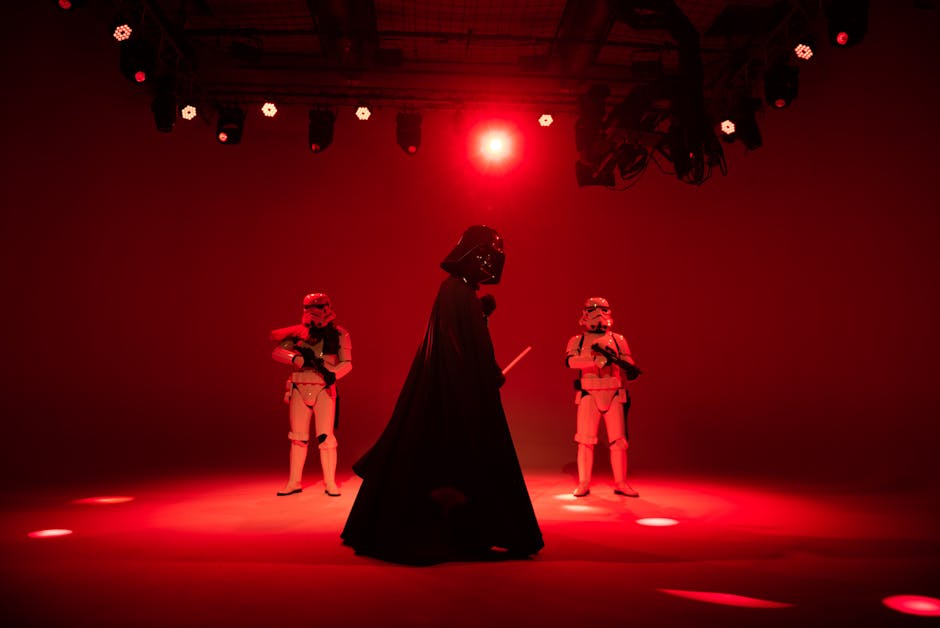
2. Darth Vader: The Face of Galactic Evil

Few villains have achieved the iconic status of Darth Vader from the "Star Wars" franchise. Introduced in 1977, Vader's imposing black armor, mechanical breathing, and James Earl Jones' commanding voice created an instantly recognizable symbol of tyranny. What elevated Vader beyond typical villainy was the revelation of his tragic backstory and eventual redemption, transforming him from a one-dimensional antagonist into a complex figure consumed by anger, loss, and regret. His relationship with Luke Skywalker and the famous line "I am your father" became one of cinema's most quoted moments, demonstrating how a villain's humanity can enhance rather than diminish their impact.

3. The Joker: Chaos Personified

Heath Ledger's interpretation of the Joker in "The Dark Knight" (2008) redefined what a comic book villain could be. Ledger's commitment to portraying pure chaos—a villain without traditional motivations of wealth or power—created a character that felt genuinely dangerous and unpredictable. His anarchistic philosophy, grotesque appearance, and unsettling mannerisms earned Ledger a posthumous Academy Award and elevated superhero films to new dramatic heights. The Joker's appeal lies in his representation of disorder in a world desperately seeking order, making him a villain that resonates across different interpretations and actors, from Jack Nicholson to Joaquin Phoenix.

4. Norman Bates: The Boy Next Door

Alfred Hitchcock's "Psycho" (1960) introduced audiences to Norman Bates, a seemingly mild-mannered motel owner whose fractured psyche created one of cinema's most disturbing villains. Anthony Perkins' performance brilliantly portrayed Bates' awkward charm and underlying instability, making the character's violent acts even more shocking. The reveal of Norman's split personality and his preservation of his mother's corpse shocked audiences and established templates for psychological horror that persist today. Bates demonstrated that true horror often wears a familiar, unthreatening face, revolutionizing how villains could be portrayed on screen.

5. Nurse Ratched: Institutional Cruelty

Louise Fletcher's portrayal of Nurse Ratched in "One Flew Over the Cuckoo's Nest" (1975) presented villainy through the abuse of institutional power rather than physical violence. Ratched's calm demeanor and systematic psychological manipulation of patients made her terrifyingly real. She represented how authority figures can wield power to crush individuality and spirit, making her relevant beyond the film's mental hospital setting. Fletcher's measured performance, devoid of theatricality, earned her an Academy Award and created a character whose name became synonymous with oppressive bureaucratic control.

6. Anton Chigurh: The Personification of Fate

Javier Bardem's Oscar-winning performance as Anton Chigurh in "No Country for Old Men" (2007) created a villain of almost supernatural menace. With his distinctive bowl haircut, cattle gun weapon, and philosophical musings about chance and fate, Chigurh operated by an incomprehensible moral code that made him utterly unpredictable. His coin-flip methodology for determining victims' fates transformed random chance into a terrifying death sentence. Bardem's minimalist performance, combined with the character's relentless pursuit and calm demeanor in the face of violence, created a villain that felt like an unstoppable force of nature.

7. Wicked Witch of the West: The Original Fantasy Villain

Margaret Hamilton's portrayal of the Wicked Witch in "The Wizard of Oz" (1939) established the template for fantasy villains for generations. Her green skin, cackling laugh, and threats against Dorothy became instantly iconic elements of cinema history. Despite the film's family-friendly nature, Hamilton created genuine menace through her commitment to the role. The character's vanity, cruelty, and eventual melting created memorable moments that have influenced countless fairy tale villains. Her impact on popular culture extends far beyond the film, making her one of the most recognizable villains in entertainment history.

8. Hans Gruber: The Elegant Terrorist

Alan Rickman's film debut as Hans Gruber in "Die Hard" (1988) revolutionized action movie villains. Unlike the muscle-bound antagonists common to 1980s action films, Gruber was sophisticated, intelligent, and cultured. Rickman's theatrical background brought elegance and wit to the role of a terrorist mastermind, creating a villain audiences could almost admire for his meticulous planning and composed demeanor. Gruber's chess match with John McClane elevated "Die Hard" beyond typical action fare, proving that a compelling villain could be as important as the hero in creating classic cinema.

9. Michael Corleone: The Tragic Transformation

While "The Godfather" films present Michael Corleone as the protagonist, Al Pacino's portrayal tracks his transformation into a ruthless crime lord, making him one of cinema's most complex villain-protagonists. Michael's journey from war hero to cold-blooded mafia don demonstrated how circumstance, family loyalty, and moral compromises can corrupt even those with the best intentions. Pacino's subtle performance showed Michael's humanity draining away as power consumed him, creating a character study that remains unparalleled in its depiction of moral decay and the price of power.

10. Terminator: The Unstoppable Machine

Arnold Schwarzenegger's T-800 in "The Terminator" (1984) created a villain defined by absolute relentlessness. As a killing machine from the future with no emotion, no pain, and no capacity for mercy, the Terminator represented technological horror and humanity's fear of its own creations. James Cameron's direction and Schwarzenegger's physicality created iconic moments that defined the cyberpunk genre. The character's minimal dialogue, including "I'll be back," became cultural touchstones, and the Terminator's cold, calculating nature made it a uniquely terrifying antagonist that stood apart from human villains.

The Enduring Legacy of Great Villains

These ten villains represent the highest achievements in antagonistic character creation, each bringing unique qualities that have ensured their place in film history. From psychological manipulators to physical threats, from tragic figures to embodiments of pure chaos, they demonstrate that memorable villains require more than evil actions—they need distinctive personalities, clear motivations, and performances that bring depth to darkness. Their continued relevance in popular culture proves that audiences are drawn to complexity in storytelling, and that the best villains challenge heroes while reflecting society's deepest fears and moral questions. These characters remain not just remembered, but studied, quoted, and recreated, ensuring their immortality in the cinematic pantheon.
14 Facts About How Streaming Changed Television

14 Facts About How Streaming Changed Television

⏱️ 7 min read

The television industry has undergone a seismic transformation over the past fifteen years, fundamentally altering how content is produced, distributed, and consumed. Streaming platforms have revolutionized entertainment in ways that were once unimaginable, disrupting traditional broadcasting models and empowering viewers with unprecedented control. This evolution has reshaped everything from storytelling formats to global content accessibility, creating a new era of television that continues to evolve at a rapid pace.

The Streaming Revolution's Impact on Television

Binge-Watching Became the New Normal

Streaming services introduced the concept of releasing entire seasons at once, fundamentally changing viewing habits. Netflix pioneered this model with "House of Cards" in 2013, allowing audiences to consume content at their own pace rather than waiting week-to-week for new episodes. This shift transformed television from a scheduled appointment into an on-demand experience, with viewers often watching multiple episodes or entire seasons in single sittings. The binge-watching phenomenon has become so prevalent that it now influences how writers structure narratives, with creators designing story arcs specifically for marathon viewing sessions.

The Death of Traditional Time Slots

Streaming eliminated the concept of prime-time television and traditional programming blocks. No longer constrained by the need to capture audiences during specific evening hours, content creators gained freedom to release programming at any time. This democratization of scheduling means that a show's success isn't determined by its time slot or competing programs. Viewers in different time zones and countries can access content simultaneously, creating a more unified global viewing experience that transcends geographical broadcasting limitations.

Original Content Became King

Streaming platforms invested billions in original programming, challenging traditional networks and studios. Netflix, Amazon Prime Video, Hulu, and others transformed from content distributors to major production houses. By 2023, streaming services were producing more original content than traditional television networks, with budgets rivaling and often exceeding those of theatrical releases. This investment has created an unprecedented golden age of television, with high-quality programming across all genres attracting top-tier talent from the film industry.

Global Content Accessibility Expanded Dramatically

Streaming broke down international distribution barriers, making foreign-language content accessible worldwide. Shows like "Squid Game," "Money Heist," and "Dark" became global phenomena, proving that compelling storytelling transcends language barriers. Streaming platforms invest in subtitling and dubbing infrastructure, allowing audiences to discover content from different cultures. This globalization has diversified television offerings and created opportunities for international productions to reach audiences that traditional broadcast models could never achieve.

Advertising-Free Viewing Became Mainstream

Subscription-based streaming introduced millions to commercial-free entertainment, fundamentally altering expectations around advertising. While ad-supported tiers have emerged more recently, the initial streaming model demonstrated that audiences would pay premium prices for uninterrupted viewing experiences. This shift forced traditional broadcasters to reconsider their advertising-heavy models and created pressure to offer similar commercial-free options. The change has also influenced how content is paced, as creators no longer need to build in natural commercial breaks.

Niche Content Found Profitable Audiences

Streaming's economic model made niche programming viable in ways broadcast television never could. Without needing to attract massive audiences for every show, platforms could greenlight projects targeting specific demographics or interests. Documentary series, anime, international cinema, and specialized content found dedicated audiences. This long-tail approach to content meant that shows serving smaller but passionate fan bases could justify production costs through subscription retention rather than advertising revenue, resulting in more diverse programming options.

Data Analytics Transformed Programming Decisions

Streaming platforms leveraged viewer data to make informed content decisions, moving beyond traditional Nielsen ratings. These services track precisely what audiences watch, when they pause, rewind, or abandon shows, and what they search for. This granular data informs everything from greenlighting decisions to promotional strategies and even influences creative choices during production. The analytical approach has made television production more scientific, though critics argue it may sometimes prioritize algorithms over artistic vision.

Theatrical Releases Moved to Living Rooms

The line between television and film blurred as streaming platforms began releasing feature-quality content directly to homes. Directors like Martin Scorsese, Alfonso Cuarón, and the Coen Brothers created films for streaming services with budgets and production values matching theatrical releases. The COVID-19 pandemic accelerated this trend, with major studios releasing blockbusters simultaneously or exclusively on streaming platforms. This shift challenged traditional theatrical windows and raised questions about the future of cinema exhibition.

Personalized Recommendations Replaced Channel Surfing

Sophisticated recommendation algorithms replaced the serendipity of channel surfing with curated content suggestions. Machine learning analyzes viewing habits to predict what individual users might enjoy, creating personalized homepages for each subscriber. While this technology helps viewers navigate vast content libraries, it also creates filter bubbles that may limit exposure to diverse programming. The recommendation system has become so central to streaming that it significantly influences what content gets discovered and what remains buried in digital libraries.

Broadcast Networks Lost Their Dominance

Traditional broadcast and cable networks saw dramatic declines in viewership as cord-cutting accelerated. Younger demographics increasingly abandoned cable subscriptions entirely in favor of streaming-only arrangements. Legacy media companies responded by launching their own streaming platforms—Disney+, Paramount+, Peacock—fragmenting the market and creating the "streaming wars." This disruption forced established networks to completely rethink their business models and distribution strategies for survival in the digital age.

Television Quality Reached Cinematic Standards

Streaming budgets enabled television production values that rivaled major motion pictures. Series like "The Crown," "The Mandalorian," and "House of the Dragon" featured movie-quality cinematography, visual effects, and production design. The investment in quality attracted A-list actors, directors, and writers who previously worked exclusively in film. This elevation of television's prestige transformed the medium from cinema's lesser cousin into an equally respected art form, with streaming series winning major awards and critical acclaim.

Flexible Runtimes Liberated Storytelling

Freed from traditional broadcast time slots, streaming shows featured episodes of varying lengths dictated by story needs rather than programming schedules. Episodes could run anywhere from thirty minutes to over an hour, allowing creators to pace narratives naturally. This flexibility eliminated the need for artificial padding or rushed conclusions to fit standard formats. Shows could breathe when needed or move quickly when appropriate, giving writers and directors unprecedented creative control over their storytelling rhythm.

Revival Culture Flourished Through Streaming

Streaming platforms became havens for reviving cancelled shows and creating reunion series. Programs like "Arrested Development," "Gilmore Girls," "Full House," and countless others found new life through streaming revivals. These platforms recognized the value of nostalgic content and existing fan bases, using revivals to attract subscribers and generate buzz. The phenomenon demonstrated that shows could find second chances and that streaming services valued content libraries as much as new programming.

Simultaneous Global Releases Created Shared Cultural Moments

Unlike traditional distribution models that staggered releases across regions, streaming enabled worldwide simultaneous launches. This synchronization revived the shared cultural experience that fragmented television had diminished, as audiences globally could watch and discuss new releases together. Social media amplified these shared moments, with hashtags and online discussions creating communal viewing experiences. Major releases became global events, generating international conversations and allowing streaming services to maximize marketing impact and cultural relevance.

Conclusion

The streaming revolution has fundamentally restructured the television landscape in ways that extend far beyond simple distribution changes. From transforming viewing habits and content creation to globalizing entertainment and empowering diverse storytelling, streaming platforms have dismantled traditional industry structures and rebuilt them according to digital-age principles. While challenges remain—including market oversaturation, rising subscription costs, and concerns about algorithmic control—the innovations streaming brought to television have permanently altered the medium. As the industry continues evolving, these foundational changes ensure that television will never return to its pre-streaming model, and audiences worldwide benefit from the increased choice, quality, and accessibility that this transformation has delivered.