









⏱️ 6 min read
In the animal kingdom, survival often depends on the ability to adapt to changing environments. One of nature's most fascinating adaptations is the ability to change color—a remarkable feat that serves purposes ranging from camouflage and temperature regulation to communication and hunting. While chameleons are the poster children for this ability, they're far from alone. Numerous creatures across various habitats have evolved sophisticated mechanisms to alter their appearance, sometimes in the blink of an eye. These transformations involve complex biological processes including specialized cells, hormones, and neural responses that work in perfect harmony.
Masters of Color Transformation
1. The Cuttlefish: The Ocean's Quick-Change Artist
Cuttlefish possess perhaps the most sophisticated color-changing system in nature. These marine mollusks can transform their appearance in less than a second using millions of chromatophores—specialized pigment-containing cells in their skin. Beneath these lie iridophores and leucophores that reflect light, creating shimmering effects and patterns. What makes cuttlefish particularly remarkable is their ability to change color despite being colorblind themselves. They use this ability for camouflage against predators, communication with other cuttlefish, and mesmerizing prey during hunting. Scientists have documented cuttlefish displaying moving wave patterns and psychedelic shows that rival any digital display technology.
2. The Arctic Fox: Seasonal Wardrobe Changes
The Arctic fox undergoes one of nature's most dramatic seasonal transformations. During winter, these foxes sport thick, pristine white coats that provide perfect camouflage against snow and ice while offering superior insulation. As spring arrives and snow melts, their fur gradually transitions to brown or gray, matching the tundra's rocky, earthy terrain. This molting process takes several weeks and is triggered by changes in daylight duration rather than temperature. The color change serves dual purposes: concealment from both prey and predators, and temperature regulation suited to seasonal conditions.
3. The Mimic Octopus: Nature's Ultimate Impersonator
Beyond simple color changes, the mimic octopus can alter both its color and body shape to impersonate other marine animals. This Indonesian species can mimic at least fifteen different animals, including lionfish, sea snakes, and flatfish. Using specialized muscle cells and chromatophores, it can create patterns matching poisonous species, deterring predators through deception. The mimic octopus assesses threats in its environment and chooses which animal to imitate based on the specific predator it encounters, demonstrating remarkable intelligence alongside its physical transformation abilities.
4. The Panther Chameleon: Color Communication Specialists
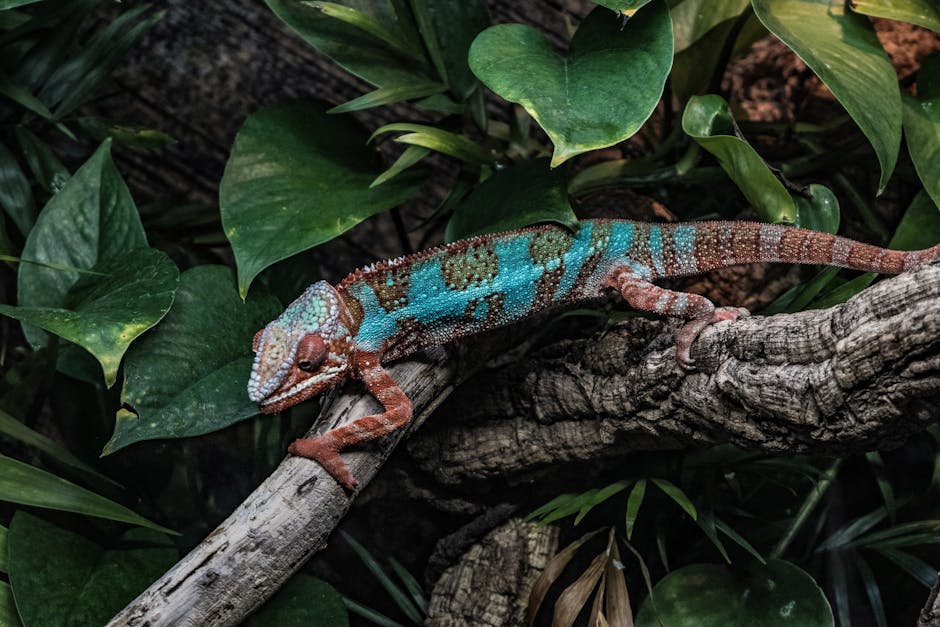
While all chameleons can change color to some degree, the panther chameleon native to Madagascar exhibits the most vibrant transformations. Contrary to popular belief, chameleons don't change color primarily for camouflage but rather for communication and temperature regulation. Males display brilliant reds, blues, and yellows during territorial disputes or courtship rituals. Recent research has revealed that chameleons change color by actively tuning nanocrystals in their skin cells, expanding or contracting the space between these crystals to reflect different wavelengths of light. When relaxed, the crystals are densely packed, reflecting blue light; when excited, they spread apart, reflecting yellow and red wavelengths.
5. The Peacock Flounder: Masters of Texture and Pattern
Peacock flounders possess extraordinary camouflage abilities that extend beyond color to include texture matching. These flatfish can replicate the exact pattern and texture of their surroundings, whether sandy bottoms, rocky surfaces, or even checkerboard patterns in laboratory settings. They achieve this by using their vision to analyze their environment, then adjusting thousands of chromatophores across their body. Remarkably, flounders can match complex backgrounds within eight seconds. Their eyes work independently to scan their surroundings, feeding information to their nervous system that orchestrates the transformation across their entire body surface.
6. The Golden Tortoise Beetle: Living Jewelry
This tiny beetle appears like a drop of molten gold under normal conditions, but can shift to a dull reddish-brown when disturbed or during mating. The transformation occurs through moisture control in the layers of their exoskeleton. The beetle's shell contains multiple transparent layers separated by liquid-filled grooves. By controlling the amount of moisture in these grooves, the beetle changes how light reflects through the layers, altering its appearance from shiny gold to matte orange-red. This process is reversible and can occur within minutes, serving as both camouflage and a distraction mechanism when threatened.
7. The Seahorse: Slow but Steady Color Shifters
Seahorses may change color more slowly than cephalopods, but their transformations are no less impressive. These unique fish alter their appearance to blend with coral, seagrass, and other marine environments where they anchor themselves. Their color changes serve multiple purposes: camouflage from predators, ambush hunting strategy, social signaling, and stress responses. During courtship, seahorses may brighten considerably or display synchronized color changes with their mates. Their color-changing ability relies on chromatophores controlled by hormones and their nervous system, with complete transformations taking anywhere from several minutes to hours.
8. The Pacific Tree Frog: Adapting to Humidity and Light
Pacific tree frogs can transition from brown to bright green and various shades in between, depending on environmental conditions. Temperature, humidity, and light levels all influence their coloration. Unlike some rapid color-changers, tree frogs' transformations occur over hours rather than seconds, making them better suited for long-term environmental matching than quick escape responses. The color change involves chromatophores and is regulated by hormones released in response to environmental stimuli detected through their skin. Darker colors help them absorb heat in cooler conditions, while lighter shades reflect light when temperatures rise.
9. The Crab Spider: Patient Predatory Camouflage
Crab spiders, particularly the white and yellow species, can change color to match the flowers where they hunt. These spiders don't spin webs but instead wait motionless on flower petals for pollinators to arrive. The color transformation from white to yellow or vice versa takes several days to complete, involving the secretion or circulation of pigments throughout their body. This slow change indicates the spider is committing to a particular hunting ground. The camouflage is so effective that even ultraviolet-sensitive insects, which see flowers differently than humans, fail to detect the hidden predator.
10. The Squid: Bioluminescent Light Shows
Many squid species combine color-changing chromatophores with bioluminescence—the ability to produce light through chemical reactions. The Hawaiian bobtail squid, for instance, uses bioluminescent bacteria housed in special organs to match the moonlight filtering through water, making it invisible to predators looking up from below. Other deep-sea squids create flashing light displays in various colors to communicate, confuse predators, or attract prey. This dual system of pigment-based color change and light production represents one of evolution's most sophisticated camouflage and communication systems.
The Science Behind the Spectacle
These remarkable abilities showcase the diverse evolutionary paths animals have taken to solve similar survival challenges. From the near-instantaneous transformations of cephalopods to the gradual seasonal changes of Arctic foxes, each species has developed color-changing abilities perfectly suited to its ecological niche. Understanding these mechanisms continues to inspire technological innovations in materials science, military camouflage, and display technologies. These ten animals remind us that nature's solutions to survival challenges often exceed anything human engineering has yet achieved, combining speed, precision, and beauty in ways that continue to astonish researchers and nature enthusiasts alike.
