









1 / 10 Questions
0 Points

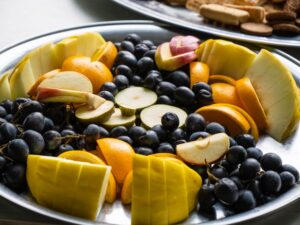
Which Fruit Was So Expensive People Rented It For Parties?

Pomegranate

Mango

Banana

Pineapple

Points won
0
Correct score
0%

More Questions

More Articles

Did You Know? 15 Facts About Digital and AI Art

Did You Know? 15 Facts About Digital and AI Art

⏱️ 7 min read

The intersection of technology and creativity has given birth to revolutionary forms of artistic expression that are reshaping how we create, appreciate, and interact with art. Digital and AI art have emerged as powerful movements that challenge traditional notions of authorship, creativity, and aesthetics. From algorithms that generate masterpieces to neural networks that learn artistic styles, these innovations are opening unprecedented possibilities for artists and audiences alike. Here are fifteen fascinating facts that illuminate the remarkable world of digital and AI art.

The Evolution and Impact of Digital and AI Art

1. The First Computer-Generated Art Emerged in the 1960s

Long before artificial intelligence became a household term, pioneering artists and scientists were already exploring computer-generated art. In 1965, Georg Nees, a mathematician and artist, created some of the first computer-generated graphics using a plotter and algorithmic instructions. Similarly, Frieder Nake and Michael Noll were producing algorithmic art during the same period, establishing the foundation for all digital art that followed. These early experiments proved that machines could be creative tools, not just calculating devices.

2. AI Art Sold for $432,500 at Christie's Auction House

In October 2018, the art world was shocked when "Portrait of Edmond de Belamy," created by the Paris-based collective Obvious using a Generative Adversarial Network (GAN), sold at Christie's for $432,500—nearly 45 times its estimated value. This sale marked a watershed moment, legitimizing AI-generated art in the traditional art market and sparking intense debates about creativity, authorship, and the value of algorithmically produced works.

3. Generative Adversarial Networks Power Most AI Art

GANs, invented by Ian Goodfellow in 2014, consist of two neural networks working in opposition: a generator that creates images and a discriminator that evaluates them. Through this adversarial process, the system learns to produce increasingly sophisticated and realistic images. This technology powers popular AI art tools like DALL-E, Midjourney, and Stable Diffusion, enabling users to generate complex artworks from simple text descriptions.

4. Digital Art Has Its Own Permanent Museum

The Museum of Digital Art (MODA) operates as the world's first dedicated institution for digital and new media art. While it began as a physical space in Zurich, it has evolved into a hybrid model combining virtual exhibitions with occasional physical installations. This reflects the inherently borderless nature of digital art, which exists comfortably in both physical and virtual spaces, challenging traditional museum models.

5. NFTs Revolutionized Digital Art Ownership

Non-Fungible Tokens (NFTs) solved a critical problem that plagued digital artists for decades: proving ownership and scarcity of digital works. Using blockchain technology, NFTs provide verifiable certificates of authenticity and ownership for digital artworks. In March 2021, digital artist Beeple sold an NFT artwork titled "Everydays: The First 5000 Days" for $69 million at Christie's, making him one of the most valuable living artists.

6. AI Can Learn and Replicate Any Artistic Style

Neural style transfer algorithms can analyze the style of any artwork and apply it to new images. This technology, popularized by apps like Prisma and DeepArt, uses convolutional neural networks to separate and recombine the content and style of different images. Artists can now create works "in the style of" Van Gogh, Picasso, or any other artist, raising complex questions about originality and artistic influence in the digital age.

7. Digital Art Software Has Democratized Artistic Creation

Professional-grade digital art tools like Adobe Photoshop, Procreate, and Blender have made sophisticated artistic techniques accessible to millions. Unlike traditional media that require expensive supplies and studio space, digital tools allow artists to experiment endlessly without material costs. This democratization has led to an explosion of diverse artistic voices and styles, particularly from creators who might have been excluded from traditional art education.

8. AI Art Generators Process Billions of Images for Training

Modern AI art systems are trained on massive datasets containing billions of images scraped from across the internet. LAION-5B, one of the largest publicly available datasets, contains 5.85 billion image-text pairs. This enormous training corpus allows AI systems to understand visual concepts, artistic styles, composition principles, and the relationships between textual descriptions and visual representations, though it has also raised significant copyright concerns.

9. Digital Artists Use Pressure-Sensitive Tablets That Mimic Traditional Tools

Modern drawing tablets feature thousands of pressure sensitivity levels and tilt recognition, allowing digital artists to achieve effects remarkably similar to traditional media. Devices like the Wacom Cintiq and iPad Pro with Apple Pencil can detect subtle variations in pressure and angle, enabling natural brush strokes, shading, and line variation. This technology bridges the gap between digital and traditional art-making processes.

10. AI Has Created Original Musical Compositions and Poetry

While often discussed in visual contexts, AI creativity extends to all artistic domains. Systems like OpenAI's MuseNet compose original music in various styles, while GPT-based models generate poetry and creative writing. Google's Magenta project specifically focuses on using machine learning to create compelling art and music, demonstrating that algorithmic creativity transcends visual boundaries and encompasses multiple artistic disciplines.

11. Digital Art Can Be Interactive and Responsive

Unlike static traditional artworks, digital art can respond to viewer interaction, environmental conditions, or data inputs. Interactive installations use sensors, cameras, and code to create immersive experiences that change based on audience participation. Artists like Rafael Lozano-Hemmer and teamLab create large-scale digital installations where the artwork transforms in real-time, making each viewing experience unique and participatory.

12. Blockchain Technology Enables Decentralized Art Platforms

Decentralized platforms built on blockchain technology allow artists to sell work directly to collectors without traditional gallery intermediaries. Platforms like SuperRare, Foundation, and OpenSea enable artists to set their own prices, earn royalties on secondary sales, and maintain relationships with collectors. This disintermediation challenges the traditional gallery system and gives artists unprecedented control over their careers and income.

13. AI Art Raises Profound Questions About Copyright and Authorship

The legal status of AI-generated art remains ambiguous in most jurisdictions. Key questions include: Who owns AI-generated art—the programmer, the user, or no one? Can AI systems be trained on copyrighted works without permission? In 2022, the U.S. Copyright Office ruled that AI-generated works cannot be copyrighted because they lack human authorship, creating complex implications for artists using AI tools. These debates will shape creative industries for decades.

14. Digital Restoration Preserves and Reconstructs Damaged Artworks

AI and digital technologies play crucial roles in art conservation and restoration. Machine learning algorithms can analyze damaged paintings and predict missing portions based on the artist's style and the surrounding composition. The Rijksmuseum and other institutions use AI to assist in restoring deteriorated masterpieces, while digital scanning creates permanent records of artworks at risk from environmental damage or political instability.

15. Virtual Reality Creates Immersive Three-Dimensional Art Experiences

VR technology enables artists to create fully immersive three-dimensional environments that viewers can explore and experience from within. Applications like Tilt Brush and Quill allow artists to paint in virtual three-dimensional space, creating sculptures and environments impossible in the physical world. Museums increasingly offer VR experiences that transport visitors to recreated historical sites or allow them to step inside famous paintings, fundamentally transforming how audiences engage with art.

The Future of Artistic Expression

These fifteen facts reveal how profoundly technology has transformed artistic creation, distribution, and appreciation. Digital and AI art represent not merely new tools for making traditional art, but entirely new paradigms for creative expression. As these technologies continue evolving, they promise to further blur boundaries between human and machine creativity, physical and virtual spaces, and creators and audiences. The ongoing dialogue between traditional artistic values and technological innovation will undoubtedly produce even more surprising developments, ensuring that the conversation about art's nature and purpose remains as dynamic and relevant as ever.

Did You Know There Are Over 7,500 Types of Apples?

Did You Know There Are Over 7,500 Types of Apples?

⏱️ 7 min read

When most people think of apples, they typically imagine a handful of common varieties available at their local grocery store—perhaps Red Delicious, Granny Smith, or Honeycrisp. However, the world of apples extends far beyond these familiar faces. The incredible diversity of apple cultivars spans the globe, with over 7,500 distinct varieties grown worldwide. This remarkable variety represents centuries of cultivation, natural adaptation, and human innovation in agriculture. Each variety offers unique characteristics in terms of flavor, texture, color, and culinary application, making apples one of the most versatile and diverse fruits in existence.

The Fascinating World of Apple Diversity

1. Ancient Origins Dating Back Thousands of Years

The apple's journey began in the mountains of Kazakhstan, where wild apple forests still exist today. The scientific name for the domestic apple, Malus domestica, evolved from its wild ancestor Malus sieversii approximately 4,000 to 10,000 years ago. These wild apples were carried along the Silk Road by travelers, where they cross-pollinated with other wild apple species, creating genetic diversity that laid the foundation for thousands of varieties. Archaeological evidence suggests that humans have been selecting and cultivating apples since at least 6,500 BCE, making it one of humanity's oldest horticultural pursuits. This long history of cultivation across diverse climates and regions has contributed significantly to the extraordinary number of varieties we have today.

2. The United States Houses Over 2,500 Varieties

While 7,500 varieties exist worldwide, the United States alone boasts more than 2,500 apple varieties, though only about 100 are grown commercially. Many heritage and heirloom varieties have been preserved through the efforts of dedicated orchardists and organizations like the Temperate Orchard Conservancy and the USDA's National Plant Germplasm System. Historic American varieties such as the Baldwin, Northern Spy, and Roxbury Russet tell the story of American agriculture and regional taste preferences. Each state developed varieties suited to its climate and soil conditions, resulting in apples with names reflecting their geographic origins, such as Arkansas Black, Rhode Island Greening, and Winesap. This regional diversity created a rich tapestry of flavors and characteristics adapted to local growing conditions and culinary traditions.

3. Color Variations Beyond Red and Green

Apples showcase an impressive spectrum of colors that extends well beyond the typical red and green varieties found in supermarkets. Apple skin colors range from pale yellow and golden to deep purple, burgundy, and even varieties with striped or mottled patterns. The Hidden Rose apple surprises consumers with bright pink flesh beneath its pale yellow skin, while the Black Diamond apple from Tibet displays a deep, dark purple that appears almost black. Some varieties feature russeting—a rough, brownish texture on the skin—as seen in the Roxbury Russet and Golden Russet varieties. The flesh color also varies, with most apples displaying white to cream-colored flesh, though some heritage varieties and newer cultivars feature pink, red, or even yellow flesh. These color variations result from different combinations of anthocyanins, carotenoids, and other pigments, each contributing to the apple's nutritional profile and visual appeal.

4. Flavor Profiles from Sweet to Intensely Tart

The flavor diversity among apple varieties is extraordinary, ranging from intensely sweet to mouth-puckeringly tart, with countless subtle variations in between. Some apples, like the Fuji and Gala, offer high sugar content with mild acidity, creating a candy-like sweetness that appeals to those who prefer dessert-like fruit. Conversely, varieties such as the Granny Smith and Bramley provide sharp acidity perfect for baking and cooking, as their tartness balances the sweetness added in recipes. Between these extremes lie complex flavor profiles featuring notes of honey, vanilla, citrus, berry, pear, melon, and even wine-like characteristics. The Honeycrisp delivers a balanced sweet-tart flavor with exceptional crispness, while the Cox's Orange Pippin offers aromatic, slightly spicy notes reminiscent of pear. The Ashmead's Kernel, a heritage variety, provides an unusual combination of acidic tang with hints of pear drops and effervescence. These diverse flavor profiles mean there's truly an apple variety for every palate and culinary purpose.

5. Specialized Uses from Cider to Cooking

Different apple varieties excel in specific culinary applications, with some bred specifically for fresh eating, others for baking, and still others for cider production. Cider apples, popular in England and increasingly in American craft cideries, contain higher tannin levels that would make them unpleasant for fresh eating but create complex, full-bodied beverages. Varieties like Dabinett, Kingston Black, and Yarlington Mill fall into categories such as bittersweet, bittersharp, and sharp based on their tannin and acid content. Cooking apples, such as the Bramley's Seedling, break down into a fluffy purée when heated, making them ideal for applesauce and pie fillings. Firm apples like Northern Spy and Granny Smith hold their shape during cooking, perfect for tarts and baked apple dishes. Fresh eating apples prioritize crisp texture and balanced sweetness, while storage apples are selected for their ability to maintain quality for months in proper conditions. This specialization demonstrates how breeders have developed varieties for virtually every conceivable use.

6. Climate-Specific Varieties for Every Region

Apple varieties have been developed to thrive in diverse climates, from cool northern regions to warmer southern areas, making apple cultivation possible across a broad geographic range. Cold-hardy varieties like Haralson, Prairie Spy, and Wealthy were developed specifically for northern climates where temperatures regularly drop below freezing, with some tolerating temperatures as low as -40°F. These varieties require sufficient chill hours—periods of cold temperature during dormancy—to properly set fruit. Conversely, low-chill varieties such as Anna, Dorsett Golden, and Ein Shemer were bred for subtropical and tropical climates where traditional apple varieties cannot accumulate adequate chill hours. Disease resistance also varies by variety, with some showing strong resistance to common apple diseases like apple scab, fire blight, and powdery mildew, making them ideal for organic cultivation or regions where these diseases are prevalent. This climate adaptability has allowed apples to become one of the most widely cultivated fruits globally, grown on every continent except Antarctica.

7. Modern Breeding Creates New Varieties Continuously

The number of apple varieties continues to grow as modern breeding programs develop new cultivars combining desirable traits from existing varieties. University research programs, private breeders, and international collaborations work to create apples with improved flavor, texture, disease resistance, storage capabilities, and growing characteristics. The development process typically takes 15-20 years from initial cross-pollination to commercial release, as breeders must grow seedlings to maturity, evaluate their characteristics, and test them across multiple growing seasons and locations. Recent successful introductions include the Cosmic Crisp, developed by Washington State University over 20 years, which combines the texture of Honeycrisp with the storage ability of Enterprise. SweeTango, EverCrisp, and SnapDragon represent other modern varieties gaining commercial success. Breeders now use genetic markers and advanced selection techniques to accelerate the breeding process while focusing on traits that matter to both growers and consumers, including climate resilience, reduced pesticide requirements, and exceptional eating quality. This ongoing innovation ensures that the number of apple varieties will continue expanding, offering even more options for future generations.

Conclusion

The existence of over 7,500 apple varieties represents humanity's long relationship with this remarkable fruit and our continued efforts to develop improved cultivars. From ancient origins in Kazakhstan to modern breeding programs, apples have diversified into an astounding array of colors, flavors, and specialized uses. Whether grown in cold northern climates or subtropical regions, used for fresh eating, cider making, or cooking, there exists an apple variety perfectly suited to nearly every purpose and preference. While most consumers encounter only a fraction of this diversity in their local stores, exploring heritage varieties at farmers' markets, specialty orchards, and through home cultivation reveals the true breadth of apple possibilities. This incredible diversity not only enriches our culinary experiences but also provides genetic resources essential for developing future varieties that can adapt to changing climates and evolving consumer preferences, ensuring that apples remain a beloved fruit for generations to come.