








⏱️ 7 min read
Beneath the ocean's surface lies one of Earth's most vibrant and vital ecosystems. Coral reefs, often called the "rainforests of the sea," support an extraordinary diversity of marine life while providing essential services to millions of people worldwide. These underwater structures are far more complex and fascinating than most realize, harboring secrets that continue to amaze scientists and ocean enthusiasts alike. Here are fifteen remarkable facts that reveal the wonder of these marine marvels.
Understanding Coral Reef Magnificence
1. Coral Reefs Are Living Animal Colonies
Despite their plant-like appearance and rock-hard structures, coral reefs are actually composed of thousands of tiny animals called polyps. These soft-bodied creatures belong to the same animal group as jellyfish and sea anemones. Each polyp secretes calcium carbonate, which forms a hard exoskeleton around its body. Over time, as generations of polyps live and die, their skeletons accumulate to create the massive reef structures we see today. Individual polyps are typically only a few millimeters in diameter, yet their collective efforts build some of the largest living structures on Earth.
2. They Cover Less Than One Percent of the Ocean Floor
Coral reefs occupy less than 0.1% of the world's ocean surface, yet this tiny fraction supports an estimated 25% of all marine species. This incredible biodiversity concentration makes coral reefs among the most productive ecosystems on the planet. Scientists estimate that over one million different species of fish, invertebrates, and plants depend on coral reef habitats for survival, making these ecosystems biodiversity hotspots unrivaled in the marine environment.
3. The Great Barrier Reef Is Visible from Space
Australia's Great Barrier Reef stretches over 2,300 kilometers along the Queensland coast, making it the largest living structure on Earth. This massive reef system is so expansive that astronauts can see it from space without magnification. Composed of approximately 2,900 individual reefs and 900 islands, the Great Barrier Reef covers an area of roughly 344,400 square kilometers, larger than the United Kingdom, Holland, and Switzerland combined.
4. Coral Reefs Are Incredibly Slow Growers
Reef-building corals grow at remarkably slow rates, typically between 0.3 to 2 centimeters per year for branching corals and even slower for massive coral formations. Some large coral colonies can be hundreds or even thousands of years old. This incredibly slow growth rate makes coral reefs particularly vulnerable to damage, as it can take decades or centuries for reefs to recover from destruction caused by storms, pollution, or human activities.
5. Symbiotic Algae Give Corals Their Color
The brilliant colors that make coral reefs so visually stunning actually come from microscopic algae called zooxanthellae that live within coral tissues. These single-celled organisms have a symbiotic relationship with corals, providing them with up to 90% of their energy through photosynthesis. In return, the algae receive protection and access to sunlight. When corals become stressed by environmental changes, they expel these algae, causing coral bleaching and revealing the white calcium carbonate skeleton beneath.
Ecological Importance and Marine Connections
6. Coral Reefs Protect Coastlines from Erosion
Coral reefs act as natural barriers that protect coastal communities from waves, storms, and erosion. They can reduce wave energy by up to 97%, significantly decreasing the impact of tropical storms and tsunamis on shorelines. This protective function becomes increasingly important as climate change intensifies storm patterns and raises sea levels. Scientists estimate that coral reefs provide coastal protection services worth billions of dollars annually by preventing flood damage to coastal properties and infrastructure.
7. Over Half a Billion People Depend on Reefs
Approximately 500 million people worldwide rely directly on coral reefs for food, income, and coastal protection. For many island nations and coastal communities, particularly in developing countries, reef fish provide the primary source of protein. Coral reefs also support tourism industries worth billions of dollars annually and provide livelihoods for fishermen, dive operators, and countless other marine-dependent businesses.
8. Coral Reefs Are Medicine Cabinets of the Sea
Marine organisms living in coral reef ecosystems produce chemical compounds that have led to important medical breakthroughs. Researchers have developed treatments for cancer, arthritis, bacterial infections, and viruses from reef organisms. The unique conditions of coral reefs, including intense competition for space and resources, have driven the evolution of numerous bioactive compounds that organisms use for defense and survival. Scientists believe that many more potential pharmaceutical discoveries await in these underwater pharmacies.
9. Parrotfish Produce Beach Sand
A single parrotfish, one of the colorful species commonly found on coral reefs, can produce up to 450 kilograms of sand per year. These fish feed by scraping algae from coral surfaces using their beak-like teeth, inadvertently consuming chunks of coral skeleton in the process. After digesting the algae, they excrete the ground-up coral as fine white sand. The stunning white sand beaches found near coral reefs are largely composed of parrotfish excrement mixed with fragments of coral and other calcium carbonate materials.
Threats and Conservation Challenges
10. Coral Bleaching Is Increasing in Frequency
Coral bleaching events, caused primarily by rising ocean temperatures, have become more frequent and severe in recent decades. When water temperatures rise just 1-2 degrees Celsius above normal summer maximums, corals expel their symbiotic algae, turning white and becoming vulnerable to starvation and disease. While corals can recover if conditions improve quickly, prolonged bleaching leads to widespread coral death. The past few decades have witnessed several global bleaching events, with the 2014-2017 event affecting reefs in every major ocean basin.
11. Ocean Acidification Threatens Reef Formation
As the ocean absorbs increasing amounts of carbon dioxide from the atmosphere, seawater becomes more acidic, making it harder for corals to build their calcium carbonate skeletons. Ocean acidification reduces the availability of carbonate ions that corals need for skeleton formation, effectively weakening reef structures and slowing growth rates. Scientists predict that if current trends continue, many coral reefs may begin dissolving faster than they can rebuild by the end of this century.
12. Deep-Sea Corals Exist in Cold, Dark Waters
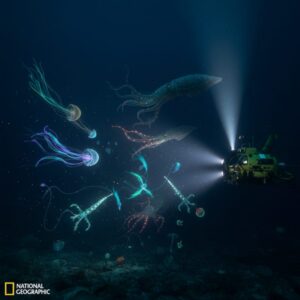
While tropical coral reefs receive the most attention, cold-water corals thrive in deep, dark ocean environments where temperatures hover just above freezing. These corals don't rely on photosynthetic algae and instead capture food particles from ocean currents. Deep-sea coral formations can be found at depths exceeding 2,000 meters and create important habitats for numerous deep-sea species. Some deep-sea corals are among the oldest living organisms on Earth, with certain species estimated to be over 4,000 years old.
13. Coral Spawning Creates Underwater Snowstorms
Once a year, many coral species participate in a synchronized mass spawning event, releasing millions of eggs and sperm into the water simultaneously. This spectacular phenomenon often occurs on specific nights following a full moon and creates underwater scenes resembling inverted snowstorms. The precise timing ensures maximum fertilization success and overwhelms predators with sheer numbers. Scientists believe corals coordinate this timing using environmental cues including water temperature, day length, and lunar cycles.
14. Mangroves and Seagrass Beds Are Reef Partners
Coral reefs don't exist in isolation but form interconnected ecosystems with nearby mangrove forests and seagrass beds. Mangroves serve as nurseries for juvenile reef fish, provide nutrients that support reef productivity, and filter sediments that would otherwise smother corals. Seagrass beds stabilize seafloor sediments and provide feeding grounds for species like sea turtles and dugongs. Protecting coral reefs requires preserving these connected habitats as an integrated coastal ecosystem.
15. Restoration Efforts Are Bringing Hope
Despite the numerous threats facing coral reefs, innovative restoration techniques are showing promising results. Scientists and conservationists are developing coral nurseries where fragments are grown and then transplanted to degraded reefs. Researchers are also identifying and cultivating heat-resistant coral strains that may better withstand warming oceans. Additionally, 3D-printed reef structures and artificial substrates are being deployed to provide frameworks for coral colonization. While restoration alone cannot solve all reef problems, these efforts buy time while society addresses the root causes of coral decline.
The Future of Coral Reefs
Coral reefs represent irreplaceable treasures that provide ecological, economic, and cultural value to humanity. From their role as biodiversity hotspots supporting millions of species to their function as coastal protectors and sources of human livelihoods, these ecosystems deliver services worth hundreds of billions of dollars annually. Understanding these fifteen fascinating aspects of coral reefs underscores both their remarkable nature and their vulnerability. The future of coral reefs depends on global efforts to reduce carbon emissions, minimize local stressors like pollution and overfishing, and implement effective conservation strategies. By appreciating the wonder of coral reefs and recognizing their importance, society can work toward ensuring these magnificent ecosystems survive for future generations to study, enjoy, and depend upon.