





1 / 20 Questions
0 Points

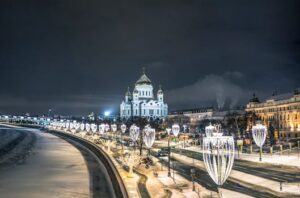
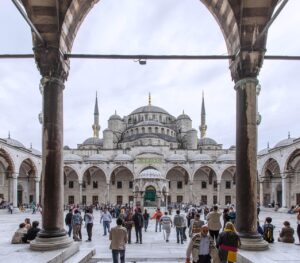
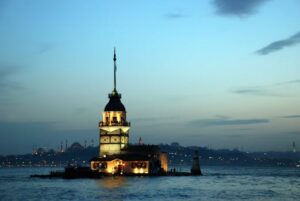
Which city is located in both Europe and Asia?

Moscow

Dubai

Istanbul

Athens

Points won
0
Correct score
0%

More Questions

More Articles

Top 10 Fun Facts About Classic Hollywood Films

Top 10 Fun Facts About Classic Hollywood Films

⏱️ 6 min read

The golden age of Hollywood produced some of cinema's most enduring masterpieces, but behind the glamorous premieres and iconic performances lie fascinating stories that even devoted film buffs might not know. From unexpected casting decisions to groundbreaking technical innovations, these remarkable tales reveal the ingenuity, creativity, and sometimes sheer luck that went into creating the films we still cherish today.

Behind-the-Scenes Secrets from Hollywood's Golden Era

1. The Wizard of Oz's Original Tin Man Was Hospitalized by His Costume

Buddy Ebsen was initially cast as the Tin Man in "The Wizard of Oz" (1939), but the aluminum powder makeup used for his costume nearly killed him. After nine days of filming, Ebsen experienced severe breathing problems and was hospitalized with aluminum dust coating his lungs. He was replaced by Jack Haley, whose costume was modified to use aluminum paste instead of powder. Ebsen recovered but carried lung problems for the rest of his life, eventually finding fame decades later as Jed Clampett in "The Beverly Hillbillies."

2. Casablanca's Script Was Written During Production

One of the most quotable films in cinema history was essentially made up as shooting progressed. "Casablanca" (1942) began filming without a completed script, with pages being delivered to the set daily. The actors, including Humphrey Bogart and Ingrid Bergman, often didn't know how the story would end. This uncertainty actually enhanced Bergman's performance, as she genuinely didn't know which man her character would choose, lending authentic ambiguity to her scenes with both Bogart and Paul Henreid. The iconic final line, "Louis, I think this is the beginning of a beautiful friendship," was dubbed in post-production.

3. Psycho's Chocolate Syrup Stood in for Blood

Alfred Hitchcock's revolutionary thriller "Psycho" (1960) was filmed in black and white partially as a cost-saving measure, but this decision led to an ingenious solution for the famous shower scene. Since blood wouldn't show properly on black and white film, Hitchcock used Bosco chocolate syrup instead. The thick, dark liquid provided the perfect viscosity and color contrast, creating one of cinema's most memorable and terrifying sequences. The scene required seven days to shoot and used 77 different camera angles for just 45 seconds of screen time.

4. Gone with the Wind's Search for Scarlett Became a National Obsession

The casting process for Scarlett O'Hara in "Gone with the Wind" (1939) turned into the most publicized talent search in Hollywood history. Producer David O. Selznick interviewed 1,400 actresses and tested 90 before discovering Vivien Leigh. The search lasted nearly two years and became a media sensation, with newspapers reporting on potential candidates daily. Ironically, Leigh was a relatively unknown British actress who was brought to Selznick's attention while he was filming the burning of Atlanta sequence. She arrived on set that night, and Selznick reportedly knew immediately she was his Scarlett.

5. Snow White Required 250,000 Individual Drawings

"Snow White and the Seven Dwarfs" (1937) represented Disney's first full-length animated feature and an unprecedented technical achievement. The film required approximately 250,000 individual drawings, with animators producing roughly 600 drawings for every minute of finished film. Industry insiders dubbed the project "Disney's Folly," predicting it would bankrupt the studio. Instead, it became the highest-grossing film of its time and revolutionized animation. The film's success enabled Disney to build a new studio and establish animation as a legitimate art form.

6. Singin' in the Rain's Title Scene Featured Real Rain and a 103-Degree Fever

Gene Kelly's legendary performance of "Singin' in the Rain" (1952) was filmed while he had a severe fever of 103 degrees. The rain was real water mixed with milk to make it show up better on camera, and the scene took nearly three days to perfect. Kelly insisted on performing despite his illness, and the wool suit he wore became increasingly heavy as it absorbed water. The puddle he splashes through was intentionally created and carefully maintained throughout filming. Kelly's dedication resulted in what many consider the most joyful musical sequence ever captured on film.

7. King Kong's Empire State Building Was Only 18 Inches Tall

The iconic 1933 film "King Kong" revolutionized special effects through innovative miniature work and stop-motion animation. The Empire State Building model used in the climactic scene stood just 18 inches tall, while Kong himself was typically represented by an 18-inch articulated model. The film required 50 technicians and took months to animate, with some sequences requiring an entire day to produce just seconds of footage. The groundbreaking effects work influenced filmmakers for generations and established many techniques still used in modern cinema.

8. The Maltese Falcon's Prop Was Lost for Decades

The actual falcon statuette from the 1941 film noir classic "The Maltese Falcon" disappeared after production wrapped. Made of lead and weighing approximately 47 pounds, it was one of two created for the film. One prop resurfaced in the 1980s and eventually sold at auction in 2013 for over four million dollars, making it one of the most valuable movie props ever sold. The statue's mystique perfectly mirrors the object of obsession it represented in the film, creating a real-life treasure hunt that lasted half a century.

9. Citizen Kane Invented Deep Focus Photography

Orson Welles' masterpiece "Citizen Kane" (1941) revolutionized cinematography through its innovative use of deep focus photography. Working with cinematographer Gregg Toland, Welles developed techniques that kept both foreground and background in sharp focus simultaneously, creating unprecedented visual depth. This required specially modified lenses and intense lighting setups. The film also pioneered the use of ceilings in shots, which was rare in Hollywood productions where studio lighting typically hung from above. These innovations influenced virtually every film made afterward and established new visual possibilities for cinema.

10. Some Like It Hot's Final Line Was Completely Improvised

Billy Wilder's comedy masterpiece "Some Like It Hot" (1959) features one of cinema's most famous closing lines: "Well, nobody's perfect." Actor Joe E. Brown delivered this response after learning that Jack Lemmon's character is actually a man, not the woman he's been courting. The line was suggested by Wilder as temporary dialogue to be replaced later, but when test audiences loved it, he kept it in the final cut. This perfectly timed improvisation became the ideal punctuation to a film that pushed boundaries for its era, addressing gender fluidity and sexual identity with surprising sophistication for the 1950s.

The Enduring Magic of Classic Hollywood

These fascinating stories from Hollywood's golden age reveal that the magic of classic cinema emerged from a combination of artistic vision, technical innovation, and often happy accidents. The challenges faced by filmmakers—from dangerous makeup materials to incomplete scripts—forced them to develop creative solutions that advanced the art of filmmaking itself. These films continue to captivate audiences not just because of what appears on screen, but because of the remarkable human stories behind their creation. Understanding these behind-the-scenes tales deepens our appreciation for the artistry and dedication required to create the timeless classics that defined an era and continue to influence cinema today.

Top 10 Legendary Music Festivals in the World

Top 10 Legendary Music Festivals in the World

⏱️ 7 min read

Music festivals have become cultural landmarks that transcend mere entertainment, shaping generations and defining musical movements. These gatherings bring together artists and fans from around the globe, creating unforgettable experiences that celebrate the universal language of music. From sprawling desert installations to historic fairgrounds, certain festivals have achieved legendary status through their contributions to music history, cultural impact, and ability to consistently deliver extraordinary performances year after year.

The World's Most Iconic Music Festival Experiences

1. Glastonbury Festival - Britain's Crown Jewel of Contemporary Arts

Held in Somerset, England, Glastonbury Festival stands as one of the most prestigious and influential music festivals in the world. Since its inception in 1970, when Marc Bolan headlined for an audience of 1,500 people paying just £1 each, Glastonbury has evolved into a massive five-day event attracting over 200,000 attendees. The festival showcases an incredibly diverse lineup spanning rock, pop, electronic, hip-hop, and world music across multiple stages. Beyond music, Glastonbury incorporates theatre, circus, cabaret, and environmental activism, making it a comprehensive celebration of contemporary performing arts. The iconic Pyramid Stage has witnessed legendary performances from David Bowie, Beyoncé, and Radiohead, cementing the festival's place in music history.

2. Coachella Valley Music and Arts Festival - Desert Innovation and Style

Taking place annually in Indio, California, Coachella has become synonymous with trendsetting music curation and fashion-forward festival culture since 1999. Spanning two consecutive weekends in April, the festival attracts Hollywood celebrities, influencers, and music enthusiasts who gather in the California desert for cutting-edge performances and immersive art installations. Coachella has gained recognition for reuniting iconic bands, showcasing breakthrough artists, and creating viral moments that dominate social media. The festival's emphasis on visual aesthetics, from its Instagram-worthy art pieces to attendees' bohemian fashion choices, has influenced festival culture worldwide and established Coachella as a cultural phenomenon beyond the music itself.

3. Tomorrowland - Electronic Dance Music's Ultimate Wonderland

Belgium's Tomorrowland represents the pinnacle of electronic dance music festivals, transforming the town of Boom into a fantastical wonderland each summer. Since its debut in 2005, Tomorrowland has become legendary for its elaborate stage designs, pyrotechnics, and immersive themed environments that transport attendees into fairy-tale realms. The festival attracts the world's top DJs and electronic music producers, with attendance exceeding 400,000 across two weekends. Tickets sell out within minutes of release, with fans traveling from over 200 countries to experience the spectacular production values and euphoric atmosphere. Tomorrowland's global expansion to Brazil and the creation of TomorrowWorld in the United States demonstrated electronic music's massive international appeal.

4. Woodstock - The Festival That Defined a Generation

Though held only once in its original form in August 1969, Woodstock remains the most culturally significant music festival in history. Billed as "Three Days of Peace and Music," the festival took place on a dairy farm in Bethel, New York, and attracted an estimated 400,000 people, far exceeding expectations. Woodstock became a defining moment of the counterculture movement, featuring iconic performances from Jimi Hendrix, Janis Joplin, The Who, and Santana. The festival symbolized the ideals of the 1960s youth movement, promoting peace, love, and communal living during the Vietnam War era. Despite organizational chaos, inadequate facilities, and a declaration of disaster area status, Woodstock's legacy as a pivotal cultural moment has endured for over five decades.

5. Montreux Jazz Festival - Swiss Excellence on the Lake

Situated on the stunning shores of Lake Geneva in Switzerland, the Montreux Jazz Festival has been celebrating musical excellence since 1967. Founded by Claude Nobs, the festival initially focused on jazz but has expanded to embrace blues, rock, pop, and electronic music while maintaining its commitment to artistic integrity. Montreux has hosted legendary performances from Miles Davis, Nina Simone, Prince, and Aretha Franklin, with many concerts recorded and archived in the festival's extensive collection. The intimate venues and sophisticated atmosphere create unique opportunities for both emerging artists and established legends to connect with audiences. The festival's dedication to preserving and celebrating musical heritage through its archive makes it an invaluable cultural institution.

6. Fuji Rock Festival - Japan's Mountain Music Paradise

Japan's largest outdoor music event, Fuji Rock Festival, takes place at the scenic Naeba Ski Resort in the mountains of Niigata Prefecture. Since 1997, the festival has distinguished itself through meticulous organization, environmental consciousness, and a diverse international lineup featuring rock, electronic, and alternative music. The festival's mountainous setting provides breathtaking natural beauty, with stages nestled among forests and connected by wooden boardwalks that protect the environment. Fuji Rock's attendees are known for their respectful behavior, leaving the venue virtually spotless despite hosting over 100,000 visitors. The festival's unique blend of Japanese efficiency and hospitality with world-class music programming has made it a must-visit destination for international music lovers.

7. Roskilde Festival - Scandinavia's Non-Profit Music Institution

Denmark's Roskilde Festival stands out as one of Europe's largest music festivals and operates entirely as a non-profit organization, with all proceeds supporting charitable causes and cultural initiatives. Established in 1971, Roskilde has grown into an eight-day event featuring over 180 performances across eight stages. The festival has maintained its commitment to showcasing both legendary headliners and emerging artists across diverse genres, from rock and hip-hop to electronic and world music. Roskilde's volunteer-driven model, involving over 30,000 volunteers annually, creates a unique community atmosphere. The festival's dedication to social responsibility, sustainability, and supporting young artists has made it a model for purpose-driven large-scale events.

8. Lollapalooza - The Alternative Rock Revolution Goes Global

Created by Jane's Addiction frontman Perry Farrell in 1991, Lollapalooza began as a touring festival celebrating alternative rock and counterculture. Initially conceived as a farewell tour, the festival's success led to its evolution into an annual institution, permanently settling in Chicago's Grant Park in 2005. Lollapalooza helped bring alternative rock, punk, and hip-hop into mainstream consciousness, launching careers and exposing suburban audiences to diverse musical styles and underground culture. The festival has since expanded internationally with editions in South America and Europe, maintaining its mission of showcasing genre-defying artists while adapting to contemporary musical landscapes. Its urban park setting provides a unique festival experience combining city convenience with large-scale production.

9. Burning Man - The Radical Self-Expression Gathering

While not strictly a music festival, Burning Man deserves recognition for its profound influence on festival culture and electronic music. Held annually in Nevada's Black Rock Desert, this week-long event emphasizes radical self-expression, self-reliance, and community. Participants create Black Rock City, a temporary metropolis featuring elaborate art installations, themed camps, and countless music stages playing electronic music around the clock. Burning Man's principles of gifting, decommodification, and leaving no trace have influenced festivals worldwide. The event has incubated musical talent, art collectives, and technological innovations that have shaped contemporary festival culture. Its emphasis on participation over spectatorship creates transformative experiences that extend far beyond traditional concert-going.

10. Rock in Rio - Brazil's Massive Musical Celebration

Since its inception in 1985, Rock in Rio has become one of the world's largest music festivals, attracting millions of attendees to its Brazilian home and international editions. The inaugural festival drew 1.4 million people over ten days, featuring Queen, Iron Maiden, and other rock legends. Rock in Rio has expanded beyond Brazil to Portugal and occasionally other locations, consistently booking the biggest names in rock, pop, and electronic music. The festival's massive production values, multiple stages, and commitment to showcasing both international superstars and Brazilian artists have made it a cultural phenomenon. Rock in Rio's ability to unite diverse audiences through music while promoting social and environmental causes demonstrates the power of festivals as agents of positive change.

The Enduring Legacy of Music Festivals

These ten legendary music festivals represent more than just concert series; they are cultural institutions that have shaped musical history, influenced social movements, and created communities united by shared passion. From Woodstock's counterculture revolution to Tomorrowland's electronic music spectacle, each festival has contributed unique innovations to the live music experience. They have provided platforms for artistic expression, fostered cross-cultural exchange, and created memories that last lifetimes. As music festivals continue evolving with technology and changing audience expectations, these legendary events remind us of music's power to bring people together, transcend boundaries, and create moments of collective joy that define generations.