









1 / 10 Questions
0 Points

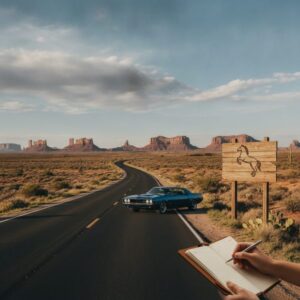
Which American Muscle Car Was Named After Wild Horses?

Chevrolet Camaro

Ford Mustang

Pontiac Firebird

Dodge Charger

Points won
0
Correct score
0%

More Questions

More Articles

Did You Know? 15 Facts About the Amazon Rainforest

Did You Know? 15 Facts About the Amazon Rainforest

⏱️ 7 min read

The Amazon Rainforest stands as one of Earth's most extraordinary natural wonders, harboring secrets and phenomena that continue to astound scientists and nature enthusiasts alike. Spanning across nine South American countries, this magnificent ecosystem holds countless mysteries within its verdant canopy. From its incredible biodiversity to its crucial role in regulating our planet's climate, the Amazon offers remarkable facts that reveal why it's often called the "lungs of the Earth." Let's explore fifteen fascinating aspects of this irreplaceable treasure.

Unveiling the Amazon's Remarkable Secrets

1. The Largest Tropical Rainforest on Earth

The Amazon Rainforest covers approximately 5.5 million square kilometers, making it the world's largest tropical rainforest. This vast expanse is roughly equivalent to the size of the entire United States west of the Mississippi River. The forest stretches across Brazil, Peru, Colombia, Venezuela, Ecuador, Bolivia, Guyana, Suriname, and French Guiana, with Brazil containing about 60% of this magnificent ecosystem. Its sheer size creates diverse microclimates and habitats that support an unparalleled variety of life forms.

2. Home to One in Ten Known Species

Scientists estimate that the Amazon houses approximately 10% of all species on Earth. This translates to roughly 390 billion individual trees representing about 16,000 different species, alongside an estimated 2.5 million insect species, 40,000 plant species, 2,200 fish species, 1,300 bird species, 430 mammal species, and 430 amphibian species. Many of these species exist nowhere else on the planet, making the Amazon an irreplaceable reservoir of biodiversity.

3. The River That Flows Through Paradise

The Amazon River, the lifeblood of the rainforest, is the world's largest river by discharge volume and the second longest river globally. It releases approximately 209,000 cubic meters of water into the Atlantic Ocean every second, which is more than the next seven largest rivers combined. During the wet season, parts of the river can expand to over 190 kilometers wide, creating a freshwater sea within the forest.

4. An Oxygen Production Powerhouse

While often called the "lungs of the Earth," the Amazon produces approximately 20% of the world's oxygen through photosynthesis. However, the rainforest also consumes nearly all of this oxygen through decomposition and respiration, resulting in a relatively neutral net oxygen contribution. Nevertheless, its role in carbon dioxide absorption remains absolutely critical for global climate regulation, storing an estimated 150-200 billion tons of carbon.

5. Indigenous Peoples' Ancient Home

The Amazon has been home to indigenous communities for at least 11,000 years. Today, approximately 400-500 indigenous tribes live within the rainforest, with about 50 of these groups having had no contact with the outside world. These communities possess invaluable knowledge about medicinal plants, sustainable forest management, and survival techniques that have been passed down through countless generations.

6. A Living Pharmacy

Over 80% of the world's diet originated from plants found in tropical rainforests, and approximately 25% of modern pharmaceutical drugs are derived from rainforest plants. Yet scientists have tested less than 1% of Amazon plant species for their medicinal properties. The rainforest contains potential cures for numerous diseases, with indigenous peoples using over 1,300 plant species for medicinal purposes.

7. The Tree Canopy Highway

The Amazon's canopy layer, reaching heights of 30-45 meters, is so dense that when it rains, it can take up to ten minutes for water to reach the forest floor. This multi-layered structure creates distinct ecosystems at different heights, with some species spending their entire lives in the canopy without ever touching the ground. The canopy is so thick that only about 1% of sunlight reaches the forest floor.

8. Self-Watering System

The Amazon Rainforest creates approximately 50% of its own rainfall through a process called transpiration. Trees release water vapor through their leaves, which forms clouds that produce rain, creating a self-sustaining water cycle. This phenomenon means that the forest essentially waters itself, demonstrating the delicate balance of this ecosystem. The forest releases approximately 20 billion tons of water into the atmosphere daily.

9. Pink River Dolphins

The Amazon River hosts the world's only freshwater dolphin species, the pink river dolphin, also known as the boto. These remarkable creatures can turn their heads 90 degrees thanks to unfused neck vertebrae, helping them navigate through flooded forests. Their distinctive pink coloration becomes more pronounced with age and activity level, and they can grow up to 2.5 meters in length.

10. Nutrient Transfer from the Sahara

In a stunning example of global interconnection, approximately 27 million tons of dust from the Sahara Desert in Africa are transported across the Atlantic Ocean to the Amazon each year. This dust, particularly from the Bodélé Depression in Chad, contains phosphorus and other nutrients essential for the Amazon's fertility, effectively fertilizing the rainforest from thousands of kilometers away.

11. Electric Eel Shocking Power

The Amazon's waters are home to the electric eel, which can generate electrical discharges up to 860 volts. These remarkable fish use electricity for navigation, communication, and hunting. Despite their name, electric eels are actually a type of knifefish, not true eels. They must surface for air every ten minutes because they breathe using lung-like organs rather than gills.

12. Rapid Deforestation Crisis

Approximately 17% of the Amazon Rainforest has been lost over the past 50 years, primarily due to cattle ranching, agriculture, logging, and mining. Scientists warn that if deforestation reaches 20-25% of the original forest, the Amazon could reach a tipping point where it can no longer sustain its own rainfall cycle, potentially transforming into a savanna ecosystem. Currently, an area equivalent to one football field is lost every single minute.

13. The World's Largest Snake

The green anaconda, the world's heaviest and one of the longest snakes, calls the Amazon home. These massive constrictors can reach lengths of over 9 meters and weigh more than 250 kilograms. They spend most of their time in shallow water, using their stealth and size to ambush prey. Despite their fearsome reputation, anacondas rarely pose threats to humans and play crucial roles in controlling prey populations.

14. Ancient Terra Preta Soil

Indigenous Amazonians created a unique type of fertile soil called terra preta, or "black earth," through a combination of charcoal, bone, and organic matter. This human-made soil remains incredibly fertile even today, thousands of years after its creation, and contains up to three times more organic matter than surrounding soils. Scientists are studying terra preta to develop sustainable agricultural practices that could benefit modern farming.

15. Undiscovered Species Abundance

Scientists discover an average of one new species in the Amazon every two days. Between 1999 and 2015, more than 2,000 new species of plants and vertebrates were identified in the Amazon basin. Researchers estimate that millions of species, particularly insects and microorganisms, remain undiscovered and undocumented. This ongoing discovery process highlights how much we have yet to learn about this incredible ecosystem.

Protecting an Irreplaceable Treasure

These fifteen remarkable facts only scratch the surface of the Amazon Rainforest's wonders and importance to our planet. From its role in climate regulation and oxygen production to its incredible biodiversity and cultural significance, the Amazon represents an irreplaceable natural treasure. As deforestation and climate change threaten this vital ecosystem, understanding and appreciating these facts becomes more crucial than ever. The Amazon's survival is intrinsically linked to the health of our entire planet, making its conservation not just an environmental priority but a global necessity. Every species discovered, every indigenous tradition preserved, and every hectare protected contributes to maintaining the delicate balance that makes the Amazon Rainforest one of Earth's most essential and awe-inspiring natural wonders.

Top 10 Fun Facts About Horror Films

Top 10 Fun Facts About Horror Films

⏱️ 6 min read

Horror films have captivated audiences for over a century, blending artistry, psychology, and pure terror into unforgettable cinematic experiences. Behind the screams and shadows lie fascinating stories of innovation, controversy, and unexpected triumphs that have shaped the genre into what it is today. From groundbreaking special effects to surprising box office phenomena, the world of horror cinema is filled with intriguing details that even dedicated fans might not know.

Remarkable Revelations from Horror Cinema History

1. The Exorcist Caused Real Physical Reactions in Theaters

When "The Exorcist" premiered in 1973, it created unprecedented chaos in movie theaters across America. Reports documented audience members fainting, vomiting, and requiring medical attention during screenings. Some theaters stationed ambulances outside and hired extra staff to handle the overwhelming reactions. The film's impact was so intense that several people claimed to experience lasting psychological effects. Theater owners even provided "Exorcist barf bags" in some locations. This extreme response contributed to the film's legendary status and demonstrated horror cinema's unique power to physically affect viewers beyond simple entertainment.

2. Psycho's Revolutionary Chocolate Syrup Blood

Alfred Hitchcock's iconic shower scene in "Psycho" used Bosco chocolate syrup to simulate blood because the film was shot in black and white. The thick, dark syrup photographed better than fake blood formulas of the era, creating the perfect viscosity and shade for the shocking sequence. This improvisation became one of cinema's most famous visual tricks. The scene required seven days to film and used 77 different camera angles, with the chocolate syrup solution proving essential to achieving the disturbing realism that made the sequence unforgettable and influenced countless filmmakers thereafter.

3. The Blair Witch Project's Shoestring Budget Phenomenon

Made for approximately $60,000, "The Blair Witch Project" became one of the most profitable films ever produced, earning nearly $250 million worldwide. The filmmakers created an innovative viral marketing campaign before social media existed, building a website suggesting the fictional events were real. They listed the cast members as "missing, presumed dead" on IMDb, further blurring reality and fiction. This guerrilla marketing approach, combined with the found-footage style, revolutionized independent horror filmmaking and demonstrated that creativity and strategy could triumph over massive budgets in creating cultural phenomena.

4. Nosferatu's Near-Destruction Due to Copyright Infringement

The 1922 German expressionist film "Nosferatu" was an unauthorized adaptation of Bram Stoker's "Dracula." When Stoker's widow won a copyright lawsuit, courts ordered all copies of the film destroyed. Fortunately, several prints had already been distributed internationally, saving this masterpiece from complete obliteration. The legal battle lasted years and nearly succeeded in erasing one of cinema's most influential horror films from existence. Today, "Nosferatu" is recognized as a groundbreaking work of art, and its near-loss serves as a cautionary tale about the importance of film preservation and copyright compliance.

5. The Shining's Record-Breaking Scene Takes

Stanley Kubrick's perfectionism reached legendary levels during "The Shining" production, with the scene of Wendy swinging the baseball bat at Jack requiring 127 takes—earning a Guinness World Record. Actress Shelley Duvall endured extreme physical and emotional stress during filming, with Kubrick deliberately creating tension to capture genuine fear and exhaustion on camera. The famous "Here's Johnny!" door scene alone destroyed over 60 doors because actor Jack Nicholson's previous experience as a firefighter made him too efficient at breaking through them, forcing the crew to use stronger doors.

6. A Nightmare on Elm Street Saved New Line Cinema

Wes Craven's 1984 slasher film was made for just $1.8 million but grossed over $57 million worldwide, single-handedly transforming New Line Cinema from a small distribution company into a major studio. The success was so significant that New Line became known in the industry as "The House That Freddy Built." Without this film's phenomenal performance, New Line might never have survived to produce future blockbusters. The franchise spawned eight sequels, a television series, and countless merchandise, proving that innovative horror concepts could build entertainment empires.

7. The Omen's Series of Eerie Coincidences

The production of "The Omen" in 1976 was plagued by bizarre incidents that some crew members considered supernatural. Star Gregory Peck and screenwriter David Seltzer both booked flights that crashed, though they cancelled their reservations beforehand. A plane chartered by the production was struck by lightning, and another plane carrying several crew members narrowly avoided collision. The film's special effects designer John Richardson was involved in a car accident that killed his assistant—near a road sign marking 66.6 kilometers from a Dutch town. These unsettling coincidences fueled speculation and publicity around the film's release.

8. Poltergeist Used Real Human Skeletons as Props

In one of horror cinema's most disturbing behind-the-scenes revelations, the production team for "Poltergeist" used actual human skeletons in the pool scene because they were cheaper than plastic replicas at the time. Actress JoBeth Williams was unaware she was swimming with real human remains during filming. When she discovered the truth, she was understandably disturbed. This revelation, combined with the tragic deaths of several cast members in subsequent years, contributed to rumors of a "Poltergeist curse," though these deaths were likely coincidental rather than supernatural.

9. Halloween's Iconic Mask Started as William Shatner

Michael Myers' terrifying mask in "Halloween" was actually a Captain Kirk mask from "Star Trek." The production designer purchased the mask for approximately two dollars, painted it white, widened the eye holes, and removed the eyebrows and sideburns. This budget-conscious decision created one of horror's most recognizable images. Director John Carpenter chose this modified Shatner mask over clown and other options because its blank, emotionless appearance proved most unsettling. William Shatner himself didn't learn about this connection until years later, eventually embracing the unusual legacy of his likeness.

10. The Texas Chain Saw Massacre's PG Rating Attempt

Despite its reputation for extreme violence, "The Texas Chain Saw Massacre" contains surprisingly little on-screen gore. Director Tobe Hooper filmed it hoping to receive a PG rating by keeping actual blood and violence largely off-screen, relying instead on suggestion and psychological terror. The MPAA still rated it R due to its intense nature and disturbing themes. Ironically, this restraint made the film more effective, as audiences' imaginations filled gaps with horrors worse than anything explicitly shown. The film's ability to terrify without graphic violence demonstrated that atmosphere and implication could be more powerful than explicit content.

The Lasting Impact of Horror's Hidden Stories

These fascinating facts reveal that horror films are far more than simple scare tactics—they represent innovation, creativity under constraint, and the unpredictable nature of cinematic success. From revolutionary techniques born of necessity to unexpected controversies and coincidences, the horror genre has consistently pushed boundaries and challenged conventions. Whether through marketing genius, directorial obsession, or budget-minded improvisation, these films have left indelible marks on cinema history. Understanding these behind-the-scenes stories enriches appreciation for the genre and demonstrates how horror continues to evolve, surprise, and captivate audiences worldwide.