









1 / 10 Questions
0 Points
Points won
0
Correct score
0%

More Questions

More Articles

15 Surprising Facts About Deserts

15 Surprising Facts About Deserts

⏱️ 7 min read

When most people think of deserts, they imagine endless seas of sand, scorching temperatures, and barren landscapes devoid of life. However, these remarkable ecosystems are far more complex and fascinating than common stereotypes suggest. From unexpected weather patterns to thriving biodiversity, deserts hold numerous surprises that challenge our assumptions about these extraordinary environments. The following facts reveal the hidden wonders and counterintuitive realities of the world's desert regions.

Unveiling Desert Mysteries

1. Antarctica Qualifies as the World's Largest Desert

Contrary to popular belief, Antarctica holds the title of Earth's largest desert, covering approximately 5.5 million square miles. This classification surprises many because deserts are defined by low precipitation rather than temperature. Antarctica receives less than two inches of precipitation annually in its interior regions, making it technically a cold desert. This fact fundamentally challenges the common misconception that deserts must be hot, sandy environments.

2. Only 20% of Deserts Are Covered in Sand

The iconic image of vast sand dunes represents merely a fraction of actual desert landscapes. Approximately 80% of desert terrain consists of gravel, bare rock, salt flats, and other substrates. These non-sandy deserts, called reg, hamada, or rocky deserts, feature mountains, canyons, and plateaus. The sandy deserts that dominate popular imagination, known as ergs, are relatively rare exceptions rather than the rule.

3. Desert Temperatures Can Plummet Below Freezing

While deserts are notorious for extreme heat during daylight hours, nighttime temperatures regularly drop dramatically. Without cloud cover to trap heat, deserts experience massive temperature swings, sometimes exceeding 40 degrees Fahrenheit between day and night. Some deserts routinely experience freezing temperatures after sunset, and certain desert regions can see snowfall during winter months, creating stunning contrasts in these supposedly hot environments.

4. The Atacama Desert Has Areas Where Rain Has Never Been Recorded

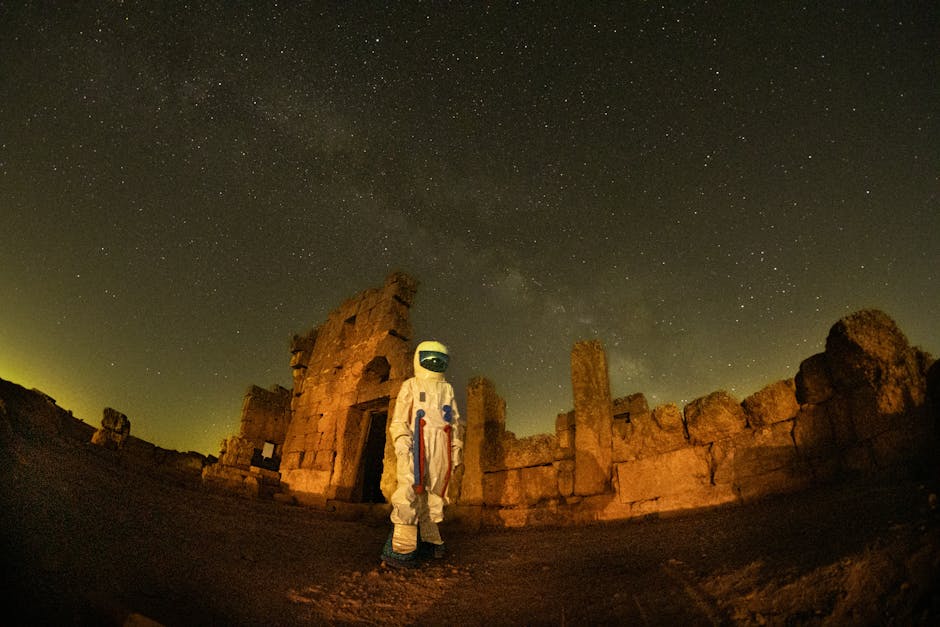
Chile's Atacama Desert holds the distinction of being the driest non-polar desert on Earth. Some weather stations in the Atacama have never recorded rainfall during their entire period of operation. Certain regions of this extraordinary desert have gone without measurable precipitation for centuries, creating one of the most Mars-like environments found on our planet. Scientists regularly use the Atacama as a testing ground for equipment destined for Red Planet exploration.

5. Deserts Are Expanding Through Desertification

Desertification, the process by which fertile land transforms into desert, currently affects approximately 12 million hectares annually. This phenomenon results from climate change, deforestation, unsustainable agricultural practices, and overgrazing. The Sahara Desert alone has expanded by approximately 10% since 1920, with its southern boundary advancing into the Sahel region. This expansion threatens food security and livelihoods for millions of people living in vulnerable regions.

6. Desert Soil Contains Biological Crusts That Take Decades to Form

Desert surfaces often feature biological soil crusts composed of cyanobacteria, lichens, mosses, and fungi that can take 50 to 250 years to develop fully. These living crusts stabilize soil, prevent erosion, fix nitrogen, and facilitate water absorption. A single footstep can destroy these fragile ecosystems, requiring decades or even centuries for recovery. These crusts represent crucial foundation layers for desert ecosystem health and biodiversity.

7. The Sahara Was Once a Lush, Green Landscape

Between 11,000 and 5,000 years ago, the Sahara Desert supported extensive grasslands, lakes, and rivers during a period called the African Humid Period. Archaeological evidence reveals that ancient peoples inhabited these regions, practicing agriculture and animal husbandry. Rock art throughout the Sahara depicts elephants, giraffes, and crocodiles, documenting the dramatic environmental transformation. Scientists believe the Sahara naturally oscillates between wet and dry periods over thousands of years.

8. Deserts Support Incredible Biodiversity

Despite harsh conditions, deserts host remarkable biological diversity with specially adapted organisms. The Sonoran Desert alone contains over 2,000 plant species, 550 vertebrate species, and countless invertebrates. Desert creatures have evolved extraordinary adaptations, including the ability to survive without drinking water, nocturnal lifestyles to avoid heat, and specialized methods for moisture collection. This biodiversity challenges assumptions about deserts as lifeless wastelands.

9. Desert Sand Can Sing and Boom

Certain sand dunes produce mysterious sounds ranging from low rumbles to high-pitched squeaks when sand avalanches occur. This phenomenon, observed in approximately 35 desert locations worldwide, has puzzled scientists for centuries. Research suggests that the sounds result from specific grain sizes, shapes, and moisture content creating synchronized vibrations during sand movement. These singing dunes create eerie, otherworldly soundscapes that can be heard miles away.

10. Underground Water Reserves Lie Beneath Many Deserts

Massive aquifers containing ancient water, sometimes called fossil water, exist beneath numerous desert regions. The Nubian Sandstone Aquifer beneath the Sahara contains an estimated 150,000 cubic kilometers of groundwater, accumulated over thousands of years during wetter periods. These hidden water reserves have sustained desert communities for millennia, though current extraction rates often exceed natural replenishment, raising sustainability concerns.

11. Coastal Deserts Experience Frequent Fog

Coastal deserts like the Namib and Atacama receive minimal rainfall but experience regular fog events created when cold ocean currents meet warm air. Organisms in these environments have developed remarkable fog-harvesting adaptations. The Namib Desert beetle, for example, uses its textured shell to collect water droplets from fog, inspiring human engineers to develop similar water collection technologies for arid regions.

12. Desert Plants Can Lie Dormant for Years

Many desert plants possess extraordinary survival strategies, including extended dormancy periods. Seeds can remain viable for years or even decades, germinating only when precise rainfall conditions occur. Some desert resurrection plants can lose up to 95% of their moisture content and appear completely dead, only to revive within hours of receiving water. These remarkable adaptations allow plants to maximize survival in unpredictable environments.

13. Desert Varnish Creates Natural Art on Rock Surfaces

Desert varnish, a dark coating found on exposed rock surfaces, forms through complex interactions involving manganese and iron oxides, clay minerals, and microorganisms. This varnish develops extremely slowly, potentially taking thousands of years to create visible layers. Ancient peoples carved petroglyphs through this varnish, creating artworks that have endured for millennia. Scientists continue debating the exact formation mechanisms of this mysterious substance.

14. Deserts Play Crucial Roles in Global Climate Systems

Desert regions significantly influence worldwide weather patterns and climate systems. Saharan dust, lifted by winds and transported across continents, fertilizes the Amazon rainforest with essential nutrients and affects hurricane formation in the Atlantic. Desert albedo, the reflection of solar radiation from light-colored surfaces, influences regional and global temperatures. Understanding desert dynamics proves essential for climate modeling and prediction.

15. Desert Regions Contain Valuable Archaeological Treasures

The preservative qualities of arid environments have protected countless archaeological sites and artifacts. Dry conditions prevent decomposition, maintaining organic materials like textiles, papyrus documents, and mummified remains for thousands of years. Desert regions have yielded some of history's most significant discoveries, including the Dead Sea Scrolls, Egyptian tombs, and ancient settlements that provide invaluable insights into human civilization.

Understanding Desert Complexity

These fifteen facts demonstrate that deserts are far more dynamic, diverse, and important than commonly understood. From Antarctica's frozen expanses to the fog-draped Namib coast, from singing sand dunes to hidden aquifers, deserts challenge our preconceptions at every turn. These environments support remarkable life, influence global systems, preserve human history, and continue transforming in response to natural and human-induced changes. Appreciating desert complexity helps us recognize these regions not as empty wastelands but as vital ecosystems deserving protection and study. As climate change and human activities increasingly impact desert regions, understanding these surprising facts becomes ever more crucial for conservation efforts and sustainable management of these extraordinary landscapes.

Top 10 Famous Sculptures and Their Secrets

Top 10 Famous Sculptures and Their Secrets

⏱️ 7 min read

Throughout history, sculptors have created masterpieces that continue to captivate audiences centuries after their creation. Beyond their aesthetic beauty, many of the world's most celebrated sculptures harbor fascinating secrets, hidden messages, and surprising stories that add layers of intrigue to these artistic achievements. From ancient techniques lost to time to controversial restorations and deliberate imperfections, these revelations transform how we understand and appreciate these iconic works.

Unveiling the Hidden Stories Behind Legendary Sculptures

1. Michelangelo's David and the Disproportionate Hands

Standing at over 17 feet tall, Michelangelo's David is celebrated as a pinnacle of Renaissance sculpture. However, close examination reveals that the statue's hands and head are deliberately oversized, comprising approximately 10-15% larger than anatomically accurate proportions. This wasn't a mistake by the master sculptor, but rather an intentional artistic choice. Michelangelo designed David to be viewed from below, and the exaggerated proportions create perfect visual harmony when observed from ground level. Additionally, the statue was originally intended to stand atop Florence Cathedral, where these proportions would have appeared natural from the viewer's perspective far below.

2. The Venus de Milo's Missing Arms Mystery

One of the Louvre's most famous residents, the Venus de Milo has captivated audiences for centuries, partly due to her missing arms. Discovered in 1820 on the Greek island of Milos, the statue likely lost her arms during her turbulent journey to France. The secret that many don't know is that sketches made shortly after her discovery suggest she originally held an apple in one hand, identifying her as Aphrodite in the Judgment of Paris scene. Museum curators have deliberately chosen not to restore the arms, as the mystery and incompleteness have become integral to the sculpture's identity and appeal.

3. The Sphinx's Eroded Nose and Vandalism Theories

The Great Sphinx of Giza's missing nose has spawned numerous theories, from Napoleon's artillery practice to natural erosion. However, historical evidence reveals a more deliberate act of vandalism. Drawings from the 15th century show the Sphinx already without its nose, predating Napoleon by centuries. Research suggests that a Sufi Muslim named Muhammad Sa'im al-Dahr destroyed the nose in 1378 CE, considering the statue idolatrous. The secret lies in the original purpose of the nose itself—analysis of remaining facial features indicates the Sphinx once wore a ceremonial beard attached to the chin, fragments of which are now displayed in the British Museum and Cairo Museum.

4. Rodin's The Thinker Originally Named The Poet

Auguste Rodin's iconic bronze sculpture wasn't originally conceived as "The Thinker" contemplating philosophy. The work was initially titled "The Poet" and was meant to represent Dante Alighieri sitting at the top of the Gates of Hell, pondering his great literary work. The figure's muscular physique contradicts the typical portrayal of poets, but Rodin intentionally depicted a strong, physical thinker to represent the creative power of mental labor. Another lesser-known secret is that over twenty different casts of The Thinker exist worldwide, each with subtle variations, as Rodin continued refining the sculpture throughout his life.

5. The Statue of Liberty's Color Transformation

The Statue of Liberty's iconic green patina is actually a chemical transformation that occurred over decades of weathering. When first unveiled in 1886, Lady Liberty gleamed with the reddish-brown color of polished copper. The green oxidation that now defines her appearance developed gradually over approximately thirty years. In the 1980s, restoration teams debated returning the statue to its original copper color but ultimately preserved the green patina, which had become her signature look. A hidden secret within the statue is the inscription on her tablet's backside and a sonnet by Emma Lazarus mounted inside the pedestal, which millions of visitors never see.

6. Bernini's Ecstasy of Saint Teresa and the Controversial Interpretation

Gian Lorenzo Bernini's baroque masterpiece depicts Saint Teresa of Ávila in supposed divine rapture, but the sculpture's secret lies in its deliberately ambiguous nature. Bernini brilliantly captured a moment that walks the line between spiritual ecstasy and physical pleasure, creating ongoing debate about his intentions. The sculpture incorporates hidden lighting from a yellow glass window above, creating the illusion of divine golden rays illuminating the saint. This theatrical use of natural light was revolutionary and remains one of Bernini's most closely guarded technical innovations, as the light source appears supernatural to viewers unfamiliar with the chapel's architecture.

7. The Terracotta Army's Unique Facial Features

China's famous Terracotta Army, buried with Emperor Qin Shi Huang in 210 BCE, contains approximately 8,000 soldiers, and remarkably, no two faces are identical. The secret lies in the production method: while bodies were mass-produced using molds, artisans individually crafted each head using clay strips. Recent research suggests these faces may represent actual soldiers from the emperor's army, serving as portraits rather than generic figures. Another hidden detail is that the warriors were originally painted in brilliant colors—traces of pigment reveal vibrant reds, greens, and purples that have faded over millennia of burial.

8. Donatello's Bronze David and Renaissance Scandal

Donatello's bronze David, created around 1440, holds the distinction of being the first free-standing nude male sculpture since antiquity. The secret that shocked Renaissance Florence lies in the work's subtle eroticism and ambiguous symbolism. David stands wearing only a hat and boots, with his foot resting on Goliath's severed head, while a feather from Goliath's helmet provocatively runs up the inside of David's leg. This sensual detail, combined with David's effeminate appearance, has led scholars to debate whether the sculpture contains coded references to Florentine political allegiances or represents a more personal statement about beauty and power.

9. Mount Rushmore's Hidden Chamber of Records

Behind Abraham Lincoln's hairline on Mount Rushmore lies a secret chamber that most visitors never learn about. Sculptor Gutzon Borglum intended to create a Hall of Records within the mountain to house important American documents and artifacts. While his death in 1941 left the project incomplete, a repository was finally completed in 1998. Sealed behind a 1,200-pound granite capstone, the vault contains sixteen porcelain enamel panels documenting the creation of Mount Rushmore, the Declaration of Independence, the Constitution, the Bill of Rights, and biographies of the four presidents depicted. This time capsule remains inaccessible to the public, preserving America's founding documents for future generations.

10. The Little Mermaid's Repeated Vandalism and Reconstruction

Copenhagen's beloved Little Mermaid statue has endured a turbulent existence since her installation in 1913. The secret history of this sculpture includes multiple beheadings, lost arms, and complete removals. In 1964, vandals sawed off her head, which was never recovered, forcing authorities to create a new one from the original molds. Her right arm was sawed off in 1984 and again in 2004. Despite numerous attacks and even being covered in paint multiple times, the statue has always been carefully restored. The Danish government maintains the original molds and casting materials in a secret location, ensuring the Little Mermaid can always be restored to her original form, no matter what befalls her.

The Enduring Legacy of Sculptural Secrets

These ten masterpieces demonstrate that great sculptures offer more than meets the eye. From intentional design choices and lost techniques to dramatic transformations and hidden chambers, each secret adds depth to our appreciation of these works. Understanding the stories behind these sculptures—whether the deliberate proportions of David, the missing arms of Venus de Milo, or the concealed chamber within Mount Rushmore—enriches our connection to art history and reminds us that even the most familiar masterpieces continue to reveal new mysteries. These secrets transform static objects into living narratives that span centuries, connecting us to the artists' visions and the cultural contexts that shaped these extraordinary creations.