










1 / 10 Questions
0 Points

What Continent Has No Permanent Residents?

Antarctica

Iceland

Australia

Greenland

Points won
0
Correct score
0%

More Questions

More Articles

Did You Know? 12 Facts About Art Restoration

Did You Know? 12 Facts About Art Restoration

⏱️ 6 min read

Art restoration is a fascinating field that combines scientific knowledge, artistic skill, and historical detective work. Behind every masterpiece hanging in a museum lies countless hours of meticulous work by skilled conservators who preserve our cultural heritage for future generations. The world of art restoration is filled with surprising techniques, unexpected discoveries, and ethical dilemmas that challenge our understanding of authenticity and preservation. Here are twelve remarkable facts that reveal the hidden world of art conservation.

Understanding the Art of Preservation

1. Restoration Can Take Longer Than Creating the Original Artwork

While an artist might complete a painting in weeks or months, restoring that same artwork can take years or even decades. Michelangelo's Sistine Chapel ceiling restoration took fourteen years to complete, from 1980 to 1994. Conservators must proceed slowly and methodically, documenting every step, testing materials, and ensuring that no irreversible damage occurs during the process. Each brushstroke requires careful consideration, and rushing could destroy centuries of history in moments.

2. X-Ray Technology Reveals Hidden Masterpieces Beneath the Surface

Modern restoration relies heavily on technology that allows conservators to see beneath the visible paint layers. X-ray fluorescence, infrared reflectography, and multispectral imaging reveal hidden sketches, previous compositions, and artist corrections. These technologies have uncovered entire paintings hidden beneath famous works, showing that artists often reused canvases or changed their compositions midway through creation. In some cases, these hidden images provide more valuable historical information than the visible artwork itself.

3. Saliva Was Once a Common Cleaning Agent

Before modern chemical solvents were developed, art restorers used human saliva to clean delicate paintings. Saliva contains enzymes that gently break down dirt and grime without damaging paint layers. Some conservators still use this technique for particularly sensitive areas, applying saliva with cotton swabs to remove surface dirt from areas where even mild chemical cleaners might cause harm. While it may sound unconventional, this method has proven effective for centuries and remains in specialized use today.

4. The Controversial Sistine Chapel Restoration Changed Art History

When restorers cleaned Michelangelo's Sistine Chapel frescoes, they removed centuries of accumulated dirt, candle smoke, and earlier restoration attempts. The result shocked the art world: Michelangelo's color palette was far more vibrant than anyone had imagined. Critics argued that restorers had removed Michelangelo's intentional darkening layers, while supporters maintained they had revealed the true brilliance of his work. This controversy highlighted the ongoing debate about how much intervention is appropriate in art conservation.

5. Reversibility Is the Golden Rule

Professional art conservators follow a strict ethical code that requires all restoration work to be reversible. Any materials added to an artwork must be removable by future conservators without damaging the original. This principle ensures that if techniques improve or if current restoration methods are later deemed inappropriate, the artwork can be returned to its pre-restoration state. Conservators use special paints and adhesives specifically formulated to be removed cleanly, even decades after application.

6. Some Masterpieces Have Been Restored Incorrectly Multiple Times

Historical restoration attempts, guided by different standards and limited technology, have sometimes caused more harm than good. Leonardo da Vinci's "The Last Supper" underwent numerous problematic restorations over centuries, with well-meaning but misinformed restorers adding paint and making alterations that obscured the original work. Modern conservators often spend considerable time undoing previous restoration attempts before they can even begin addressing the artwork's original deterioration.

7. Climate Control Is as Important as Active Restoration

Preventing damage is more valuable than repairing it, which is why museums invest heavily in environmental controls. Temperature fluctuations, humidity changes, and light exposure cause most artwork deterioration. Museum conservators maintain strict environmental standards, keeping temperature and humidity within narrow ranges and limiting light exposure. These preventive measures are considered the most important aspect of art conservation, as they minimize the need for invasive restoration work.

8. Lasers Have Revolutionized Delicate Cleaning Processes

Modern laser technology allows conservators to remove dirt, overpaint, and varnish with unprecedented precision. Laser cleaning works at the microscopic level, vaporizing unwanted layers while leaving original paint untouched. This technique proved invaluable for cleaning smoke-damaged artwork and removing aged varnish that had yellowed over time. The precision of laser cleaning allows conservators to work on details that would be impossible to address with traditional methods.

9. Art Restorers Must Master Multiple Scientific Disciplines

Contemporary art conservation requires expertise in chemistry, physics, biology, and materials science, in addition to artistic skill and art history knowledge. Conservators must understand how different pigments age, how environmental factors affect various materials, and how modern materials interact with historical ones. Many hold advanced degrees combining studio art training with scientific education, spending years learning both the artistic and technical aspects of their profession.

10. Documentation Is as Important as the Physical Work

Professional conservators spend nearly as much time documenting their work as performing it. Every restoration project requires detailed photography, written reports, material analysis, and condition assessments. This documentation serves multiple purposes: it provides a historical record, guides future conservation efforts, and ensures transparency about what changes have been made to the artwork. Museums maintain extensive archives of conservation records that become valuable research resources.

11. Some Artworks Are Intentionally Left Partially Restored

In certain cases, conservators deliberately leave damage visible or restoration incomplete. This approach, called "archaeological restoration," maintains historical integrity by showing the artwork's age and history. Missing sections might be filled with neutral tones rather than recreating lost details, or damage might be stabilized without being disguised. This philosophy respects the artwork's journey through time rather than attempting to return it to an imagined pristine state.

12. Natural Disasters Have Led to Major Advances in Restoration Techniques

Catastrophic events, while devastating, have driven innovation in conservation methods. The 1966 Florence flood, which damaged thousands of artworks and manuscripts, led to international cooperation and new preservation techniques. Similarly, the 1993 Uffizi Gallery bombing and various earthquake damages have prompted development of better emergency response protocols and conservation technologies. The urgent need to save flood-damaged or fire-scarred artworks has accelerated research that benefits the entire field.

Preserving Cultural Heritage for Tomorrow

Art restoration represents humanity's commitment to preserving cultural heritage across generations. From ancient techniques like saliva cleaning to cutting-edge laser technology, the field continues evolving while maintaining core ethical principles. These twelve facts only scratch the surface of this complex discipline, where science meets art and history. The next time you admire a centuries-old masterpiece, remember the skilled conservators whose invisible work ensures these treasures survive for future generations to appreciate. Their dedication protects not just individual artworks, but our collective human story told through artistic expression.
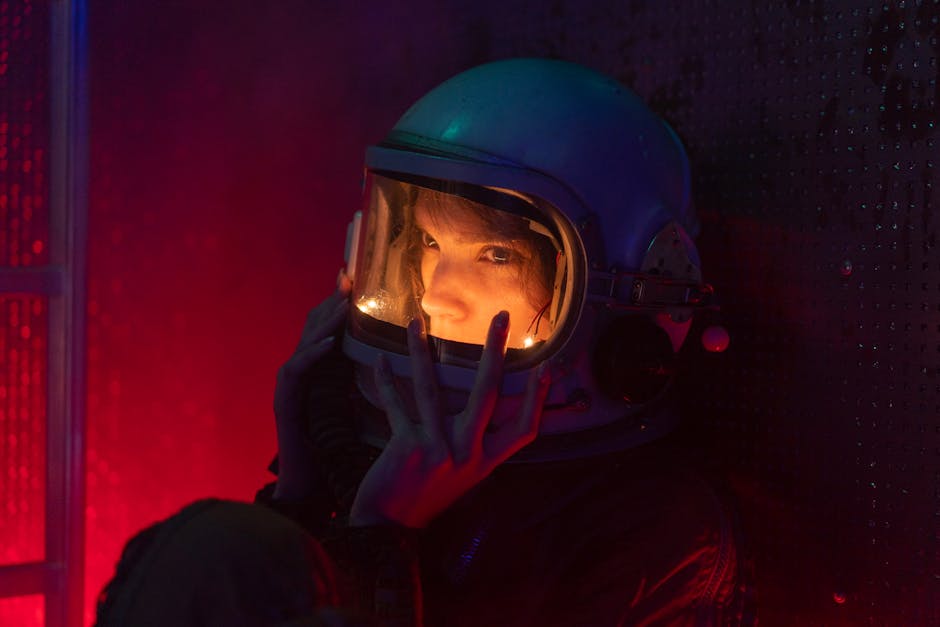
Top 10 Fun Facts About Marvel Cinematic Universe

Top 10 Fun Facts About Marvel Cinematic Universe

⏱️ 7 min read

The Marvel Cinematic Universe has become a cultural phenomenon since its inception in 2008, captivating audiences worldwide with its interconnected storytelling, memorable characters, and groundbreaking cinematic achievements. Behind the spectacular action sequences and dramatic plot twists lies a treasure trove of fascinating trivia that even devoted fans might not know. From last-minute casting decisions to improvised iconic moments, the MCU's journey to becoming the highest-grossing film franchise in history is filled with surprising details that showcase the creativity, dedication, and occasional happy accidents that shaped this beloved universe.

Behind-the-Scenes Secrets and Surprising Revelations

1. Robert Downey Jr. Was Considered a Risky Choice for Iron Man

When Marvel Studios decided to cast Robert Downey Jr. as Tony Stark in 2008, many studio executives were hesitant due to his troubled past. Director Jon Favreau had to fight extensively for the casting decision, believing Downey Jr.'s personal redemption arc mirrored Tony Stark's character journey. The actor was paid only $500,000 for the first Iron Man film, a relatively modest sum by Hollywood standards. This gamble paid off spectacularly, as Downey Jr.'s charismatic performance became the foundation upon which the entire MCU was built. By the time of Avengers: Endgame, he had earned an estimated $75 million for his role, becoming one of the highest-paid actors in cinema history.

2. The Famous Shawarma Scene Was Filmed After the Premiere

The post-credits scene in The Avengers showing the team silently eating shawarma together has become legendary among fans. What many don't realize is that this scene was filmed after the movie's world premiere in Los Angeles. Joss Whedon came up with the idea based on a throwaway line Tony Stark makes during the final battle, and the cast quickly assembled to shoot the scene. Chris Evans had grown a beard for his next film role, Snowpiercer, so he had to wear a prosthetic covering the lower part of his face, which is why Captain America appears to be hiding his face throughout the scene. This spontaneous addition became one of the most memorable moments in MCU history.

3. Tom Holland's Spider-Man Audition Involved Real Acrobatics

When Tom Holland auditioned for Spider-Man, he didn't just read lines—he performed an elaborate gymnastics routine in front of Marvel executives. The young British actor, who had a background in dance and gymnastics from his role in Billy Elliot: The Musical, did backflips and other acrobatic moves to demonstrate his physical capabilities for the role. His athletic performance, combined with his chemistry test with Robert Downey Jr., helped him beat out thousands of other candidates for the coveted role. This commitment to the physical aspects of Spider-Man has become a hallmark of Holland's portrayal, with many of his stunts being performed practically rather than with CGI.

4. Bradley Cooper Recorded Rocket Raccoon's Voice in Unconventional Locations

Bradley Cooper's schedule made recording Rocket Raccoon's dialogue for the Guardians of the Galaxy films a unique challenge. Rather than recording in a traditional studio setting, Cooper often recorded his lines while driving in his car, in various locations around Los Angeles, or even while on vacation. Director James Gunn would send him scenes and dialogue, and Cooper would record his performances on his phone or portable recording equipment. Despite these unconventional methods, Cooper's voice work brought incredible depth and emotion to the CGI character, making Rocket one of the MCU's most beloved characters without the actor ever appearing on set with his fellow cast members during principal photography.

5. "I Am Groot" Has Hundreds of Different Meanings

Groot's limited vocabulary of "I am Groot" might seem simple, but Vin Diesel takes the role incredibly seriously. For each film, Diesel receives a script with translations of what Groot is actually saying, and he records the phrase "I am Groot" with hundreds of different inflections and emotions to match each specific meaning. Diesel has recorded Groot's lines in multiple languages for international releases, including Spanish, Portuguese, French, Mandarin, and Russian. The actor even recorded Groot's voice while on set for some scenes, helping his fellow actors react appropriately to what Groot was communicating, even though audiences only hear the simple three-word phrase.

6. The Infinity Stones Were Retroactively Connected

While the Infinity Stones became central to the MCU's overarching narrative, Marvel Studios didn't initially plan their inclusion from the beginning. The Tesseract appeared in Captain America: The First Avenger and The Avengers without being explicitly identified as an Infinity Stone. It wasn't until Thor: The Dark World's post-credits scene that Marvel officially began connecting these powerful artifacts as part of a larger collection. The studio retroactively wove the mythology into earlier films, creating the impression of meticulous long-term planning. This demonstrates Marvel's ability to develop and adapt their storytelling while maintaining narrative cohesion across multiple films and years of production.

7. Chris Evans Nearly Declined the Captain America Role Multiple Times

Before becoming synonymous with Captain America, Chris Evans repeatedly turned down the role, declining Marvel's offers at least three times. The actor was hesitant about committing to a multi-picture deal and concerned about the intense public scrutiny that would come with playing such an iconic character. Evans had previously played the Human Torch in the Fantastic Four films and was uncertain about being typecast in superhero roles. It took persuasion from friends, family, and his therapist to convince him to accept the part. Evans later stated that taking the role was the best decision of his career, and his portrayal of Steve Rogers became one of the MCU's most beloved performances.

8. Hawkeye Originally Had a Much Larger Role in The Avengers

Jeremy Renner's Clint Barton was initially supposed to have a significantly bigger role in the first Avengers film, but when Joss Whedon took over directing duties, he made substantial script changes. The revised version had Hawkeye under Loki's mind control for much of the film, limiting Renner's ability to develop the character. This decision disappointed many fans who wanted to see more of the archer's personality and skills. Marvel later compensated by giving Hawkeye more prominent roles in subsequent films, particularly Avengers: Age of Ultron, which revealed his secret family life, and the Disney+ series Hawkeye, which finally gave the character the depth and screen time many felt he deserved.

9. Stan Lee's Cameos Were Filmed in Batches

The late Stan Lee's cameo appearances became a beloved tradition in Marvel films, but as he aged, the production process evolved. In his later years, Marvel Studios began filming multiple cameos in single sessions to minimize the physical demands on Lee and ensure they had footage for upcoming films. During one filming day, Lee would shoot cameos for several different movies, with various sets, costumes, and scenes prepared in advance. This efficient approach allowed Marvel to continue the tradition while respecting Lee's health and schedule. After his passing in 2018, Marvel included his final pre-filmed cameos in Captain Marvel and Avengers: Endgame as touching tributes to the legendary comic book creator.

10. Thor's Hammer Has a Hidden Inscription That Appeared Before the Character

The inscription on Mjolnir, "Whosoever holds this hammer, if he be worthy, shall possess the power of Thor," became a crucial element of Thor's mythology in the MCU. Interestingly, this exact phrase first appeared in the MCU not in Thor (2011), but actually in Iron Man 2 (2010). During the post-credits scene of Iron Man 2, Agent Coulson discovers Mjolnir in the New Mexico crater, and viewers can briefly see the inscription on the hammer. This early Easter egg was Marvel's way of building anticipation for Thor's debut while establishing the interconnected nature of their cinematic universe, demonstrating their commitment to detailed world-building even in their earliest films.

The Legacy of Marvel's Attention to Detail

These fascinating facts reveal the incredible amount of creativity, flexibility, and dedication that goes into creating the Marvel Cinematic Universe. From casting decisions that seemed risky at the time to improvised moments that became iconic, the MCU's success stems from both meticulous planning and the willingness to embrace spontaneous inspiration. The franchise's ability to weave together dozens of films and television series into a cohesive narrative while maintaining quality and fan engagement is unprecedented in cinema history. These behind-the-scenes stories remind us that even the most polished blockbuster productions involve human decisions, happy accidents, and the collaborative efforts of countless talented individuals who bring these beloved characters and stories to life for audiences around the world.