











1 / 10 Questions
0 Points

How Many Squares Are On A Checkerboard?

64

32

48

100

Points won
0
Correct score
0%

More Questions

More Articles

Did You Know? 12 Strange Facts About Comic Books

Did You Know? 12 Strange Facts About Comic Books

⏱️ 6 min read

Comic books have been a beloved form of entertainment for nearly a century, captivating readers with colorful heroes, dastardly villains, and imaginative worlds. While many fans are familiar with the adventures of Superman, Batman, and Spider-Man, the history and production of comic books contain numerous peculiar and fascinating details that often go unnoticed. From bizarre censorship codes to unexpected character origins, the world of sequential art is filled with surprising anomalies that reveal just how strange and wonderful this medium truly is.

Peculiar Tales from Comic Book History

1. The Comics Code Authority Banned the Word "Zombie"

In 1954, the Comics Code Authority was established as a self-regulatory body in response to public outcry about violent and horror-themed comics. The code included bizarrely specific restrictions, including an outright ban on the word "zombie" appearing in any comic book. This led to creative workarounds by publishers, with Marvel Comics famously referring to zombies as "zuvembies" in their Tales of the Zombie series during the 1970s. The restriction also prohibited werewolves, vampires, and ghouls from being presented sympathetically, fundamentally altering the horror comic genre for decades.

2. Superman Couldn't Fly in His Original Stories

When Superman debuted in Action Comics #1 in 1938, the Man of Steel couldn't actually fly. Instead, he could only "leap tall buildings in a single bound," essentially performing powerful jumps. The ability to fly wasn't added until the 1940s Superman radio show, where producers found it easier to say "Up, up and away!" than repeatedly describe him jumping and landing. The change proved so popular that it was incorporated into the comics, permanently altering one of superhero fiction's most iconic abilities.

3. Fredric Wertham's Crusade Almost Destroyed the Industry

Psychiatrist Fredric Wertham's 1954 book "Seduction of the Innocent" claimed that comic books caused juvenile delinquency and contained hidden inappropriate messages. Wertham infamously suggested that Batman and Robin's relationship promoted homosexuality and that Wonder Woman represented dangerous feminist ideals. His testimony before the Senate Subcommittee on Juvenile Delinquency led to public comic book burnings and nearly destroyed the industry, forcing publishers to adopt the restrictive Comics Code Authority to avoid government regulation.

4. Marvel Comics Were Used as Military Training Manuals

During World War II and subsequent conflicts, the U.S. military commissioned comic books as training materials for soldiers. These weren't propaganda pieces but actual instructional manuals teaching equipment maintenance, combat tactics, and safety procedures. The format proved so effective that the military continued using comic-style training materials well into the 21st century, recognizing that visual sequential storytelling improved information retention among servicemembers better than traditional text-based manuals.

5. DC and Marvel Created a Jointly-Owned Character

In 1996, DC Comics and Marvel Comics, typically fierce competitors, collaborated to create Access (Axel Asher), a character jointly owned by both companies. Access possessed the ability to travel between the DC and Marvel universes and was created specifically for the DC vs. Marvel crossover event. This unprecedented cooperation resulted in a character who couldn't be used by either company without the other's permission, making him one of the rarest figures in comic book history.

6. The First Comic Book Cost 10 Cents and Is Now Worth Millions

Action Comics #1, featuring Superman's first appearance, originally sold for just 10 cents in 1938. Today, copies in excellent condition have sold for over $3 million at auction, making it one of the most valuable collectibles in the world. Only about 100 copies are known to exist from the original print run of 200,000, and finding one in an attic or garage sale remains the ultimate dream of comic book collectors worldwide.

7. Spider-Man Was Rejected for Being "Too Unrealistic"

When Stan Lee first pitched Spider-Man to his publisher, he was told the concept would never work because people hate spiders, teenagers couldn't be superheroes (only sidekicks), and heroes shouldn't have personal problems. Lee ignored this advice and sneaked Spider-Man into the final issue of a canceled series called Amazing Fantasy #15 in 1962. The character became an immediate sensation, proving that relatable, flawed heroes could resonate with audiences even more than perfect, untouchable ones.

8. Comic Books Had to Include Educational Content

During the Comics Code era, publishers were encouraged to include educational elements in their stories to make comics appear more wholesome. This led to bizarre insertions of random facts and lessons in the middle of superhero adventures. Many comics included text articles about science, history, or civics that had nothing to do with the stories, simply to satisfy parents and educators who viewed comics with suspicion.

9. The Infamous Swamp Thing Anatomy Lesson

In 1984, writer Alan Moore revealed in Swamp Thing #21 that the title character wasn't actually a man transformed into a plant monster, but rather a plant that merely thought it was a man. This "Anatomy Lesson" issue revolutionized how comic book storytelling could deconstruct and rebuild established concepts, influencing countless writers and proving that superhero comics could deliver sophisticated, literary narratives that challenged reader expectations.

10. Captain America Punched Hitler Before America Entered WWII

Captain America Comics #1, published in March 1941, featured the star-spangled hero punching Adolf Hitler on its cover—nine months before the United States entered World War II. This bold political statement by creators Joe Simon and Jack Kirby, both Jewish, angered Nazi sympathizers in America who sent threatening letters and even showed up at the publisher's office. Police protection was required, but the comic became a massive success, selling nearly one million copies.

11. The Death and Return of Superman Broke Sales Records and Banks

When Superman died in 1992's "The Death of Superman" storyline, the comic book industry experienced unprecedented speculation mania. Comic shops ordered millions of copies, with some issues featuring polybagged collector's editions with black armbands. The storyline generated mainstream media coverage worldwide, but the subsequent market crash when Superman inevitably returned contributed to the comics industry's near-collapse in the mid-1990s, forcing numerous retailers and publishers into bankruptcy.

12. Manga Influenced the Direction of Comic Book Reading

Traditional manga reads from right to left and back to front, opposite to Western comics. When manga became popular in the United States during the 1990s and 2000s, publishers initially "flipped" the artwork to read left-to-right. However, manga fans protested this alteration, leading to publishers releasing "unflipped" editions. This movement influenced some American comic creators to experiment with unconventional panel layouts and reading directions, expanding the artistic possibilities of Western sequential art.

The Enduring Strangeness of Sequential Art

These twelve peculiar facts demonstrate that comic books are far more than simple entertainment for children. The medium has survived censorship attempts, industry collapses, and cultural controversies while continuously evolving and influencing global popular culture. From publishing restrictions that banned specific words to characters jointly owned by competing companies, comic books contain multitudes of bizarre stories within their pages and throughout their history. Understanding these strange facts provides deeper appreciation for how comic books have shaped and been shaped by society, proving that truth can indeed be stranger than fiction—even in a medium built on fantastic impossibilities. Whether examining corporate decisions, creative innovations, or cultural impacts, comic books remain endlessly fascinating, with countless more unusual stories waiting to be discovered by curious readers and historians alike.
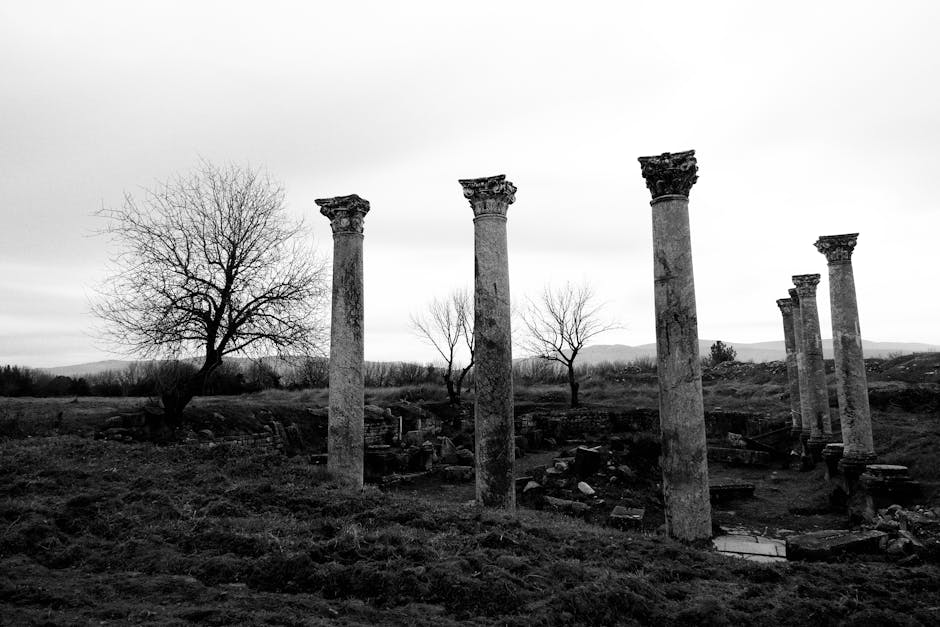
Top 10 Forgotten Civilizations You Should Know

Top 10 Forgotten Civilizations You Should Know

⏱️ 7 min read

Throughout human history, countless civilizations have risen to prominence, leaving indelible marks on culture, technology, and society before fading into obscurity. While names like Rome, Egypt, and Greece dominate historical discourse, numerous other sophisticated societies have been largely forgotten despite their remarkable achievements. These civilizations developed complex social structures, innovative technologies, and rich cultural traditions that deserve recognition and study.

Ancient Civilizations Lost to Time

1. The Aksumite Empire of Northeast Africa

Flourishing between the 1st and 7th centuries CE in what is now Ethiopia and Eritrea, the Aksumite Empire was a major trading power that connected the Roman Empire with India and beyond. This civilization developed its own written language, Ge'ez, and created distinctive architectural marvels including towering stone obelisks, some reaching over 100 feet in height. The Aksumites minted their own currency, making them one of only four major civilizations of the ancient world to do so. They were also among the first civilizations to officially adopt Christianity as a state religion in the 4th century. Despite controlling vital trade routes and possessing considerable military might, the Aksumite Empire gradually declined due to the rise of Islam, which redirected trade routes, and environmental degradation.

2. The Nabataean Kingdom and Petra's Architects

The Nabataeans were an Arab civilization that thrived from approximately the 4th century BCE to 106 CE in the regions of modern Jordan, southern Syria, and northwestern Saudi Arabia. Best known for their stunning capital city of Petra, carved directly into rose-colored sandstone cliffs, the Nabataeans were master hydraulic engineers who developed sophisticated water collection and storage systems that allowed them to prosper in the desert. They controlled crucial incense trade routes and accumulated vast wealth through trade taxation. Their unique blend of Arab, Greek, and Roman cultural influences produced distinctive art and architecture. The civilization was eventually absorbed into the Roman Empire, and their remarkable achievements were largely forgotten until Petra's rediscovery in the 19th century.

3. The Nok Culture of Ancient Nigeria

Dating from approximately 1500 BCE to 500 CE, the Nok culture represents one of Africa's earliest complex societies and ironworking civilizations. Located in present-day Nigeria, the Nok people are renowned for their sophisticated terracotta sculptures depicting human figures with elaborate hairstyles and ornate jewelry. These artistic achievements suggest a highly organized society with specialized craftspeople. The Nok were among the first sub-Saharan African civilizations to smelt iron, giving them significant technological advantages in agriculture and warfare. Despite their innovations, much about Nok social structure and the reasons for their decline remains mysterious, as they left no written records.

4. The Caral-Supe Civilization of Peru

Predating the Inca by over 4,000 years, the Caral-Supe civilization flourished in coastal Peru from approximately 3000 to 1800 BCE, making it the oldest known civilization in the Americas. This peaceful society built impressive pyramidal structures and developed complex urban planning without any evidence of warfare or defensive fortifications. The civilization supported a population of up to 20,000 people through sophisticated irrigation agriculture and fishing. Remarkably, they developed a system of quipu (knotted strings) for record-keeping long before writing systems emerged in the Americas. The civilization's eventual abandonment may have been caused by earthquakes and climate change, particularly drought conditions.

5. The Hittite Empire of Anatolia

Dominating Anatolia and parts of the Near East from approximately 1600 to 1178 BCE, the Hittite Empire rivaled Egypt in power and influence. The Hittites were pioneers in ironworking, giving them military superiority, and they developed one of the earliest known legal codes. They created a sophisticated diplomatic system, including the world's first recorded peace treaty with Egypt following the Battle of Kadesh. The Hittites used cuneiform writing and developed their own Indo-European language. Their civilization collapsed suddenly during the Bronze Age collapse, and they were almost completely forgotten until their rediscovery through archaeological excavations in the 19th century.

6. The Kingdom of Kush and Nubian Pharaohs

Located south of Egypt in present-day Sudan, the Kingdom of Kush existed from approximately 1070 BCE to 350 CE and even conquered and ruled Egypt as the 25th Dynasty. The Kushites built more pyramids than Egypt—over 200 compared to Egypt's 118—though they were smaller and steeper. They developed their own writing system called Meroitic, which remains partially undeciphered. Kush was a major producer of iron and gold, controlling valuable trade routes. The civilization featured powerful female rulers known as Kandakes, who wielded both political and military authority. Environmental changes and the rise of the Aksumite Empire contributed to Kush's eventual decline.

7. The Dilmun Civilization of the Arabian Gulf

Thriving from approximately 3000 to 600 BCE in what is now Bahrain and eastern Saudi Arabia, Dilmun served as a crucial trading hub linking Mesopotamia with the Indus Valley. Ancient Sumerian texts describe Dilmun as a paradise and important commercial partner. The civilization developed extensive burial mounds—over 170,000 tumuli dot the landscape—representing one of the largest ancient cemeteries in the world. Dilmun merchants traded copper, pearls, and precious stones, accumulating considerable wealth. They developed a unique writing system and religious practices that influenced neighboring civilizations. The civilization gradually declined as trade routes shifted and regional powers changed.

8. The Mycenaean Civilization of Bronze Age Greece

Predating classical Greece by nearly a millennium, the Mycenaean civilization flourished from approximately 1600 to 1100 BCE. These warrior-kings built massive fortress-palaces with sophisticated architecture including the famous Lion Gate at Mycenae. They developed Linear B, the earliest known form of Greek writing, used primarily for administrative record-keeping. The Mycenaeans were accomplished traders and warriors whose exploits may have inspired Homer's epic poems. Their civilization featured advanced bronze metallurgy, elaborate burial customs with gold death masks, and extensive trade networks throughout the Mediterranean. The civilization collapsed during the Bronze Age collapse, ushering in a "Dark Age" that erased much memory of their achievements.

9. The Tiwanaku Empire of the Andes

Centered near Lake Titicaca in present-day Bolivia, the Tiwanaku civilization flourished from approximately 300 to 1000 CE. This high-altitude civilization developed innovative agricultural techniques including raised-field systems that maximized productivity in challenging environments. They constructed monumental stone architecture, including the famous Gateway of the Sun adorned with intricate carvings. The Tiwanaku established extensive trade networks across South America and influenced cultures throughout the Andes region. Their sophisticated understanding of astronomy informed both their agricultural calendar and architectural alignments. Climate change, particularly severe droughts, likely contributed to the civilization's collapse.

10. The Indus Valley Civilization's Urban Planners

Though sometimes mentioned in historical contexts, the full sophistication of the Indus Valley Civilization (approximately 3300 to 1300 BCE) remains underappreciated. Spanning parts of modern Pakistan, India, and Afghanistan, this civilization featured remarkably advanced urban planning with grid-pattern streets, sophisticated drainage systems, and standardized brick sizes. Cities like Mohenjo-daro and Harappa housed tens of thousands of people with indoor plumbing and public baths. The civilization developed a still-undeciphered writing system and maintained extensive trade networks reaching Mesopotamia. Despite their achievements, the reasons for their decline remain debated, with theories including climate change, river course changes, and invasion.

Lessons from Lost Civilizations

These forgotten civilizations remind us that human achievement extends far beyond the famous empires traditionally taught in history classes. Each developed unique solutions to environmental challenges, created distinctive artistic and architectural traditions, and contributed to human knowledge and culture. Their stories demonstrate that civilization is fragile, susceptible to environmental changes, resource depletion, and shifting economic conditions. By studying these lost societies, we gain perspective on our own civilization's trajectory and the importance of sustainable practices, cultural preservation, and historical memory. These remarkable peoples deserve recognition not as footnotes but as significant chapters in humanity's shared story.