
⏱️ 5 min read
When most people think of Antarctica, they envision a frozen wasteland covered in thick ice sheets and snow. However, nestled within this icy continent lies one of Earth’s most extreme and fascinating deserts—the McMurdo Dry Valleys. This remarkable landscape challenges our conventional understanding of both deserts and Antarctica, offering scientists a unique window into extreme environments and even providing insights into potential life on other planets.
What Makes Antarctica’s Dry Valleys a True Desert
The McMurdo Dry Valleys, located in the Ross Dependency region of Antarctica, comprise approximately 4,800 square kilometers of ice-free terrain. Despite being situated on the coldest continent on Earth, these valleys meet the scientific definition of a desert due to their extremely low precipitation levels. The region receives less than 100 millimeters of precipitation annually, with some areas experiencing virtually no rainfall or snowfall for decades at a time.
What makes these valleys particularly extraordinary is their classification as a polar desert—one of the driest places on Earth. In fact, some portions of the Dry Valleys are so arid that they rival Chile’s Atacama Desert, often cited as the driest non-polar desert on the planet. The combination of extreme cold and minimal moisture creates conditions unlike anywhere else on our planet.
The Science Behind the Dryness
The exceptional aridity of the McMurdo Dry Valleys results from a unique meteorological phenomenon involving katabatic winds. These powerful, downslope winds can reach speeds exceeding 320 kilometers per hour, descending from the Antarctic ice sheets and sweeping through the valleys. As these winds move downward, they undergo adiabatic warming, which causes them to absorb moisture rather than deposit it.
The Transantarctic Mountains play a crucial role in creating this desert environment by blocking the flow of ice from the East Antarctic Ice Sheet. This geographical barrier prevents glaciers from advancing into the valleys and also shields the area from moisture-laden coastal weather systems. The result is a hyperarid environment where any snow that does fall quickly sublimates—transforming directly from solid to vapor without melting—due to the combination of low humidity and fierce winds.
A Landscape Frozen in Time
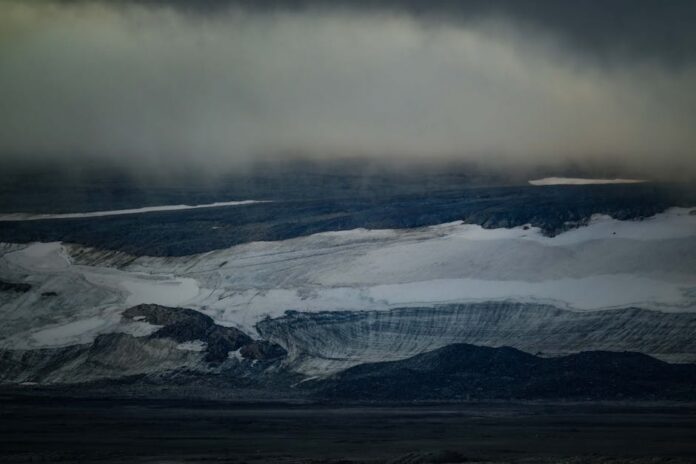
The terrain of the McMurdo Dry Valleys presents a stark, otherworldly appearance that has captivated researchers and explorers for over a century. The landscape features:
- Exposed rocky surfaces sculpted by wind erosion over millions of years
- Scattered patches of permafrost containing ancient ice deposits
- Frozen lakes covered with permanent ice, some several meters thick
- Wind-carved ventifacts—rocks shaped by sand-laden winds
- Salt deposits and mineral formations rarely seen in polar regions
Some areas within the valleys have remained ice-free for an estimated 14 million years, making them among the oldest continuously exposed surfaces on Earth. This extended exposure has allowed scientists to study geological processes and climate patterns spanning vast timescales.
Unexpected Life in an Extreme Environment
Despite the harsh conditions that would seem to prohibit biological activity, the McMurdo Dry Valleys harbor surprising microbial ecosystems. These extremophiles—organisms that thrive in extreme conditions—have adapted to survive with minimal water, intense ultraviolet radiation, and temperatures that would kill most life forms.
Scientists have discovered microbial communities living within rocks, beneath frozen lake surfaces, and in the sparse soil of the valleys. These organisms include bacteria, algae, fungi, and even some simple invertebrates like nematodes and tardigrades. These microscopic creatures enter states of suspended animation during the harshest conditions and become active during brief periods when liquid water becomes available.
Scientific Significance and Mars Research
The McMurdo Dry Valleys serve as one of Earth’s most valuable natural laboratories for astrobiology research. NASA and other space agencies consider this environment the closest terrestrial analog to Martian conditions. The combination of extreme cold, aridity, and UV radiation exposure closely mimics the Martian surface environment, making it an ideal testing ground for equipment and hypotheses about potential life on Mars.
Researchers use the Dry Valleys to test robotic equipment, study how life adapts to extreme conditions, and develop techniques for detecting biosignatures—chemical indicators of past or present life. The discovery of thriving microbial communities in such a seemingly inhospitable environment has expanded scientists’ understanding of where life might exist elsewhere in the solar system.
Climate Change Indicators
The McMurdo Dry Valleys also function as sensitive indicators of climate change. The region’s extreme environment means that even small temperature or precipitation changes can have dramatic effects on the ecosystem. Long-term monitoring stations in the valleys track variations in temperature, wind patterns, and the extent of frozen lakes.
Recent studies have documented changes in lake levels, glacier retreat in adjacent areas, and shifts in microbial community composition. These changes provide valuable data for understanding how polar regions respond to global climate variations and help scientists predict future trends in Antarctic environments.
Protection and Future Research
Recognizing the unique scientific value of the McMurdo Dry Valleys, the Antarctic Treaty System has designated the area as a specially managed region. Strict protocols govern research activities to minimize human impact and preserve the pristine nature of this extraordinary environment. Scientists must follow stringent decontamination procedures to prevent introducing foreign microorganisms that could disrupt the native ecosystems.
Ongoing research continues to reveal new insights about this remarkable desert, from discoveries of previously unknown microbial species to better understanding of how ancient climate patterns shaped the landscape. The McMurdo Dry Valleys remind us that Earth still holds surprising secrets and that even in the most extreme environments, nature finds ways to adapt and persist.