
⏱️ 7 min read
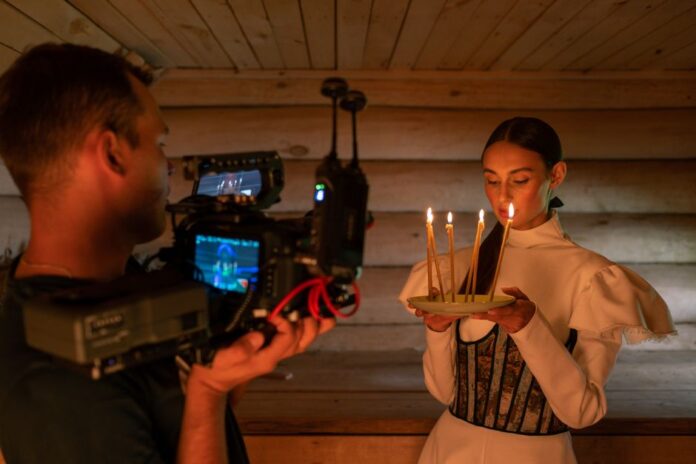
Hollywood magic often comes at a price, and the journey from script to screen is filled with unexpected challenges, hilarious mishaps, and jaw-dropping moments that never make it into the final cut. The stories that unfold behind the cameras are sometimes even more entertaining than what audiences see on screen. From method acting taken to extreme levels to on-set accidents that became legendary tales, these behind-the-scenes revelations offer a fascinating glimpse into the chaotic, creative, and sometimes downright bizarre world of filmmaking.
Unforgettable Moments from Hollywood’s Biggest Productions
1. The Wizard of Oz’s Toxic Snow Scene
The classic poppy field scene in “The Wizard of Oz” featured what appeared to be gentle snowflakes falling on Dorothy and her companions. However, this “snow” was actually industrial-grade asbestos. In the 1930s, the dangerous properties of asbestos weren’t widely known, and it was commonly used in Hollywood productions for creating realistic snow effects. The cast members, including Judy Garland, were literally breathing in toxic fibers during filming, a shocking reality that would horrify modern film safety coordinators.
2. The Shining’s Record-Breaking Door Scene
Jack Nicholson’s iconic “Here’s Johnny!” moment in “The Shining” required an astounding 60 doors to be destroyed during filming. Director Stanley Kubrick was notorious for demanding multiple takes, but there was another factor at play. Nicholson had previously worked as a volunteer firefighter, and he was too skilled at breaking through the doors with an axe. He demolished the first set of doors so quickly that they had to switch to sturdier ones to make the scene last long enough for the shot Kubrick envisioned.
3. The Alien Chestburster Shock
The legendary chestburster scene in “Alien” featured genuinely terrified reactions from the cast because director Ridley Scott deliberately kept them in the dark about what would happen. The actors knew something would emerge from John Hurt’s chest, but they had no idea about the intensity of the blood spray and gore that would erupt. The genuine shock and horror on their faces, particularly Veronica Cartwright’s reaction to being sprayed with blood, was completely authentic and unrehearsed.
4. Viggo Mortensen’s Broken Toe Scream
In “The Lord of the Rings: The Two Towers,” the scene where Aragorn kicks an orc helmet and screams in anguish holds a painful secret. Actor Viggo Mortensen actually broke two toes when his foot connected with the metal helmet. Rather than stopping the scene, Mortensen channeled his genuine pain into the performance, creating one of the most emotionally powerful moments in the trilogy. Director Peter Jackson was so impressed with the authentic reaction that he kept it in the final film.
5. The Silence of the Lambs’ Improvised Line
Anthony Hopkins’ chilling improvised hissing sound after his “fava beans and nice Chianti” line became one of cinema’s most disturbing moments, but it was never in the script. Hopkins added the serpentine sound spontaneously during filming, and it was so unsettling that it made Jodie Foster visibly uncomfortable. The genuine unease on her face is a real reaction to Hopkins’ unexpected improvisation, adding an extra layer of authenticity to their already intense scene together.
6. Jaws’ Malfunctioning Mechanical Shark
The mechanical shark in “Jaws,” nicknamed “Bruce” by the crew, was such a disaster that it fundamentally changed how Steven Spielberg directed the entire film. The shark constantly malfunctioned, sank, and refused to work in saltwater, forcing Spielberg to suggest the shark’s presence through POV shots, music, and brief glimpses. This limitation accidentally created far more suspense than showing the shark constantly would have, teaching a young Spielberg that sometimes what you don’t show is more terrifying than what you do.
7. Django Unchained’s Real Blood Moment
During the filming of “Django Unchained,” Leonardo DiCaprio accidentally smashed his hand on real glass during the intense dinner table scene, severely cutting his palm. Despite bleeding profusely, DiCaprio remained in character and continued the scene, even incorporating his real blood into his performance by smearing it on Kerry Washington’s face. Director Quentin Tarantino was so impressed by DiCaprio’s commitment that he used the take in the final film, though later shots used fake blood for safety reasons.
8. The Dark Knight’s Hospital Explosion Pause
The unforgettable hospital explosion scene in “The Dark Knight” featured a moment where the Joker pauses and looks confused when the explosion stops briefly. Many fans thought this was brilliant improvisation by Heath Ledger, but it was actually choreographed. However, Ledger’s subtle movements and timing while waiting for the next explosion sequence were his own choices, adding an extra layer of dark comedy to the already memorable sequence. The building was a real condemned structure, making the explosion a one-take-only opportunity.
9. Apocalypse Now’s Real Corpses Scandal
Francis Ford Coppola’s “Apocalypse Now” production became infamous when real human cadavers were discovered among the props. A set designer in the Philippines had purchased actual bodies from a grave robber, believing they would add authenticity to the film’s dark atmosphere. When authorities discovered this, it caused a massive scandal and investigation. The troubled production, which also included Martin Sheen’s heart attack and a typhoon destroying sets, became as legendary as the film itself.
10. Poltergeist’s Real Skeleton Props
In one of Hollywood’s most disturbing cost-cutting measures, the skeletons used in the swimming pool scene in “Poltergeist” were real human skeletons. At the time, it was actually cheaper to purchase real skeletons from medical supply companies than to have fake ones made. Actress JoBeth Williams was horrified when she later learned that she had been swimming with actual human remains. This revelation contributed to the urban legend about the “Poltergeist curse,” given the tragic deaths of several cast members.
11. Mad Max Fury Road’s Practical Effects Madness
George Miller’s “Mad Max: Fury Road” performed approximately 80% of its stunts practically, with real vehicles and real stunt performers. The film used 150 vehicles, all built from scratch, and many were actually destroyed during filming. The famous pole-cat performers were real acrobats swinging on actual poles attached to moving trucks in the desert. This commitment to practical effects in an era dominated by CGI resulted in a two-year editing process but created visceral action sequences that looked genuinely dangerous because they actually were.
12. The Revenant’s Extreme Filming Conditions
Director Alejandro González Iñárritu’s insistence on using only natural lighting for “The Revenant” meant the crew could only shoot for brief periods during specific times of day. The production chased weather patterns across three countries and required actors to eat raw bison liver and endure genuinely freezing conditions. Leonardo DiCaprio slept in animal carcasses and ate raw meat for authenticity. Several crew members quit due to the brutal conditions, but those who remained created one of the most visually stunning and physically demanding films in cinema history.
The Reality Behind the Magic
These twelve extraordinary stories reveal that filmmaking is far more unpredictable, dangerous, and bizarre than most audiences realize. From toxic materials and real human remains to broken bones and extreme weather, the dedication of cast and crew members often goes far beyond what their paychecks require. While modern safety standards have eliminated many of the hazardous practices of Hollywood’s earlier days, filmmakers continue to push boundaries and endure incredible challenges to bring their visions to life. These behind-the-scenes tales remind us that the magic of cinema comes not just from special effects and performances, but from the sometimes crazy, often dangerous, and always fascinating human effort that happens when the cameras stop rolling. The next time you watch these classic films, you’ll know that the real drama was happening both in front of and behind the camera.