


1 / 10 Questions
0 Points

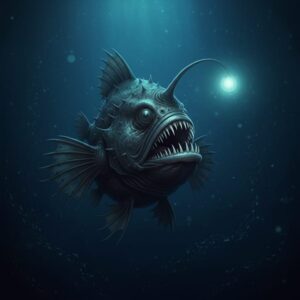
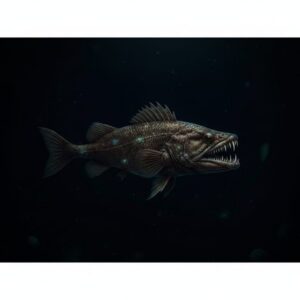
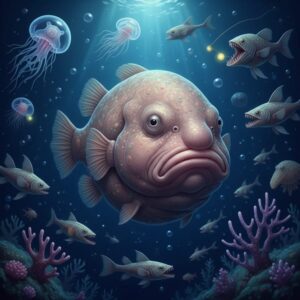
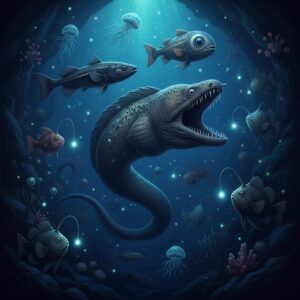
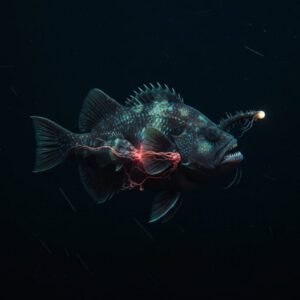
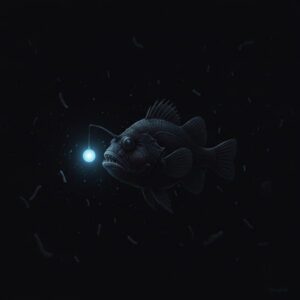
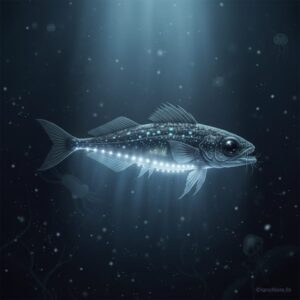
What deep-sea fish uses a bioluminescent lure dangling from its head to attract prey in total darkness?

Viperfish

Dragonfish

Hatchetfish

Anglerfish

Points won
0
Correct score
0%

More Questions

More Articles

Top 10 Horror Films That Redefined the Genre

Top 10 Horror Films That Redefined the Genre

⏱️ 6 min read

Horror cinema has undergone numerous transformations since its inception, with certain films serving as pivotal moments that forever changed how filmmakers approach fear and how audiences experience terror. These groundbreaking works didn't just scare viewers—they introduced innovative techniques, challenged conventions, and established new subgenres that continue to influence horror filmmaking today. From psychological dread to visceral terror, these ten films represent quantum leaps in the evolution of horror cinema.

The Films That Changed Everything

1. Psycho (1960) - The Birth of the Modern Slasher

Alfred Hitchcock's masterpiece shattered audience expectations and established conventions that would define horror for decades. By killing off the apparent protagonist halfway through the film, Hitchcock proved that no character was safe, creating unprecedented tension. The infamous shower scene became one of cinema's most iconic moments, demonstrating how effective editing, music, and suggestion could be more terrifying than explicit violence. The film's exploration of split personality and mommy issues introduced psychological complexity to horror villains, moving beyond simple monster archetypes. Its success proved that horror could be both critically acclaimed and commercially successful, legitimizing the genre in mainstream cinema.

2. Night of the Living Dead (1968) - Zombie Apocalypse Blueprint

George A. Romero's low-budget independent film created the modern zombie mythos from scratch. Before this film, zombies were merely voodoo-controlled servants; Romero transformed them into flesh-eating ghouls that represented a world-ending threat. The film's bleak social commentary, unconventional casting of an African American hero, and nihilistic ending challenged Hollywood norms. Its depiction of humanity's collapse under crisis and the idea that the living posed as much threat as the dead established templates that persist in zombie media today. The film proved that independent horror could achieve cultural impact without studio backing.

3. The Exorcist (1973) - Elevating Horror to High Art

William Friedkin's demonic possession tale brought unprecedented production values and serious dramatic performances to horror cinema. The film's realistic approach to the supernatural, grounding otherworldly terror in a believable family drama, made the horror more impactful. Its controversial content—including the desecration of religious imagery and a child in extreme peril—pushed boundaries of what was acceptable in mainstream cinema. The Exorcist became the first horror film nominated for Best Picture at the Academy Awards, forever changing Hollywood's perception of the genre's artistic potential and commercial viability.

4. The Texas Chain Saw Massacre (1974) - Raw Brutality as Cinematic Art

Tobe Hooper's grimy, documentary-style nightmare revolutionized horror aesthetics with its gritty realism and relentless intensity. Despite containing relatively little actual gore, its implication and atmosphere created an overwhelming sense of dread. The film's depiction of a family of cannibals in rural America tapped into fears about the dark underbelly of the American heartland. Its guerrilla filmmaking style and visceral energy inspired countless imitators and established the template for the "survival horror" subgenre. The character of Leatherface became an icon, proving that horror villains didn't need supernatural powers to be terrifying.

5. Halloween (1978) - The Slasher Formula Perfected

John Carpenter's suburban nightmare crystallized the slasher film into its definitive form. The film's point-of-view shots from the killer's perspective, the use of a holiday setting, and the concept of the "final girl" established tropes that defined 1980s horror. Michael Myers, with his featureless mask and inexplicable evil, became the prototype for countless masked killers. Carpenter's minimalist synthesizer score proved that music could be as effective as visuals in creating terror. Made for just $300,000, its massive success demonstrated the profitability of low-budget horror and spawned an entire industry of slasher films.

6. The Shining (1980) - Psychological Horror as Cinematic Poetry

Stanley Kubrick's adaptation transformed Stephen King's haunted hotel story into a meditation on isolation, madness, and cyclical violence. The film's meticulous composition, innovative Steadicam work, and ambiguous narrative elevated horror cinematography to new heights. By leaving many elements unexplained and open to interpretation, Kubrick created a film that rewarded repeated viewing and analysis. The Overlook Hotel became a character itself, demonstrating how setting could drive psychological horror. Despite initial mixed reception, the film's influence on atmospheric, ambiguous horror cinema cannot be overstated.

7. A Nightmare on Elm Street (1984) - Blurring Reality and Dreams

Wes Craven's inventive slasher broke new ground by making sleep itself dangerous, creating inescapable horror. Freddy Krueger, with his personality and dark humor, transformed the horror villain from silent killer to theatrical performer. The film's surreal dream sequences allowed for creative visual effects and rule-breaking scenarios impossible in reality-based horror. Its exploration of parental sins and guilt added psychological depth to the slasher formula. The concept that dreams could kill introduced existential dread to teen horror, making the genre more philosophically complex.

8. The Blair Witch Project (1999) - Found Footage Revolution

This micro-budget phenomenon pioneered modern found footage horror and demonstrated the power of viral marketing. By presenting fictional events as real documentary footage and blurring the lines between reality and fiction, the filmmakers created unprecedented immersion. The film's minimalist approach—showing almost nothing while suggesting everything—proved that imagination and atmosphere could be more effective than special effects. Its success inspired a wave of found footage films and changed how independent horror could be produced and marketed in the digital age.

9. The Sixth Sense (1999) - Twist Endings and Emotional Horror

M. Night Shyamalan's ghost story elevated horror through emotional depth and masterful narrative construction. The film demonstrated that horror could be poignant and tear-jerking while still delivering genuine scares. Its twist ending, which recontextualized everything that came before, set a new standard for horror storytelling and spawned countless imitators. By treating ghosts with empathy rather than pure terror, the film expanded horror's emotional palette. Its mainstream success and multiple Oscar nominations further legitimized horror as serious cinema.

10. Get Out (2017) - Social Commentary as Horror

Jordan Peele's directorial debut demonstrated how horror could directly address contemporary social issues while remaining genuinely frightening. The film's exploration of systemic racism through a genre lens brought new audiences to horror while challenging the genre's conventions. Its blend of humor, suspense, and biting satire created a unique tonal balance that influenced a wave of socially conscious horror films. Get Out's success—both critically and commercially, including a Best Picture nomination and Peele's Best Original Screenplay win—proved that horror could be both entertaining and intellectually substantive, leading to a renaissance of elevated horror cinema.

The Lasting Impact

These ten films represent more than just excellent horror cinema—they are pivot points that redirected the entire genre's trajectory. Each introduced innovations in technique, storytelling, or theme that expanded what horror could achieve and express. From Hitchcock's psychological complexity to Peele's social commentary, these filmmakers proved that horror could be a vehicle for artistic expression, cultural critique, and cinematic innovation. Their influence extends far beyond horror, affecting mainstream cinema's approach to suspense, violence, and narrative structure. Contemporary horror filmmakers continue to build upon the foundations these films established, ensuring their legacy endures in every new generation of scary movies.
Top 10 Oldest Living Things on Earth

Top 10 Oldest Living Things on Earth

⏱️ 7 min read

The natural world contains living organisms that have survived for thousands of years, witnessing the rise and fall of civilizations, dramatic climate shifts, and the transformation of entire landscapes. These ancient life forms represent nature's most resilient survivors, continuing to grow and thrive despite centuries of environmental challenges. From individual organisms to vast colonial systems, these ancient beings offer remarkable insights into longevity, adaptation, and the enduring power of life on Earth.

Ancient Survivors That Continue to Thrive

1. Pando: The Trembling Giant Clone Colony

In the Fishlake National Forest of Utah stands Pando, a massive clonal colony of quaking aspen trees that shares a single root system. This remarkable organism spans 106 acres and consists of approximately 47,000 genetically identical stems. Scientists estimate Pando to be around 80,000 years old, making it potentially the oldest living organism on Earth. Weighing approximately 6,000 metric tons, it is also among the heaviest known organisms. The name "Pando" derives from Latin, meaning "I spread," which perfectly describes how this colony has expanded through root propagation over millennia. Despite its ancient origins, Pando faces modern threats from grazing animals and human development that prevent new stems from maturing.

2. Methuselah: The Ancient Bristlecone Pine

Hidden somewhere in California's White Mountains grows Methuselah, a Great Basin bristlecone pine tree that has endured for 4,853 years. This individual tree began its life around 2831 BCE, making it older than the Egyptian pyramids. The exact location is kept secret by the U.S. Forest Service to protect it from vandalism. Bristlecone pines thrive in harsh, high-altitude environments where few other species can survive, growing incredibly slowly in the nutrient-poor dolomite soil. Their dense, resinous wood is highly resistant to insects, fungi, and rot, contributing to their extraordinary longevity. These trees can continue living even when most of their trunk is dead, surviving on a thin strip of living bark.

3. The Gran Abuelo Alerce Tree of Chile

Deep within Chile's Alerce Costero National Park stands the Gran Abuelo, or "Great Grandfather," a Patagonian cypress estimated to be over 5,400 years old according to recent research. This towering giant measures 60 meters tall and 4 meters in diameter. The Patagonian cypress, locally known as alerce, can live for millennia in the cool, wet climate of southern Chile and Argentina. The Gran Abuelo's age was determined through a combination of tree ring counting and statistical modeling, as extracting a complete core sample would damage the tree. This ancient giant has survived numerous earthquakes, volcanic eruptions, and climate fluctuations throughout its existence.

4. Seagrass Meadows of the Mediterranean

Beneath the azure waters of the Mediterranean Sea lies an organism that has been growing for approximately 100,000 years. Posidonia oceanica, a species of seagrass, forms vast underwater meadows through clonal growth. The most ancient known colony stretches for nearly 10 miles near the Spanish island of Formentera. These seagrass meadows grow extremely slowly, expanding only about one centimeter per year. They provide critical habitat for marine life, produce oxygen, and help stabilize the seafloor. The meadows have persisted through ice ages and dramatic sea level changes, adapting to shifting environmental conditions over tens of thousands of years.

5. The Jurupa Oak of California

In the Jurupa Mountains of California, a Palmer's oak colony has been surviving through clonal reproduction for an estimated 13,000 years. This ancient plant has endured since the last Ice Age by repeatedly regenerating from its root crown after wildfires and droughts kill its above-ground stems. The colony consists of about 70 clusters of stems connected by a shared root system spanning roughly 25 feet in diameter. Unlike trees that grow continuously upward, this scrub oak remains relatively small, with individual stems rarely exceeding a few feet in height. Its survival strategy relies on persistence rather than size, allowing it to outlive countless generations of much larger trees.

6. Antarctic Glass Sponge Colonies

In the frigid depths of the Southern Ocean surrounding Antarctica, enormous glass sponges have been growing for thousands of years. Some specimens are estimated to be over 10,000 years old, with the oldest potentially reaching 15,000 years. These sponges grow incredibly slowly in the cold Antarctic waters, adding only millimeters to their size each year. Their silica-based skeletal structures create intricate glass-like frameworks that can reach massive proportions. The extreme cold and stable conditions of Antarctic waters contribute to their longevity, as the environment experiences minimal seasonal variation and slow metabolic rates extend their lifespan considerably.

7. Ancient Stromatolites of Western Australia

Stromatolites in Shark Bay, Western Australia, represent living connections to Earth's earliest life forms. While the structures themselves can be thousands of years old, the communities of cyanobacteria creating them are descendants of organisms that first appeared 3.5 billion years ago. Modern stromatolites grow through the accumulation of sediments trapped by microbial mats, building layered structures at rates of less than a millimeter per year. Some individual stromatolite formations in Shark Bay are estimated to be 2,000 to 3,000 years old. These living fossils provide scientists with insights into how early life transformed Earth's atmosphere by producing oxygen through photosynthesis.

8. The Old Tjikko Norway Spruce

On Fulufjället Mountain in Sweden grows Old Tjikko, a Norway spruce with a root system that has been alive for 9,565 years. While the visible tree trunk is relatively young at a few hundred years old, the root system beneath has been continuously regenerating new trunks since the end of the last Ice Age. This clonal regeneration allowed the organism to survive harsh Ice Age conditions when the tree existed as a stunted shrub. As the climate warmed, the root system began producing the full-sized tree trunk visible today. Old Tjikko demonstrates how some organisms achieve longevity not through a single persistent structure but through continuous renewal of connected parts.

9. Ancient Box Huckleberry Colony

In the forests of Pennsylvania, a box huckleberry colony has been slowly expanding for an estimated 13,000 years. This low-growing shrub spreads through underground rhizomes, creating a circular colony that now spans several acres. The plant expands outward at a rate of approximately six inches per century, making it one of the slowest-growing organisms known. Scientists determined its age by measuring the colony's diameter and calculating backward based on its growth rate. The colony has survived countless environmental changes, including the transformation of the landscape from post-glacial tundra to temperate forest, by maintaining its slow but steady expansion strategy.

10. Welwitschia Mirabilis of the Namib Desert

In the ancient Namib Desert of Namibia and Angola lives Welwitschia mirabilis, a bizarre plant species with individuals known to exceed 2,000 years of age. These strange plants produce only two leaves throughout their entire lifetime, which continuously grow from the base while the ends weather away into tattered ribbons. The largest specimens have leaves that can reach lengths of several meters, sprawling across the desert floor. Welwitschia survives in one of Earth's oldest and driest deserts by capturing moisture from coastal fog and developing an extensive root system. Carbon dating of the largest individuals suggests some may be as old as 3,000 years, having endured millennia of extreme desert conditions.

Lessons from Earth's Most Enduring Organisms

These ten ancient living organisms demonstrate the remarkable diversity of survival strategies that enable extraordinary longevity. From clonal colonies that spread underground to individual trees growing in harsh mountaintop environments, each has adapted uniquely to its environment. Many of these ancient organisms thrive in extreme or stable conditions where competition is limited and environmental change occurs slowly. Their continued existence provides invaluable opportunities for scientific research into aging, climate change, and ecosystem dynamics. Protecting these ancient organisms requires dedicated conservation efforts, as many face unprecedented threats from human activities and rapid environmental change. These living monuments to resilience remind us that life, when given the right conditions and protection, can endure far longer than human civilizations, connecting us to Earth's deep biological history.