









1 / 10 Questions
0 Points

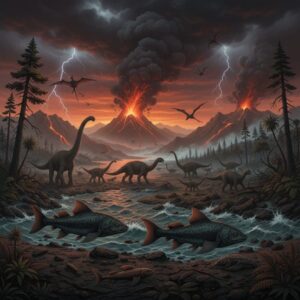
Which ancient crustacean has existed for over 300 million years and can produce eggs that remain dormant for decades?

Copepods

Tadpole shrimp

Krill

Amphipods

Points won
0
Correct score
0%

More Questions

More Articles

Top 10 Longest-Running TV Series in History

Top 10 Longest-Running TV Series in History

⏱️ 6 min read

Television has produced some remarkable programs that have stood the test of time, entertaining audiences across multiple generations. These enduring series have become cultural institutions, maintaining viewer loyalty through decades of broadcast. From daily news programs to beloved soap operas and animated favorites, the longest-running television shows demonstrate the power of consistent storytelling and audience connection. Here are ten of the most enduring television series in broadcasting history.

The Titans of Television Longevity

1. Meet the Press: America's Longest-Running Television Program

Premiering in 1947, "Meet the Press" holds the Guinness World Record as the longest-running television program in history. This Sunday morning news and interview show has been a staple of American political discourse for over seven decades. Created by Martha Rountree and Lawrence Spivak, the program has featured countless interviews with presidents, world leaders, and influential figures. Its format of pressing newsmakers with tough questions from a panel of journalists has remained remarkably consistent throughout its run on NBC. The show has adapted to changing times while maintaining its core mission of informing the public about pressing political issues, making it an invaluable part of American broadcast journalism.

2. Guiding Light: The Soap Opera That Spanned Generations

Originally beginning as a radio program in 1937, "Guiding Light" transitioned to television in 1952 and continued until 2009, making it the longest-running dramatic series in broadcasting history. For 72 years total, this soap opera followed the lives of families in the fictional town of Springfield. The show aired an astounding 18,262 episodes during its television run alone, captivating audiences with romantic entanglements, family drama, and evolving storylines that reflected changing American values. Multiple generations of families watched together, creating a unique shared viewing experience that helped define the soap opera genre.

3. The Tonight Show: Late-Night Television's Enduring Institution

Since its debut in 1954, "The Tonight Show" has been the gold standard of late-night television entertainment. Through various hosts including Steve Allen, Jack Paar, Johnny Carson, Jay Leno, Conan O'Brien, and Jimmy Fallon, the program has maintained its position as a cultural touchstone. The show's format of celebrity interviews, comedy sketches, and musical performances has influenced countless imitators. Its longevity stems from its ability to reinvent itself with each new host while maintaining the essential elements that made it successful. The Tonight Show has launched careers, created memorable moments, and provided a platform for national conversation for nearly 70 years.

4. The Simpsons: Animation's Unprecedented Achievement

Premiering in 1989, "The Simpsons" has become the longest-running American sitcom and animated series in television history. With over 750 episodes across more than 35 seasons, the show about the yellow-skinned Simpson family from Springfield has transcended its animated format to become a cultural phenomenon. The series has won numerous Emmy Awards and influenced countless other programs. Its sharp social commentary, memorable characters, and ability to remain relevant across changing cultural landscapes have kept it on air far longer than anyone initially anticipated. The show's impact on popular culture, from catchphrases to merchandising, remains immeasurable.

5. Panorama: British Broadcasting's Documentary Pioneer

The BBC's "Panorama" has been investigating current affairs and producing documentary journalism since 1953, making it one of the world's longest-running public affairs television programs. This flagship documentary series has covered major world events, political scandals, and social issues for seven decades. Known for its hard-hitting investigative journalism, "Panorama" has won numerous awards and broken significant stories that shaped public discourse. Its commitment to serious journalism and in-depth reporting has made it a trusted source of information for British audiences and a model for documentary programming worldwide.

6. Days of Our Lives: The Hourglass That Never Stops

Since 1965, "Days of Our Lives" has opened with its iconic hourglass and the phrase "Like sands through the hourglass, so are the days of our lives." This NBC soap opera has aired continuously for nearly 60 years, producing over 14,000 episodes. Set in the fictional Midwestern town of Salem, the show follows the lives, loves, and dramas of several core families. Known for its dramatic storylines involving everything from romance to international espionage, "Days of Our Lives" has maintained a devoted fan base through decades of television evolution, demonstrating the enduring appeal of daytime drama.

7. 60 Minutes: The Newsmagazine That Set the Standard

Launched in 1968, "60 Minutes" revolutionized television journalism by creating the newsmagazine format. For over 55 years, the show's ticking stopwatch has introduced hard-hitting investigative reports, interviews, and feature stories. As the most successful broadcast in U.S. television history, "60 Minutes" has consistently ranked among the top programs in ratings. Its correspondents have become household names, and its stories have exposed corruption, celebrated achievement, and informed millions of viewers. The program's multiple Emmy Awards and its influence on broadcast journalism cannot be overstated.

8. General Hospital: Daytime Television's Medical Drama Legacy

ABC's "General Hospital" premiered in 1963 and has become the longest-running American soap opera still in production. Set in the fictional town of Port Charles, New York, the show centers around the staff and patients of General Hospital and the surrounding community. With over 15,000 episodes aired, the program has created iconic characters and storylines that became cultural phenomena, including the record-breaking wedding of Luke and Laura in 1981, which attracted 30 million viewers. The show has won multiple Daytime Emmy Awards and continues to attract loyal viewers across generations.

9. Doctor Who: Science Fiction's Time-Traveling Phenomenon

The British science fiction series "Doctor Who" first aired in 1963 and, despite a hiatus from 1989 to 2005, remains one of the longest-running science fiction programs in television history. The show's clever device of regeneration allows the main character, the Doctor, to transform into a new actor, ensuring continuity while refreshing the series. With over 850 episodes across classic and modern eras, "Doctor Who" has built a massive global following. Its influence on science fiction television and popular culture extends far beyond its British origins, creating a franchise that includes spin-offs, movies, and countless tie-in products.

10. Law & Order: Procedural Drama's Defining Series

From its premiere in 1990 until 2010, and then revived in 2022, "Law & Order" created a blueprint for police procedural dramas that countless shows have followed. Its distinctive two-part format, showing both the police investigation and courtroom prosecution, became a television staple. The original series produced 456 episodes over 20 seasons in its initial run, making it one of the longest-running primetime dramas. The franchise it spawned, including "Special Victims Unit" and "Criminal Intent," has made "Law & Order" a television institution, with the characteristic "dun-dun" sound effect becoming instantly recognizable worldwide.

The Legacy of Longevity

These ten television series represent more than just longevity; they embody the evolution of television as a medium and its profound impact on society. From news programs that shaped political discourse to soap operas that provided daily companionship, from late-night shows that defined comedy to procedurals that reflected our justice system, these programs have become woven into the fabric of popular culture. Their success demonstrates that quality content, adaptability, and understanding audience needs can create television that endures across generations. As the television landscape continues to evolve with streaming services and changing viewing habits, these long-running series stand as testaments to the enduring power of compelling storytelling and the special relationship between television programs and their audiences.

20 Fascinating Facts About the Marvel Cinematic Universe

20 Fascinating Facts About the Marvel Cinematic Universe

⏱️ 8 min read

The Marvel Cinematic Universe has revolutionized modern cinema since its inception in 2008, creating an interconnected web of stories that spans over a decade and billions of dollars in box office revenue. Behind the scenes of Earth's Mightiest Heroes lie countless intriguing stories, creative decisions, and unexpected twists that shaped the franchise into the cultural phenomenon it has become. From casting choices that nearly went differently to improvised moments that became iconic, the MCU's journey to the top is filled with remarkable details that even devoted fans might not know.

Behind-the-Scenes Secrets and Production Trivia

Robert Downey Jr. Hid Food Around the Set

During the filming of "The Avengers," Robert Downey Jr. had a habit of hiding food around the set and eating it during scenes. The moment in the film where Tony Stark offers Bruce Banner blueberries wasn't scripted—it was simply RDJ pulling out his hidden snacks. The crew eventually gave up trying to find all his food stashes, and some of these spontaneous eating moments made it into the final cut, adding to Tony Stark's quirky personality.

Tom Holland's Spider-Man Audition Involved a Flip

Tom Holland proved he was perfect for Spider-Man by performing a gymnastics routine during his audition. His athletic background gave him an edge over thousands of other actors. Holland did a standing backflip in the casting office, convincing the directors that he could handle the physical demands of the role without relying entirely on stunt doubles or CGI.

The Shawarma Scene Was Filmed After the Premiere

The iconic post-credits scene in "The Avengers" where the team silently eats shawarma was actually shot after the world premiere. The scene was added so last-minute that Chris Evans had grown a beard for another role and had to wear a prosthetic to cover his face. This spontaneous addition became one of the most memorable and meme-worthy moments in MCU history.

Groot's Vocabulary Required Extensive Voice Work

Vin Diesel recorded the line "I am Groot" over a thousand times in multiple languages for the "Guardians of the Galaxy" films. Despite the character only speaking three words throughout the movies, Diesel delivered each variation with different emotional inflections to match the intended meaning, whether Groot was being funny, angry, sad, or heroic.

Casting Decisions That Nearly Changed Everything

Emily Blunt Almost Became Black Widow

Before Scarlett Johansson was cast as Natasha Romanoff, Emily Blunt was offered the role but had to turn it down due to scheduling conflicts with "Gulliver's Travels." Blunt has since expressed regret about missing the opportunity, though Johansson's portrayal became definitive and spanned nine films across the MCU's history.

Doctor Strange Was Considered for Multiple A-List Stars

Before Benedict Cumberbatch was cast, Marvel considered several other actors for Doctor Strange, including Jared Leto, Ethan Hawke, and Jake Gyllenhaal. Interestingly, Gyllenhaal later joined the MCU as Mysterio in "Spider-Man: Far From Home," proving that timing and the right role matter more than initial considerations.

Creative Choices and Directorial Freedom

The First Iron Man Script Was Largely Improvised

Much of the dialogue in the original "Iron Man" film was improvised by the cast, particularly Robert Downey Jr. Director Jon Favreau encouraged spontaneity, and many of Tony Stark's most memorable lines were created on the spot. The famous closing line "I am Iron Man" was a last-minute change from the scripted ending where Tony would have maintained his secret identity.

Taika Waititi Revolutionized Thor's Character

Director Taika Waititi convinced Marvel to transform Thor from a serious character into a more comedic one in "Thor: Ragnarok." This creative decision revitalized the Thor franchise, with Waititi encouraging improvisation and bringing a fresh, humorous tone that contrasted sharply with the darker previous installments. The approach was so successful that it influenced Thor's characterization in subsequent Avengers films.

Record-Breaking Achievements and Milestones

Avengers: Endgame Became the Highest-Grossing Film

After its release in 2019, "Avengers: Endgame" surpassed "Avatar" to become the highest-grossing film of all time, earning nearly $2.8 billion worldwide. The film required a brief re-release with additional footage to claim the record, demonstrating the unprecedented fan dedication and cultural impact of the MCU's culminating chapter.

Black Panther's Historic Oscar Nominations

In 2019, "Black Panther" became the first superhero film nominated for Best Picture at the Academy Awards, earning seven nominations total and winning three for Best Original Score, Best Costume Design, and Best Production Design. This achievement elevated the perception of superhero films in the eyes of critics and the Academy, proving comic book adaptations could deliver artistic excellence alongside commercial success.

Easter Eggs and Interconnected Details

Stan Lee's Cameos Were Filmed in Bulk

Before his passing in 2018, Stan Lee filmed several cameo appearances in advance to ensure his presence would continue in future MCU films. These beloved cameo appearances became a tradition that fans looked forward to in every Marvel movie, with the theory that Lee was portraying a Watcher informant adding extra meaning to his roles.

The Infinity Stones Appeared Before Anyone Noticed

Marvel planted the Infinity Stones throughout Phase One and Two films long before revealing their significance. The Tesseract appeared in "Captain America: The First Avenger" and "The Avengers," while the Aether in "Thor: The Dark World" and the Orb in "Guardians of the Galaxy" were all part of a master plan that wouldn't be fully revealed until "Avengers: Infinity War."

Technical Innovations and Special Effects

Creating Thanos Required Groundbreaking Motion Capture

Josh Brolin's performance as Thanos utilized advanced motion capture technology that represented a significant leap forward in CGI characters. The level of detail in Thanos's facial expressions and emotions set a new standard for digital antagonists, making the character feel genuinely threatening and nuanced rather than simply a computer-generated villain.

The Quantum Realm's Visual Design Drew from Scientific Imagery

The visual effects team behind "Ant-Man" consulted with quantum physicists and used electron microscope imagery as inspiration for the Quantum Realm sequences. This attention to scientific accuracy, while still maintaining creative freedom, helped ground the fantastical elements in a sense of plausible reality that enhanced the viewing experience.

Actor Preparations and Method Approaches

Chris Hemsworth's Extreme Physical Transformation

To portray Thor, Chris Hemsworth underwent intense physical training and gained over 20 pounds of muscle. For "Avengers: Endgame," he wore a prosthetic suit weighing approximately 90 pounds to portray "Fat Thor," demonstrating his commitment to the character's physical and emotional journey regardless of how it affected his typically heroic appearance.

Scarlett Johansson Trained in Real Combat Techniques

Scarlett Johansson spent months training in various martial arts, including judo, kickboxing, and gymnastics, to portray Black Widow authentically. She performed many of her own stunts throughout her nine-film run, insisting on doing as much action work as possible to maintain the character's physical credibility and fluid fighting style.

Financial and Business Strategy

Marvel's Risky Financial Gamble on Iron Man

Marvel Studios mortgaged the film rights to several characters, including Captain America and Thor, to secure financing for "Iron Man." This enormous financial risk could have bankrupted the company if the film failed, but its success launched the entire MCU and made Marvel one of the most valuable entertainment properties in the world.

The Disney Acquisition Changed Everything

Disney's purchase of Marvel Entertainment for $4 billion in 2009 initially raised concerns among fans but provided the financial backing necessary for the ambitious interconnected universe. This acquisition proved to be one of Disney's most profitable investments, with the MCU generating over $28 billion in global box office revenue and countless additional billions in merchandise and streaming content.

Cultural Impact and Legacy

The MCU's Influence on Franchise Filmmaking

The success of Marvel's interconnected universe model fundamentally changed how studios approach franchise filmmaking. Major studios attempted to replicate this strategy with varying success, from DC's Extended Universe to Universal's failed Dark Universe, proving that the MCU's achievement required more than simply connecting films—it demanded careful planning, consistent quality, and respect for source material.

Marvel's Commitment to Diverse Representation

The MCU's evolution has increasingly embraced diversity both on-screen and behind the camera. "Black Panther" featured a predominantly Black cast and crew, "Captain Marvel" was the franchise's first female-led film, and "Shang-Chi and the Legend of the Ten Rings" centered on an Asian superhero. This progression reflects changing audience expectations and Marvel's recognition that superhero stories can and should represent the diversity of their global fanbase.

The Marvel Cinematic Universe's success stems from a combination of creative risk-taking, strategic planning, talented performers, and innovative storytelling. These twenty facts represent just a fraction of the fascinating details behind one of cinema's greatest achievements. From improvised moments that became iconic to carefully planned narrative threads spanning dozens of films, the MCU continues to set the standard for blockbuster entertainment. As the franchise moves forward into new phases and introduces new heroes, the foundation built by these remarkable decisions and circumstances ensures that Marvel's cinematic legacy will endure for generations of fans to come.