








⏱️ 6 min read
Our planet showcases extraordinary geological formations, breathtaking landscapes, and awe-inspiring natural phenomena that have captivated humanity for millennia. These remarkable sites represent the raw power and beauty of natural forces that have shaped Earth over millions of years. From cascading waterfalls to vast coral ecosystems, these wonders demonstrate nature's ability to create spectacles that transcend human imagination and serve as reminders of our planet's dynamic history.
Magnificent Natural Formations That Define Our Planet
1. The Grand Canyon's Mile-Deep Gorge
Carved by the Colorado River over approximately six million years, the Grand Canyon in Arizona stands as one of Earth's most spectacular geological features. Stretching 277 miles in length, up to 18 miles in width, and plunging more than a mile deep, this immense chasm reveals nearly two billion years of geological history through its stratified rock layers. The canyon's distinctive coloration shifts throughout the day as sunlight illuminates different mineral compositions within the exposed rock faces. Geologists consider it an invaluable natural laboratory, offering insights into tectonic activity, erosion patterns, and ancient climate conditions that shaped the North American continent.
2. The Great Barrier Reef's Living Ecosystem
Off the coast of Queensland, Australia, the Great Barrier Reef comprises the world's largest coral reef system, extending over 1,400 miles and encompassing approximately 2,900 individual reefs and 900 islands. Visible from space, this living structure supports an extraordinary biodiversity, hosting over 1,500 fish species, 400 coral species, and countless other marine organisms. Built by billions of tiny coral polyps over millions of years, the reef represents one of the most complex ecosystems on Earth. However, rising ocean temperatures and acidification pose significant threats to this irreplaceable natural wonder, making its preservation a critical global priority.
3. Victoria Falls' Thundering Waters
Situated on the border between Zambia and Zimbabwe, Victoria Falls ranks among the world's largest waterfalls by combined width and height. The Zambezi River plummets 355 feet over a width of 5,604 feet, creating a spectacular curtain of water that generates mist visible from 30 miles away. Local inhabitants named it "Mosi-oa-Tunya," meaning "The Smoke That Thunders," perfectly capturing the falls' powerful presence. During peak flow periods, more than 500 million liters of water cascade over the edge each minute, producing a deafening roar and perpetual rainbows that dance through the rising spray.
4. Mount Everest's Towering Summit
Rising 29,032 feet above sea level, Mount Everest claims the title of Earth's highest mountain above sea level. Located in the Himalayan range along the border between Nepal and Tibet, this majestic peak continues to grow approximately 4 millimeters annually due to ongoing tectonic plate collisions. Known as "Sagarmatha" in Nepali and "Chomolungma" in Tibetan, the mountain presents extreme challenges to climbers, including oxygen-depleted air, hurricane-force winds, and temperatures plummeting below negative 80 degrees Fahrenheit. Despite these harsh conditions, Everest attracts hundreds of mountaineers annually, drawn by the ultimate alpine challenge.
5. The Northern Lights' Celestial Display
The Aurora Borealis, commonly known as the Northern Lights, creates one of nature's most mesmerizing atmospheric phenomena across Arctic and sub-Arctic regions. These luminous curtains of green, purple, pink, and red light result from charged particles from the sun colliding with gases in Earth's atmosphere. The interactions between solar wind and Earth's magnetic field channel these particles toward the poles, where they create spectacular light shows that dance across the night sky. Indigenous peoples throughout the Arctic have incorporated these lights into their mythologies and cultural traditions for thousands of years.
6. Paricutin Volcano's Sudden Birth
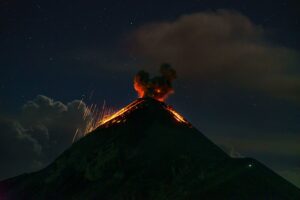
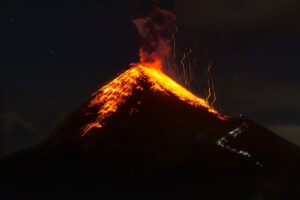
In 1943, a Mexican farmer witnessed an extraordinary event when a volcano suddenly emerged in his cornfield near the village of Paricutin. This cinder cone volcano grew to 1,391 feet within one year, providing scientists with an unprecedented opportunity to study volcanic formation from inception. Paricutin remained active for nine years, eventually burying two towns under lava and ash while creating a dramatic landscape of hardened lava flows and volcanic deposits. As the youngest volcano in the Western Hemisphere, it offers unique insights into volcanic processes and serves as a powerful reminder of Earth's dynamic nature.
7. The Harbor of Rio de Janeiro's Coastal Splendor
Guanabara Bay in Rio de Janeiro, Brazil, presents a stunning natural harbor surrounded by distinctive granite peaks, including the iconic Sugarloaf Mountain and Corcovado. This magnificent bay spans 19 miles of coastline and covers approximately 156 square miles, created by coastal erosion and rising sea levels following the last ice age. The dramatic topography results from ancient volcanic activity and subsequent erosion that sculpted the unique formations defining Rio's landscape. Portuguese explorers who discovered the bay in 1502 mistakenly believed it to be a river mouth, hence naming it "Rio de Janeiro" or "River of January."
8. The Great Blue Hole's Underwater Cathedral
Off the coast of Belize lies the Great Blue Hole, a massive marine sinkhole measuring 984 feet across and 407 feet deep. This perfectly circular formation appears as a dark blue void against the lighter turquoise waters of the surrounding shallow lagoon. Formed during ice age periods when sea levels were much lower, the cave system was subsequently flooded as glaciers melted and ocean levels rose. The site attracts divers worldwide who explore its underwater stalactites, limestone formations, and diverse marine life, including reef sharks and giant groupers.
9. Iguazu Falls' Cascading Crescents
Straddling the border between Argentina and Brazil, Iguazu Falls comprises 275 individual waterfalls spanning nearly two miles. The most impressive section, known as Devil's Throat, features a U-shaped chasm where 14 falls converge, creating a thunderous spectacle that produces constant mist and rainbows. The Iguazu River carries approximately 1,750 cubic meters of water per second over these falls, though flow rates vary significantly between wet and dry seasons. Surrounded by subtropical rainforest teeming with biodiversity, the falls create a unique ecosystem supporting numerous endemic species.
10. The Dead Sea's Hypersaline Waters
Situated at 1,410 feet below sea level, the Dead Sea represents Earth's lowest land elevation. This hypersaline lake, bordered by Jordan, Israel, and Palestine, contains salt concentrations approaching 34 percent, nearly ten times saltier than ocean water. This extreme salinity prevents most aquatic life from surviving while creating the famous buoyancy that allows swimmers to float effortlessly on its surface. The mineral-rich mud and waters have attracted visitors seeking therapeutic benefits for millennia. However, the Dead Sea has been shrinking at an alarming rate due to water diversion and mineral extraction, losing approximately one meter of depth annually.
Preserving Earth's Natural Heritage
These ten natural wonders represent merely a fraction of Earth's geological and biological marvels, yet they exemplify the extraordinary processes that have shaped our planet over billions of years. From volcanic eruptions and tectonic movements to erosion and atmospheric phenomena, these sites demonstrate the powerful forces continuously transforming our world. As climate change and human activity increasingly threaten these irreplaceable treasures, their preservation becomes essential not only for maintaining biodiversity and geological heritage but also for inspiring future generations to appreciate and protect the natural world. Each wonder tells a unique story of Earth's history while reminding us of our responsibility as stewards of this remarkable planet.