











1 / 10 Questions
0 Points

What type of rock floats on water?

Sandstone

Limestone

Granite

Pumice

Points won
0
Correct score
0%

More Questions

More Articles

10 Behind-the-Scenes Facts About Blockbusters

10 Behind-the-Scenes Facts About Blockbusters

⏱️ 6 min read

The magic of cinema extends far beyond what audiences see on the silver screen. Behind every blockbuster film lies a treasure trove of fascinating stories, unexpected challenges, and creative decisions that shaped the final product. From improvised lines that became iconic to on-set accidents that changed film history, these behind-the-scenes revelations offer a glimpse into the complex world of big-budget filmmaking. Here are ten remarkable facts that showcase the creativity, perseverance, and sometimes sheer luck that go into creating Hollywood's most memorable movies.

The Secrets Behind Hollywood's Biggest Films

1. The Improvised "I Know" That Defined Han Solo

One of the most beloved moments in "The Empire Strikes Back" was never in the script. When Princess Leia tells Han Solo "I love you" before he's frozen in carbonite, the screenplay called for him to respond with "I love you too." However, Harrison Ford felt this was out of character and improvised the now-iconic line "I know" during filming. Director Irvin Kershner loved the spontaneous response so much that he kept it in the final cut, cementing Han Solo's roguish personality and creating one of cinema's most memorable romantic exchanges.

2. Jaws' Mechanical Nightmare Became Its Greatest Asset

Steven Spielberg's "Jaws" faced catastrophic technical difficulties when the mechanical shark, nicknamed "Bruce," constantly malfunctioned due to saltwater corrosion. The shark worked so rarely that Spielberg was forced to suggest the shark's presence rather than show it directly, using techniques like the shark's point-of-view shots and John Williams' ominous score. This limitation, born from technical failure, actually heightened the film's suspense and terror. The decision to keep the shark off-screen for most of the movie became a masterclass in building tension and influenced countless thrillers that followed.

3. The Dark Knight's Hospital Explosion Surprise

During the filming of "The Dark Knight," Heath Ledger's reaction during the hospital explosion scene was partially genuine. The explosion was choreographed to pause briefly, during which Ledger would fumble with the detonator, before continuing. However, the pause was longer than expected due to a technical delay. Ledger stayed in character, continuing to press buttons on the detonator with increasing confusion and impatience, before the explosion resumed. Christopher Nolan kept this unscripted reaction in the film, as it perfectly captured the Joker's chaotic and unpredictable nature.

4. Alien's Chestburster Scene Shocked the Cast

Director Ridley Scott deliberately kept the cast of "Alien" in the dark about the full extent of the chestburster scene. While the actors knew something would emerge from John Hurt's chest, they weren't informed about the volume of blood and gore that would spray everywhere. The genuine shock, revulsion, and fear on Veronica Cartwright's and the other actors' faces are completely authentic. This decision created one of cinema's most memorable and disturbing moments, with reactions that no amount of acting could have replicated.

5. Lord of the Rings' Broken Toe Became a Perfect Take

In "The Lord of the Rings: The Two Towers," when Aragorn kicks an orc helmet in frustration, believing Merry and Pippin are dead, Viggo Mortensen actually broke two toes on impact. The anguished scream and collapse that followed were real pain, not acting. Director Peter Jackson decided the take was so powerful and genuine that he used it in the final film. Mortensen's dedication to staying in character despite the injury exemplifies the commitment actors bring to major productions.

6. The Shining's Door-Smashing Scene Required Real Carpentry Skills

The terrifying "Here's Johnny!" scene in "The Shining" had an unexpected complication. The doors used in the set were meant to be breakable props, but Jack Nicholson had previously worked as a volunteer firefighter and knew how to properly break through doors with an axe. He destroyed the fake doors too quickly, forcing the crew to replace them with real doors to create the prolonged tension Stanley Kubrick wanted. Nicholson's real-world skills inadvertently made the scene more authentic and terrifying.

7. Titanic's Spit Was Digitally Enhanced

In James Cameron's "Titanic," the scene where Rose asks Jack to teach her to spit like a man required digital intervention. Kate Winslet couldn't produce enough saliva for the dramatic spit that Cameron envisioned, so the director had the special effects team digitally enhance her spit in post-production. This minor detail showcases how even the smallest elements in blockbuster films often require technological assistance to achieve the director's vision.

8. Mad Max: Fury Road's Practical Effects Revolution

George Miller's "Mad Max: Fury Road" stood out in an age of CGI by performing approximately 80% of its stunts practically. The film employed real vehicles, actual explosions, and genuine stunt performers executing dangerous maneuvers in the Namibian desert. Miller used CGI primarily for safety enhancements, such as removing rigging and safety equipment, rather than creating entire sequences digitally. This commitment to practical effects took years of preparation and resulted in visceral action sequences that audiences could instinctively recognize as real.

9. The Matrix's Bullet Time Took Revolutionary Camera Work

The iconic bullet-time effect in "The Matrix" required a groundbreaking camera setup that had never been attempted in cinema before. The Wachowskis used 120 still cameras and two motion picture cameras arranged in a circle, each triggered in sequence to create the appearance of frozen time with a moving camera perspective. Each bullet-time shot required extensive pre-visualization and took significant time to set up, but the revolutionary technique changed action cinematography forever and has been referenced and parodied countless times since.

10. Jurassic Park's CGI and Animatronics Hybrid Approach

Steven Spielberg initially planned to use stop-motion animation for the dinosaurs in "Jurassic Park," but when he saw early CGI tests, he realized computer graphics could create more realistic creatures. However, rather than going fully digital, Spielberg wisely combined CGI with Stan Winston's animatronic dinosaurs. The T-Rex was primarily an animatronic creation, while the long shots and running sequences used CGI. This hybrid approach gave the dinosaurs tangible weight and presence, making "Jurassic Park" feel remarkably realistic even decades later, while films that relied solely on contemporary CGI have aged less gracefully.

The Art and Chaos of Big-Budget Filmmaking

These behind-the-scenes revelations demonstrate that blockbuster filmmaking is a complex blend of meticulous planning and controlled chaos. Technical failures often lead to creative breakthroughs, improvised moments become defining character beats, and the combination of practical and digital effects creates movie magic. The greatest blockbusters result from directors and crews who can adapt to unexpected challenges while maintaining their creative vision. These stories remind us that the films we love are products of countless decisions, happy accidents, and dedicated professionals who push the boundaries of what's possible in cinema. Understanding what happens behind the camera deepens our appreciation for the final product and the collaborative artistry required to bring spectacular visions to life.
15 Interesting Facts About Pizza

15 Interesting Facts About Pizza

⏱️ 6 min read

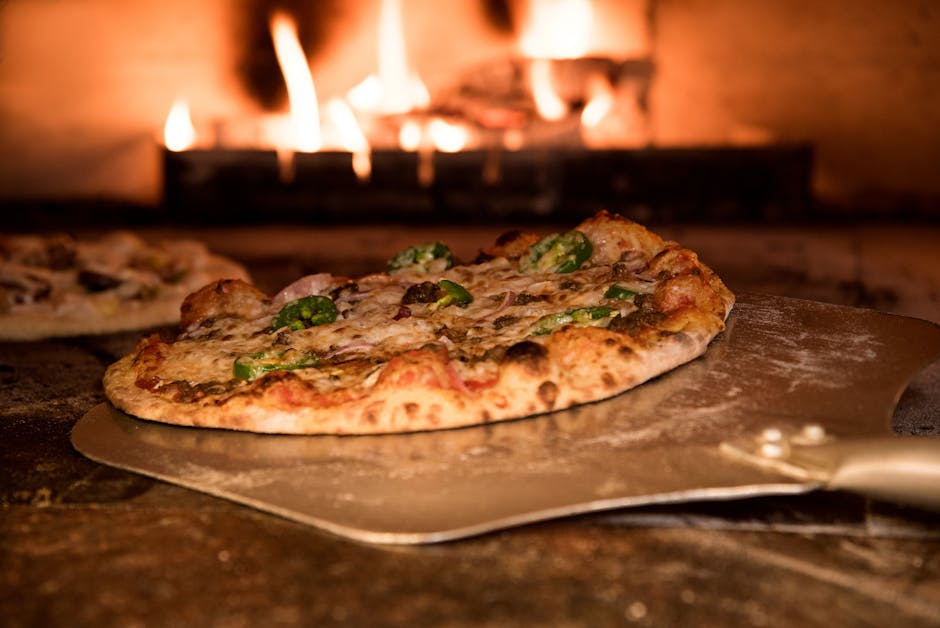
Pizza has captured the hearts and appetites of people worldwide, becoming one of the most beloved foods across cultures and continents. From its humble origins to its status as a global phenomenon, this iconic dish has a fascinating history filled with surprising developments, record-breaking achievements, and cultural significance. The following facts reveal the remarkable journey of pizza and uncover details that even the most devoted pizza enthusiasts might not know.

The Historical Evolution and Cultural Impact of Pizza

1. Ancient Flatbreads Were Pizza's Predecessors

Long before the modern pizza emerged, ancient civilizations were already enjoying flatbread variations topped with various ingredients. The Persians, Greeks, and Egyptians all had their versions of flatbreads with toppings. Greek soldiers baked flatbreads topped with oils, herbs, and cheese on their shields. The ancient Romans ate a flatbread called "panis focacius," which served as a precursor to focaccia and eventually pizza.

2. Naples Is the Birthplace of Modern Pizza

While flatbreads existed for centuries, modern pizza as we know it originated in Naples, Italy, during the 18th and early 19th centuries. The working poor in Naples required inexpensive food that could be eaten quickly, leading to the development of flatbreads topped with tomatoes, cheese, oil, garlic, and anchovies. These early pizzas were sold by street vendors and were not initially considered proper cuisine by the wealthy.

3. Queen Margherita's Pizza Changed Everything

The legendary Pizza Margherita was created in 1889 when pizzaiolo Raffaele Esposito prepared a special pizza for Queen Margherita of Savoy during her visit to Naples. He topped it with tomatoes, mozzarella cheese, and basil to represent the colors of the Italian flag. The queen loved it so much that the pizza was named in her honor, elevating pizza's status from peasant food to a dish suitable for royalty.

4. America's First Pizzeria Opened Over a Century Ago

Lombardi's, located in New York City's Little Italy neighborhood, became America's first pizzeria when it opened in 1905. Gennaro Lombardi obtained the first license to sell pizza in the United States. The restaurant is still operating today, though it closed briefly in 1984 and reopened in 1994, maintaining traditional coal-fired brick oven methods.

Pizza Consumption and Economic Facts

5. Americans Consume Staggering Amounts of Pizza

The United States pizza industry is worth over $145 billion, with Americans consuming approximately 3 billion pizzas annually. This translates to roughly 350 slices of pizza eaten per second across the country. The average American consumes about 46 slices of pizza per year, making it one of the most popular foods in the nation.

6. October Is National Pizza Month

In 1984, Congress officially designated October as National Pizza Month in the United States. This designation was created by Gerry Durnell, the founder of Pizza Today magazine, to celebrate and promote pizza across the country. October was chosen because it marks the beginning of peak pizza consumption season, which runs through the Super Bowl.

7. Saturday Night Is Prime Pizza Time

Statistics consistently show that Saturday night generates the highest pizza orders throughout the week, followed by Friday and Sunday evenings. New Year's Eve, Halloween, the night before Thanksgiving, and Super Bowl Sunday rank as the top four busiest days for pizza delivery services throughout the year.

Record-Breaking Pizza Achievements

8. The World's Largest Pizza Was Absolutely Enormous

In 2012, a team of Italian chefs in Rome created the world's largest pizza, named "Ottavia" after the first Roman emperor. This record-breaking pizza measured 13,580 square feet and was completely gluten-free. The pizza required 19,800 pounds of flour, 10,000 pounds of tomato sauce, 8,800 pounds of mozzarella cheese, and took 48 hours to bake.

9. The Most Expensive Pizza Costs Thousands of Dollars

The most expensive pizza commercially available is the "Louis XIII" pizza from Salerno, Italy, which costs approximately $12,000. Created by master pizza chef Renato Viola, this luxurious pizza features three types of caviar, Mediterranean lobster, Norwegian salmon, and is topped with pink Australian salt. The pizza must be ordered in advance and is prepared in the customer's home.

Scientific and Technical Pizza Facts

10. Pizza Has Been Delivered to Space

In 2001, Pizza Hut became the first company to deliver pizza to space. The restaurant chain paid the Russian space agency approximately one million dollars to transport a pizza to the International Space Station. The pizza was delivered aboard a Progress vehicle and enjoyed by cosmonaut Yuri Usachov. The company had to modify the recipe, particularly reducing the salt and spices, to meet space food requirements.

11. There's Actual Science Behind Perfect Pizza

Scientists and physicists have studied the mathematical and physical properties of perfect pizza. Researchers have determined that the optimal pizza-eating technique involves folding the slice lengthwise to prevent the tip from drooping, utilizing a principle called the "Gaussian curvature." Additionally, studies have explored the ideal baking temperature, cheese distribution, and dough thickness ratios.

Cultural and Regional Pizza Variations

12. Hawaiian Pizza Was Actually Invented in Canada

Despite its tropical name, Hawaiian pizza was created in 1962 by Sam Panopoulos, a Greek-Canadian restaurateur in Ontario, Canada. He named it "Hawaiian" after the brand of canned pineapple he used. This controversial combination of pineapple and ham remains one of the most debated pizza toppings worldwide, with passionate defenders and critics on both sides.

13. Different Countries Have Unique Pizza Preferences

Pizza toppings vary dramatically around the world, reflecting local tastes and ingredients. In Japan, popular toppings include squid, mayo, and corn. Brazilians enjoy pizza topped with green peas, while Australians frequently add eggs and bacon. Russians often prefer fish-topped pizzas, including sardines or tuna. These variations demonstrate how pizza has been adapted to suit diverse cultural preferences.

14. Pizzica Is Protected by Law in Naples

The authentic Neapolitan pizza received legal protection in 2009 when the European Union granted Traditional Specialty Guaranteed status to Pizza Napoletana. This designation ensures that only pizzas meeting strict requirements regarding ingredients, preparation methods, and cooking techniques can be called authentic Neapolitan pizza. The dough must be hand-kneaded, the pizza must be cooked in a wood-fired oven at specific temperatures, and only certain toppings are permitted.

15. The Pizza Box Design Is More Complex Than It Appears

The modern corrugated pizza box was patented in 1963 and represents clever engineering. The box must maintain heat while allowing moisture to escape, preventing the pizza from becoming soggy. The corrugated design provides insulation, while small vents allow steam to escape. The box must also be stackable, sturdy enough to protect the pizza during transport, and made from materials safe for food contact.

Conclusion

Pizza's journey from ancient flatbreads to a global phenomenon demonstrates its remarkable adaptability and universal appeal. These fifteen facts reveal that pizza is much more than just a convenient meal—it represents centuries of culinary evolution, cultural exchange, and innovation. Whether enjoyed in its traditional Neapolitan form or adapted with regional toppings, pizza continues to unite people across the world through its delicious simplicity and endless variety. Understanding these fascinating aspects of pizza history, consumption patterns, and cultural significance deepens appreciation for this beloved dish that has earned its place as one of the world's most popular foods.