










1 / 10 Questions
0 Points

What ocean did Amelia Earhart fly solo across in 1932?

Arctic

Pacific

Atlantic

Indian

Points won
0
Correct score
0%

More Questions

More Articles

Did You Know? 12 Fun Facts About Celebrity Awards

Did You Know? 12 Fun Facts About Celebrity Awards

⏱️ 6 min read

The glitz and glamour of celebrity award shows captivate millions of viewers worldwide each year. From the Oscars to the Grammys, these prestigious ceremonies have become cultural touchstones that celebrate excellence in entertainment. However, behind the red carpets and acceptance speeches lies a treasure trove of fascinating trivia that even the most dedicated fans might not know. These surprising facts reveal the quirky traditions, historical oddities, and unexpected moments that have shaped the landscape of celebrity awards throughout the decades.

Fascinating Trivia From the World's Most Prestigious Award Ceremonies

1. The Oscar Statuette's Mysterious Nickname Origin

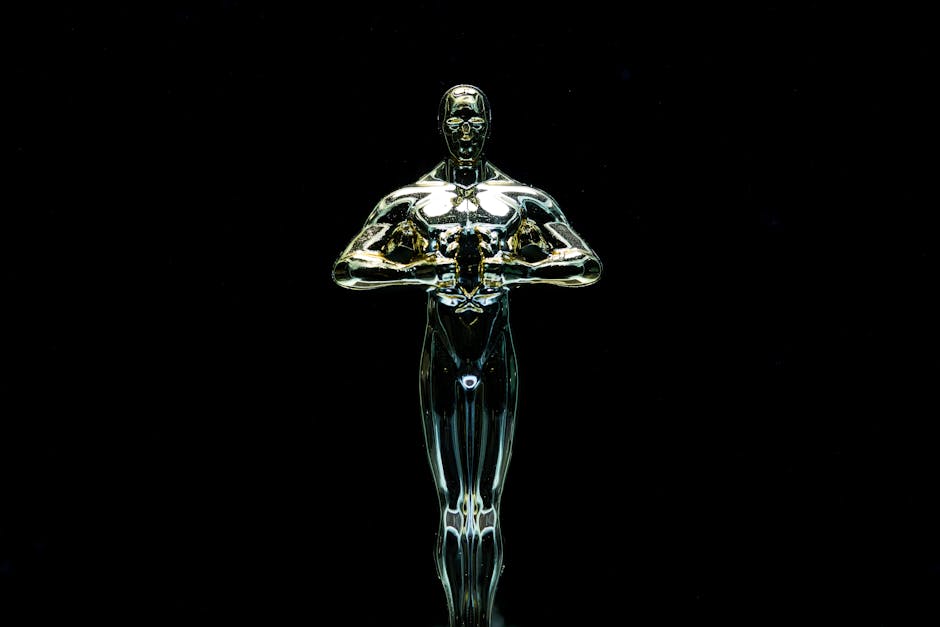
The Academy Awards statuette is officially known as the "Academy Award of Merit," but everyone calls it an "Oscar." The true origin of this nickname remains disputed to this day. The most popular theory credits Academy librarian Margaret Herrick, who remarked in 1931 that the statuette resembled her Uncle Oscar. Another story attributes the name to actress Bette Davis, who claimed she named it after her first husband, Harmon Oscar Nelson. The Academy officially adopted the nickname "Oscar" in 1939, cementing its place in pop culture history.

2. The Grammy Award's Gramophone Design

The Grammy trophy depicts a gilded gramophone, honoring the phonograph invented by Thomas Edison. Each Grammy takes approximately 15 hours to create and is handcrafted by Billings Artworks in Colorado. The statuette weighs about five pounds and stands approximately 10 inches tall. Interestingly, the gramophone design has remained virtually unchanged since the first ceremony in 1959, making it one of the most recognizable award designs in the entertainment industry.

3. The Youngest Oscar Winner Was Just Six Years Old

Tatum O'Neal holds the record as the youngest competitive Oscar winner in history. She won the Academy Award for Best Supporting Actress at age 10 for her role in "Paper Moon" (1973). However, Shirley Temple received an honorary Juvenile Oscar in 1935 when she was just six years old. On the opposite end of the spectrum, Christopher Plummer became the oldest acting winner at age 82 for "Beginners" in 2012.

4. Emmy Awards Were Named After an Engineering Term

The Emmy Award derives its name from "Immy," a nickname for the image orthicon tube used in television cameras. When the Academy of Television Arts & Sciences was choosing a name for their award in 1948, they wanted something that reflected the television industry. They feminized "Immy" to "Emmy" to match the design of their statuette, which depicts a winged woman holding an atom. Each Emmy is plated in copper, nickel, silver, and gold.

5. The Shortest Oscar Acceptance Speech Ever

While some winners deliver lengthy, tearful speeches, Patty Duke holds the record for one of the briefest acceptance speeches. When she won Best Supporting Actress for "The Miracle Worker" in 1963 at age 16, she simply said "Thank you" before leaving the stage. The Academy has since implemented time limits and orchestra cues to prevent excessively long speeches, but Duke's concise gratitude remains legendary.

6. Tony Awards Are Named After a Real Person

Unlike other major entertainment awards, the Tony Award is actually named after a specific individual: Antoinette "Tony" Perry. She was an actress, director, and co-founder of the American Theatre Wing. After her death in 1946, the organization created the awards in her honor. The first Tony Awards ceremony took place in 1947 at the Waldorf Astoria hotel in New York City, with only 11 awards presented compared to the 26 categories recognized today.

7. Oscar Statuettes Must Be Offered Back to the Academy

Since 1950, the Academy of Motion Picture Arts and Sciences has required Oscar winners to sign an agreement stating that neither they nor their heirs can sell their statuettes without first offering them back to the Academy for one dollar. This rule was implemented to preserve the integrity and prestige of the award. However, statuettes won before 1950 can be sold freely, and some have fetched hundreds of thousands of dollars at auction.

8. The Golden Globes Were Created by Journalists

The Hollywood Foreign Press Association, a group of international journalists covering the entertainment industry, established the Golden Globe Awards in 1944. Initially, the awards were presented as scrolls rather than the distinctive golden globe statuette that debuted later. The Golden Globes are unique because they honor both film and television achievements, and they're often seen as predictors of Oscar success in the film categories.

9. Three People Have Refused Academy Awards

Only three individuals have declined their Oscar wins. Screenwriter Dudley Nichols refused his 1935 award due to union conflicts. George C. Scott rejected his Best Actor win for "Patton" in 1971, calling the ceremony a "meat parade." Most famously, Marlon Brando declined his Best Actor Oscar for "The Godfather" in 1973, sending Native American activist Sacheen Littlefeather to refuse it on his behalf as a protest against Hollywood's portrayal of Native Americans.

10. The MTV Video Music Awards Moon Man Trophy

The MTV Video Music Awards trophy, known as the "Moon Man" or "Moon Person," depicts an astronaut on the moon, paying homage to MTV's original moon landing flag logo. Designed by Manhattan Design, the statuette has undergone several modifications since the first VMAs in 1984. Each trophy is individually handcrafted and takes several days to complete, making every award unique in its own way.

11. Katharine Hepburn's Unbeatable Oscar Record

Legendary actress Katharine Hepburn holds the record for most Academy Award wins by any actor, with four Best Actress Oscars spanning from 1933 to 1981. Her wins came for "Morning Glory," "Guess Who's Coming to Dinner," "The Lion in Winter," and "On Golden Pond." Remarkably, Hepburn never attended the Oscar ceremony to accept any of her awards in person, maintaining her reputation for eschewing Hollywood's typical publicity machine.

12. The Award Show Envelope Tradition Has High-Tech Security

The famous sealed envelopes containing winners' names at the Academy Awards are guarded with extraordinary security measures. Accounting firm PricewaterhouseCoopers has managed this process since 1934, with only two partners knowing all the results. These partners memorize the winners, arrive at the ceremony separately, carry identical briefcases, and could step in for each other if needed. The envelopes themselves are kept in a secure vault and are handcrafted from premium materials, making them nearly as valuable as collectibles.

The Enduring Legacy of Award Show Traditions

These twelve fascinating facts reveal that celebrity award shows are far more than just glamorous television events. They represent decades of tradition, quirky customs, and memorable moments that have shaped entertainment history. From the mysterious origins of the Oscar's nickname to the elaborate security protecting the winners' envelopes, every aspect of these ceremonies has been carefully crafted and refined over generations. Understanding these behind-the-scenes details adds an extra layer of appreciation for viewers who tune in each year to watch their favorite stars compete for these prestigious honors. Whether it's the youngest winner making history or the unique design of each trophy, these awards continue to captivate audiences and create unforgettable moments in popular culture.
Top 10 Fun Facts About Ancient Egyptian Culture

Top 10 Fun Facts About Ancient Egyptian Culture

⏱️ 7 min read

Ancient Egypt remains one of the most fascinating civilizations in human history, captivating scholars and enthusiasts alike with its remarkable achievements, mysterious practices, and enduring legacy. From the banks of the Nile River emerged a culture that would influence the world for thousands of years, leaving behind monuments, traditions, and innovations that continue to amaze us today. This exploration delves into some of the most intriguing aspects of ancient Egyptian society that reveal just how advanced, complex, and surprisingly relatable this ancient civilization truly was.

Fascinating Discoveries About Ancient Egyptian Life

1. Egyptians Invented One of the Earliest Forms of Toothpaste

Personal hygiene was remarkably important to ancient Egyptians, and they took dental care seriously enough to create their own toothpaste formula around 5000 BCE. This early dental product was a powder mixture containing crushed rock salt, mint, dried iris flowers, and pepper. While certainly abrasive by modern standards, this invention demonstrates the Egyptians' concern for oral health and cleanliness. They applied this powder using frayed twigs as makeshift toothbrushes, showing an impressive understanding of preventive dental care millennia before modern dentistry emerged.

2. Both Men and Women Wore Elaborate Makeup

Makeup in ancient Egypt transcended gender boundaries and served purposes beyond mere vanity. Both men and women lined their eyes with thick black kohl made from ground minerals like malachite and galena. This dramatic eye makeup wasn't just fashionable—it served practical purposes including reducing sun glare and protecting against eye infections. The Egyptians believed that wearing eye makeup also provided magical protection and honored the gods Horus and Ra. Green and black pigments were carefully prepared and stored in decorative containers, making cosmetics an essential part of daily life across all social classes.

3. Workers Went on Strike for Better Conditions

In one of the earliest recorded labor strikes in history, workers building the royal necropolis at Deir el-Medina stopped work in the 29th year of Ramesses III's reign, around 1152 BCE. These skilled artisans and laborers protested because their monthly grain rations—their wages—had not been delivered on time. They organized a sit-in at a nearby temple, demonstrating remarkable solidarity and understanding of collective bargaining. This historical event reveals that ancient Egyptian workers had rights and weren't afraid to assert them, challenging the common misconception that all pyramid and tomb builders were slaves.

4. Ancient Egyptians Loved Board Games

Entertainment played a significant role in Egyptian culture, with board games being particularly popular across all social classes. The most famous game was Senet, a strategy game involving moves based on throwing sticks or bones as dice. Game boards have been found in tombs ranging from pharaohs to common people, and even King Tutankhamun was buried with several Senet sets. The game held such cultural importance that it took on religious significance, with some believing it represented the journey of the soul through the afterlife. Another popular game was Mehen, played on a circular board shaped like a coiled snake.

5. Cleopatra Was Not Actually Egyptian by Ethnicity

Perhaps one of the most surprising facts is that Cleopatra VII, Egypt's most famous queen, was actually of Greek Macedonian descent. She belonged to the Ptolemaic dynasty, which began with Ptolemy I, one of Alexander the Great's generals who took control of Egypt after Alexander's death in 323 BCE. Despite her heritage, Cleopatra was the first Ptolemaic ruler to actually learn and speak Egyptian, demonstrating her commitment to the kingdom she ruled. She reigned from 51 to 30 BCE, and her intelligence, political acumen, and linguistic abilities were just as notable as her legendary beauty.

6. Cats Were Sacred and Legally Protected

The ancient Egyptians' reverence for cats went far beyond simple pet ownership. Cats were associated with the goddess Bastet and were considered sacred animals deserving of protection and respect. Killing a cat, even accidentally, could result in the death penalty. When a family cat died, household members would shave their eyebrows in mourning and hold elaborate funeral ceremonies. Cats were often mummified and buried in special cat cemeteries, with thousands of mummified cats discovered at archaeological sites. This veneration stemmed partly from cats' practical value in protecting grain stores from rodents, but evolved into genuine religious devotion.

7. Pharaohs Never Let Their Hair Be Seen

Egyptian pharaohs, both male and female, wore elaborate headdresses called nemes or ceremonial crowns, but beneath these regal accessories, they often had shaved heads. The famous striped nemes headdress, like the one on King Tutankhamun's burial mask, actually covered either shaved heads or short-cropped hair. Pharaohs would wear wigs for formal occasions and ceremonies. This practice served multiple purposes: maintaining cleanliness in the hot climate, preventing lice infestations, and maintaining the divine appearance expected of a ruler. The wigs themselves were status symbols, with more elaborate styles indicating higher social standing.

8. Bread Was Used as Currency

Ancient Egypt operated primarily on a barter system, and bread served as one of the standard units of value. Workers received their wages in bread and beer rations, with different qualities and quantities reflecting various pay grades. A typical laborer might receive ten loaves of bread and a measure of beer daily, while skilled craftsmen received more. This system was so standardized that other goods and services were valued in terms of how many loaves of bread they equaled. Archaeological records show detailed accounts of transactions measured in bread units, revealing a sophisticated economic system without coined money for much of Egyptian history.

9. Ancient Egyptians Practiced Advanced Medicine

Egyptian physicians were remarkably advanced for their time, practicing medicine based on both empirical observation and religious beliefs. They performed surgeries, set broken bones, and created prosthetics—one mummy was discovered with a wooden toe that showed signs of wear, indicating it was functional. The Edwin Smith Papyrus, dating to around 1600 BCE, contains descriptions of 48 surgical cases including examination, diagnosis, treatment, and prognosis. Egyptians understood that the pulse was connected to the heart and recognized the importance of the heart in the body's functioning. They created remedies from hundreds of substances, some of which, like willow bark (containing aspirin-like compounds), were genuinely effective.

10. The Great Pyramid Was the World's Tallest Structure for Nearly 4,000 Years

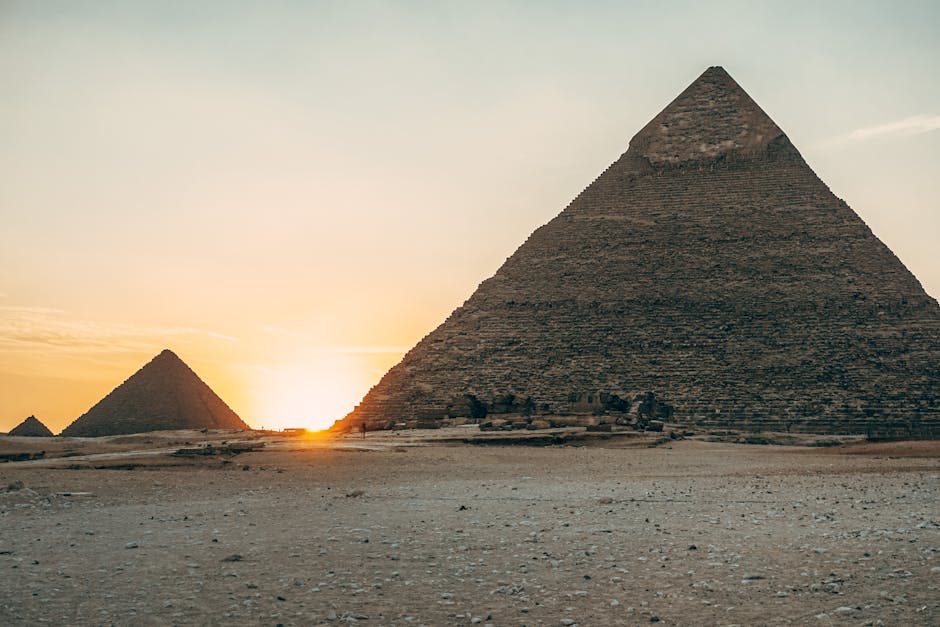
The Great Pyramid of Giza, built for Pharaoh Khufu around 2560 BCE, stood at 146.5 meters (481 feet) and held the record as the world's tallest man-made structure for approximately 3,800 years. This record remained unbroken until the construction of Lincoln Cathedral's central spire in England around 1311 CE. The engineering precision required to build this monument with the technology available in ancient times continues to astound researchers. The pyramid's base is level to within just 2.1 centimeters, and its sides are aligned almost perfectly with the cardinal directions. An estimated 2.3 million stone blocks, each weighing between 2.5 and 15 tons, were used in its construction.

The Enduring Legacy of Ancient Egypt

These remarkable facts about ancient Egyptian culture demonstrate that this civilization was far more sophisticated, innovative, and relatable than many people realize. From their attention to personal hygiene and workers' rights to their advanced medical knowledge and architectural achievements, the ancient Egyptians created a society that influenced countless aspects of human development. Their contributions to mathematics, medicine, architecture, and art continue to resonate through modern culture. Understanding these fascinating details helps us appreciate not only the grandeur of their monuments but also the daily lives, values, and ingenuity of the people who built one of history's greatest civilizations along the fertile banks of the Nile River.