









⏱️ 7 min read
Street murals have transformed urban landscapes around the world, turning blank walls into vibrant canvases that tell stories, provoke thought, and bring communities together. These large-scale artworks have evolved from acts of rebellion to celebrated cultural landmarks, and their history is filled with fascinating details that reveal the power of public art. Here are some captivating facts about street murals that showcase their impact on cities and societies worldwide.
The Ancient Origins of Wall Art
1. Murals Date Back Over 30,000 Years
While modern street murals might seem like a contemporary phenomenon, the practice of painting on walls is ancient. The earliest known murals were created in prehistoric times, with cave paintings in locations like Lascaux, France, and Altamira, Spain, dating back more than 30,000 years. These early artists used natural pigments to depict animals, hunting scenes, and abstract symbols. The tradition continued through civilizations including ancient Egypt, Rome, and Mesoamerica, where murals served religious, political, and decorative purposes. This rich heritage demonstrates that humans have always felt compelled to transform vertical surfaces into expressive artworks, making today's street muralists part of an unbroken artistic lineage spanning millennia.
2. The Mexican Muralism Movement Revolutionized Public Art
The modern street mural movement owes much to the Mexican Muralism movement that emerged after the Mexican Revolution in the 1920s. Artists like Diego Rivera, José Clemente Orozco, and David Alfaro Siqueiros created massive public murals that celebrated Mexican culture, history, and social justice. These government-sponsored artworks were deliberately placed in public spaces to make art accessible to everyone, not just museum-goers. The Mexican muralists believed art should serve a social purpose and educate the masses. Their bold, politically charged works influenced artists worldwide and established the concept that murals could be powerful tools for social commentary and community identity, principles that continue to guide street artists today.
Technical Innovations and Artistic Techniques
3. Modern Murals Can Withstand Decades of Weather
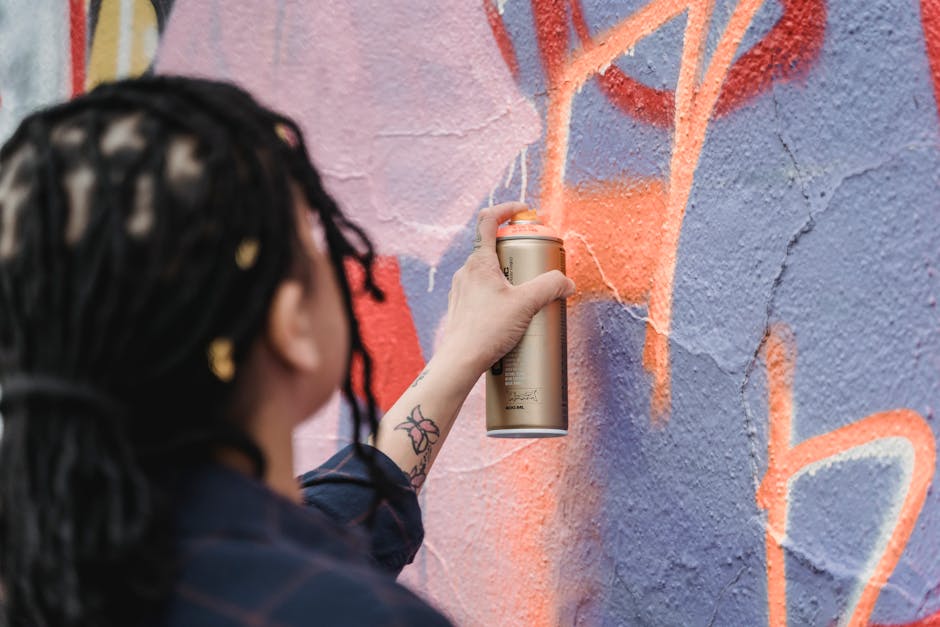
Contemporary street murals benefit from advanced paint technology that allows them to survive harsh environmental conditions. Artists now use specialized exterior acrylic paints, anti-graffiti coatings, and UV-protective sealants that can preserve murals for 20 to 30 years or more. Some muralists apply multiple layers of clear protective coating to shield their work from sun damage, rain, pollution, and vandalism. The development of spray paint with better pigment density and weather resistance has also revolutionized the medium. These technological advances mean that today's murals can become permanent fixtures of urban landscapes, unlike earlier works that might fade or deteriorate within just a few years.
4. The World's Largest Mural Covers Over 200,000 Square Feet
The scale of some street murals is truly breathtaking. The current record holder for the world's largest mural is "Etnies," painted in Rio de Janeiro, Brazil, which covers approximately 323,000 square feet. However, competing claims and ongoing projects mean this record is constantly challenged. Other massive murals include the "Pueblo Levee Project" in Colorado and various building-sized works in cities like Berlin, Philadelphia, and Los Angeles. Creating these enormous artworks requires teams of artists working with cherry pickers, scaffolding, and sometimes even rope access techniques borrowed from mountain climbing. The logistics of painting at such scale—including weather delays, paint quantities, and maintaining artistic consistency across vast surfaces—make these projects remarkable feats of planning and execution.
Cultural Impact and Community Transformation
5. Street Murals Significantly Reduce Crime and Vandalism
Research has consistently shown that well-maintained street murals can reduce crime rates and graffiti vandalism in neighborhoods. A study in Philadelphia found that streets with murals experienced measurable decreases in crime, while surveys in multiple cities show that communities with vibrant mural programs report increased feelings of safety and pride. The phenomenon occurs partly because murals signal that a community cares about its environment, which discourages destructive behavior. Additionally, murals often transform previously neglected spaces into destinations, increasing foot traffic and natural surveillance. Many cities have discovered that investing in mural programs is more cost-effective than constantly removing graffiti, as most graffiti artists respect legitimate murals and avoid tagging them, recognizing them as protected artistic spaces.
6. Some Cities Have Designated Thousands of Legal Mural Walls
Progressive cities worldwide have embraced street art by creating legal wall programs where artists can paint without fear of prosecution. Melbourne, Australia, boasts hundreds of legal street art locations, while cities like Berlin, London, and Miami have designated entire districts for mural production. These legal spaces have transformed street art from an underground, illegal activity into a legitimate art form with formal recognition. Some programs require artists to submit designs for approval, while others operate on a first-come, first-served basis. These initiatives have turned cities into open-air galleries, attracting tourists and creating entire economies around street art tours, festivals, and related businesses.
Economic and Social Benefits
7. Murals Can Increase Property Values by Up to 30 Percent
The presence of high-quality street murals has been linked to significant increases in local property values. Studies in various cities have documented that properties near respected murals can appreciate between 15 and 30 percent compared to similar properties without nearby art. This phenomenon, sometimes called "artwashing" when it leads to gentrification, demonstrates the economic power of public art. Murals make neighborhoods more attractive to residents and businesses, often catalyzing broader revitalization efforts. Real estate developers now frequently commission murals as part of their projects, recognizing that art can be a valuable amenity that differentiates properties in competitive markets.
8. Professional Muralists Can Earn Six-Figure Incomes
The commercialization and legitimization of street art has created lucrative opportunities for talented muralists. Top-tier artists can command fees ranging from $10,000 to over $100,000 for single murals, depending on size, complexity, and the artist's reputation. Successful muralists diversify income through corporate commissions, advertising campaigns, gallery sales, merchandise, and social media sponsorships. Artists like Shepard Fairey, Banksy, and JR have built multimillion-dollar careers that began with street art. The rise of mural festivals worldwide has also created consistent work opportunities, with events offering artist fees, accommodation, and materials in exchange for creating permanent public artworks.
Artistic Recognition and Global Reach
9. Street Murals Now Appear in Major Museum Exhibitions
The art establishment has increasingly embraced street murals, with major museums hosting exhibitions dedicated to the form. Institutions like the Museum of Contemporary Art in Los Angeles, the Brooklyn Museum, and the Tate Modern in London have featured prominent street artists and documented the history of mural movements. Some museums have even commissioned street artists to create permanent murals on their exterior walls or in their collections. This institutional recognition represents a dramatic shift from decades past when street art was dismissed as vandalism rather than legitimate artistic expression. The documentation and preservation of street murals in museum collections ensures that this art form's history will be accessible to future generations.
10. Augmented Reality Is Creating Interactive Mural Experiences
Technology is revolutionizing how people experience street murals through augmented reality (AR) applications. Artists and organizations are creating murals that come to life when viewed through smartphone apps, adding animations, sounds, educational content, or hidden layers of artwork. Some AR murals change with the time of day or viewer interaction, creating dynamic experiences impossible with traditional paint alone. This fusion of physical and digital art expands creative possibilities and engages younger, tech-savvy audiences. Cities are using AR-enhanced murals for tourism, creating digital trails that guide visitors through neighborhoods while providing historical context and artist interviews, transforming passive viewing into interactive cultural experiences.
The Enduring Power of Public Art
Street murals represent far more than decorated walls—they embody the human desire to beautify shared spaces, communicate ideas, and create meaning in the urban environment. From their ancient origins to cutting-edge augmented reality applications, murals have consistently adapted to new technologies while maintaining their core purpose of bringing art directly to the people. Whether reducing crime, boosting property values, launching artistic careers, or simply bringing color to gray city streets, murals demonstrate that public art has tangible benefits for communities. As cities worldwide continue embracing mural programs and artists push creative boundaries, these monumental artworks will undoubtedly remain vital elements of urban culture, transforming how people experience and interact with their built environment.