






1 / 10 Questions
0 Points

Which board game was invented by a woman to teach economics?

Monopoly

Scrabble

Risk

Clue

Points won
0
Correct score
0%

More Questions

More Articles

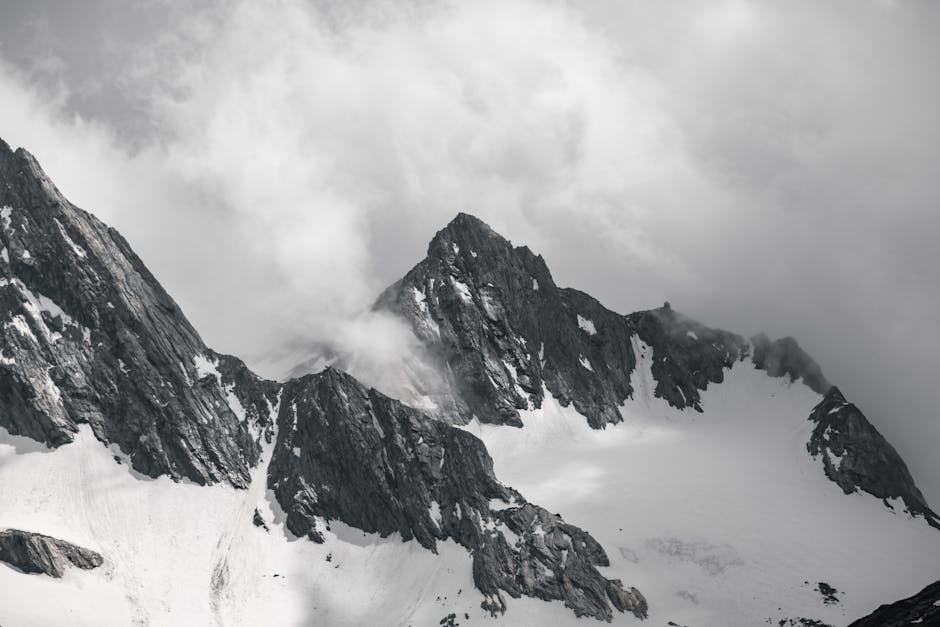
Top 10 Tallest Mountains to Climb

Top 10 Tallest Mountains to Climb

⏱️ 7 min read

The world's highest peaks have captivated mountaineers and adventurers for centuries, representing the ultimate test of human endurance, skill, and determination. While many people know that Mount Everest holds the title of Earth's highest point, there are numerous other towering giants that challenge climbers with extreme altitudes, treacherous weather conditions, and technical difficulties. These mountains, rising above 8,000 meters, belong to an exclusive group known as the "eight-thousanders," and conquering them requires extensive preparation, exceptional physical fitness, and unwavering mental fortitude.

The World's Most Challenging High-Altitude Peaks

1. Mount Everest: The Ultimate Summit Challenge

Standing at 8,848.86 meters (29,031.7 feet) above sea level, Mount Everest remains the highest point on Earth and the most iconic mountaineering objective. Located on the border between Nepal and Tibet, Everest attracts hundreds of climbers annually, though only a fraction successfully reach its summit. The mountain presents numerous hazards including the notorious "Death Zone" above 8,000 meters, where oxygen levels drop to dangerous lows, and the Khumbu Icefall, a constantly shifting maze of ice blocks. Despite commercial expeditions making the climb more accessible, Everest demands months of acclimatization, costs upward of $50,000, and claims lives regularly due to altitude sickness, avalanches, and extreme weather conditions.

2. K2: The Savage Mountain's Deadly Reputation

K2, reaching 8,611 meters (28,251 feet), holds the distinction of being the second-highest mountain in the world and arguably the most dangerous. Located on the Pakistan-China border in the Karakoram Range, K2 has earned its nickname "Savage Mountain" through a death rate of approximately one fatality for every four successful summits. The mountain features steep, exposed terrain with technical rock and ice climbing sections, unpredictable weather patterns, and avalanche-prone slopes. Unlike Everest, K2 has never been successfully climbed during winter until recently, and its remoteness adds additional logistical challenges that make it a true test for elite mountaineers.

3. Kangchenjunga: The Sacred Five Treasures Peak

Kangchenjunga, standing at 8,586 meters (28,169 feet), is the third-highest mountain globally and straddles the border between Nepal and the Indian state of Sikkim. The name translates to "Five Treasures of Snow," referring to its five prominent peaks. Revered as sacred by local populations, climbers traditionally stop just short of the true summit out of respect for religious beliefs. The mountain presents formidable challenges including long approaches, complex route-finding, frequent avalanches, and severe weather. Its relative isolation and lower traffic compared to Everest make it a more wilderness-oriented experience that requires self-sufficiency and advanced mountaineering skills.

4. Lhotse: Everest's Formidable Neighbor

At 8,516 meters (27,940 feet), Lhotse forms part of the Everest massif and is connected to its more famous neighbor by the South Col. Despite sharing much of Everest's approach route, Lhotse presents unique challenges, particularly the Lhotse Face—a steep, icy wall rising 1,125 meters that tests climbers' technical abilities and nerve. The mountain's main summit was first reached in 1956, though its subsidiary peak, Lhotse Middle, remained unclimbed until 2001, making it one of the last eight-thousander summits to be conquered. Lhotse often serves as an alternative objective for climbers already acclimatized on Everest expeditions.

5. Makalu: The Great Black Peak's Technical Demands

Makalu rises to 8,485 meters (27,838 feet) and is renowned for its perfect pyramid shape and challenging technical climbing. Located 19 kilometers southeast of Everest, this isolated peak features steep pitches, sharp ridges, and exposed sections requiring advanced rock and ice climbing skills. The mountain's aesthetic beauty is matched by its difficulty—Makalu has one of the highest failure rates among eight-thousanders, with many expeditions turning back due to technical obstacles, weather, or exhaustion. The standard route involves difficult mixed climbing, and alternative routes present even greater challenges, making Makalu a true mountaineer's mountain.

6. Cho Oyu: The Turquoise Goddess

Cho Oyu, at 8,188 meters (26,864 feet), is considered the easiest of the eight-thousanders, making it a popular choice for mountaineers seeking to gain high-altitude experience. Situated on the Nepal-Tibet border, approximately 20 kilometers west of Everest, the mountain's name means "Turquoise Goddess" in Tibetan. While technically less demanding than its neighboring giants, Cho Oyu still requires proper acclimatization and poses significant objective hazards including crevasses, seracs, and altitude-related illnesses. The northwest ridge route from Tibet offers a more straightforward ascent, though climbers must navigate bureaucratic challenges and political considerations when accessing the Chinese side.

7. Dhaulagiri: The White Mountain's Fierce Environment

Dhaulagiri I reaches 8,167 meters (26,795 feet) and dominated as the known world's highest peak for 30 years until the survey of Kangchenjunga in 1838. Located in north-central Nepal, the name translates to "White Mountain" in Sanskrit. Dhaulagiri presents mountaineers with extreme weather conditions, high objective danger from avalanches and rockfall, and complex route-finding across heavily glaciated terrain. The mountain's northeast ridge route involves sustained technical difficulty and exposure, while its normal route from the northeast col requires crossing dangerous icefalls and navigating steep slopes prone to avalanche activity. Its remote location adds logistical complexity to any expedition.

8. Manaslu: The Mountain of the Spirit

At 8,163 meters (26,781 feet), Manaslu stands as the eighth-highest peak in the world and offers one of the more accessible eight-thousander experiences. Located in the Mansiri Himal range of Nepal, its Sanskrit name means "Mountain of the Spirit." Manaslu has gained popularity as climbers seek alternatives to Everest's crowds, though it demands respect with significant avalanche danger, particularly on the upper slopes. The northeast face presents extreme technical challenges and has seen fewer attempts, while the standard route from the northeast involves steep ice slopes, crevasse navigation, and a challenging summit push. The mountain provides stunning views and a genuine Himalayan wilderness experience.

9. Nanga Parbat: The Killer Mountain

Nanga Parbat stands at 8,126 meters (26,660 feet) and is the ninth-highest mountain on Earth. Located in Pakistan's Gilgit-Baltistan region, it marks the western anchor of the Himalayas. Known as the "Killer Mountain" due to numerous early expedition disasters, Nanga Parbat features one of the highest vertical reliefs in the world, rising 7,000 meters above its base in just 25 kilometers horizontal distance. The Rupal Face on the south side is the world's highest rock and ice wall. The mountain's isolation and exposure to severe weather systems make it exceptionally dangerous, with unpredictable storms capable of trapping climbers for extended periods.

10. Annapurna I: The Most Dangerous Eight-Thousander

Annapurna I, reaching 8,091 meters (26,545 feet), completes the list of ten highest peaks and holds the notorious distinction of having the highest fatality rate among all eight-thousanders, historically around 32% though recently improved. Located in north-central Nepal, Annapurna was the first eight-thousander to be successfully climbed, when Maurice Herzog's French expedition reached the summit in 1950. The mountain features extreme objective hazards including constant avalanche danger, unstable seracs, steep faces, and technical climbing sections. The south face presents one of mountaineering's greatest challenges, while even the "easier" north side route remains exceptionally dangerous due to avalanche-prone slopes and ice cliffs.

Understanding the Ultimate Challenge

These ten towering giants represent the pinnacle of mountaineering achievement, each demanding specialized skills, extensive experience, and significant financial and time commitments. Climbing any eight-thousander requires months of preparation, proper acclimatization strategies, high-quality equipment, and often supplemental oxygen. The extreme altitude affects every bodily system, impairs judgment, and can trigger life-threatening conditions like cerebral or pulmonary edema. Success rates vary considerably among these peaks, influenced by technical difficulty, objective hazards, weather patterns, and accessibility. While commercial guiding has made some peaks more accessible, these mountains ultimately respect only thorough preparation, sound judgment, and sometimes, luck. They continue to inspire and challenge climbers worldwide, representing humanity's enduring desire to reach the highest points on our planet.
20 Facts About Ancient Civilizations Around the World

20 Facts About Ancient Civilizations Around the World

⏱️ 8 min read

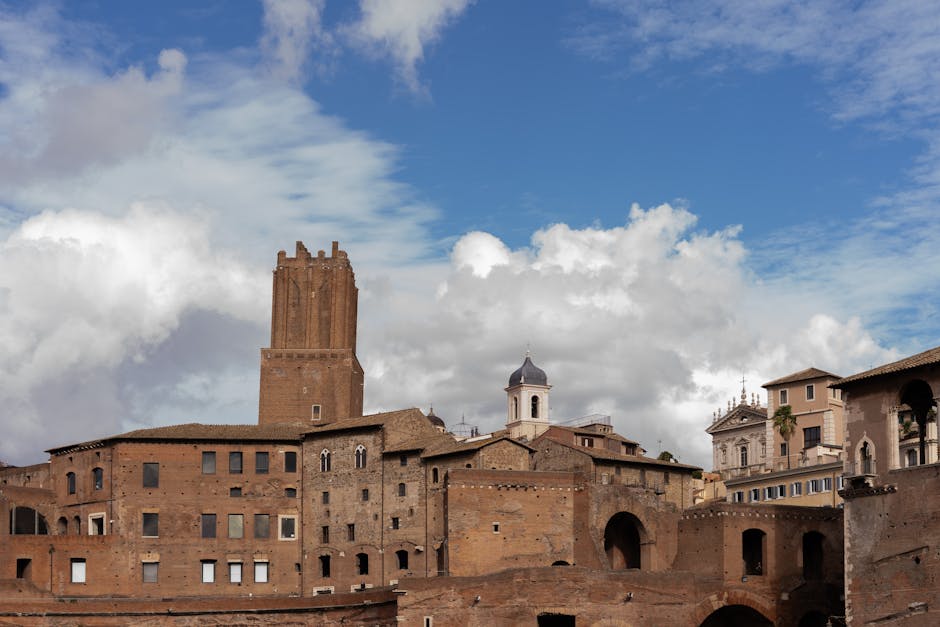
Throughout human history, ancient civilizations have left behind remarkable legacies that continue to fascinate scholars and enthusiasts alike. From advanced engineering feats to sophisticated social systems, these early societies developed innovations and cultural practices that shaped the course of human development. The following collection explores lesser-known yet captivating aspects of ancient civilizations across continents, revealing the ingenuity, complexity, and diversity of our ancestors.

Remarkable Discoveries from Ancient Times

1. The Mesopotamian Invention of the Wheel

Around 3500 BCE, the Sumerians in ancient Mesopotamia revolutionized transportation and manufacturing by inventing the wheel. Initially created for pottery-making, this circular innovation was later adapted for wheeled vehicles, fundamentally transforming trade, warfare, and daily life across civilizations. The wheel's impact extended beyond practical applications, influencing everything from water wheels for irrigation to the development of early machinery.

2. Egyptian Medical Expertise and Surgery

Ancient Egyptians possessed remarkably advanced medical knowledge, performing complex surgical procedures including brain surgery, limb amputations, and cataract operations. The Edwin Smith Papyrus, dating to approximately 1600 BCE, documents 48 surgical cases with detailed descriptions of examinations, diagnoses, and treatments. Egyptian physicians understood the importance of the pulse and developed specialized medical instruments centuries before other civilizations.

3. The Indus Valley's Advanced Urban Planning

The Indus Valley Civilization, flourishing around 2500 BCE in present-day Pakistan and India, demonstrated extraordinary urban planning capabilities. Cities like Mohenjo-daro and Harappa featured sophisticated drainage systems, standardized brick sizes, and grid-pattern streets. Remarkably, these cities had indoor plumbing and public baths, with waste disposal systems that wouldn't be matched in Europe for thousands of years.

4. Chinese Earthquake Detection Technology

In 132 CE, Chinese astronomer Zhang Heng invented the world's first seismoscope, a bronze vessel that could detect earthquakes from hundreds of miles away. This sophisticated device contained a pendulum mechanism that would release bronze balls from dragon mouths into frog mouths below, indicating the direction of seismic activity. This invention predated similar Western instruments by approximately 1,700 years.

5. Mayan Mathematical Zero Concept

The Maya civilization independently developed the concept of zero as a mathematical placeholder around the 4th century CE, centuries before it appeared in European mathematics. Their vigesimal (base-20) number system enabled complex astronomical calculations and the creation of highly accurate calendars. This mathematical sophistication allowed them to predict celestial events with remarkable precision.

6. Roman Concrete's Lasting Durability

Ancient Romans developed a hydraulic concrete formula using volcanic ash that has proven more durable than modern concrete. Structures like the Pantheon's dome, built in 126 CE, remain standing today, while modern concrete often deteriorates within decades. Recent research reveals that the volcanic ash created crystalline structures that actually strengthened over time, especially when exposed to seawater.

7. Persian Underground Refrigeration Systems

Ancient Persians engineered yakhchals, massive underground structures that stored ice and food throughout scorching summers. These domed buildings, dating back to 400 BCE, used evaporative cooling, thick insulated walls, and ingenious ventilation systems to maintain freezing temperatures in desert climates. Some yakhchals could store up to 5,000 cubic meters of ice.

8. Greek Antikythera Mechanism Complexity

Discovered in a shipwreck off the Greek island of Antikythera, this ancient analog computer from approximately 100 BCE predicted astronomical positions and eclipses decades in advance. The device contained at least 30 bronze gears and represented a level of mechanical sophistication not seen again until medieval European clocks appeared over a millennium later.

9. Incan Engineering Without the Wheel

Despite never developing the wheel for transportation, the Inca civilization constructed an extensive road network spanning over 25,000 miles across diverse and challenging terrain. Their engineering included suspension bridges, tunnels through mountains, and precisely fitted stone structures like Machu Picchu that have withstood centuries of earthquakes. The famous Incan mortarless stonework remains so precise that a knife blade cannot fit between stones.

10. Aboriginal Australian Astronomical Knowledge

Indigenous Australians maintained sophisticated astronomical traditions for over 65,000 years, making them possibly the world's oldest astronomers. They tracked celestial movements, understood tidal patterns' relationship to the moon, and incorporated astronomical events into navigation and seasonal calendars. Recent research confirms that Aboriginal oral traditions accurately preserved information about coastal geography from when sea levels were significantly lower.

11. Phoenician Purple Dye Monopoly

The ancient Phoenicians created a highly coveted purple dye from murex sea snails that became synonymous with royalty and wealth. Producing just one gram of this Tyrian purple required approximately 10,000 snails, making it extraordinarily expensive. This monopoly on purple dye production helped establish Phoenicia as a major Mediterranean trading power and influenced the color's association with nobility that persists today.

12. Olmec Colossal Head Sculptures

The Olmec civilization of Mesoamerica, often called the "mother culture" of the region, carved massive stone heads weighing up to 50 tons each between 1500 and 400 BCE. These sculptures, depicting individual rulers with distinct features, required transporting basalt stones over 60 miles through difficult terrain without wheeled vehicles or beasts of burden, demonstrating remarkable organizational and engineering capabilities.

13. Babylonian Astronomical Calculations

Babylonian astronomers tracked planetary movements and lunar cycles with extraordinary precision, creating detailed astronomical diaries spanning centuries. By 400 BCE, they could predict lunar eclipses and planetary positions using sophisticated mathematical techniques. Their astronomical knowledge significantly influenced Greek astronomy and laid foundations for modern celestial mechanics.

14. Nubian Pyramid Construction

While Egyptian pyramids are world-famous, the ancient Kingdom of Kush in Nubia (modern Sudan) constructed more pyramids than Egypt—approximately 255 compared to Egypt's 138. Built between 800 BCE and 300 CE, these structures served as royal tombs and featured steeper angles than their Egyptian counterparts. The Nubian civilization maintained rich cultural traditions and occasionally conquered and ruled Egypt itself.

15. Celtic Druidic Oral Tradition Preservation

Ancient Celtic druids deliberately avoided writing down their extensive knowledge, instead maintaining complex legal codes, histories, poetry, and religious teachings through purely oral transmission. Training to become a druid required up to 20 years of memorization, preserving vast amounts of cultural information without written records. This oral tradition ensured knowledge remained sacred and controlled within their religious hierarchy.

16. Minoan Indoor Plumbing Innovation

The Minoan civilization on ancient Crete, flourishing around 2000 BCE, installed sophisticated indoor plumbing systems including flush toilets, bathtubs, and hot and cold running water in the Palace of Knossos. Their four-thousand-year-old terracotta pipes and drainage systems demonstrate hydraulic engineering knowledge that rivaled or surpassed contemporary civilizations elsewhere in the ancient world.

17. Aksumite Obelisk Engineering

The ancient Kingdom of Aksum in modern Ethiopia erected massive stone obelisks, with the largest standing over 100 feet tall and weighing approximately 500 tons. Carved from single pieces of granite and transported from quarries miles away, these monuments marked royal tombs and demonstrated sophisticated engineering capabilities. The Aksumite civilization also developed its own written script and coinage system, controlling important Red Sea trade routes.

18. Assyrian Library of Ashurbanipal

King Ashurbanipal of Assyria established one of the ancient world's most significant libraries in the 7th century BCE, systematically collecting and preserving thousands of cuneiform tablets. This library contained literary works including the Epic of Gilgamesh, scientific texts, royal correspondence, and administrative records. The preservation of these tablets has provided invaluable insights into Mesopotamian civilization, literature, and daily life.

19. Polynesian Navigation Without Instruments

Polynesian navigators explored and settled the vast Pacific Ocean using sophisticated wayfinding techniques without compasses or written maps. They read wave patterns, observed stars, tracked bird migrations, and recognized subtle ocean swells to navigate thousands of miles between islands. This remarkable navigational knowledge, passed down through generations, enabled them to settle Hawaii, Easter Island, and New Zealand centuries before European exploration.

20. Hittite Iron Smelting Mastery

The Hittite Empire, based in ancient Anatolia around 1600 BCE, developed ironworking technology that gave them significant military advantages. Their closely guarded iron smelting techniques produced superior weapons and tools, marking the transition from the Bronze Age to the Iron Age. When the Hittite Empire collapsed around 1200 BCE, iron-working knowledge spread throughout the Mediterranean and Near East, revolutionizing ancient warfare and agriculture.

The Enduring Legacy of Ancient Innovation

These remarkable achievements from ancient civilizations demonstrate that human ingenuity, creativity, and problem-solving abilities have always been constants throughout history. From mathematical concepts and astronomical observations to engineering marvels and artistic achievements, ancient peoples developed sophisticated solutions to complex challenges using the resources and knowledge available to them. Many of their innovations laid foundations for modern science, technology, and cultural practices. By studying these ancient accomplishments, we gain not only historical knowledge but also appreciation for the diverse paths human societies have taken in their development. These civilizations remind us that progress is not linear and that ancient peoples possessed wisdom and capabilities that continue to inspire and occasionally humble modern society. Understanding these achievements enriches our perspective on human potential and the interconnected nature of global civilizations throughout time.