








1 / 10 Questions
0 Points

What surprising skill do babies lose?

Swimming instincts

Perfect pitch

Night vision

Telepathy

Points won
0
Correct score
0%

More Questions

More Articles

Top 10 Longest-Running TV Series in History

Top 10 Longest-Running TV Series in History

⏱️ 6 min read

Television has been a cornerstone of entertainment for decades, bringing stories, news, and cultural phenomena into homes around the world. While many shows enjoy brief but memorable runs, a select few have achieved extraordinary longevity, spanning decades and generations of viewers. These programs have become cultural institutions, adapting to changing times while maintaining their core appeal. Let's explore the television series that have demonstrated remarkable staying power and left indelible marks on broadcasting history.

The Record Holders of Television Longevity

1. Meet the Press: America's Longest-Running Television Program

Premiering in 1947, "Meet the Press" holds the distinction of being the longest-running television program in broadcast history. This Sunday morning news and interview show has been a staple of NBC's programming for over seven decades. The program features interviews with prominent politicians, government officials, and newsmakers, providing in-depth discussions on current events and policy issues. Its format has remained remarkably consistent throughout its run, though it has adapted to modern production techniques and changing political landscapes. The show's longevity speaks to the enduring public interest in political discourse and journalism.

2. Guiding Light: The Soap Opera That Bridged Radio and Television

Originally beginning as a radio program in 1937, "Guiding Light" transitioned to television in 1952 and continued until 2009, accumulating an astounding 72 years of continuous storytelling. This soap opera followed the lives of families in the fictional town of Springfield, exploring themes of love, betrayal, family dynamics, and social issues. The show's ability to evolve with societal changes while maintaining its core audience demonstrated the powerful connection that serialized drama can create. Its total run of 18,262 episodes remains a testament to the golden age of daytime television.

3. Panorama: Britain's Window to World Affairs

The BBC's "Panorama" launched in 1953 and continues to air today, making it the world's longest-running current affairs television program. This investigative documentary series has covered countless major world events, political scandals, and social issues throughout its decades on air. From exposing corporate wrongdoing to interviewing world leaders, "Panorama" has maintained its reputation for hard-hitting journalism and in-depth reporting. The program has adapted to changing viewing habits while preserving its commitment to serious investigative journalism.

4. The Tonight Show: Late Night Television's Pioneer

Debuting in 1954, "The Tonight Show" has been a late-night television institution for nearly 70 years. While the show has seen multiple hosts including Steve Allen, Jack Paar, Johnny Carson, Jay Leno, Conan O'Brien, and Jimmy Fallon, the format has remained essentially unchanged: comedy monologues, celebrity interviews, and musical performances. The program established the template for late-night talk shows and has launched countless careers while serving as a cultural barometer for American entertainment and humor. Its continuous presence across generations has made it an integral part of American television culture.

5. Doctor Who: Science Fiction's Time-Traveling Phenomenon

First broadcast by the BBC in 1963, "Doctor Who" has become one of the most beloved science fiction series in television history. Although it experienced a hiatus from 1989 to 2005, the show has aired for over 40 seasons, making it the longest-running science fiction program. The series follows the adventures of the Doctor, a time-traveling alien who explores the universe while battling various threats. The show's clever premise of regeneration, which allows the main character to transform into a new actor, has enabled continuous renewal while maintaining narrative continuity. Its devoted fanbase spans the globe and multiple generations.

6. 60 Minutes: The Gold Standard of Newsmagazines

Since its premiere in 1968, "60 Minutes" has set the standard for television newsmagazine programs. The show's distinctive format featuring multiple investigative segments, interviews, and profiles has made it one of the most successful and influential programs in television history. Its combination of hard news, investigative journalism, and human interest stories has earned it countless awards and maintained consistently high viewership. The show's iconic stopwatch opening and ticking clock have become synonymous with quality journalism in the television medium.

7. Sesame Street: Educational Television's Greatest Achievement

Premiering in 1969, "Sesame Street" revolutionized children's television by combining education with entertainment. The program has aired for over 50 seasons, teaching generations of children basic literacy, numeracy, and social skills through memorable characters, catchy songs, and innovative puppetry. The show has adapted to incorporate new educational research and address contemporary social issues while maintaining its core mission of preparing young children for school. Its global reach and cultural impact have made it one of the most important educational initiatives in television history.

8. The Price Is Right: Game Show Endurance

The modern version of "The Price Is Right" began in 1972 and continues to air today, making it the longest-running game show in American television history. The show's simple premise of guessing the prices of consumer goods has proven timelessly appealing to audiences. Its enthusiastic contestants, memorable games, and the catchphrase "Come on down!" have become embedded in popular culture. The program's longevity demonstrates the enduring appeal of accessible, family-friendly entertainment that combines competition with everyday knowledge.

9. Saturday Night Live: Comedy's Cultural Institution

Since its debut in 1975, "Saturday Night Live" has been a launching pad for comedy talent and a mirror reflecting American culture and politics. The show's format of live sketch comedy, musical performances, and topical satire has remained consistent even as cast members and writing staff have cycled through over nearly 50 seasons. SNL's political impressions and viral sketches have influenced public discourse and made it a relevant cultural force across multiple generations. Its ability to reinvent itself while maintaining its core identity has ensured its continued relevance.

10. Days of Our Lives: The Hourglass Through Time

Debuting in 1965, "Days of Our Lives" has been a fixture of daytime television for nearly 60 years. The soap opera, set in the fictional Midwestern town of Salem, has followed multiple generations of families through dramatic storylines involving romance, intrigue, and supernatural elements. Its opening line, "Like sands through the hourglass, so are the days of our lives," has become one of television's most recognizable phrases. The show's dedicated fanbase and ability to evolve with changing tastes have ensured its survival in an era when many soap operas have disappeared from the airwaves.

The Legacy of Television Endurance

These ten programs represent more than just impressive statistics; they embody television's power to create lasting connections with audiences. Whether through news, drama, comedy, or education, these shows have adapted to technological changes, shifting cultural norms, and evolving audience expectations while maintaining their essential appeal. Their longevity demonstrates that quality content, consistent vision, and the ability to evolve can create programming that transcends generations. These series have not only entertained and informed but have also documented and influenced the cultural landscape of their times, earning their places as true television legends.
Did You Know? 12 Surprising Facts About the American Revolution

Did You Know? 12 Surprising Facts About the American Revolution

⏱️ 7 min read

The American Revolution stands as one of the most pivotal events in world history, marking the birth of a new nation and inspiring democratic movements across the globe. While most people know the basic story of the colonies breaking free from British rule, the revolution contains numerous lesser-known details that challenge common assumptions and reveal the complexity of this transformative period. From unexpected alliances to unusual military tactics, these fascinating facts illuminate the human drama and historical nuances often overlooked in traditional narratives.

Unexpected Truths from America's Fight for Independence

1. The Revolution Started Before the Declaration

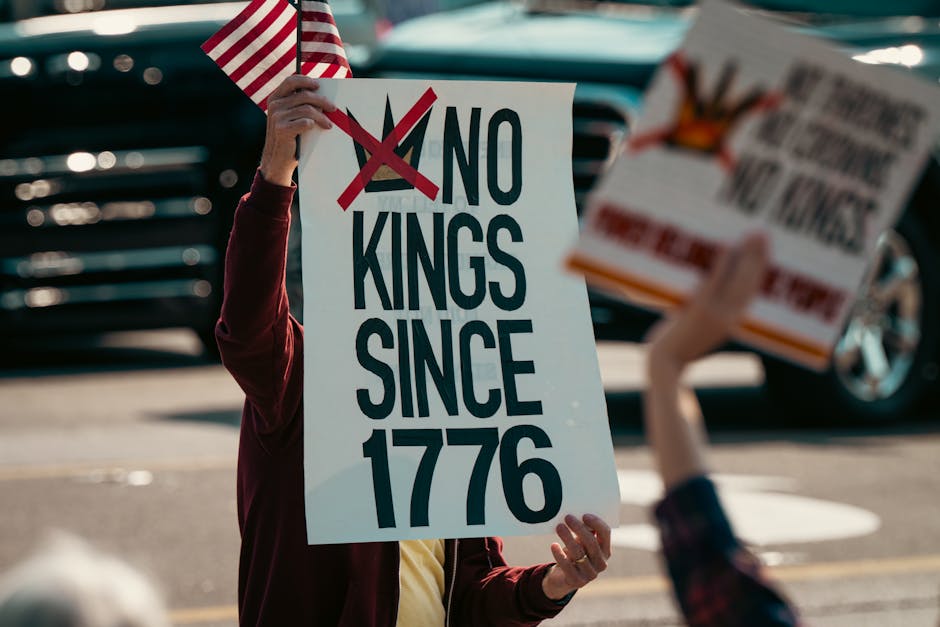
Many assume the American Revolution began on July 4, 1776, but armed conflict actually erupted more than a year earlier. The Battles of Lexington and Concord took place on April 19, 1775, marking the first military engagements between colonial militia and British troops. For over a year, the Continental Congress attempted reconciliation with Britain while simultaneously waging war. The colonies were fighting for their rights as British subjects long before they fought for complete independence, making the revolution a gradual evolution of ideas rather than a sudden break.

2. Most Colonists Didn't Support Independence

Contrary to popular belief, the majority of colonists were not revolutionary firebrands. Historians estimate that only about one-third of colonists actively supported the revolution, while another third remained loyal to the British Crown, and the final third tried to remain neutral. These Loyalists, or Tories, included wealthy merchants, government officials, and many ordinary citizens who feared the chaos of rebellion. After the war, approximately 60,000 to 100,000 Loyalists fled to Canada, Britain, or the Caribbean, representing one of the largest political exoduses in American history.

3. France's Critical Role Started Secretly

While France's official alliance with America in 1778 is well documented, French support began much earlier through covert operations. Even before the Declaration of Independence, France secretly provided gunpowder, weapons, and financial support to the rebels. French playwright Pierre-Augustin Caron de Beaumarchais established a fake trading company to funnel military supplies to the colonists. By the time of the Battle of Saratoga in 1777, it's estimated that 90 percent of the gunpowder used by American forces came from France, making their eventual victory possible.

4. Smallpox Posed a Deadlier Threat Than Bullets

Disease killed more soldiers during the Revolutionary War than combat did. Smallpox was particularly devastating, and George Washington made the controversial decision to inoculate the Continental Army in 1777, one of the first mass military inoculations in history. The procedure, which involved deliberately infecting soldiers with a mild form of the disease, was risky and kept secret from the public. This bold medical gambit significantly improved the army's fighting strength and may have been as crucial to American victory as any battlefield strategy.

5. The Boston Tea Party Protesters Wore Inappropriate Disguises

The famous Boston Tea Party participants didn't dress as Native Americans with any degree of accuracy or respect. They crudely daubed their faces with coal dust and wore random feathers and blankets, creating caricatures that served the practical purpose of concealment while unfortunately perpetuating stereotypes. The disguises were meant to symbolize that they were no longer British subjects but "Americans," though the Mohawk Nation they poorly imitated had nothing to do with the protest. This act of colonial rebellion had long-lasting implications for how Native Americans were portrayed in popular culture.

6. British Soldiers Were Often Younger Than Portrayed

The image of hardened British veterans doesn't match reality for many troops. The British Army recruited boys as young as 10 to serve as drummers, while many regular soldiers enlisted in their mid-teens. Approximately 4,000 British soldiers were actually German mercenaries, called Hessians, hired from various German states. These Hessians comprised nearly one-third of British forces in America, and interestingly, about 5,000 of them deserted and settled in America after the war, attracted by offers of land and freedom.

7. Women Served in Combat Roles

While women couldn't officially enlist, several hundred disguised themselves as men to fight in the Continental Army. Deborah Sampson served for over a year under the name Robert Shurtliff, fighting in multiple battles before her identity was discovered. Other women, like Margaret Corbin and Mary Ludwig Hays (Molly Pitcher), took over cannon operations when their husbands fell in battle. Countless others served as spies, messengers, and saboteurs, playing crucial intelligence roles that directly impacted military outcomes.

8. The Liberty Bell Never Rang for Independence

Despite popular mythology, the Liberty Bell didn't ring on July 4, 1776, to announce the Declaration of Independence. The bell had been used for various Pennsylvania State House announcements, but it acquired its iconic status and name much later. The famous crack in the bell didn't occur during a patriotic moment either—it likely developed gradually over years of use, though the exact timing remains uncertain. The bell became a symbol of American independence only in the 1830s when abolitionists adopted it as an icon of liberty.

9. The Revolution Was Also a Civil War

The conflict tore apart communities, churches, and families in ways that foreshadowed the Civil War. Neighbors fought neighbors, and family members found themselves on opposite sides. Benjamin Franklin's son William remained a steadfast Loyalist and served as the last Royal Governor of New Jersey, creating a permanent rift between father and son. In the Carolinas and Georgia, the fighting between Patriots and Loyalists was particularly brutal, with guerrilla warfare, revenge killings, and property destruction becoming common.

10. African Americans Fought on Both Sides

Approximately 5,000 African Americans served in the Continental Army, while tens of thousands joined the British forces after Lord Dunmore's 1775 proclamation promising freedom to enslaved people who fought for the Crown. This British strategy proved highly effective, creating manpower shortages for plantation owners and adding thousands of motivated soldiers to British ranks. Tragically, many Black Loyalists who fought for promised freedom faced betrayal when some were re-enslaved after the war, though thousands did achieve liberty and relocated to Canada, Britain, or Sierra Leone.

11. The War Nearly Bankrupted Everyone Involved

The Revolutionary War cost Britain approximately £80 million, roughly equivalent to billions today, contributing to massive national debt that took generations to repay. France's financial support for America, while strategically beneficial, helped precipitate the French Revolution by bankrupting the French monarchy. America itself faced severe economic crisis, with Continental currency becoming virtually worthless—giving rise to the phrase "not worth a Continental." The economic aftermath shaped fiscal policies and debates about federal power that continue influencing American politics today.

12. Peace Negotiations Took Two Years

The fighting effectively ended with Cornwallis's surrender at Yorktown in October 1781, but the Treaty of Paris wasn't signed until September 3, 1783. During these two years, military forces remained mobilized, prisoners languished in captivity, and political uncertainty prevailed. The delay resulted from complex negotiations involving not just America and Britain, but also France, Spain, and the Netherlands, each with their own territorial and strategic interests. The final treaty gave America far more territory than the colonies had controlled, extending westward to the Mississippi River and setting the stage for future expansion.

The Revolution's Lasting Complexity

These surprising facts reveal that the American Revolution was far more complicated, controversial, and contingent than simplified historical narratives suggest. The war involved difficult moral compromises, unlikely alliances, and consequences that reverberated globally. Understanding these nuances doesn't diminish the revolution's significance—rather, it illuminates the messy reality of how transformative change actually occurs. The diverse participants, competing motivations, and unintended consequences demonstrate that historical events rarely fit neat categories of heroes and villains. By appreciating the revolution's full complexity, we gain deeper insight into both America's founding and the ongoing challenges of balancing liberty, equality, and justice in any society. These lesser-known stories remind us that history is made by real people facing difficult choices, and their struggles continue to resonate with contemporary issues of freedom, representation, and national identity.