








1 / 10 Questions
0 Points

What surprising ability do octopuses share with humans that most animals don't?

They can recognize their own reflection

They can plan for future events

They can learn through observation

They can use tools creatively

Points won
0
Correct score
0%

More Questions

More Articles

Did You Know? 15 Movies That Changed the Film Industry Forever

Did You Know? 15 Movies That Changed the Film Industry Forever

⏱️ 6 min read

The history of cinema is marked by groundbreaking films that didn't just entertain audiences—they revolutionized the way movies were made, distributed, and experienced. From pioneering special effects techniques to shattering box office records and redefining entire genres, certain films have left an indelible mark on the industry. These transformative works introduced innovations that filmmakers continue to build upon today, fundamentally altering the landscape of motion pictures forever.

Cinematic Game-Changers That Redefined Filmmaking

1. The Birth of a Nation - Establishing Cinematic Language

D.W. Griffith's 1915 epic, despite its deeply problematic and racist content, introduced techniques that became fundamental to filmmaking. The film pioneered the use of close-ups, fade-outs, and cross-cutting between simultaneous actions. Griffith's innovative approach to narrative storytelling and camera techniques established a visual grammar that filmmakers still use today, proving that cinema could tell complex stories with emotional depth.

2. The Jazz Singer - The Dawn of Sound Cinema

Released in 1927, this film marked the end of the silent era and ushered in the age of "talkies." While not entirely synchronized throughout, The Jazz Singer's use of sound revolutionized the industry overnight. Studios scrambled to convert to sound technology, theaters installed new equipment, and silent film stars suddenly faced obsolescence if they couldn't adapt to speaking roles, completely transforming Hollywood's power structure.

3. Snow White and the Seven Dwarfs - Feature-Length Animation Becomes Reality

Walt Disney's 1937 masterpiece proved that animated films could sustain feature length and attract massive audiences. Industry insiders had dubbed it "Disney's Folly," convinced audiences wouldn't sit through a full-length cartoon. Its critical and commercial success established animation as a serious art form and laid the foundation for the entire animated film industry.

4. Citizen Kane - Redefining Visual Storytelling

Orson Welles' 1941 film introduced techniques that revolutionized cinematography and narrative structure. Deep focus photography, unconventional lighting, non-linear storytelling, and innovative use of sound design made Citizen Kane a masterclass in filmmaking. Its influence on visual composition and storytelling techniques continues to inspire filmmakers decades later.

5. Psycho - Slashing Expectations and Creating Modern Horror

Alfred Hitchcock's 1960 thriller changed horror cinema forever. By killing off the apparent protagonist halfway through the film, Hitchcock shattered narrative conventions. The infamous shower scene revolutionized film editing and proved that suggestion could be more terrifying than explicit violence. Psycho also pioneered the modern film marketing campaign, with strict rules about late admission to theaters.

6. Bonnie and Clyde - Ushering in New Hollywood

This 1967 film marked a turning point in American cinema, helping launch the New Hollywood era. Its graphic violence, morally ambiguous protagonists, and anti-establishment themes reflected changing social values. The film proved that audiences were ready for more mature, complex storytelling, giving filmmakers unprecedented creative freedom.

7. 2001: A Space Odyssey - Elevating Science Fiction

Stanley Kubrick's 1968 masterpiece transformed science fiction from B-movie entertainment into high art. Its groundbreaking special effects, created without CGI, set new standards for visual realism. The film's philosophical depth and minimal dialogue proved that blockbusters could be intellectually challenging, influencing everything from Star Wars to Interstellar.

8. The Godfather - Legitimizing Genre Cinema

Francis Ford Coppola's 1972 crime epic demonstrated that genre films could achieve artistic excellence. Its combination of operatic storytelling, complex characters, and masterful cinematography elevated gangster films to prestige cinema. The Godfather's success proved that commercial and critical acclaim weren't mutually exclusive, changing how studios approached potentially "low-brow" genres.

9. Jaws - Creating the Summer Blockbuster

Steven Spielberg's 1975 thriller invented the modern blockbuster model. Its wide release strategy, massive marketing campaign, and summer release date created a template that studios still follow. Jaws proved that films could generate unprecedented box office numbers through saturation booking and became the first film to earn over $100 million, forever changing distribution strategies.

10. Star Wars - Transforming Movie Merchandising and Franchises

George Lucas's 1977 space opera revolutionized special effects through Industrial Light & Magic and pioneered the concept of merchandise-driven franchises. Lucas's decision to retain merchandising rights created a new revenue stream that became essential to studio business models. The film's success demonstrated the profitability of franchise world-building and sequel planning.

11. Toy Story - Launching the CGI Animation Revolution

Pixar's 1995 release was the first entirely computer-generated feature film, fundamentally changing animation forever. Traditional hand-drawn animation studios scrambled to adapt or faced obsolescence. Toy Story proved that CGI could deliver both technical innovation and emotional storytelling, spawning an entirely new industry and making Pixar an animation powerhouse.

12. The Blair Witch Project - Democratizing Filmmaking

This 1999 horror film, made for approximately $60,000, earned nearly $250 million worldwide. It demonstrated that compelling storytelling could overcome limited budgets and popularized found-footage horror. More importantly, its viral internet marketing campaign proved the power of digital promotion, changing how independent films could reach audiences.

13. The Matrix - Revolutionizing Action Cinematography

The Wachowskis' 1999 sci-fi film introduced "bullet time" photography and wire-fu to Western cinema. Its innovative visual effects and action choreography influenced countless films across all genres. The Matrix also demonstrated how philosophical concepts could enhance blockbuster entertainment, proving audiences would engage with complex ideas within spectacular action frameworks.

14. Avatar - Advancing 3D and Performance Capture Technology

James Cameron's 2009 epic revolutionized 3D filmmaking and motion-capture performance technology. Its unprecedented box office success convinced studios to invest heavily in 3D conversions and productions. Avatar's virtual camera system and performance capture techniques advanced digital filmmaking capabilities, influencing everything from visual effects to how directors approach production design.

15. Get Out - Redefining Social Commentary Horror

Jordan Peele's 2017 directorial debut proved that horror films addressing social issues could achieve critical acclaim and commercial success. Its Oscar nomination for Best Picture helped legitimize horror as worthy of major awards consideration. The film demonstrated that diverse voices could create universally appealing stories while maintaining specific cultural perspectives, influencing studio diversity initiatives.

The Lasting Impact of Cinematic Innovation

These fifteen films represent pivotal moments when cinema evolved, introducing techniques, business models, or storytelling approaches that reshaped the industry. From the introduction of sound and color to CGI and streaming-era distribution, each innovation built upon previous breakthroughs. These films remind us that the movie industry continually reinvents itself, with each generation of filmmakers finding new ways to captivate audiences and push creative boundaries. Their influence extends beyond their own success, creating ripples that continue to shape how films are made, marketed, and experienced by audiences worldwide.
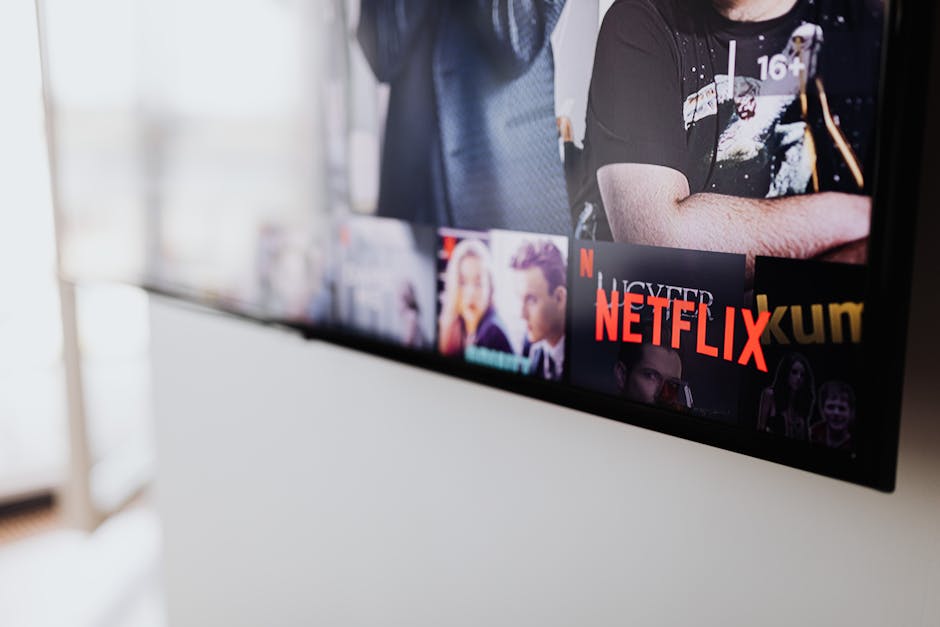
Did You Know? 15 Surprising Facts About Streaming Services

Did You Know? 15 Surprising Facts About Streaming Services

⏱️ 6 min read

The way we consume entertainment has undergone a dramatic transformation over the past two decades. Streaming services have revolutionized how millions of people watch movies, TV shows, and listen to music. While most of us use these platforms daily, there are numerous fascinating facts about the streaming industry that remain largely unknown to the average subscriber. From their surprising origins to their environmental impact and hidden features, these insights reveal the complex world behind the content we enjoy at the click of a button.

The Hidden World Behind Your Favorite Streaming Platforms

1. Netflix's DVD Business Still Generates Revenue

Despite being synonymous with streaming, Netflix continues to operate its original DVD-by-mail service under the brand name DVD.com. While the streaming side dominates the company's revenue, thousands of subscribers still prefer physical discs, particularly for accessing older or harder-to-find titles that aren't available on streaming platforms. This legacy business demonstrates how different consumer preferences coexist in the modern entertainment landscape.

2. Streaming Accounts for Over 60% of Global Internet Traffic

Video streaming services consume an enormous amount of bandwidth, accounting for more than 60% of all downstream internet traffic worldwide. Netflix alone has been responsible for up to 15% of global internet bandwidth at peak times. This massive data consumption has forced internet service providers to continuously upgrade their infrastructure to handle the unprecedented demand.

3. The "Skip Intro" Button Was Based on Extensive User Research

Netflix's popular "Skip Intro" feature resulted from analyzing billions of hours of viewing data. The company discovered that subscribers frequently fast-forwarded through opening credits, especially during binge-watching sessions. This simple button has saved viewers countless hours and has become so popular that other streaming platforms quickly adopted similar features.

4. Streaming Services Spend More on Content Than Traditional Studios

Major streaming platforms now outspend traditional Hollywood studios on content production. Netflix alone has invested over $17 billion annually in original content, surpassing the budgets of major film studios. This spending war has fundamentally changed the entertainment industry, creating more opportunities for creators but also raising questions about sustainability.

5. Password Sharing Affects Nearly Half of All Accounts

Research indicates that approximately 40-50% of streaming service users share their passwords with people outside their household. This practice costs the industry billions of dollars annually in lost revenue. While companies have traditionally tolerated this behavior as a form of marketing, many platforms are now implementing measures to restrict password sharing and convert shared users into paying subscribers.

6. The Streaming Quality Adjusts Hundreds of Times Per Session

Modern streaming services use adaptive bitrate streaming technology that can adjust video quality hundreds or even thousands of times during a single viewing session. This technology monitors your internet connection in real-time and automatically switches between different quality levels to prevent buffering, ensuring smooth playback even when bandwidth fluctuates.

7. Streaming Services Use Psychological Tactics to Keep You Watching

Platforms employ various psychological techniques to maximize viewing time, including autoplay features, personalized thumbnails, and strategically timed content releases. The "post-play" feature that automatically starts the next episode after a brief countdown has been particularly effective at encouraging binge-watching behavior, fundamentally changing how audiences consume serialized content.

8. Regional Content Libraries Vary Dramatically

The content available on streaming platforms varies significantly by country due to licensing agreements and regional restrictions. A Netflix subscription in the United States provides access to a completely different library than the same subscription in Japan or Brazil. Some countries have access to thousands more titles than others, leading to the popularity of VPN services for accessing geographically restricted content.

9. Streaming Has a Significant Environmental Impact

Watching 30 minutes of streaming content generates approximately 1.6 kilograms of carbon dioxide emissions, equivalent to driving nearly four miles in a car. The environmental cost comes from the energy required to power data centers, transmission networks, and end-user devices. As streaming consumption increases globally, the industry faces growing pressure to adopt more sustainable practices and renewable energy sources.

10. Recommendation Algorithms Drive 80% of Viewing Choices

Approximately 80% of content watched on platforms like Netflix comes from the recommendation algorithm rather than user searches. These sophisticated systems analyze viewing history, ratings, browsing behavior, and even the time of day to suggest content. The accuracy of these recommendations has become a competitive advantage, with companies investing heavily in artificial intelligence and machine learning to improve their algorithms.

11. The First Streaming Service Predates Netflix

While Netflix popularized streaming, it wasn't the first. RealNetworks launched RealPlayer in 1997, offering streaming audio and video over the internet years before Netflix's streaming service debuted in 2007. However, limited bandwidth and technology constraints prevented early streaming from achieving mainstream success until broadband internet became widely available.

12. Thumbnail Images Are Personalized for Individual Users

Streaming services don't show the same thumbnail images to all users. Platforms test multiple images for each title and use algorithms to determine which thumbnail is most likely to appeal to individual subscribers based on their viewing history. A romantic comedy might display different artwork to different users depending on whether they typically watch romance films or comedies.

13. Streaming Services Create Content Based on Data Analytics

Original programming decisions are increasingly driven by data rather than traditional creative intuition. Platforms analyze viewing patterns, completion rates, and audience demographics to determine which projects to greenlight. Netflix's decision to produce "House of Cards" was famously influenced by data showing that subscribers who enjoyed the British version also liked films directed by David Fincher and starring Kevin Spacey.

14. The Average Subscriber Uses Only Three Streaming Services

Despite the proliferation of streaming platforms, research shows that the average household subscribes to approximately three services simultaneously. This has created intense competition among platforms to be among those chosen services, leading to the content wars and exclusive programming strategies that define the current streaming landscape.

15. Streaming Audio Quality Often Exceeds CD Quality

High-fidelity music streaming services now offer audio quality that surpasses traditional CDs. Platforms like Tidal and Amazon Music HD provide lossless audio formats and even hi-res streams with higher sampling rates than standard CD quality. This technological advancement has made audiophile-grade sound accessible to mainstream listeners, though most subscribers continue using standard quality settings to conserve bandwidth.

The Ever-Evolving Streaming Landscape

These fifteen surprising facts illustrate how streaming services have become far more sophisticated and influential than most users realize. From their environmental impact and data-driven decision-making to their psychological design features and technical capabilities, streaming platforms represent a complex intersection of technology, entertainment, and business strategy. As the industry continues to evolve with new competitors, technologies, and consumption patterns, understanding these hidden aspects helps us appreciate the remarkable infrastructure supporting our daily entertainment habits. Whether you're a casual viewer or a dedicated binge-watcher, these insights reveal that there's much more happening behind the scenes than simply pressing play on your favorite show.