











1 / 10 Questions
0 Points

Which everyday writing tool was inspired by a ball-bearing mechanism?

Pencil

Fountain pen

Ballpoint pen

Marker

Points won
0
Correct score
0%

More Questions

More Articles

12 Shocking Facts About the Entertainment Industry

12 Shocking Facts About the Entertainment Industry

⏱️ 6 min read

The entertainment industry captivates billions of people worldwide, but behind the glamorous façade lies a complex world filled with surprising realities that most audiences never consider. From financial mysteries to historical oddities, these lesser-known aspects of Hollywood and the broader entertainment landscape reveal just how unconventional this business truly is.

The Hidden Realities Behind the Spotlight

1. The Surprisingly Low Success Rate of New Films

Despite the constant stream of movie releases, approximately 80% of films produced never make a profit. The entertainment industry operates on a hit-driven model where a handful of blockbusters must compensate for dozens of financial disappointments. Major studios rely on this reality, banking on just a few massive successes each year to cover their entire slate of productions. This explains why studios are increasingly focused on franchise films and sequels—they're the safest financial bets in an otherwise unpredictable market.

2. Voice Actors Recording Separately

Contrary to what many assume, voice actors in animated films rarely record their lines together in the same room. The production schedules and availability of A-list celebrities make coordinated recording sessions nearly impossible. Instead, actors typically record their lines individually, with directors providing context about the scene and other characters' reactions. This means that the seamless conversations audiences hear in animated features are actually stitched together from separate recording sessions that may have occurred months apart.

3. The Staggering Cost of Movie Marketing

A film's production budget represents only part of its total cost. Marketing campaigns for major releases often equal or exceed the actual production budget, with some blockbusters spending over $200 million just on advertising and promotion. This includes television commercials, billboards, social media campaigns, promotional partnerships, and international marketing efforts. This reality means a film needs to earn roughly two to three times its production budget just to break even.

4. Streaming Services Rarely Release Viewership Data

Unlike traditional television with its Nielsen ratings, most streaming platforms keep their actual viewership numbers closely guarded secrets. Netflix, Amazon Prime, and other services release selective information when it benefits them, but comprehensive, verified viewership data remains largely unavailable to the public and even to many creators. This lack of transparency has created tension within the industry, particularly regarding fair compensation for talent and determining what constitutes success on streaming platforms.

5. The Reality of Residual Payments

While residual checks for actors are often romanticized, the reality is far less glamorous for most performers. Only a small percentage of actors receive substantial ongoing payments from reruns and streaming. The residual payment structure has become increasingly complex and controversial, particularly with streaming platforms operating under different rules than traditional broadcast television. Many working actors receive residual checks for just a few cents or dollars, barely covering the cost of cashing them.

6. CGI Costs More Than Most Realize

A single minute of high-quality computer-generated imagery can cost anywhere from $50,000 to over $1 million, depending on complexity. Films heavy in CGI effects regularly dedicate hundreds of millions of dollars to visual effects alone. The final battle sequence in a typical Marvel film, for instance, might cost more than the entire production budget of an independent drama. This expense is one reason why effects-heavy films must perform exceptionally well at the box office to be considered profitable.

7. Product Placement Generates Massive Revenue

Product placement in films and television shows has evolved into a multi-billion dollar industry. Major productions can offset significant portions of their budgets through strategic brand integrations. Some films have earned over $50 million from product placement deals before they even reach theaters. Brands pay premium prices to have their products featured prominently, knowing that the exposure to captive audiences provides invaluable marketing value that traditional advertising cannot match.

8. The Dubbing Industry's Global Complexity

When films and shows are adapted for international markets, the dubbing process involves far more than simple translation. Voice actors must match not only the timing and emotion of performances but also consider cultural nuances, idioms, and local humor. A single blockbuster might be dubbed into 40 or more languages, each requiring its own cast of voice actors, directors, and translation specialists. The dubbing industry employs thousands of professionals worldwide, yet remains largely invisible to most viewers.

9. Film Sets Generate Enormous Waste

The environmental impact of film and television production is staggering. A typical major film production generates approximately 500 tons of waste, including discarded sets, unused materials, and daily operational waste. Lighting and power requirements for large productions can match the daily energy consumption of entire neighborhoods. While the industry has begun implementing sustainability initiatives, the scale of waste production remains a significant and often overlooked concern.

10. The Prevalence of Reshoots and Rewrites

Major studio films frequently undergo extensive reshoots that can add tens of millions to the budget and completely alter the original vision. Some blockbusters have had entire third acts reshot based on test audience reactions or studio executive decisions. These reshoots can occur months after principal photography wraps, requiring actors to return with matching hairstyles and physical appearances. Some films have spent more on reshoots than many independent films spend on their entire production.

11. Background Actors' Strict Limitations

Background actors, commonly called extras, work under surprisingly restrictive conditions. They're typically prohibited from making eye contact with principal actors, cannot speak audibly on camera, and must bring multiple wardrobe options to set. Despite appearing in major productions, most background actors earn minimum wage or slightly above, work long hours with minimal breaks, and cannot list their work in these projects on professional resumes unless they're visible and identifiable on screen.

12. The Music Licensing Labyrinth

Securing rights to popular music for films and television shows involves navigating a complex web of copyright holders, publishers, and licensing agreements. A single popular song can cost anywhere from $15,000 to over $500,000 to license for a major film, depending on how it's used and the song's popularity. This explains why many classic shows struggle with streaming releases—the music licensing deals were negotiated for broadcast only, and securing streaming rights requires entirely new negotiations and payments.

The Industry's Complex Reality

These revelations demonstrate that the entertainment industry operates on principles and practices that often defy public expectations. From the financial structures that govern production decisions to the technical realities of creating the content audiences love, the business side of entertainment reveals a world far removed from the polished final products that reach screens. Understanding these realities provides valuable context for why the industry functions as it does, why certain decisions are made, and how the business of entertainment continues to evolve in response to technological changes and audience demands. The gap between public perception and industry reality remains vast, making these insights all the more fascinating for anyone interested in how entertainment truly operates behind the scenes.
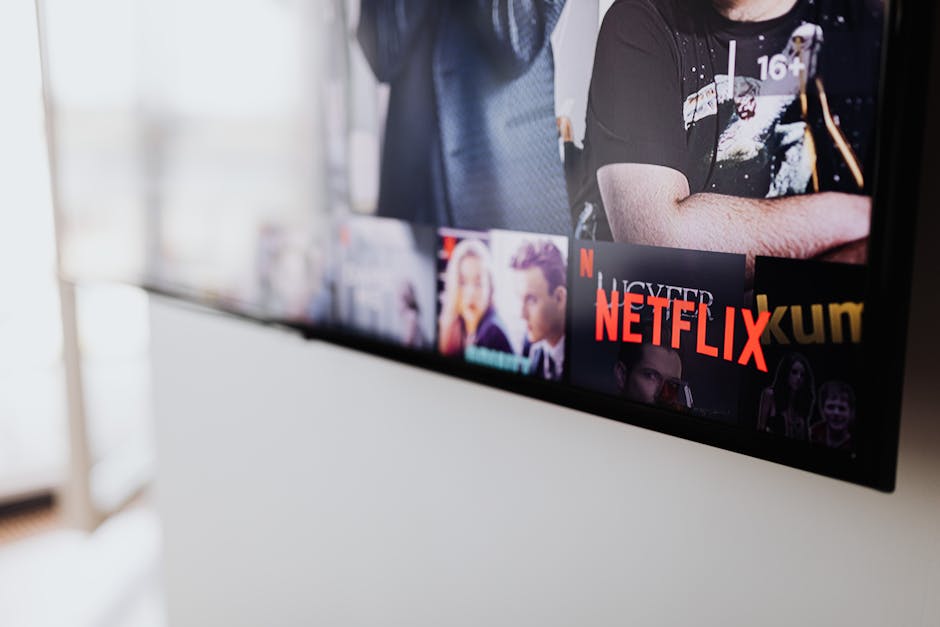
Did You Know? 15 Surprising Facts About Streaming Services

Did You Know? 15 Surprising Facts About Streaming Services

⏱️ 6 min read

The way we consume entertainment has undergone a dramatic transformation over the past two decades. Streaming services have revolutionized how millions of people watch movies, TV shows, and listen to music. While most of us use these platforms daily, there are numerous fascinating facts about the streaming industry that remain largely unknown to the average subscriber. From their surprising origins to their environmental impact and hidden features, these insights reveal the complex world behind the content we enjoy at the click of a button.

The Hidden World Behind Your Favorite Streaming Platforms

1. Netflix's DVD Business Still Generates Revenue

Despite being synonymous with streaming, Netflix continues to operate its original DVD-by-mail service under the brand name DVD.com. While the streaming side dominates the company's revenue, thousands of subscribers still prefer physical discs, particularly for accessing older or harder-to-find titles that aren't available on streaming platforms. This legacy business demonstrates how different consumer preferences coexist in the modern entertainment landscape.

2. Streaming Accounts for Over 60% of Global Internet Traffic

Video streaming services consume an enormous amount of bandwidth, accounting for more than 60% of all downstream internet traffic worldwide. Netflix alone has been responsible for up to 15% of global internet bandwidth at peak times. This massive data consumption has forced internet service providers to continuously upgrade their infrastructure to handle the unprecedented demand.

3. The "Skip Intro" Button Was Based on Extensive User Research

Netflix's popular "Skip Intro" feature resulted from analyzing billions of hours of viewing data. The company discovered that subscribers frequently fast-forwarded through opening credits, especially during binge-watching sessions. This simple button has saved viewers countless hours and has become so popular that other streaming platforms quickly adopted similar features.

4. Streaming Services Spend More on Content Than Traditional Studios

Major streaming platforms now outspend traditional Hollywood studios on content production. Netflix alone has invested over $17 billion annually in original content, surpassing the budgets of major film studios. This spending war has fundamentally changed the entertainment industry, creating more opportunities for creators but also raising questions about sustainability.

5. Password Sharing Affects Nearly Half of All Accounts

Research indicates that approximately 40-50% of streaming service users share their passwords with people outside their household. This practice costs the industry billions of dollars annually in lost revenue. While companies have traditionally tolerated this behavior as a form of marketing, many platforms are now implementing measures to restrict password sharing and convert shared users into paying subscribers.

6. The Streaming Quality Adjusts Hundreds of Times Per Session

Modern streaming services use adaptive bitrate streaming technology that can adjust video quality hundreds or even thousands of times during a single viewing session. This technology monitors your internet connection in real-time and automatically switches between different quality levels to prevent buffering, ensuring smooth playback even when bandwidth fluctuates.

7. Streaming Services Use Psychological Tactics to Keep You Watching

Platforms employ various psychological techniques to maximize viewing time, including autoplay features, personalized thumbnails, and strategically timed content releases. The "post-play" feature that automatically starts the next episode after a brief countdown has been particularly effective at encouraging binge-watching behavior, fundamentally changing how audiences consume serialized content.

8. Regional Content Libraries Vary Dramatically

The content available on streaming platforms varies significantly by country due to licensing agreements and regional restrictions. A Netflix subscription in the United States provides access to a completely different library than the same subscription in Japan or Brazil. Some countries have access to thousands more titles than others, leading to the popularity of VPN services for accessing geographically restricted content.

9. Streaming Has a Significant Environmental Impact

Watching 30 minutes of streaming content generates approximately 1.6 kilograms of carbon dioxide emissions, equivalent to driving nearly four miles in a car. The environmental cost comes from the energy required to power data centers, transmission networks, and end-user devices. As streaming consumption increases globally, the industry faces growing pressure to adopt more sustainable practices and renewable energy sources.

10. Recommendation Algorithms Drive 80% of Viewing Choices

Approximately 80% of content watched on platforms like Netflix comes from the recommendation algorithm rather than user searches. These sophisticated systems analyze viewing history, ratings, browsing behavior, and even the time of day to suggest content. The accuracy of these recommendations has become a competitive advantage, with companies investing heavily in artificial intelligence and machine learning to improve their algorithms.

11. The First Streaming Service Predates Netflix

While Netflix popularized streaming, it wasn't the first. RealNetworks launched RealPlayer in 1997, offering streaming audio and video over the internet years before Netflix's streaming service debuted in 2007. However, limited bandwidth and technology constraints prevented early streaming from achieving mainstream success until broadband internet became widely available.

12. Thumbnail Images Are Personalized for Individual Users

Streaming services don't show the same thumbnail images to all users. Platforms test multiple images for each title and use algorithms to determine which thumbnail is most likely to appeal to individual subscribers based on their viewing history. A romantic comedy might display different artwork to different users depending on whether they typically watch romance films or comedies.

13. Streaming Services Create Content Based on Data Analytics

Original programming decisions are increasingly driven by data rather than traditional creative intuition. Platforms analyze viewing patterns, completion rates, and audience demographics to determine which projects to greenlight. Netflix's decision to produce "House of Cards" was famously influenced by data showing that subscribers who enjoyed the British version also liked films directed by David Fincher and starring Kevin Spacey.

14. The Average Subscriber Uses Only Three Streaming Services

Despite the proliferation of streaming platforms, research shows that the average household subscribes to approximately three services simultaneously. This has created intense competition among platforms to be among those chosen services, leading to the content wars and exclusive programming strategies that define the current streaming landscape.

15. Streaming Audio Quality Often Exceeds CD Quality

High-fidelity music streaming services now offer audio quality that surpasses traditional CDs. Platforms like Tidal and Amazon Music HD provide lossless audio formats and even hi-res streams with higher sampling rates than standard CD quality. This technological advancement has made audiophile-grade sound accessible to mainstream listeners, though most subscribers continue using standard quality settings to conserve bandwidth.

The Ever-Evolving Streaming Landscape

These fifteen surprising facts illustrate how streaming services have become far more sophisticated and influential than most users realize. From their environmental impact and data-driven decision-making to their psychological design features and technical capabilities, streaming platforms represent a complex intersection of technology, entertainment, and business strategy. As the industry continues to evolve with new competitors, technologies, and consumption patterns, understanding these hidden aspects helps us appreciate the remarkable infrastructure supporting our daily entertainment habits. Whether you're a casual viewer or a dedicated binge-watcher, these insights reveal that there's much more happening behind the scenes than simply pressing play on your favorite show.